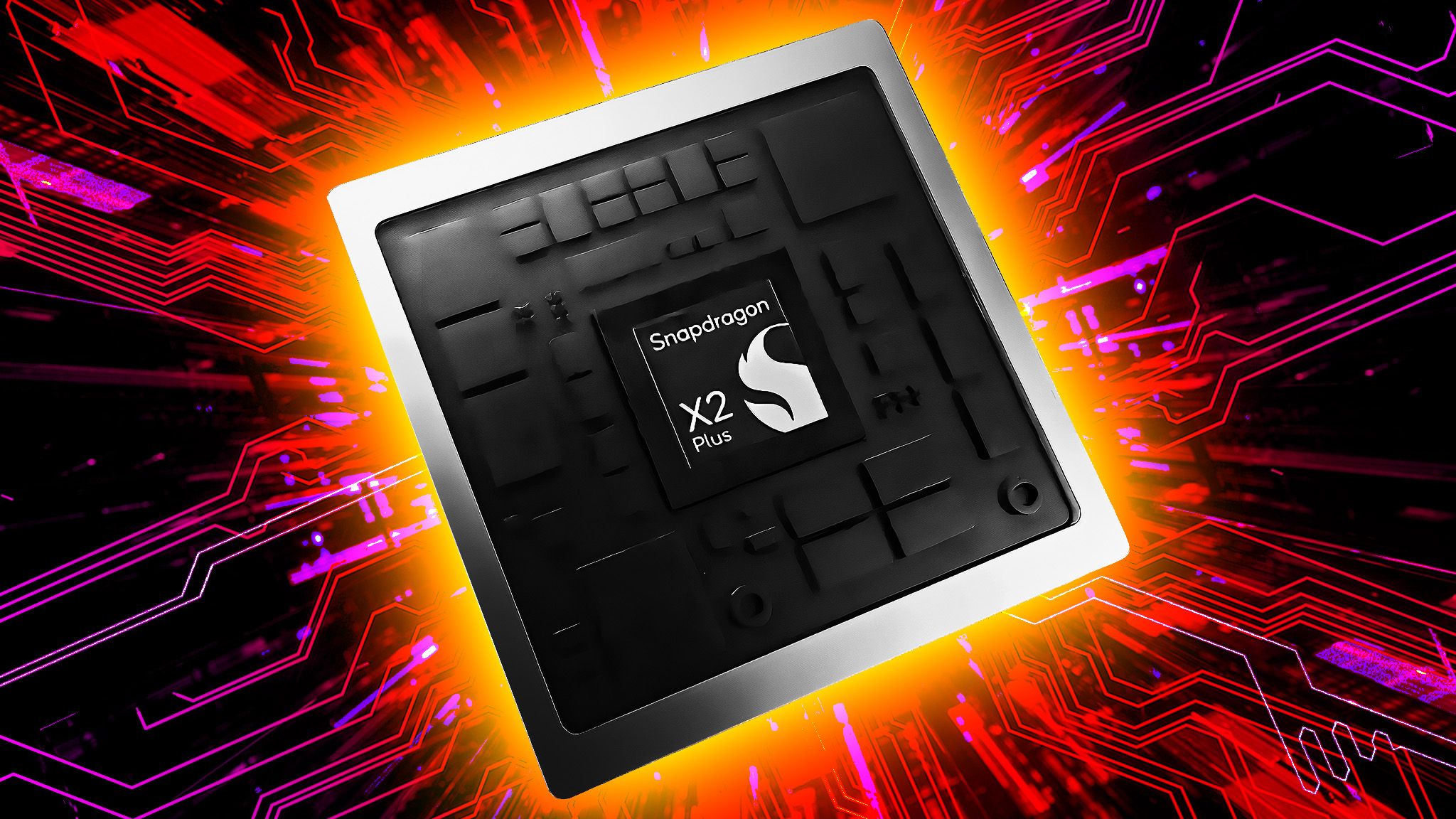

Microsoft just made its latest move in the Windows-on-ARM battle, and the Snapdragon X2 Plus may be the most important part of it.
On September 26, Microsoft revealed a new 12-inch Surface Pro alongside a 13-inch Surface Laptop, shrinking two of its best-known PC designs while pairing them with Qualcomm’s next-generation Snapdragon X2 Plus platform.
The hardware itself is interesting.
But the bigger story is what Microsoft appears to be trying to accomplish.
For years, Apple has made performance-per-watt one of the biggest selling points of the MacBook and iPad lineup. Now Microsoft is leaning heavily into the same formula: thin hardware, long battery life, low power consumption and increasingly serious performance without relying on traditional x86 laptop chips.
And that makes the Snapdragon X2 Plus much more than another processor announcement.
Microsoft Shrinks the Surface Formula
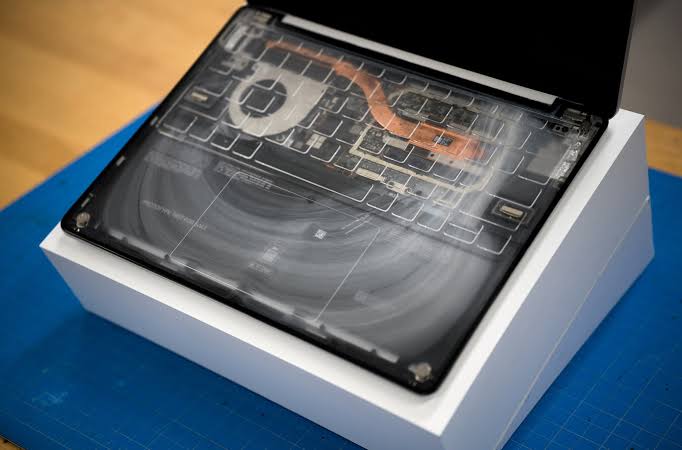
The new Surface Pro 12 takes Microsoft's detachable PC concept and pushes it into a smaller form factor.
Instead of simply making another high-end Surface device, Microsoft is targeting users who want something closer to a tablet without giving up the flexibility of a full Windows machine.
That matters because portability has become one of the biggest battlegrounds in premium computing.
The new 12-inch Surface Pro is designed to be easier to carry while retaining the familiar Surface Pro identity: a touchscreen-first device that can transform into a conventional laptop when paired with its keyboard.
Alongside it comes the 13-inch Surface Laptop.
The strategy is surprisingly clear.
Microsoft isn't trying to win by making the biggest or most aggressively powerful machine. It's betting that a smaller computer with serious performance and better efficiency can be more attractive than a traditional laptop.
And that's exactly where the Snapdragon X2 Plus enters the picture.
Snapdragon X2 Plus Is the Real Story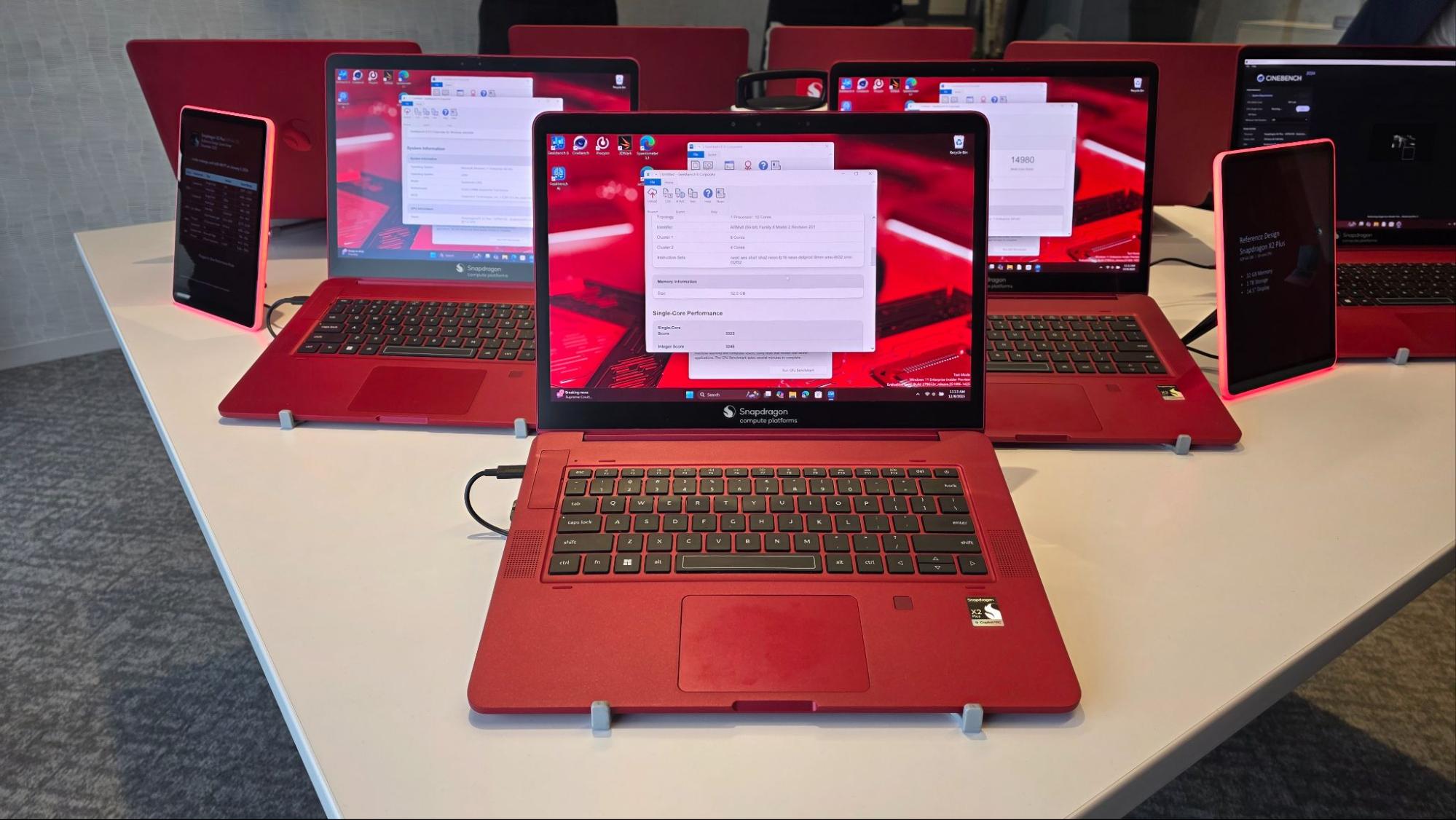
The Surface designs may grab the attention, but the processor is arguably the more important announcement.
The Snapdragon X2 Plus represents Qualcomm's continued attempt to make Windows laptops competitive with Apple's highly efficient silicon architecture.
That means Microsoft can focus on several things simultaneously:
- High performance without massive power consumption
- Longer unplugged usage
- Thin and lightweight designs
- Modern AI-focused computing
- Always-connected Windows experiences
- ARM-based efficiency instead of traditional x86 architecture
This is particularly important for a device like the Surface Pro.
A conventional laptop can hide a lot of heat and cooling hardware inside a relatively large chassis.
A compact 12-inch device doesn't have that luxury.
Every watt matters.
That makes processor efficiency almost as important as raw benchmark performance.
Why Apple Is the Obvious Comparison
Microsoft doesn't need to explicitly say "Apple" for the comparison to be obvious.
The new Surface lineup sits directly in the territory occupied by Apple's smaller portable machines and tablet-plus-keyboard ecosystem.
The difference is Microsoft's operating system.
Apple controls its hardware and software stack from top to bottom. Microsoft, meanwhile, has to build an ARM version of Windows that works across hardware from multiple manufacturers.
That makes the Snapdragon X2 Plus particularly significant.
If Qualcomm can deliver strong performance while maintaining the efficiency expected from modern ARM processors, Microsoft gets something it has wanted for years:
A Windows machine that doesn't feel like it's compromising simply because it isn't using a traditional laptop processor.
That's a much bigger goal than making one Surface model faster.
The Surface Pro 12 Has a Different Kind of Advantage
The most interesting thing about the Surface Pro 12 isn't necessarily that it can replace every laptop.
It doesn't need to.
Its advantage is flexibility.
A traditional laptop is fundamentally a laptop.
The Surface Pro can operate as a tablet, a portable workstation or a keyboard-equipped Windows PC.
That makes the smaller 12-inch format especially interesting.
A lighter Surface Pro can be thrown into a backpack, used for browsing or entertainment on the move, and then transformed into a productivity machine when needed.
The Snapdragon X2 Plus potentially strengthens that entire experience because an efficient ARM platform is particularly well suited to hardware where battery capacity and cooling space are limited.
And then there is the 13-inch Surface Laptop.
Microsoft is effectively covering both sides of the portable-PC market with one processor strategy.
One is a flexible tablet-PC hybrid. The other is a conventional laptop.
Both are built around the same fundamental idea: make Windows hardware smaller and more efficient without making it feel underpowered.
This Is About More Than Benchmarks
It would be easy to reduce the Snapdragon X2 Plus story to benchmark numbers.
But that misses the bigger shift happening in Windows PCs.
Microsoft has been pushing Windows toward an era where AI acceleration, battery efficiency and instant connectivity matter alongside traditional CPU performance.
That's why ARM matters.
A processor doesn't have to win every synthetic benchmark to make a laptop better.
If it can deliver enough performance while using less power, it can enable a completely different class of hardware.
Think thinner chassis.
Think quieter operation.
Think fewer compromises between portability and productivity.
That is precisely the environment in which Microsoft's smaller Surface devices make sense.
Microsoft Is Betting on Windows ARM Again
The first generation of Windows-on-ARM hardware had an obvious problem: software compatibility.
Performance could be impressive, but running older Windows applications wasn't always as seamless as users expected.
The situation has evolved.
Microsoft has invested heavily in Windows on ARM, while application developers have increasingly provided native ARM versions of their software.
That gives the Snapdragon X2 Plus generation a much stronger foundation than earlier attempts.
The question now becomes less about "Can Windows run on ARM?"
It becomes:
"Can Windows on ARM become the preferred way to buy a thin, premium Windows PC?"
The new Surface Pro 12 and Surface Laptop 13 are Microsoft’s latest attempt to answer that question.
What Happens Next?
The September 26 reveal could have consequences beyond Microsoft's own hardware lineup.
If the Snapdragon X2 Plus performs as expected in real-world workloads, other PC manufacturers have another reason to invest in ARM-based Windows machines.
That could mean more competition around battery life, thermals and ultra-portable designs.
And that competition could ultimately benefit consumers.
The most important things to watch will be real-world battery testing, application compatibility, sustained performance and how the Snapdragon X2 Plus behaves under demanding workloads.
Those details will tell us much more than launch specifications alone.
Because the real test isn't whether the chip looks impressive on paper.
It's whether users can spend an entire day with a compact Windows PC without constantly thinking about the compromises they made by choosing one.
🎮 The Bottom Line
Microsoft's September 26 Surface reveal isn't simply about making the Surface Pro smaller.
It's about making ARM-powered Windows PCs feel increasingly normal and increasingly competitive in the premium portable-computing market.
The 12-inch Surface Pro brings Microsoft's flexible PC design into a more compact package, while the 13-inch Surface Laptop gives the Snapdragon X2 Plus a more traditional laptop environment.
But the processor is the piece to watch.
If Snapdragon X2 Plus can combine serious performance with the efficiency Microsoft needs, the Surface Pro 12 could represent another major step toward Microsoft's long-running goal of challenging Apple's approach to portable computing.
The battle isn't just about who makes the fastest laptop anymore. It's about who can deliver the most performance without making users carry around more hardware than they actually need.
Would you choose the new Surface Pro 12 over an Apple laptop or iPad-based setup? Let us know what you think.
Comments
Sign in to join the conversation
Sign inNo comments yet
Be the first to share your thoughts!