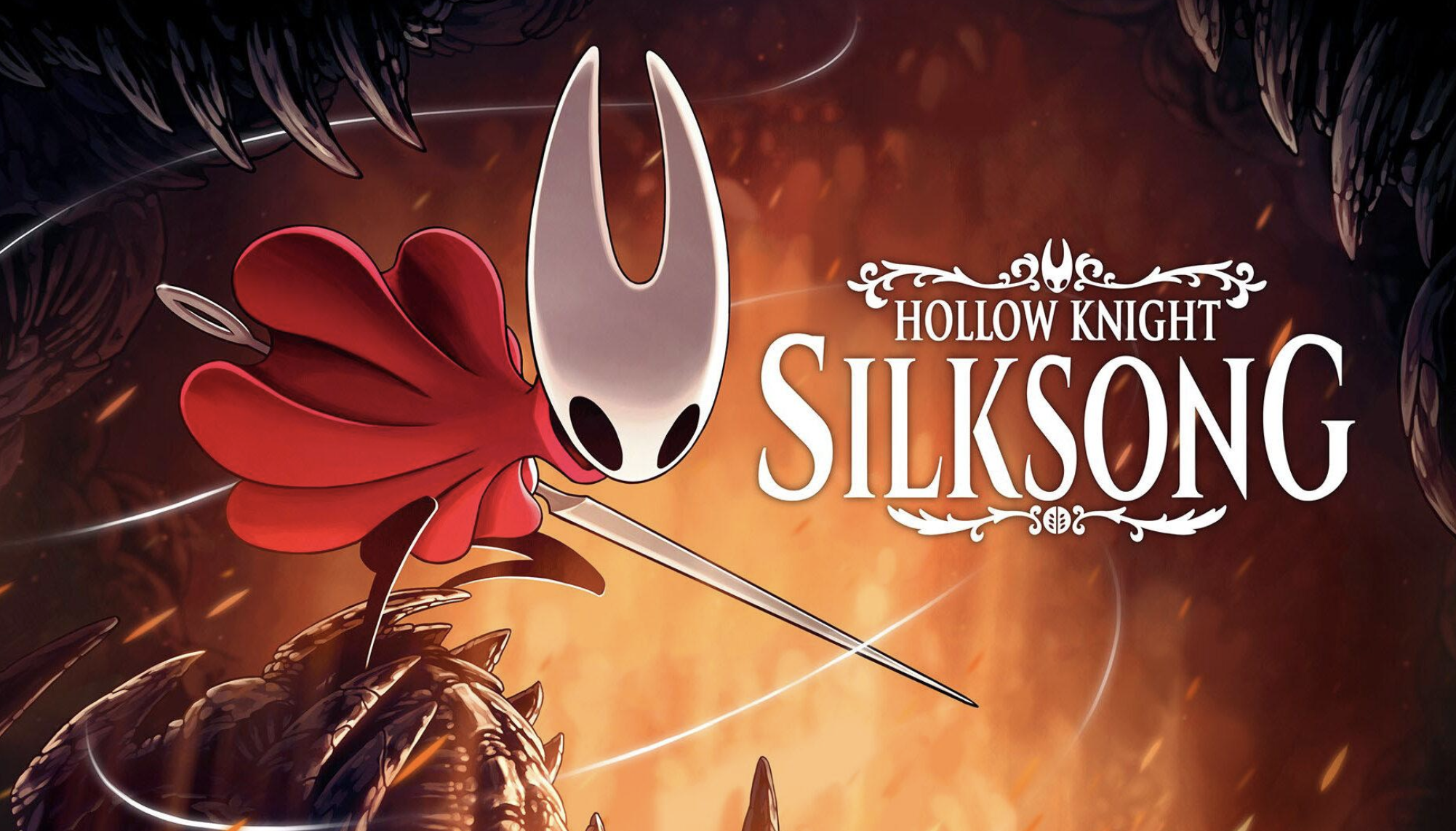

Silksong Was Real: How Team Cherry's Surprise Launch Broke the eShop
For years, Hollow Knight: Silksong existed somewhere between a highly anticipated sequel and an internet-wide inside joke.
Then Team Cherry finally pulled the trigger.
On August 21, 2025, the studio announced that Silksong would launch on September 4. There was no lengthy marketing campaign, no months-long preorder window, and no traditional hype cycle. Just a release date, a trailer, and two weeks for the internet to completely lose its mind.
When launch day arrived, the hype immediately became a technical problem.
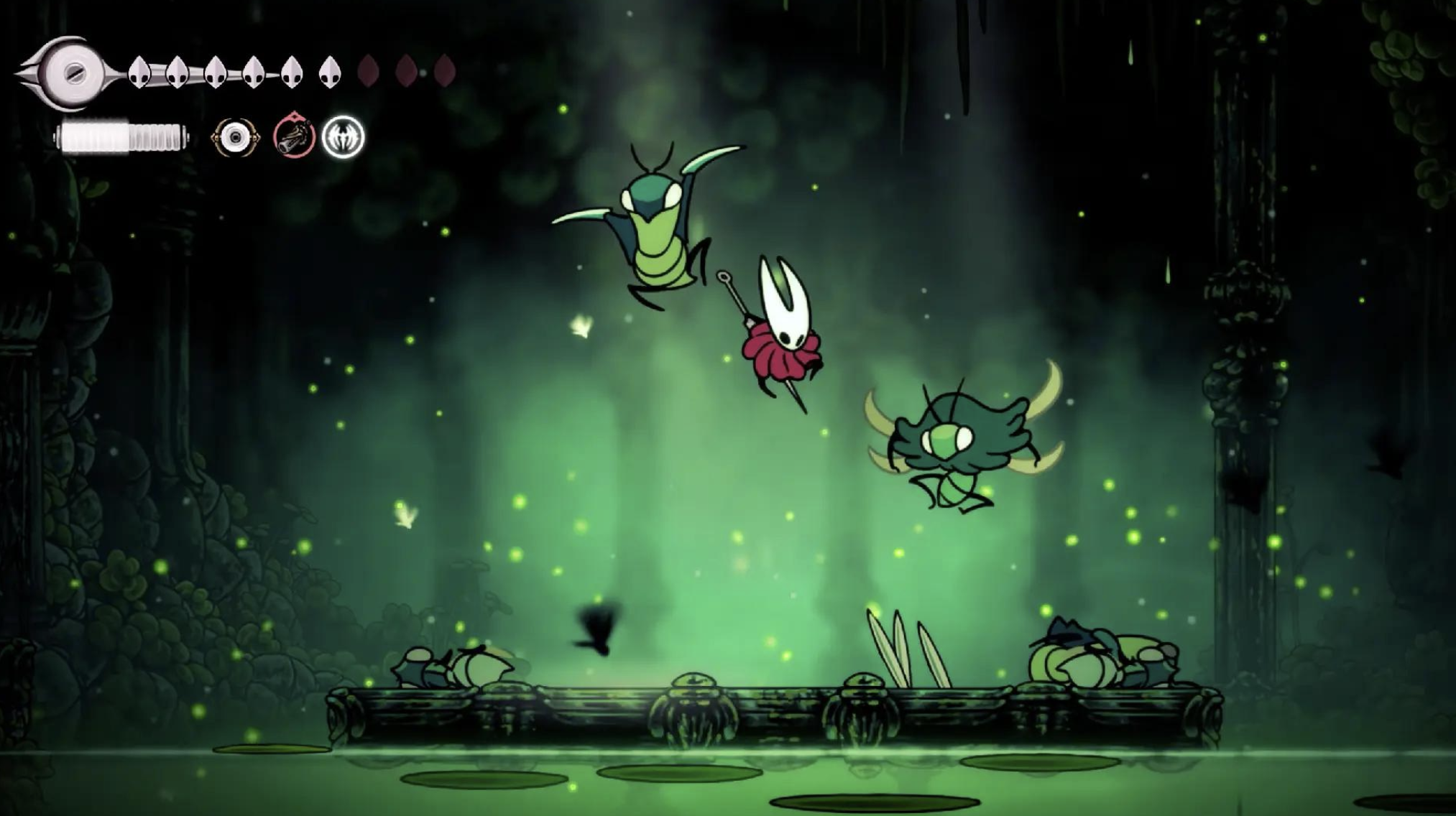
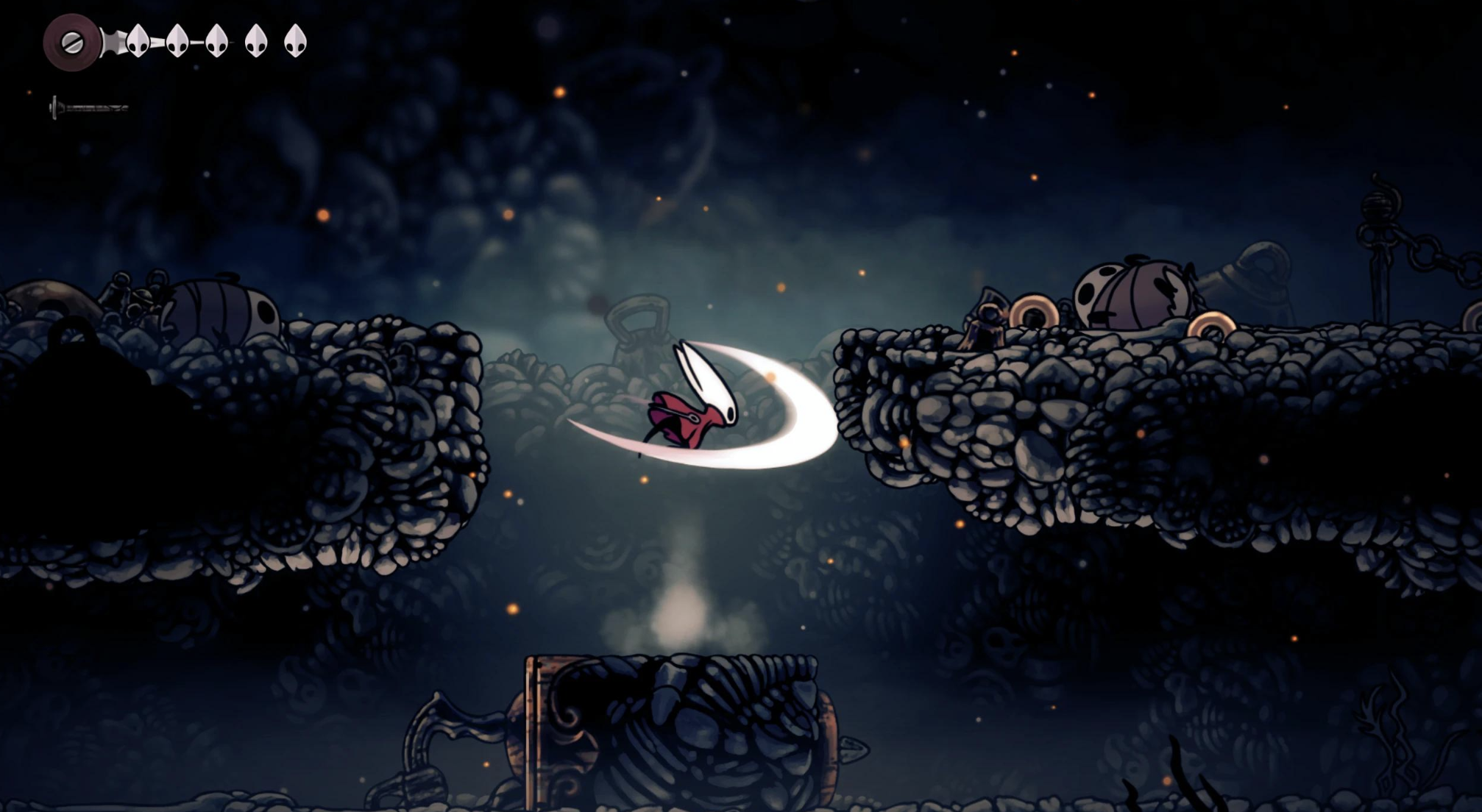
The Silksong Launch Was Absolute Chaos
Silksong launched globally on September 4 across PC, Nintendo Switch, Nintendo Switch 2, PlayStation and Xbox, with a day-one release on Xbox Game Pass.
Within minutes, players were struggling to buy and download the game.
Steam experienced major problems loading the store page, adding Silksong to carts and completing purchases. Nintendo's eShop also experienced outages, while other digital storefronts reported their own problems. Ars Technica reported more than 11,000 Steam outage reports around the launch window, while Steam had already passed 100,000 concurrent players.
The situation was so widespread that the launch itself became part of the Silksong story.
Players had waited years to finally play the game, only to discover that the first boss might actually be the digital storefront.
Nintendo's eShop was among the services affected, with users reporting loading problems and error messages while trying to access the game. The Guardian also reported that several major gaming storefronts struggled under the launch-day demand.
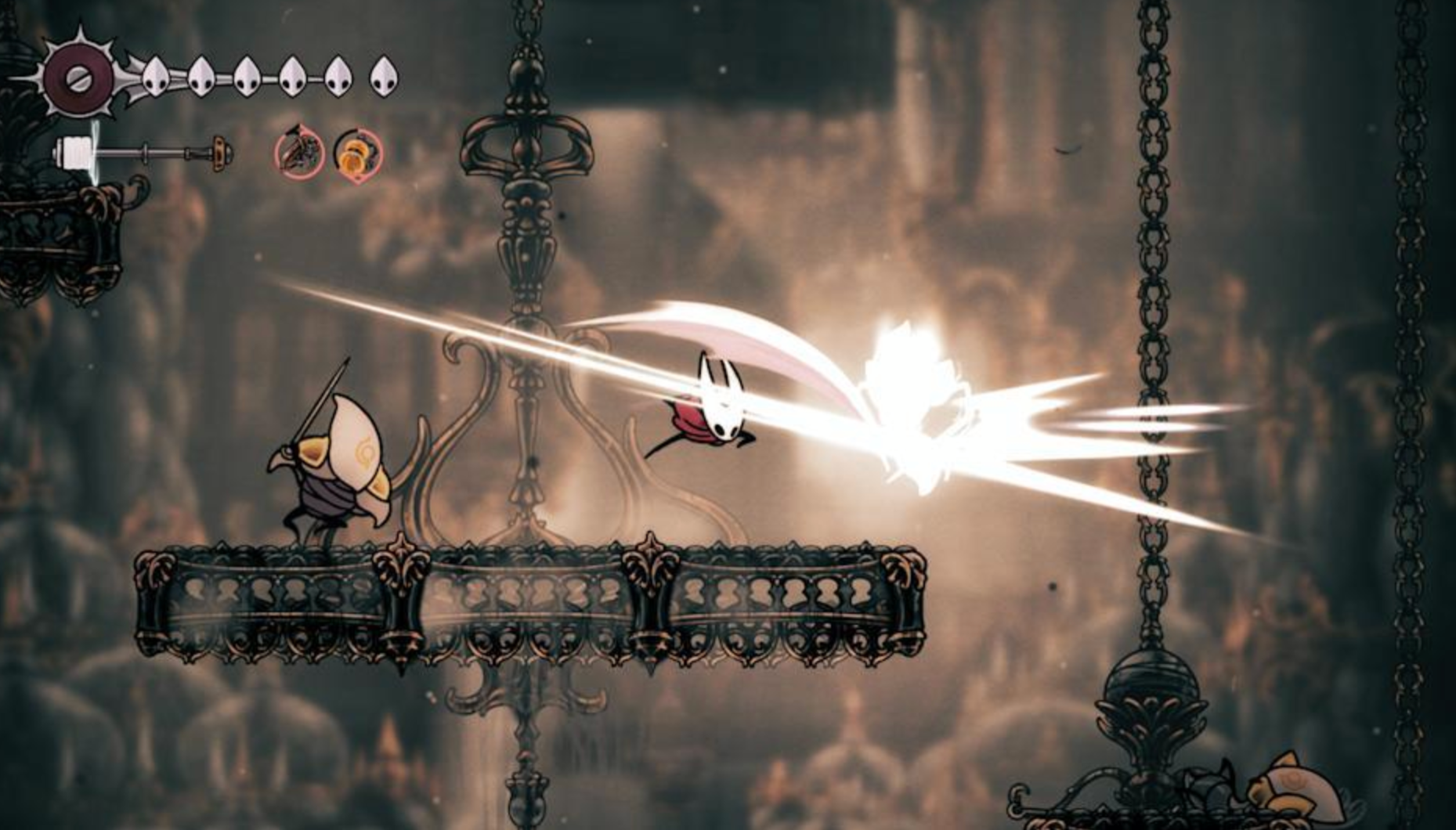
Team Cherry's Strange Marketing Strategy Actually Worked
The funniest part is that Team Cherry did not need a massive traditional marketing campaign.
Silksong had already spent years building one of the most dedicated gaming communities on the internet.
The game was announced in 2019. Development updates became increasingly rare, and every tiny change to an eShop listing, social media post or developer update could send fans into detective mode.
By the time Team Cherry announced the release date, the community had effectively been marketing the game for years.
The studio then gave players only about two weeks of notice.
That was enough.
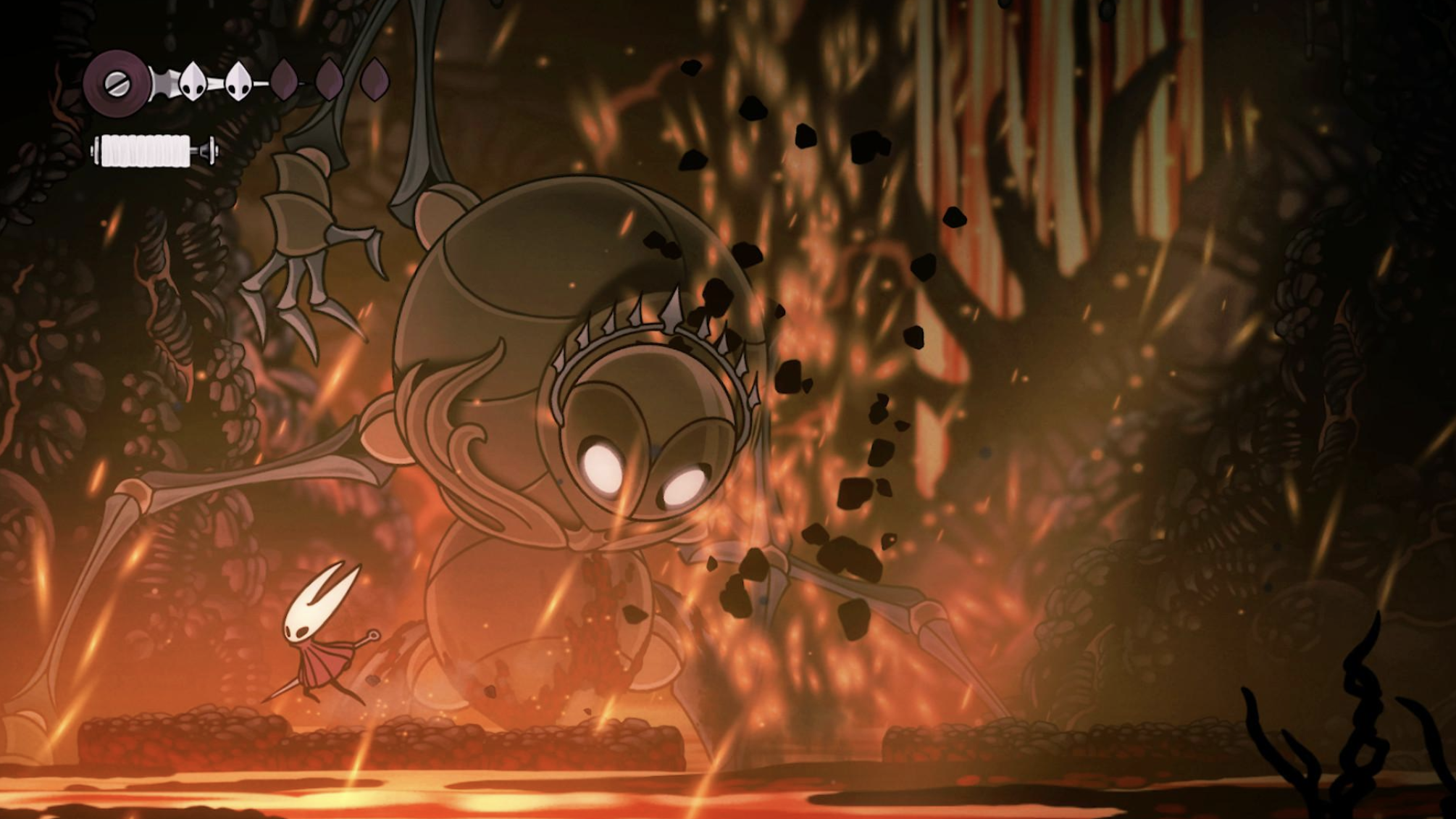
In fact, some indie developers reportedly adjusted their own release plans around Silksong because of the enormous attention expected at launch. WIRED described the game's release as the culmination of years of anticipation, with Silksong quickly becoming Steam's top-selling game and passing 100,000 concurrent players.
The result was a launch that felt less like a carefully scheduled release and more like the entire gaming internet suddenly receiving the same notification.
And Yes, Silksong Runs Seriously Well on Switch 2
The chaos was not the only reason Nintendo players were talking about Silksong.
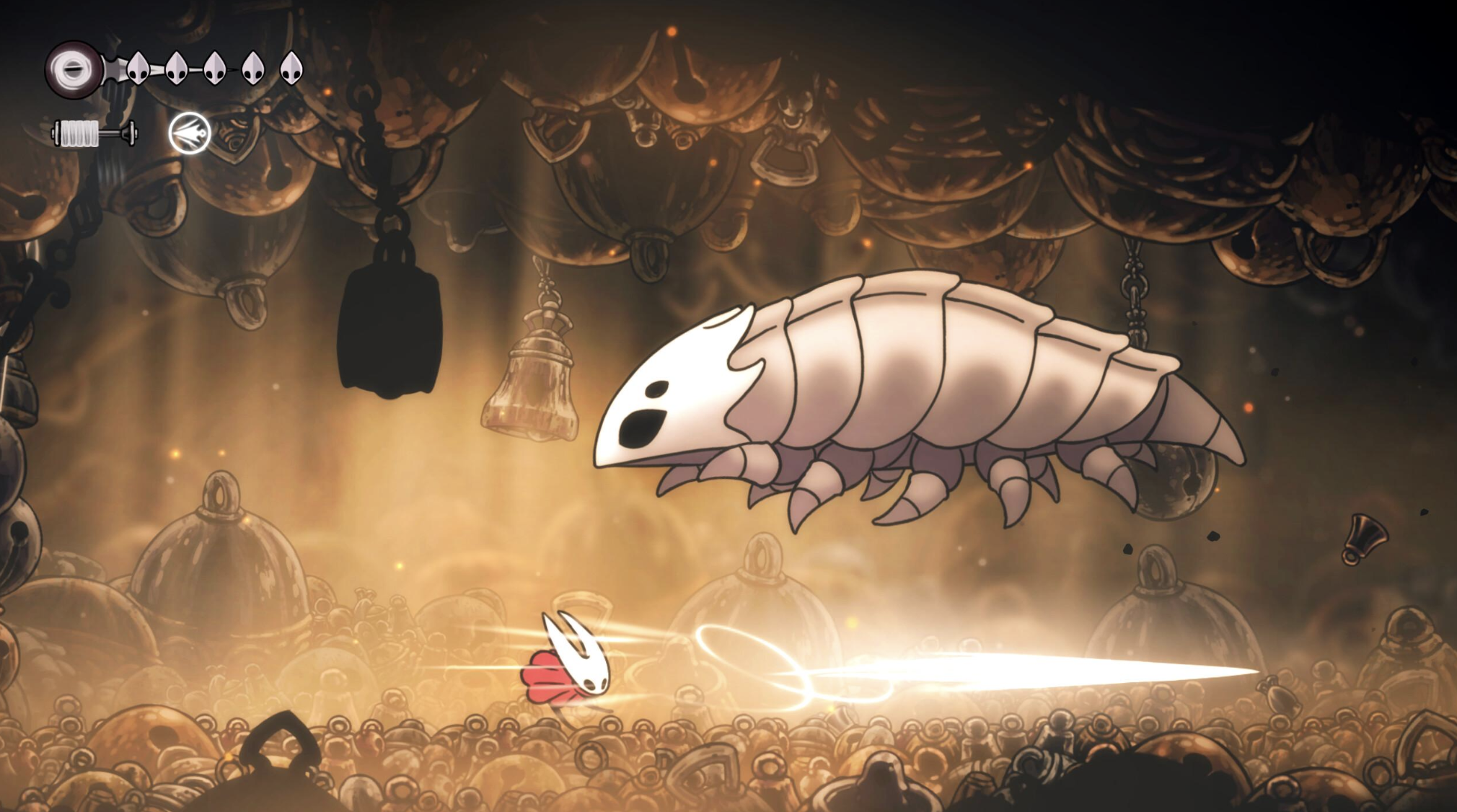
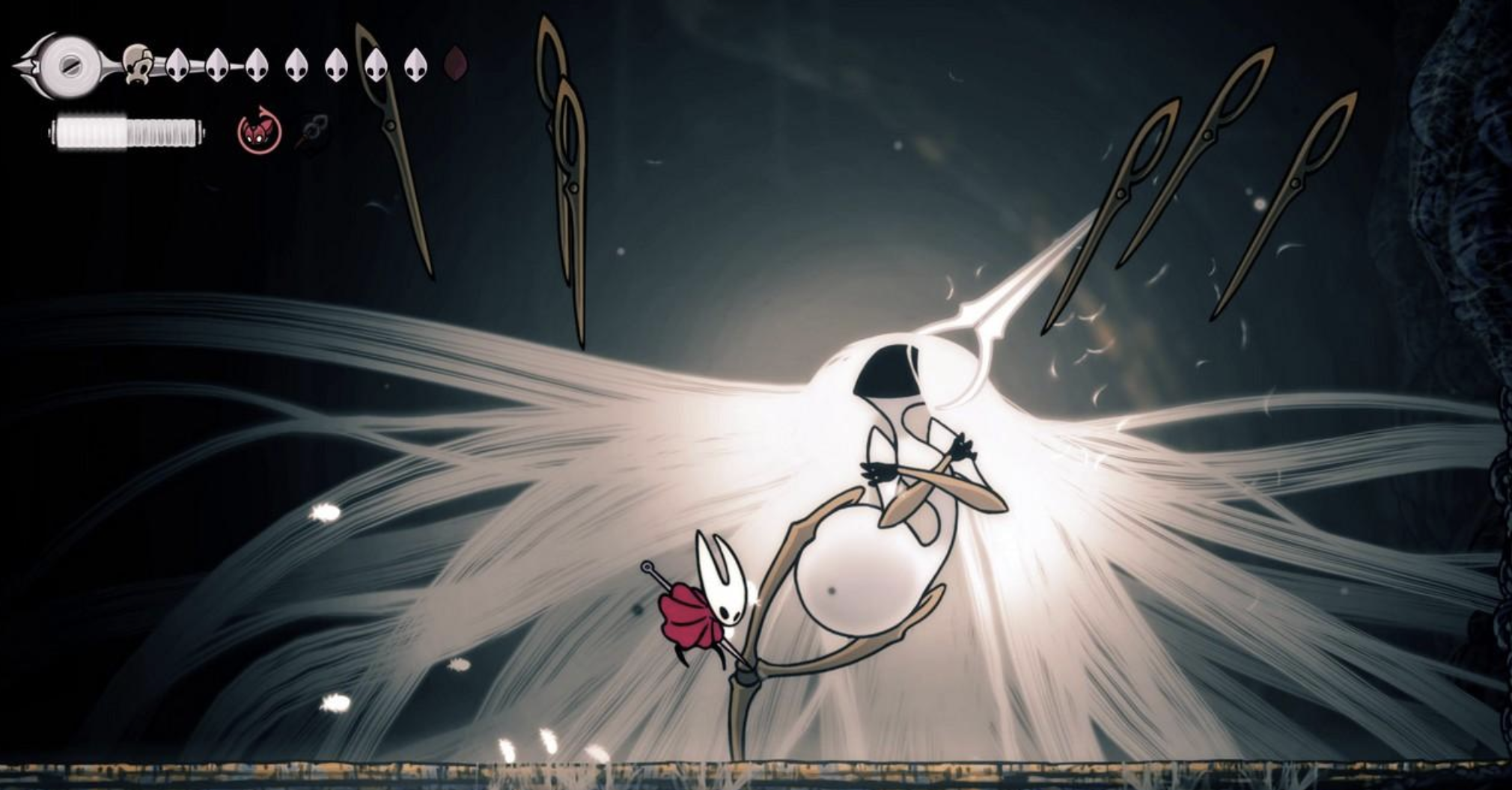
The Nintendo Switch 2 version received meaningful technical upgrades, including higher resolution, improved frame rates and additional effects. Nintendo also lists support for 120 Hz output.
The difference is particularly noticeable because Silksong is built around extremely fast movement.
Hornet is considerably more mobile than the Knight from the original Hollow Knight. Combat, platforming and movement all benefit from a responsive presentation, making higher frame rates more than just a number on a specification sheet.
Independent testing was particularly positive.
Stuff reported that Silksong could maintain 120fps at 1080p on Switch 2 in both handheld and docked play, while a 2160p/60fps option offered a sharper presentation for players who preferred resolution.
Nintendo Life also found the game running at 120fps and praised how well the game's fast movement translated to the higher refresh rate.
That gives Switch 2 players a useful choice.
Want maximum responsiveness? The 120 Hz mode is there.
Want sharper visuals on a compatible 4K display? The higher-resolution mode gives you that option.
And importantly, Nintendo says the Switch 2 version is available as a free upgrade for owners of the Switch version.
What Made the Launch So Big?
Silksong's launch was not simply about one highly anticipated indie game.
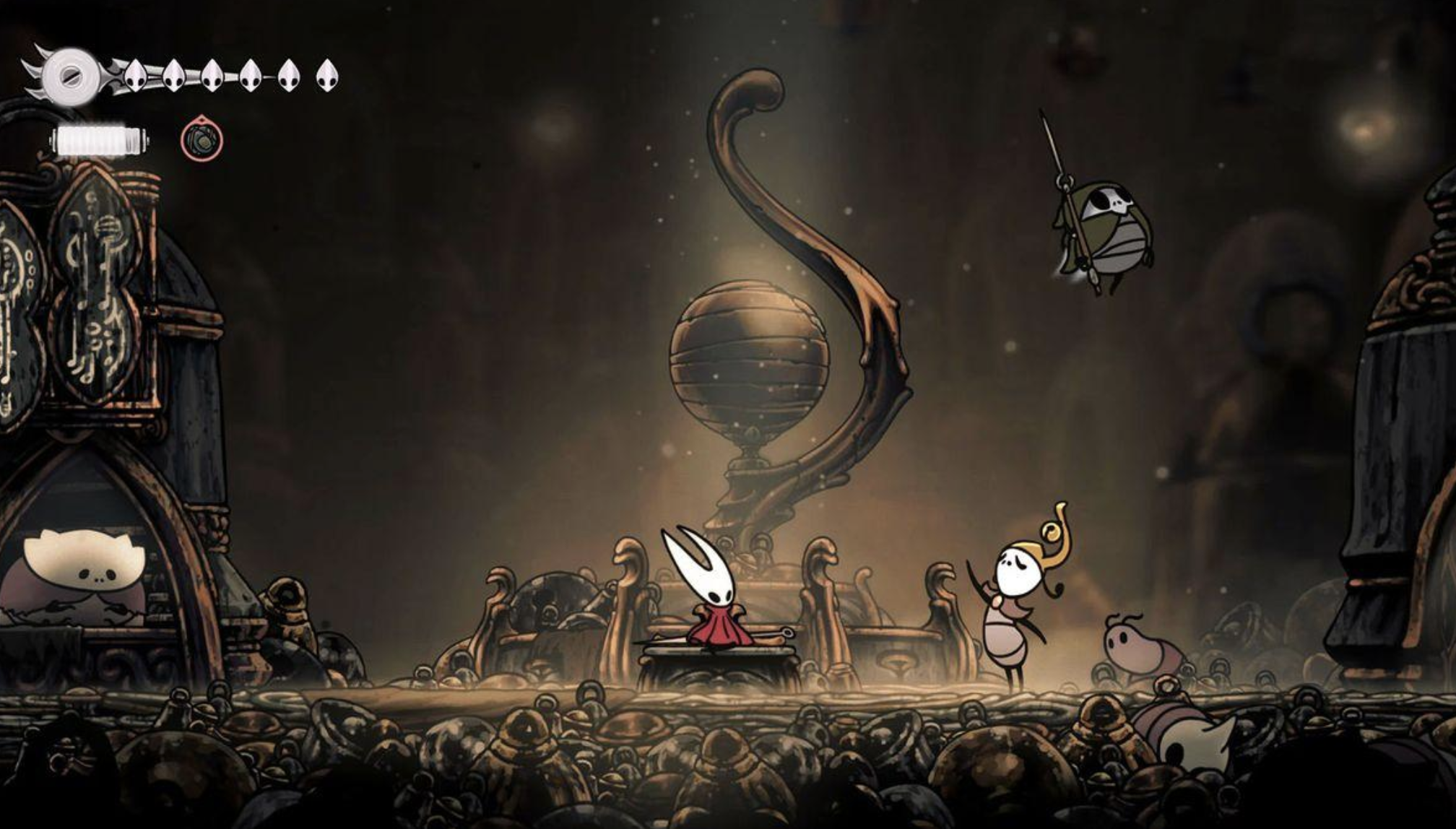
It was the combination of six years of anticipation, an unusually quiet development cycle, a massive fan community, and an almost immediate release once the date was finally announced.
That created a strange situation where millions of players were ready at exactly the same time.
And because Silksong did not offer the kind of long preloading period common with major releases, storefronts had to deal with an enormous wave of players trying to purchase and download the game around the same time. Ars Technica noted that the lack of pre-purchase and preloading may have contributed to the launch-day server problems.
The irony was almost perfect.
After years of waiting for Silksong, players finally got the game and immediately had to wait for Steam or the eShop to let them buy it.
One Small Correction About the September Direct
There is an important detail worth clearing up because the timing has become easy to mix up.
Silksong did not launch during Nintendo's September Direct.
Team Cherry announced the September 4 release date on August 21. Nintendo's major September Direct took place later, on September 12. By then, Silksong had already been out for more than a week.
So the better description is that Silksong was a surprise-style stealth launch with only two weeks of warning, rather than a game secretly released during the Direct.
That distinction actually makes the story more interesting.
Team Cherry did not need Nintendo's biggest showcase to create one of the year's biggest gaming moments.
🎮 The Bottom Line
Hollow Knight: Silksong proved that you do not always need a giant marketing campaign to create a massive launch.
Team Cherry spent years letting anticipation build, then gave players a release date with only two weeks of notice. When September 4 finally arrived, the demand was large enough to cause problems across several major digital storefronts.
And for Switch 2 owners, the payoff was especially strong. The game looks sharper, runs at higher frame rates and can take advantage of 120 Hz displays, making Hornet's fast movement feel even better.
After six years of waiting, Silksong finally arrived.
And somehow, the first thing it broke was the internet.
Did you manage to play Silksong on launch day, or were you one of the people fighting the eShop error screen?
Comments
Sign in to join the conversation
Sign inNo comments yet
Be the first to share your thoughts!