
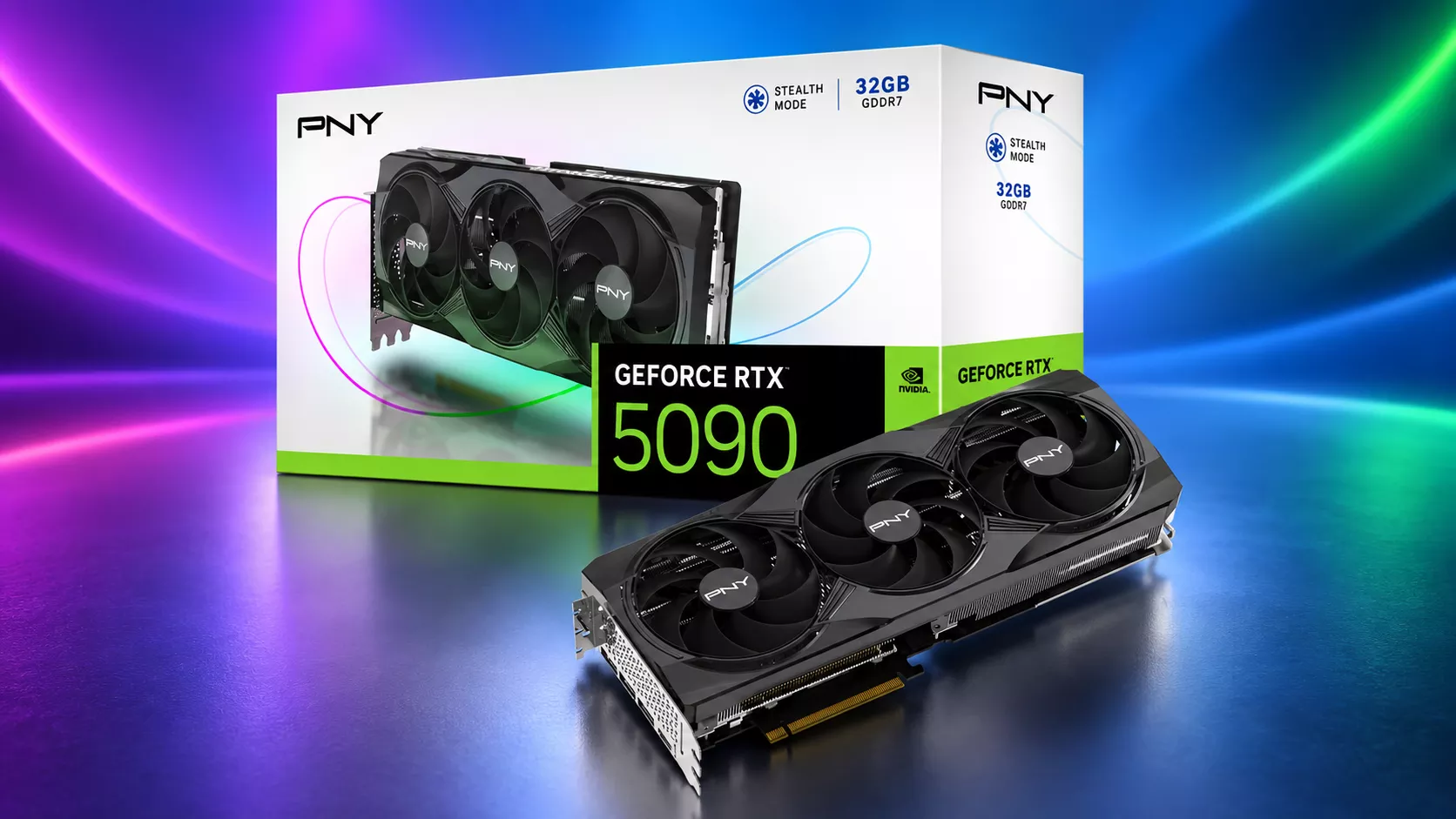
PNY's RTX 5090 Warranty Trap: Why Using the Wrong Power Cable Could Cost You $2,000
The card wasn't overclocked. It wasn't running a heavy game. It was sitting idle.
Then the RTX 5090's power connector melted at both ends, and the $2,000 graphics card stopped showing up entirely.
That's bad luck. What happened next is why the PC hardware community is furious: PNY denied the warranty claim the same day, blaming the owner for plugging in a cable that came with his own power supply.
🔥 Main Story: PNY Denies an RTX 5090 Warranty Over a Power Cable
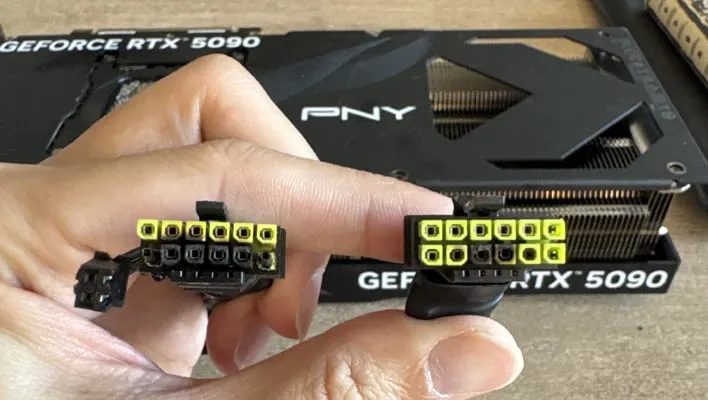
The story started with a Reddit post from user Melodic_Initial_1767. He says his PNY RTX 5090, bought last September, died last month.
Both ends of the 16 pin power cable had melted, on the graphics card side and on the power supply side. The PC could no longer detect the card at all.
He filed a warranty claim, expecting a replacement. Instead, PNY rejected it within a day.
The reason stunned people. As HotHardware reported, PNY's support team said that every PNY GPU needing a 16 pin connector ships with a PNY approved cable or adapter, and that this bundled cable is the only configuration covered under warranty.
PNY's reply specifically listed three things that would void coverage if damage occurred: a third party cable, an adapter, or a PSU cable.
That last one is the part that set the internet on fire.
🎮 What Happened
Here's the timeline based on the owner's account:
Card Purchased → Card Dies at Idle → Warranty Claim Filed → Same Day Denial → Owner Checks the Documentation → Ticket Closed as Final
The details make PNY's position look even shakier.
- The power supply: An ASRock PG-1600G, a 1600W modular unit that supports the modern ATX 3.1 standard
- The cable: The native 12VHPWR cable that shipped with that power supply
- No extras: The owner says he used no splitters, extensions or third party adapters
- Conservative settings: According to Wccftech, he also says he ran a stock VBIOS with a power limit that kept the card below default specifications
In other words, this wasn't someone pushing a card to its limits with a cheap adapter from an online marketplace. It was a high end setup using a cable made for exactly this job.
When the owner pushed back and asked which clause in PNY's warranty supported the denial, a senior technician reportedly called the decision final and closed the ticket. Reports also say PNY never requested a physical inspection of the card.
🧠 Why It Matters
Using the power supply's own native cable is not a risky shortcut. For many builders, it's considered the cleanest setup, and power supply makers routinely recommend using their native cables with GPUs like the RTX 5090.
If PNY's reading holds, a huge number of RTX 5090 owners may have unknowingly voided their coverage just by building their PC in a completely normal way.
That's the real story here. It's not just about one dead card. It's about whether a warranty can quietly exclude a common setup that its own documentation never mentions.
⚡ Key Details
| Detail | Information |
|---|---|
| GPU | PNY GeForce RTX 5090 |
| Approximate Price | About $2,000 |
| Failure | 16 pin connector melted at both ends |
| Card Status | Not detected by the PC |
| Power Supply | ASRock PG-1600G (ATX 3.1) |
| Cable Used | PSU's native 12VHPWR cable |
| PNY Decision | Warranty denied the same day |
| Reason Given | Only PNY's bundled cable is covered |
| Physical Inspection | Reportedly not requested |
| PNY Public Statement | None reported at the time of writing |
🔍 Deeper Breakdown
What PNY's Warranty Actually Says
This is where the controversy really lands. The FPS Review pulled PNY's current GeForce warranty, revision dated February 28, 2025, which covers the GTX 16, RTX 30, RTX 40 and RTX 50 series.
According to that report, the document says nothing about power cables, adapters or power supplies.
The closest language says the card must be installed according to the installation guide provided with it. The warranty also excludes misuse, neglect and improper installation, as judged by PNY.
The Installation Guide Problem
Here's the twist. The owner says the RTX 5090's installation guide only references 6 pin and 8 pin power connections, not a 16 pin cable.
So PNY appears to be enforcing a rule that isn't in its warranty, based on an installation guide that doesn't clearly describe the card's actual power connector.
Why 12VHPWR Keeps Causing Trouble
This isn't a random connector with a spotless record. Nvidia's 12VHPWR and its updated 12V 2x6 version have followed high end GPUs with melting reports since the RTX 4090 launched in 2022.
Each new wave of failures raises the same question: when a connector melts, who pays? The GPU maker, the PSU maker, the cable maker, or the customer?
PNY's answer, based on this case, appears to be: anyone but PNY.
What We Know
- Confirmed by the owner's shared emails: PNY denied the claim and said only its bundled cable is covered, explicitly including PSU cables in the exclusion
- Reported by multiple outlets: PNY's published warranty does not mention this cable requirement
- Not confirmed: Whether PNY will reverse the decision, update its warranty language, or issue a public statement
What Could Happen Next
If PNY's position is policy rather than one support agent's interpretation, the company will likely face pressure to either add the rule to its official warranty or drop it. This is speculation based on how similar disputes have typically played out.
In the US, some commenters have raised consumer protection laws such as the Magnuson Moss Warranty Act, which limits when manufacturers can make coverage depend on using specific branded parts. Whether it applies here is a legal question, and this isn't legal advice.
📊 Quick Comparison
| Power Setup | Commonly Seen As | PNY's Reported Stance |
|---|---|---|
| PNY bundled adapter | Official option | Covered |
| PSU's native 12VHPWR cable | Clean, recommended by PSU makers | Not covered |
| Third party cable or extension | Varies by quality | Not covered |
| Cheap splitter or adapter | Risky | Not covered |
The row that matters is the second one. It's the setup many experienced builders would choose first.
💡 Creator Note
If you own a PNY RTX 5090 or any high end card with a 16 pin connector, a few practical steps can protect you:
- Read your warranty now: Don't wait until something fails to learn what's covered
- Keep the bundled adapter: Even if you don't use it, keep it in the box with your receipts
- Photograph your setup: Pictures of your cable, connector seating and system can support a future claim
- Seat the connector fully: Partially inserted 16 pin connectors are a common suspected cause of melting
- Escalate if denied: Some commenters have advised the owner to take his complaint to PNY management rather than accept front line support's answer
For Discord hardware communities, this is a good moment to pin a warranty checklist in your build help channels. A two minute read today could save someone a $2,000 headache later.
🚨 What Happens Next
Here's what to watch:
- A PNY response: A public statement clarifying whether this is official policy would settle a lot of confusion
- Warranty language changes: If PNY updates its documentation, check whether new terms apply to cards already sold
- More owner reports: If other PNY owners share similar denials, this becomes a pattern rather than one bad support ticket
- Nvidia's position: Nvidia hasn't publicly weighed in on this case, but repeated connector failures keep pulling it into these debates
Viral Reddit Post → Media Coverage → Community Pressure → PNY Response → Possible Policy Change
Final Takeaway
Warranties exist for exactly this situation: an expensive product fails under normal use, and the manufacturer stands behind it.
PNY's reply flips that idea around. It asks customers to follow a rule that isn't in the warranty, based on a setup most builders consider correct, and then closes the ticket without even looking at the card.
Maybe this was one support team overstepping. Maybe it's policy. Either way, PNY owes its RTX 5090 buyers a clear answer, because right now the most expensive consumer graphics card on the market comes with some very confusing fine print.