
Orbitals Preview: Why Two-Player Co-Op Games Are Having a Moment
Most co-op games let you play together.
Orbitals makes you need each other.
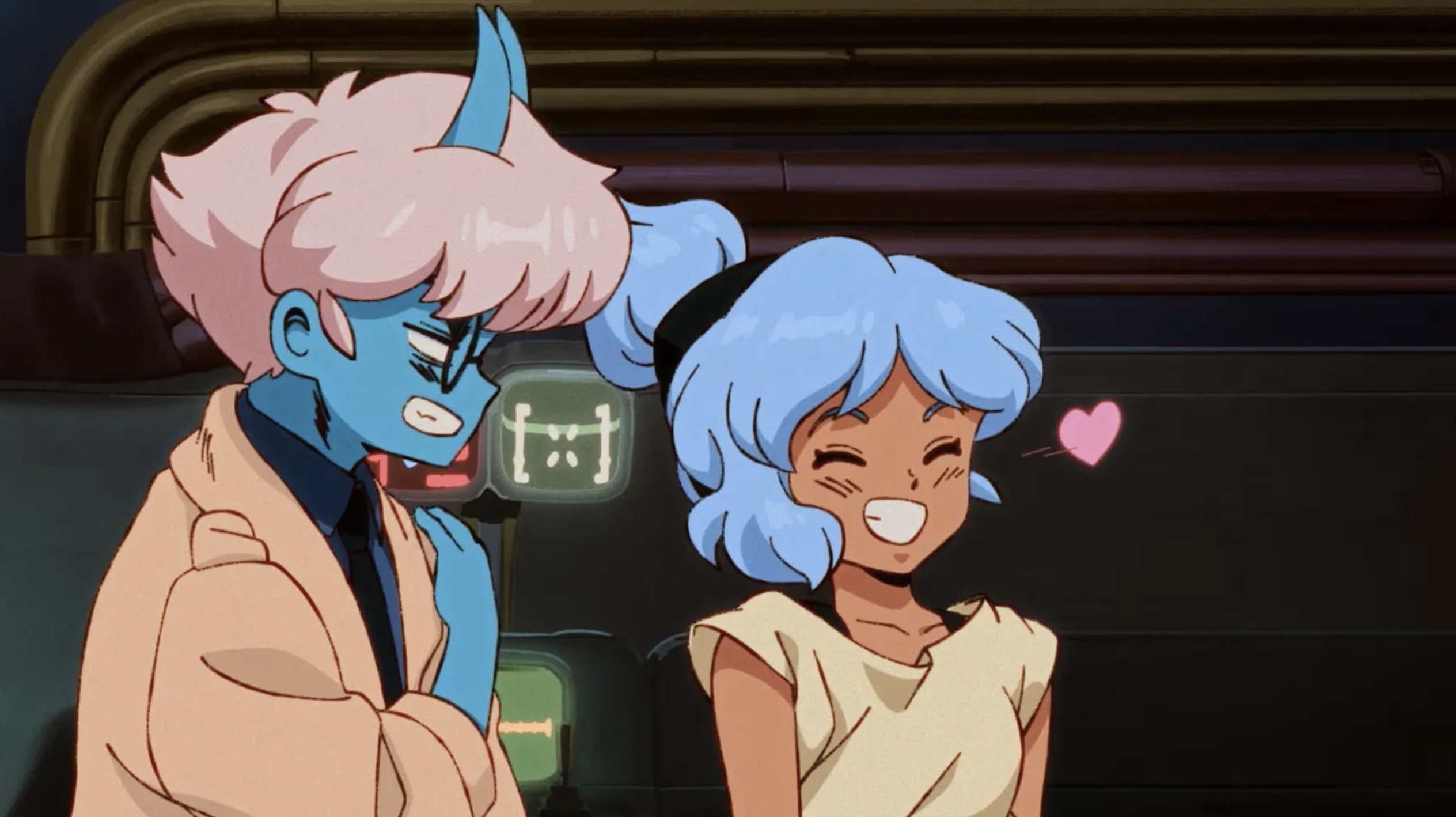
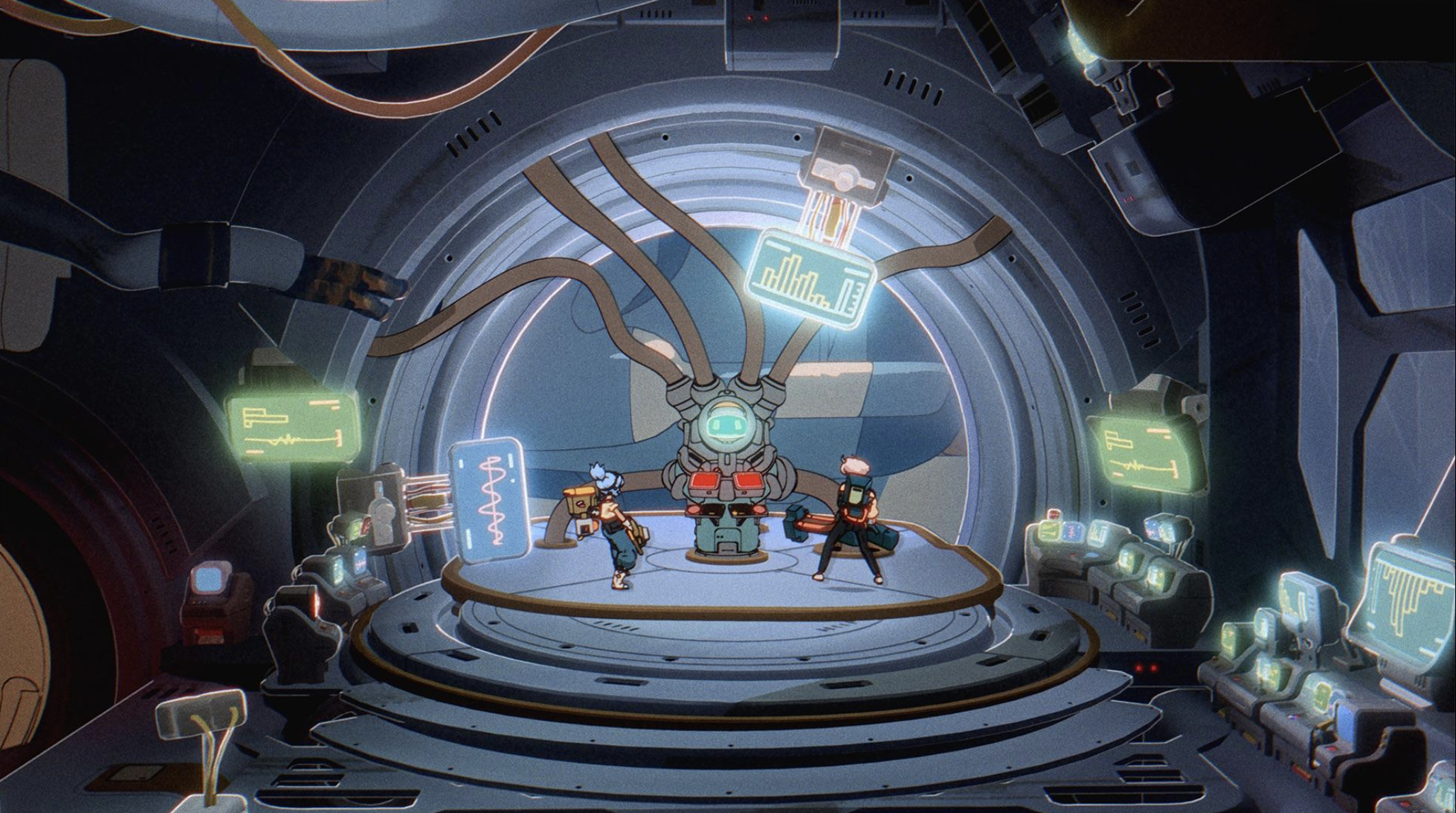
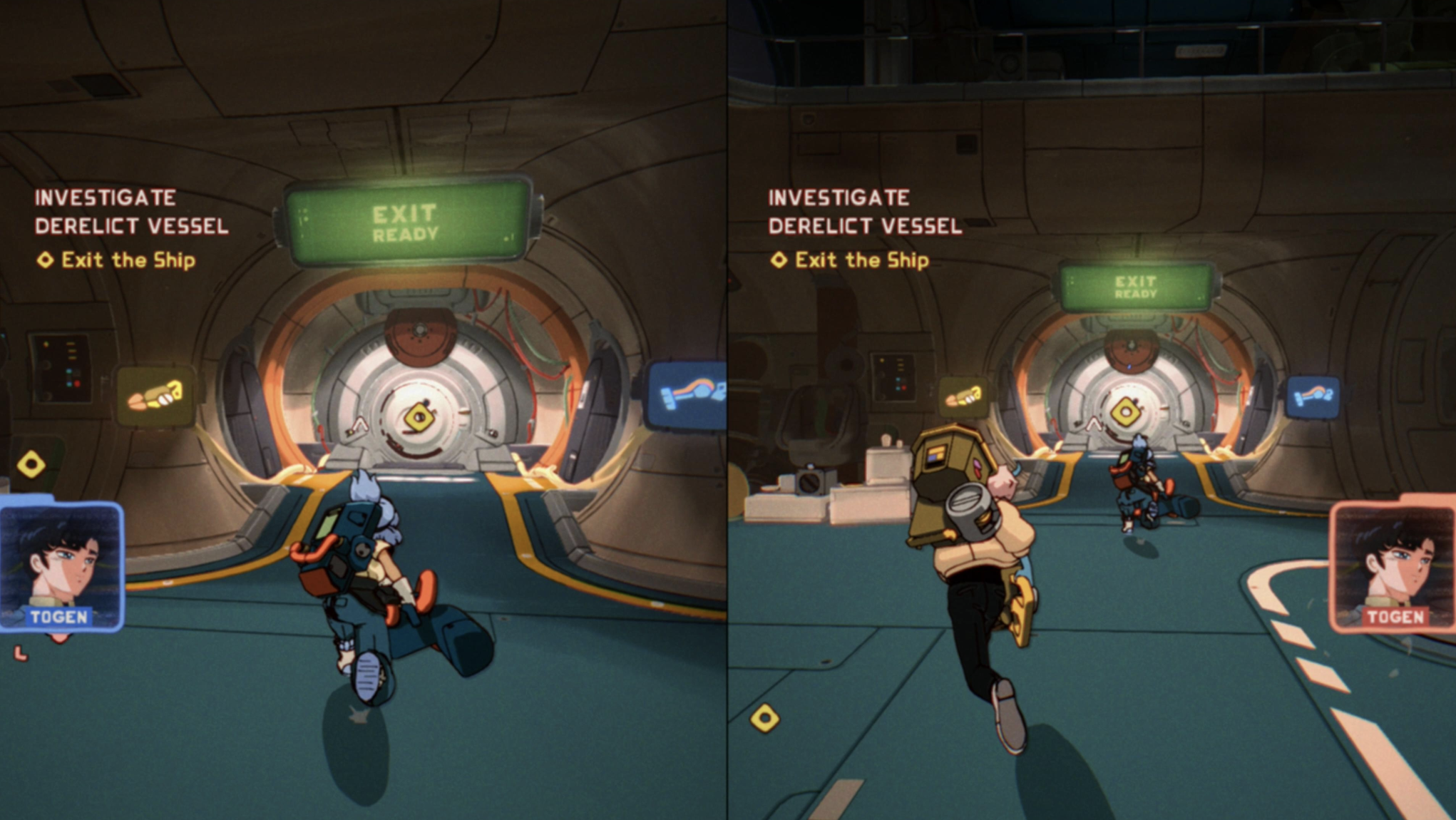
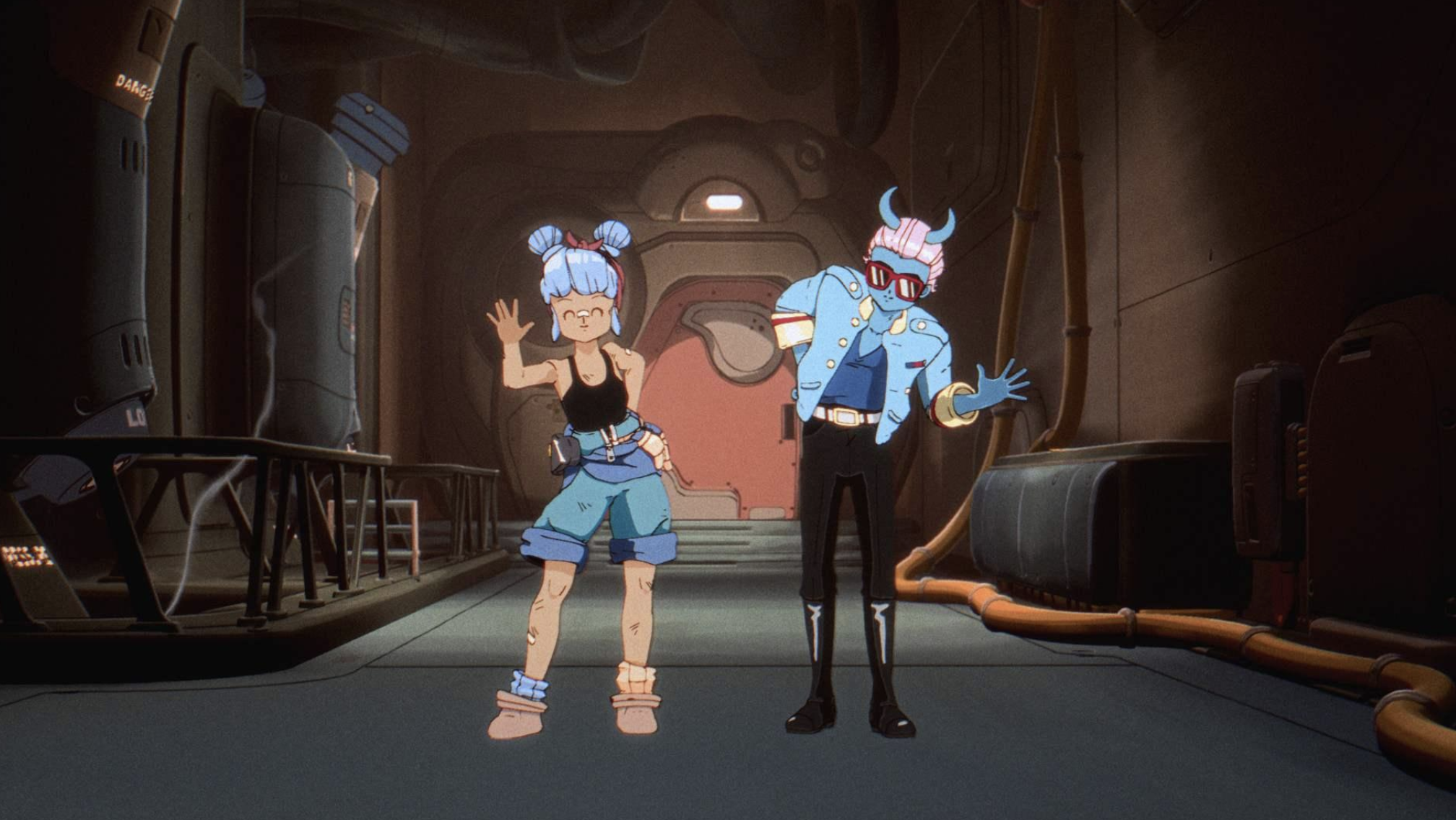
The upcoming two-player adventure puts Maki and Omura aboard a space station that's rapidly falling apart. Getting through it isn't about having two people shooting at the same enemies - both players need to communicate, solve puzzles and coordinate their actions to survive.
And that distinction is becoming increasingly interesting.
After years of multiplayer games focusing on huge lobbies, competitive matchmaking and live-service systems, games built specifically around two people working together are starting to feel refreshing.
🛰️ Orbitals Makes Cooperation the Whole Point
The basic setup is simple.
Maki and Omura are trapped aboard a collapsing space station, and escaping requires them to work together.
The important part is that neither player is simply following the other.
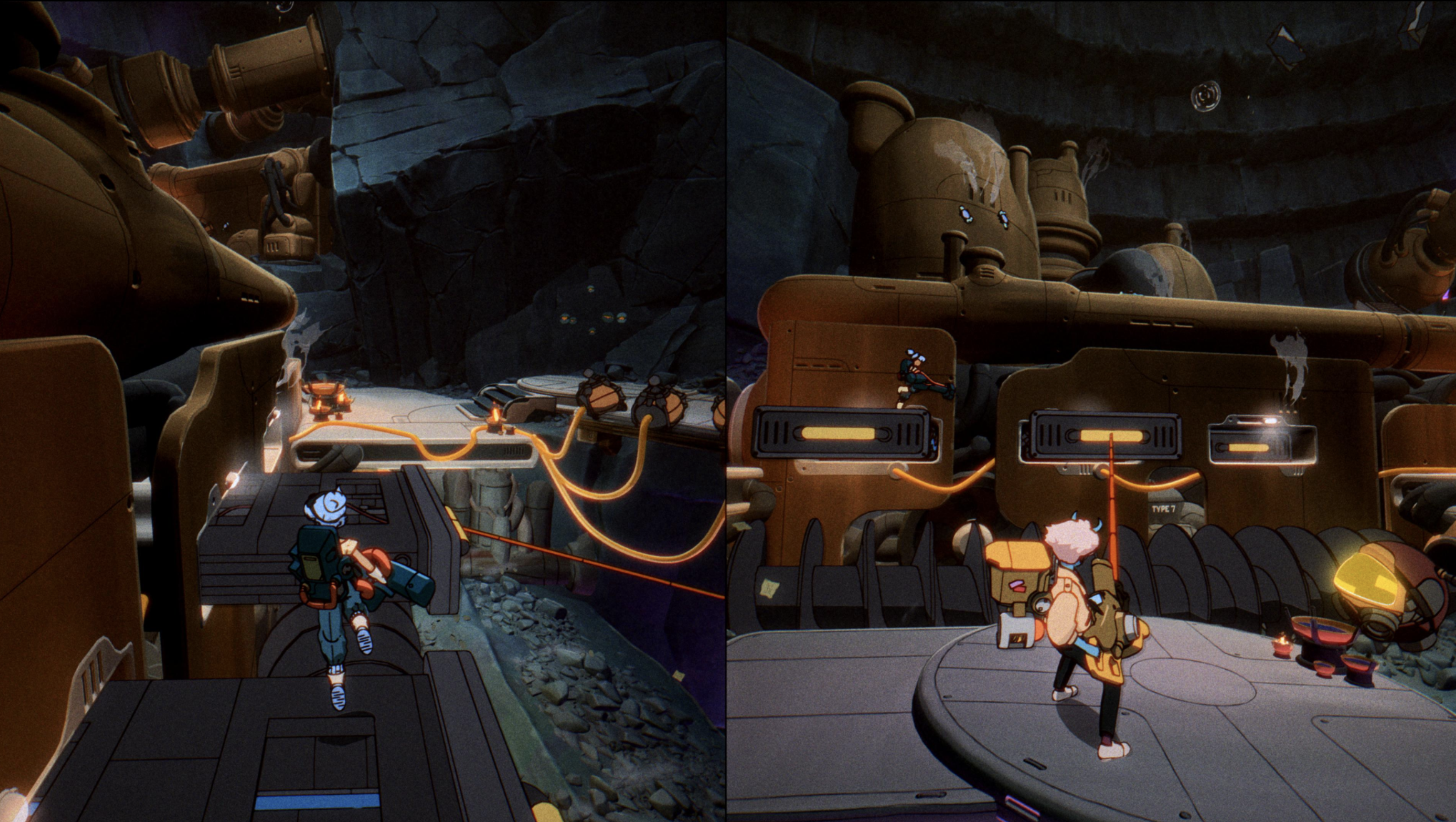
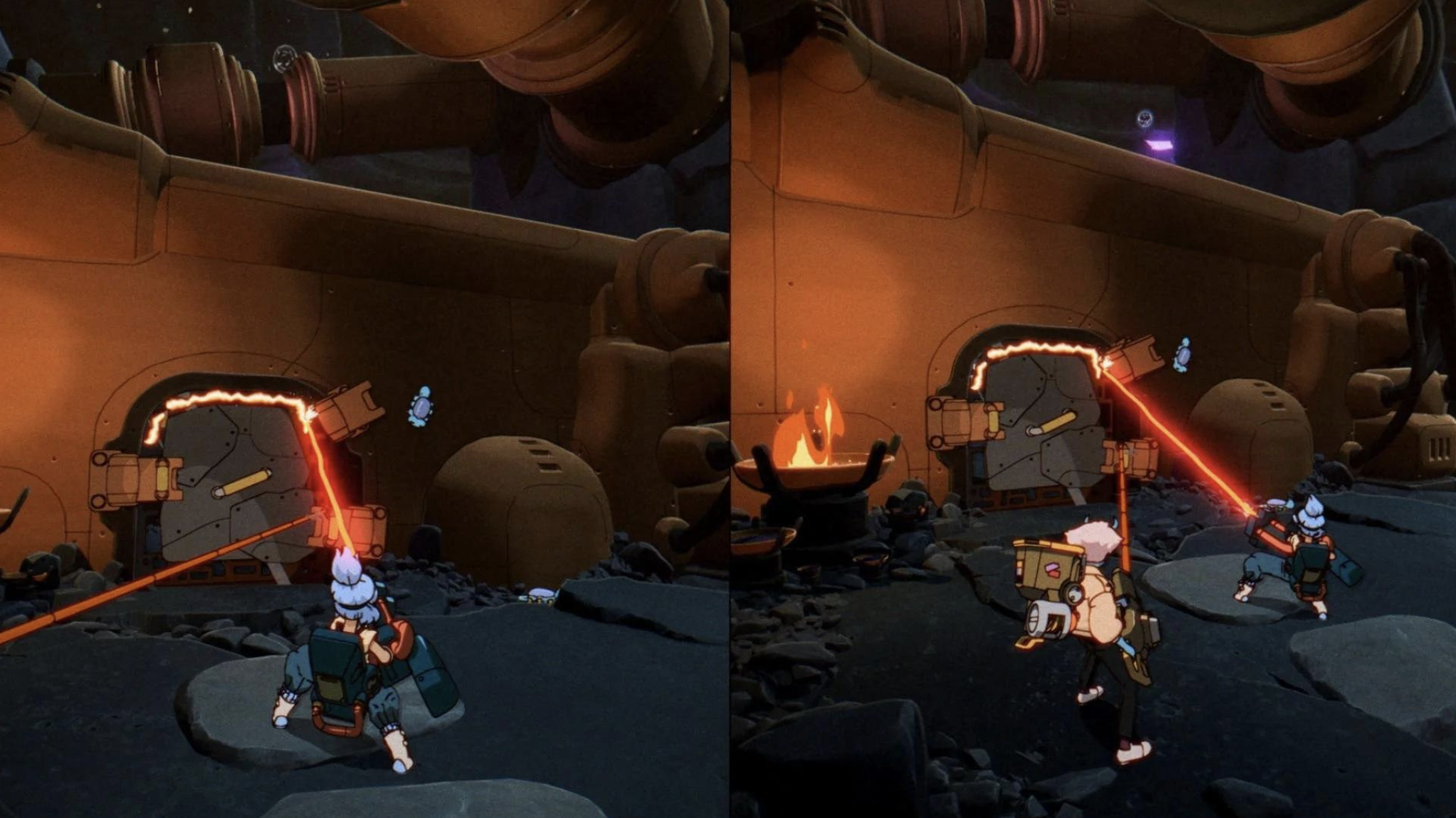
The two characters have their own perspective and role, meaning players need to communicate about what they're seeing and figure out how their actions connect.
That makes the co-op itself part of the puzzle.
You aren't solving a puzzle with a friend.
You're solving it because of your friend.
🧩 Why Mandatory Co-Op Feels Different
There's a huge difference between:
"This game supports co-op."
and
"This game was designed around two people."
In optional co-op, one player can often carry the other.
Dedicated co-op games can't rely on that.
If one person misses something, the other might need to explain it.
If one player activates a mechanism, the other might need to react immediately.
If the two players disagree about what they're seeing, they're going to have to actually talk it out.
That's what made games such as It Takes Two and Split Fiction so effective.
The relationship between the players becomes part of the gameplay.
👥 Two Players Can Be More Interesting Than Twenty
There's also something refreshing about the scale.
A two-player game doesn't need to worry about matchmaking 60 people into the same session.
It doesn't need a giant competitive ecosystem.
It can focus on one relationship.
That creates room for slower puzzles, shared discoveries and moments where communication matters more than reflexes.
For Orbitals, that seems particularly important because the collapsing station creates constant pressure around the puzzle-solving.
The environment itself becomes another thing the players have to manage together.
🧠 The Rise of "You Can't Do This Alone"
This design philosophy is becoming more noticeable across modern co-op games.
The best examples don't simply give each player a separate controller.
They give them different information or abilities.
One player sees something the other doesn't.
One controls a mechanism.
The other has to react.
Neither has the complete picture.
That creates a type of communication that traditional multiplayer rarely demands.
You aren't just saying:
"Enemy behind you."
You're saying:
"Wait, I can see the symbol - what's on your side?"
And suddenly the conversation is part of the game.
🚀 Why Orbitals Is Worth Watching
The collapsing space station is more than just a cool setting.
It's a natural environment for cooperative design.
Limited space.
Systems breaking down.
Puzzles built into the station.
Two characters who have to rely on each other.
That combination gives Orbitals a chance to make cooperation feel necessary and meaningful, rather than simply adding a second player to an otherwise single-player experience.

Comments
Sign in to join the conversation
Sign inNo comments yet
Be the first to share your thoughts!