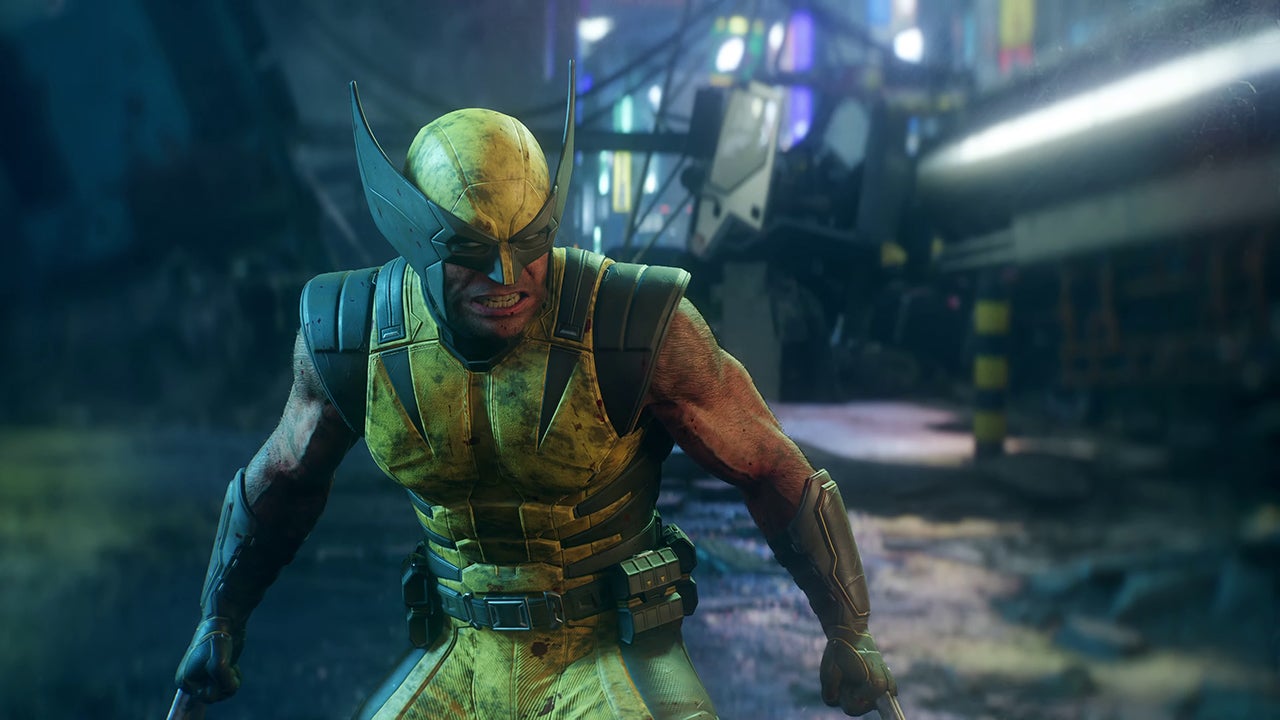

Insomniac already knows how to make a superhero game feel fast.
Marvel’s Spider-Man proved that.
But Wolverine doesn't need to be fast in the same way.
He needs to feel dangerous.
With Marvel’s Wolverine targeting a September 15 release, the biggest question isn't whether Insomniac can make another great superhero action game. The real question is whether the studio can break away from the formula that worked so well for Spider-Man.
Early hands-on impressions suggest the answer could be yes.
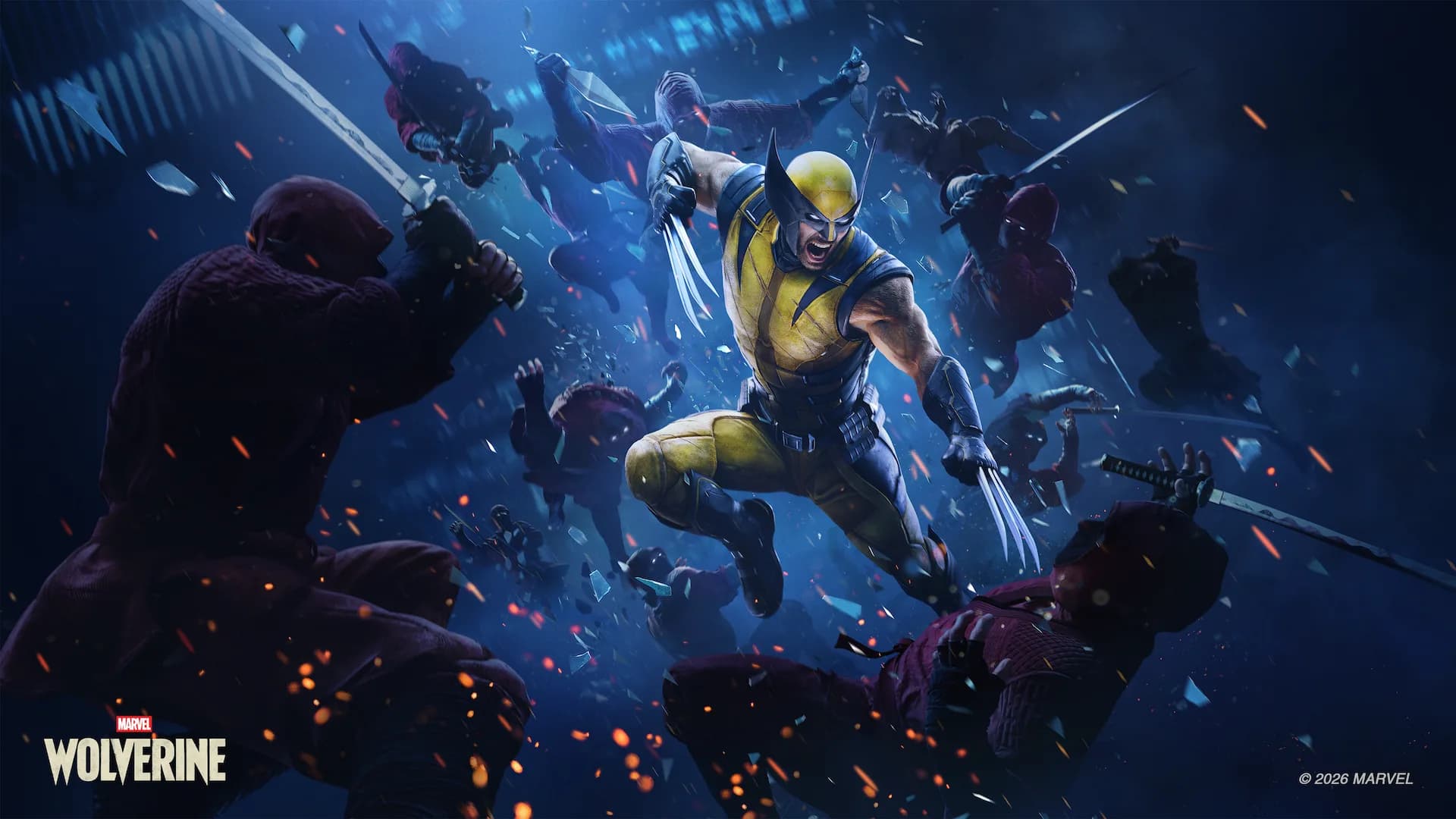
Instead of swinging through New York and bouncing between enemies with acrobatic precision, Wolverine is built around weight, aggression, close-quarters violence, and a much more brutal M-rated tone.
And that could make it one of Insomniac's most interesting projects yet.
Wolverine Isn't Spider-Man With Claws
The easiest mistake would be to think of Marvel's Wolverine as Spider-Man with a different protagonist.
The games share the same developer, but Wolverine demands a completely different combat philosophy.
Spider-Man is about momentum.
Wolverine is about impact.
Peter Parker can dodge across an arena, launch enemies into the air, web them to walls and move effortlessly between targets.
Logan should feel like he's walking directly into the danger.
That difference appears to be at the heart of Insomniac's approach.
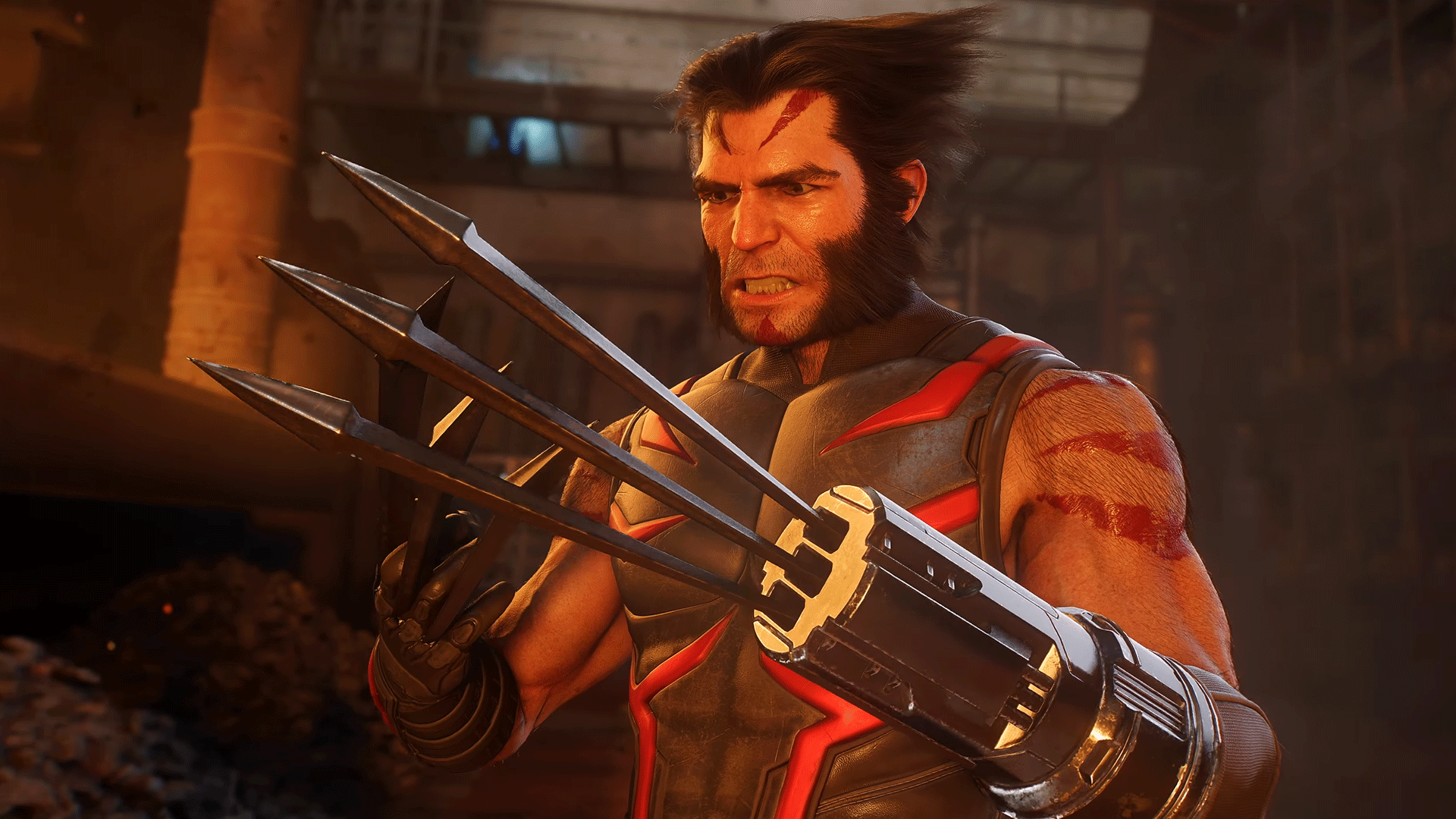
Wolverine's claws aren't just another weapon added to an existing superhero combat system. They fundamentally change what an encounter can look like.
Instead of carefully controlling a crowd from a distance, players are encouraged to get close, absorb punishment and tear through opponents before moving on to the next target.
That sounds simple.
It isn't.
Making heavy combat feel responsive without making it feel weightless is one of the hardest problems in action games.
Insomniac appears to be taking that challenge seriously.
The M Rating Changes Everything
The most obvious difference is the rating.
Spider-Man's combat could be spectacular, but it generally maintained the tone expected from a mainstream superhero adventure.
Wolverine doesn't have that restriction.
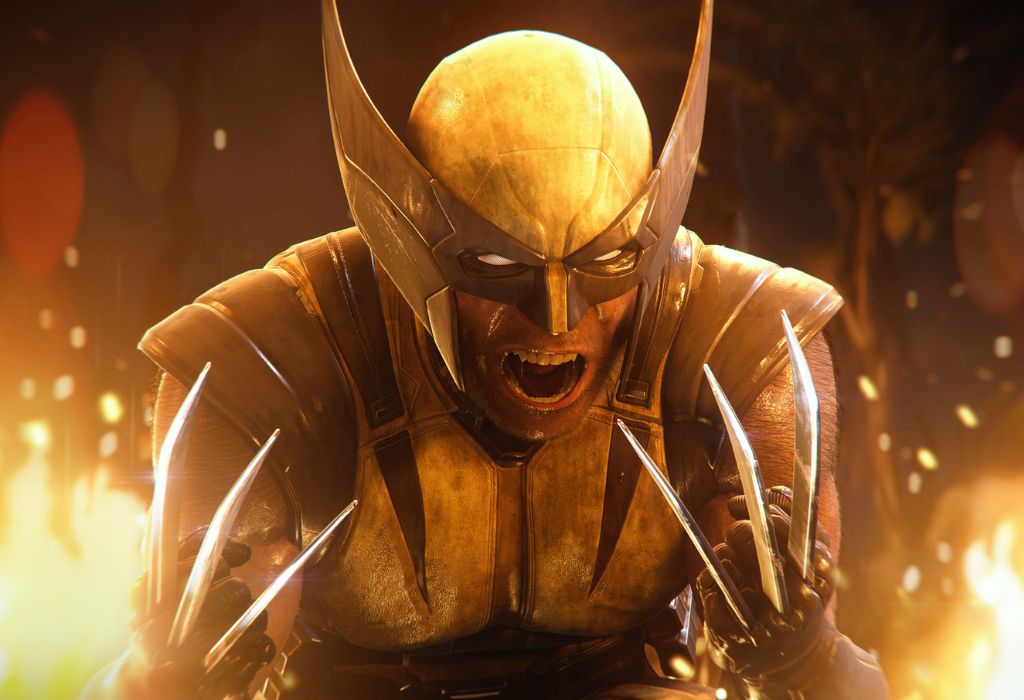
An M-rated game gives Insomniac considerably more room to explore violence, blood, injuries and the consequences of Wolverine's claws.
That doesn't necessarily mean every fight needs to become a gore festival.
In fact, the more interesting possibility is restraint.
When Wolverine finally uses his claws, the attack should feel meaningful.
A normal punch can be satisfying.
A claw strike should feel like something completely different.
That distinction could give the combat encounters a rhythm that Spider-Man never needed.
You aren't simply asking:
“How do I defeat this enemy?”
You're asking:
“How much damage can Logan take while getting close enough to finish them?”
That's a much more aggressive fantasy.
Healing Is Part of the Combat Identity
Wolverine has one ability that fundamentally changes how he approaches a fight: regeneration.
Spider-Man has to avoid damage.
Wolverine can take it.
That's an enormous mechanical difference.
If Insomniac uses Logan's healing factor properly, combat could become a calculated risk rather than a traditional health-management system.
You might deliberately push deeper into an enemy group because you know Wolverine can survive a few hits.
You might trade damage for an opening.
You might ignore a smaller enemy while focusing on a bigger threat.
And when Logan's healing kicks in, the visual feedback can reinforce the character fantasy in a way that a simple health bar never could.
The important balancing act will be making regeneration powerful without making it trivial.
If Wolverine can simply absorb unlimited punishment, combat loses tension.
But if Insomniac makes damage matter while allowing Logan to recover from it, the healing factor could become one of the game's most distinctive mechanics.
The Combat Looks Heavier Than Spider-Man
This is where the difference between the two games becomes particularly interesting.
Spider-Man's attacks are designed around flow.
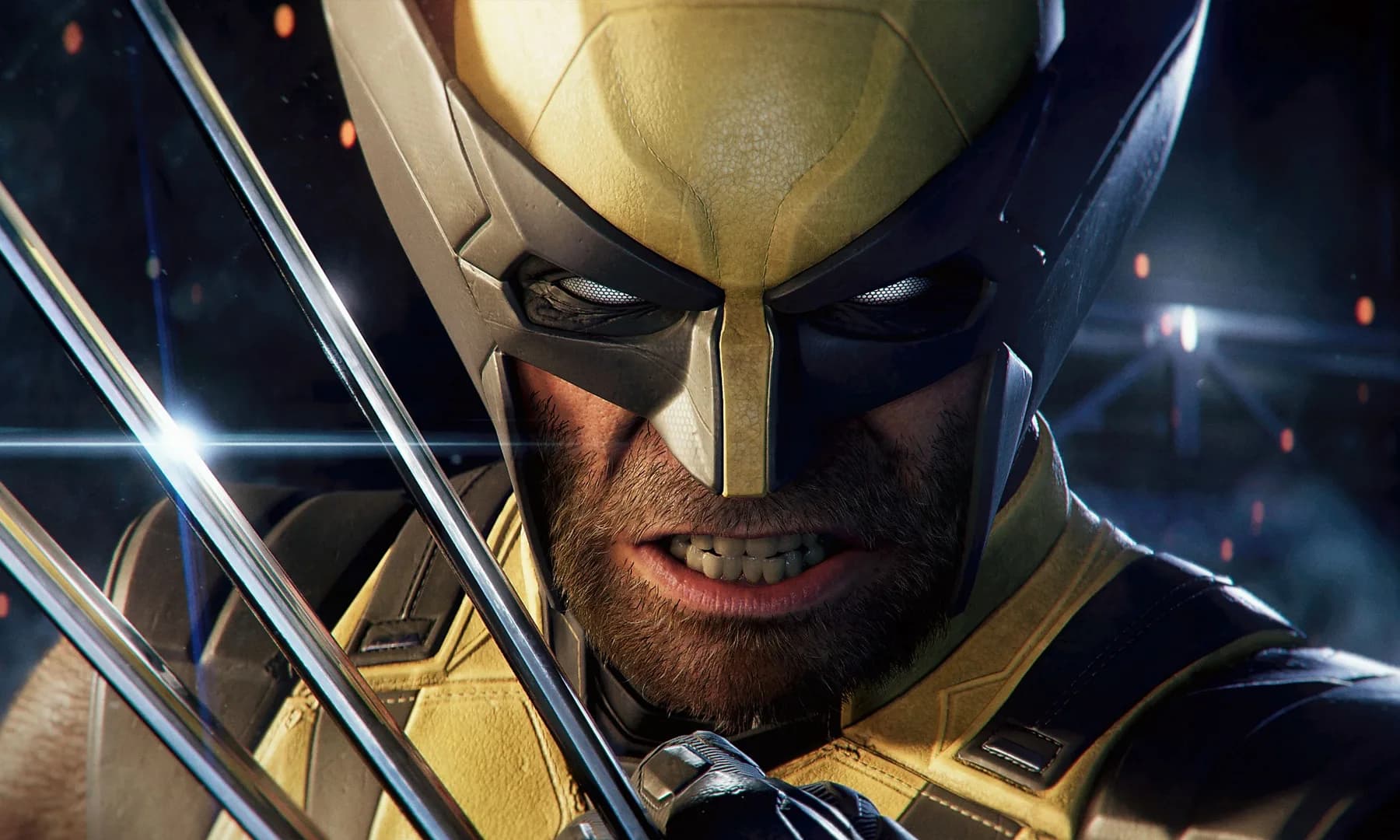
Wolverine's should be designed around force.
His movement doesn't need to be elegant.
It needs to communicate that Logan is constantly one step away from losing control.
Expect more close-range attacks, lunges, counters and claw-based combos instead of Spider-Man's aerial juggling and web-assisted movement.
That doesn't mean Wolverine's combat will be slow.
Quite the opposite.
A good Wolverine combat system can be extremely fast while still feeling heavy.
Think short bursts of violence rather than continuous acrobatics.
A dash toward an enemy.
A quick slash.
A brutal counter.
A moment of recovery.
Then another attack.
The player should always feel like there's physical weight behind Logan's actions.
That's the biggest opportunity Insomniac has.
Finishers Could Become the Signature
Every modern superhero action game needs moments that make players stop and say, “Okay, that was awesome.”
For Wolverine, those moments are almost certainly going to come from his finishers.
The M rating allows Insomniac to make these encounters considerably more visceral than anything seen in the Spider-Man games.
But finishers shouldn't just be spectacle.
They can also function as punctuation.
A long fight builds tension.
Wolverine gets surrounded.
The player finds an opening.
Then Logan closes the distance and ends the fight with a brutal claw attack.
That's a very different fantasy from watching Spider-Man elegantly web an enemy to a nearby wall.
Neither is necessarily better.
They're simply designed around different characters.
And that's exactly what this game needs.
The Spider-Man Engine Isn't the Whole Story
One of the biggest questions surrounding Marvel's Wolverine has been how much of Insomniac's existing technology carries over from Spider-Man.
It's natural to expect shared foundations.
Both games are third-person action titles. Both need responsive movement, cinematic animations, enemy AI and large environments.
But technology doesn't dictate design.
The same underlying engine can produce dramatically different gameplay.
Think of it like this:
Spider-Man uses Insomniac's technology to create freedom.
Wolverine can use that same technology to create physicality.
That's a crucial distinction.
Spider-Man's traversal system needs to make the player feel like they can move anywhere.
Wolverine's combat needs to make every movement feel deliberate.
If Insomniac succeeds, players shouldn't spend their time thinking about the Spider-Man engine underneath the game.
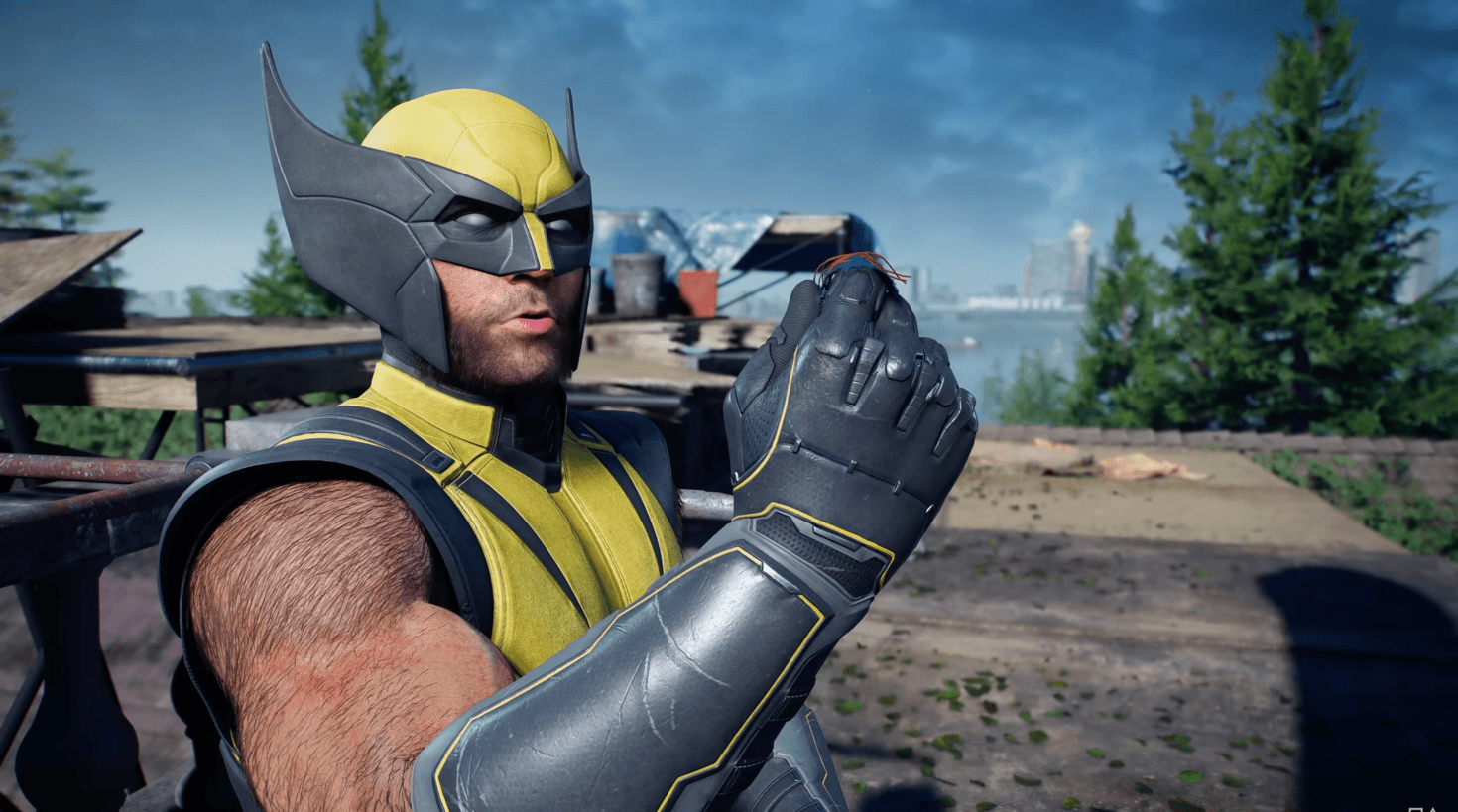
They should feel like they're controlling Logan.
A Different Kind of Open World
There's also the question of exploration.
Spider-Man's New York is practically a character itself. Swinging through the city is one of the central pleasures of the game.
Wolverine doesn't have that luxury.
Logan isn't going to swing between skyscrapers.
That means Insomniac has to make exploration interesting in another way.
A more grounded environment could encourage players to explore at street level, move through interiors, investigate smaller locations and discover encounters organically.
That could make the world feel less like a giant traversal playground and more like a collection of places where Wolverine's story actually happens.
And honestly, that's probably a good thing.
Trying to replicate Spider-Man's massive traversal experience would undermine what makes Wolverine interesting.
Why September 15 Matters
The September 15 release date puts Marvel's Wolverine in an interesting position.
The superhero gaming market has already been heavily shaped by Insomniac's Spider-Man games, along with major releases from other studios.
Wolverine has the opportunity to demonstrate that superhero games don't need to follow one formula.
A superhero doesn't necessarily need a huge traversal system.
They don't need flashy aerial combat.
They don't need to be endlessly optimistic.
Sometimes the appeal is much simpler:
You're Wolverine.
You have claws.
You heal.
And when somebody starts a fight, things are going to get ugly.
That simplicity could be the game's greatest strength.
What Could Go Wrong?
Of course, the M rating and brutal combat aren't automatically enough to make the game great.
There are some obvious risks.
If every encounter relies on the same claw animations, the novelty could wear off quickly.
If regeneration removes too much danger, combat could become repetitive.
If the game borrows too heavily from Spider-Man's mission structure, Wolverine could start feeling like a reskinned version of an existing formula.
And if the violence exists purely for shock value, it could clash with the character-driven storytelling Wolverine requires.
Insomniac therefore has to strike a careful balance.
The goal isn't to make Wolverine more violent than Spider-Man.
The goal is to make Wolverine's violence meaningful to how the game plays.
Why This Could Be Insomniac's Boldest Marvel Game
That's ultimately what makes Marvel's Wolverine so interesting.
Insomniac doesn't need to prove that it can make a superhero game.
It already did.
Twice.
Now it needs to prove that it can make a superhero game that doesn't feel like another Spider-Man.
Everything about Wolverine points toward a different design philosophy:
- Spider-Man: Speed and mobility.
- Wolverine: Weight and aggression.
- Spider-Man: Avoid damage.
- Wolverine: Survive it.
- Spider-Man: Webs and gadgets.
- Wolverine: Claws and regeneration.
- Spider-Man: Acrobatic crowd control.
- Wolverine: Close-range brutality.
Those differences are more important than any shared technology.
And if Insomniac manages to make each hit, dodge and claw strike feel uniquely Logan, it won't matter whether the games share technical DNA.
Players will know the difference immediately.
What Happens Next?
The real test comes on September 15.
That's when the systems we've seen and heard about have to work together as a complete experience.
The combat needs enough variety to remain engaging.
The healing system needs meaningful balance.
The M-rated presentation needs to serve the gameplay rather than simply decorate it.
And most importantly, Wolverine needs an identity of his own.
If Insomniac gets those pieces right, Marvel's Wolverine could do something surprisingly important for superhero games.
It could prove that the genre doesn't need to keep getting bigger.
It simply needs to get different.
🎮 The Bottom Line
Marvel's Wolverine doesn't need to beat Spider-Man at being Spider-Man.
That would completely miss the point.
The exciting possibility is that Insomniac is building something much more brutal, grounded and aggressive, a superhero game where getting hit isn't necessarily failure, where healing is part of the strategy, and where every claw strike carries genuine weight.
The M rating isn't interesting because it allows more blood.
It's interesting because it gives Insomniac room to build a combat system that actually feels like Wolverine.
September 15 could therefore be more than another major superhero release.
It could be the moment Insomniac proves that its Marvel formula has room for something much darker.
Spider-Man taught us how to move like a superhero. Wolverine might teach us how to fight like one.
What do you think? Are you more excited for Wolverine's brutal combat than another Spider-Man-style experience, or do you think Insomniac still has something to prove? Let us know in the comments.
Comments
Sign in to join the conversation
Sign inNo comments yet
Be the first to share your thoughts!