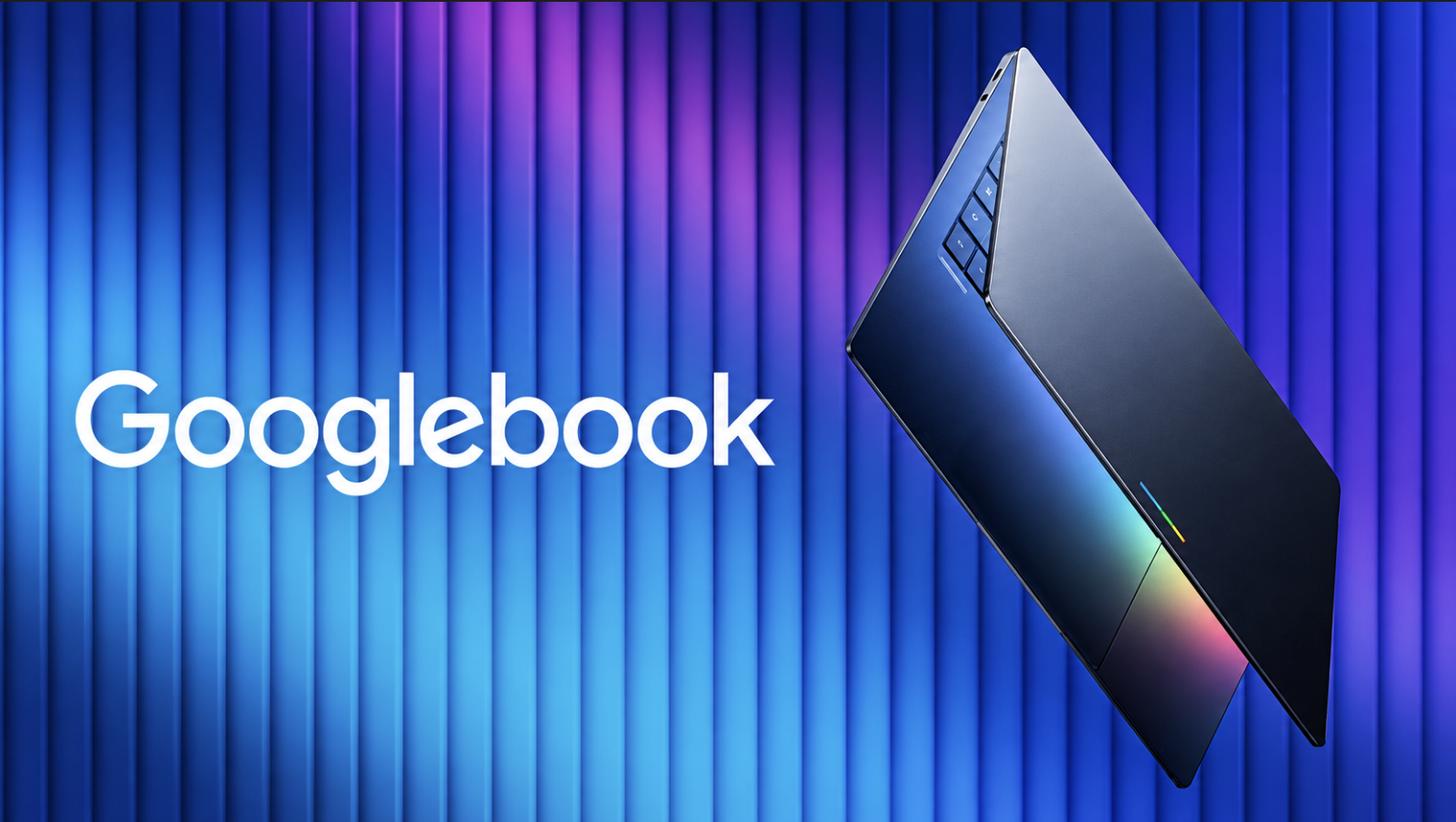

The $899 Googlebook: Why Google's Gemini-Powered Laptop Is a Direct Threat
Google has tried this before.
Pixelbook in 2017. Pixelbook Go in 2019. Both interesting. Neither one changed how people think about laptops.
This time feels different, because Google isn't leading with hardware specs.
It's leading with Gemini, baked directly into the cursor, the dictation tool, and the desktop itself.
What Happened
Google opened preorders for Googlebook on Monday, September 21, 2026, at 9 a.m. ET.
Note: Starting price is $899. Devices ship October 4 in the US, and October 5 in Canada, the UK, Ireland, France, Germany, and Australia.
The core launch details:
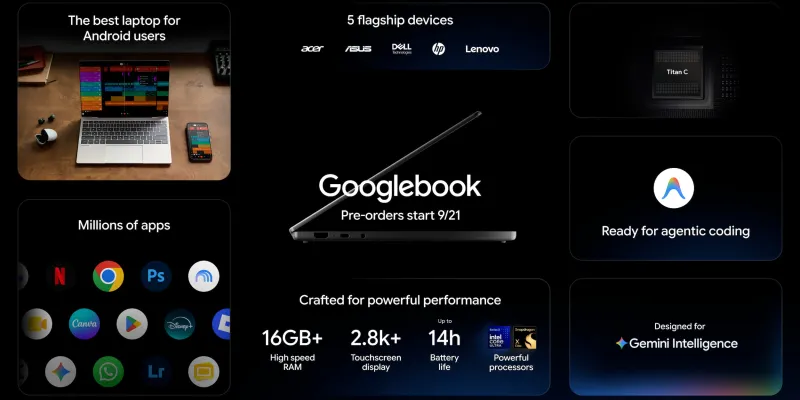
- Five OEM partners at launch: Acer, ASUS, Dell, HP, and Lenovo
- Choice of Intel Core Ultra Series 3 or Qualcomm Snapdragon X Elite processors, paired with NPUs for AI features
- Up to 14 hours of battery life
- Runs on a new platform called AluminiumOS, built on the Android technology stack with ChromeOS desktop foundations
- Bundled with 12 months of Google AI Pro (5TB cloud storage, Gemini Advanced tools), plus 3 months of YouTube Premium, 3 months of Adobe Photoshop, and a year of GeForce NOW
- Up to 10 years of software updates
According to TechCrunch's coverage of the launch, Google first unveiled the Googlebook concept back in May, positioning it as a step up from traditional Chromebooks rather than a replacement for them.
How Googlebook Actually Uses Gemini
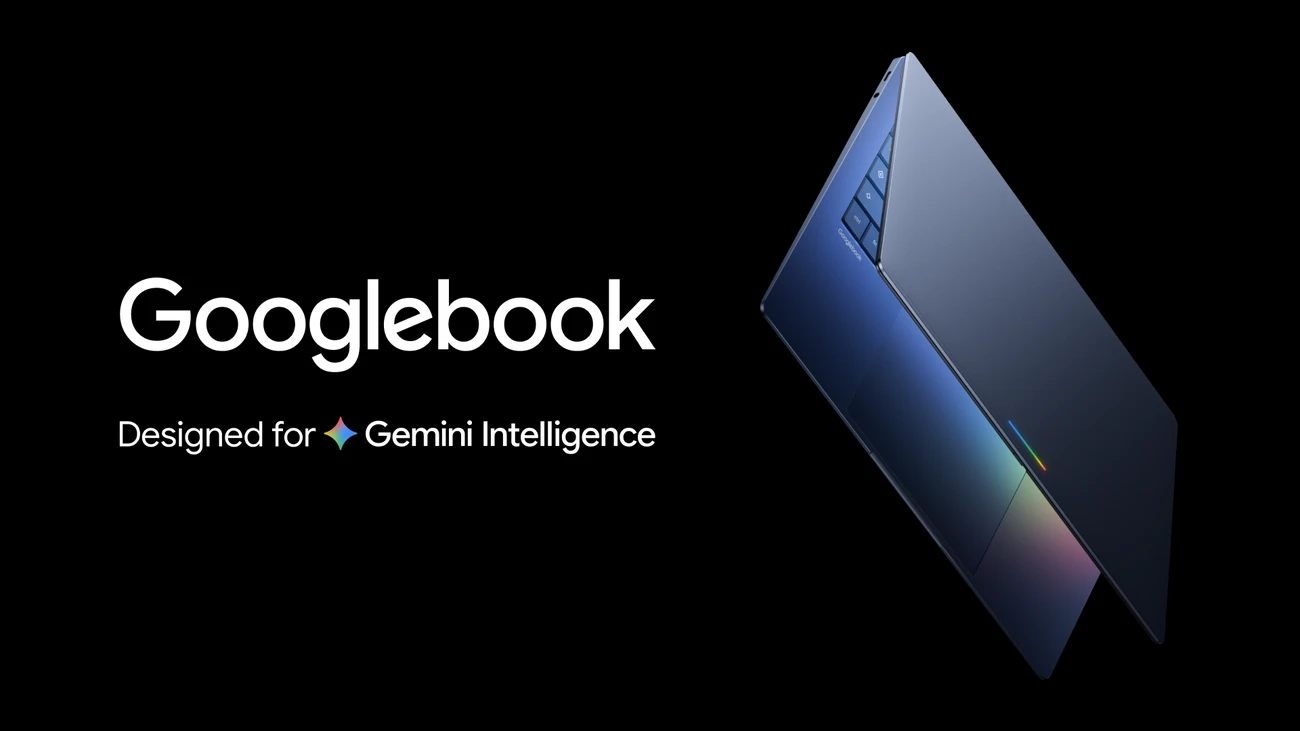
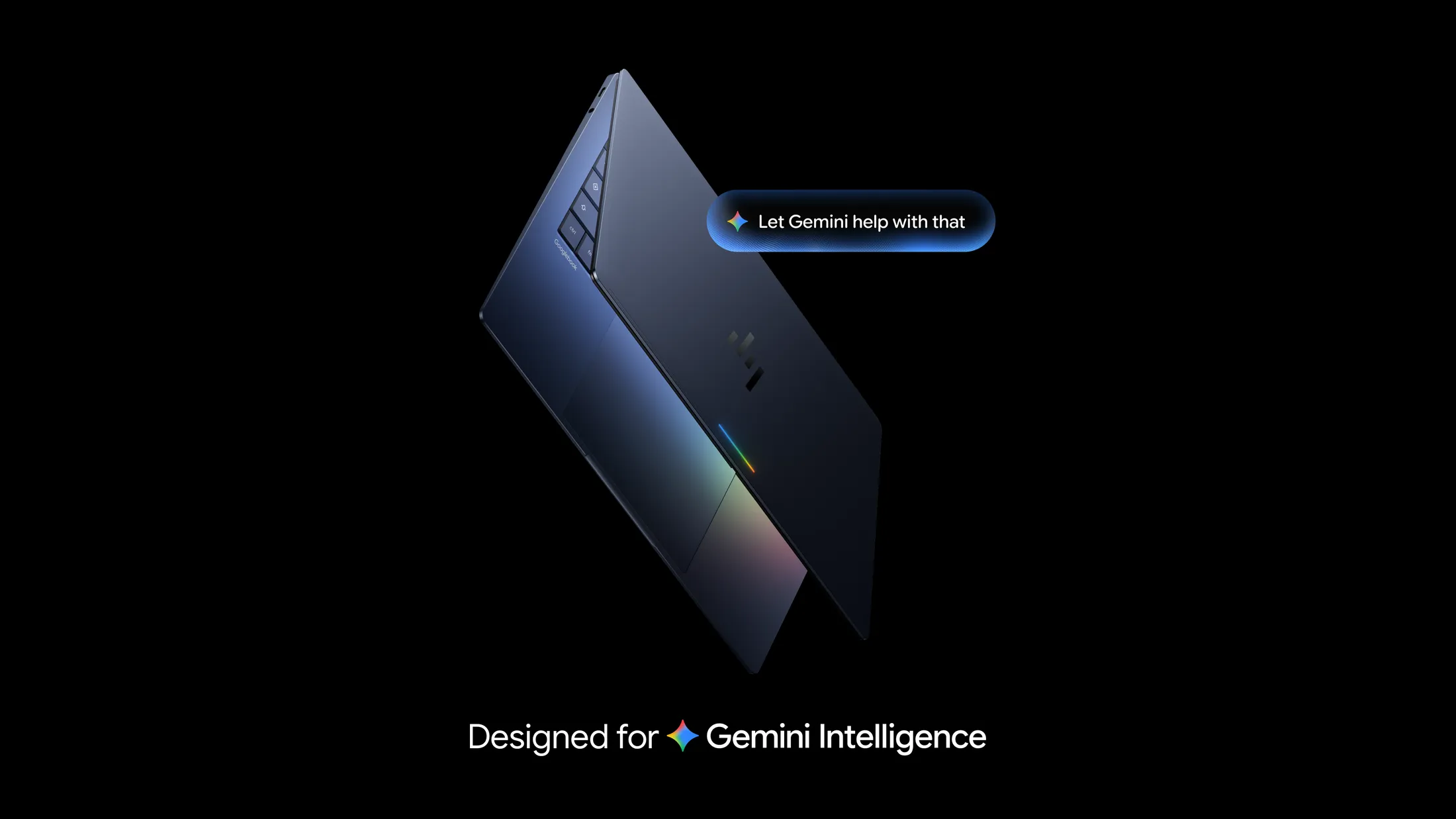
This isn't Gemini bolted onto an existing laptop as an app.
It's built into core interactions across the device.
The headline features:
- Magic Pointer (Magic Cursor), an AI-powered cursor that acts as a direct conduit to Gemini across the OS
- Rambler, an AI dictation tool that takes messy, rambling voice notes and cleans them into readable text
- Vibe-coded widgets, desktop widgets generated through Gemini rather than built manually
- Gemini Spark and Gemini Live, extending conversational and generative AI tools directly into the desktop environment
Phone continuity is a major piece of the pitch too. A feature called Continue On lets you start a task on your Android phone and pick it up instantly on the laptop, while a built-in Files app lets you browse and open phone files directly from the desktop, no emailing attachments to yourself required.
Important: These continuity features specifically favor Android users. iPhone users can still use a Googlebook, but the tightest integration is reserved for Google's own phone ecosystem.
How Googlebook Stacks Up Against the Competition
The timing of this launch isn't a coincidence.
Apple recently pushed into the same price territory with its own budget-friendly laptop, and Copilot+ PCs have spent the past two years building out Windows' own AI-laptop category.
| Feature | Googlebook | Apple MacBook Neo | Typical Copilot+ PC |
|---|---|---|---|
| Starting price | $899 | $699 | Varies, often $999+ |
| Core AI assistant | Gemini, built into cursor, dictation, widgets | Apple Intelligence | Microsoft Copilot |
| OS foundation | AluminiumOS (Android + ChromeOS base) | macOS | Windows 11 |
| Phone integration | Deep, Android-first (Continue On, Files) | Deep, iPhone-first | Limited, phone-agnostic |
| Bundled software value | 12mo AI Pro, YouTube Premium, Photoshop, GeForce NOW | Varies by model | Varies by OEM |
According to Reuters' report on the launch, the launch comes as Apple pushes deeper into lower-priced laptops with its $699 MacBook Neo, adding real competition in a segment Chromebook makers have long owned through affordability alone.
Googlebook doesn't try to win on price.
It's positioned above budget Chromebooks and competitive with mid-range Copilot+ machines, betting that Gemini's integration depth justifies the jump.
Why This Matters Beyond One Product Launch
The real story here isn't the hardware. It's the installed base Google is trying to convert.
Roughly 50 million Chromebooks currently sit in classrooms alone, a massive existing user base Google now has a direct upgrade path toward, without asking anyone to leave the ecosystem they already know.
That's a different strategy than a typical premium laptop launch.
Google isn't just trying to win new customers away from Apple or Windows PCs.
It's trying to give its existing Chromebook base, students, schools, budget-conscious buyers, a reason to spend more within a system they already trust, specifically because Gemini is the upgrade, not just faster hardware.
The subscription bundle reinforces this. Twelve months of Google AI Pro alone is normally worth roughly $240 at standard pricing, which meaningfully softens the jump from budget Chromebook pricing to a $899 starting point.
What Happens Next?
A few concrete things worth watching as Googlebook reaches actual buyers:
- Whether Magic Pointer and Gemini's on-device features perform well enough in daily use to justify the premium over a standard Chromebook
- How existing Chromebook owners respond to the "step up" positioning, and whether meaningful numbers actually upgrade
- Whether Apple or Microsoft respond directly to Googlebook's pricing and AI-first framing in upcoming hardware cycles
- How iPhone users experience the platform, given the tightest integration features are built specifically for Android
The Bottom Line
Google has launched ambitious laptops before and watched them fade into hardware trivia.
Googlebook is a different kind of bet. Instead of competing purely on specs or price, it's using Gemini as the actual product differentiator, then wrapping a substantial software bundle around it to make the price jump easier to justify.
Whether that's enough to genuinely threaten Apple and Microsoft's AI-laptop ambitions gets tested fast. Devices ship in under two weeks, and the real verdict won't come from spec sheets, it'll come from whether Gemini feels essential enough, day to day, for people to pay for it.
FAQ
When do Googlebook preorders open and when does it ship?
Preorders opened September 21, 2026. Devices ship October 4 in the US, and October 5 in Canada, the UK, Ireland, France, Germany, and Australia.
How much does the Googlebook cost?
Starting price is $899, which includes 12 months of Google AI Pro, 3 months of YouTube Premium, 3 months of Adobe Photoshop, and a year of GeForce NOW.
What operating system does Googlebook run?
It runs on AluminiumOS, a new platform built on the Android technology stack with ChromeOS desktop foundations, including a desktop version of the Chrome browser.
Which companies are making Googlebook laptops?
At launch, five OEM partners are building Googlebook devices: Acer, ASUS, Dell, HP, and Lenovo.
Does Googlebook work well with iPhones?
You can use a Googlebook with an iPhone, but its deepest integration features, like Continue On and the Files app, are built specifically for Android devices.