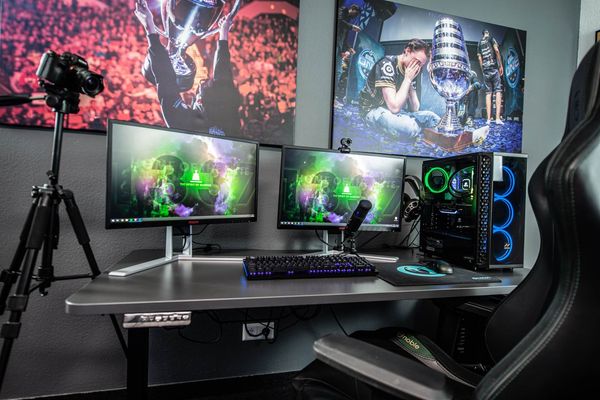

A song doesn't always need a record label anymore.
Sometimes, it just needs a streamer.
One funny gaming moment.
One perfectly timed chorus.
One viral clip.
And suddenly, a song that barely anyone knew yesterday is playing across TikTok, YouTube Shorts, Discord servers, gaming streams and social media feeds.
That is the strange new relationship between gaming livestreams and the music industry. 🎧
For years, musicians relied on radio stations, music videos, playlists and traditional promotion to push songs toward mainstream audiences.
Now, a streamer playing a game can accidentally become part of a song's marketing campaign.
And sometimes, the audience does the marketing for free.
🎵 The Stream Is the New Music Discovery Machine
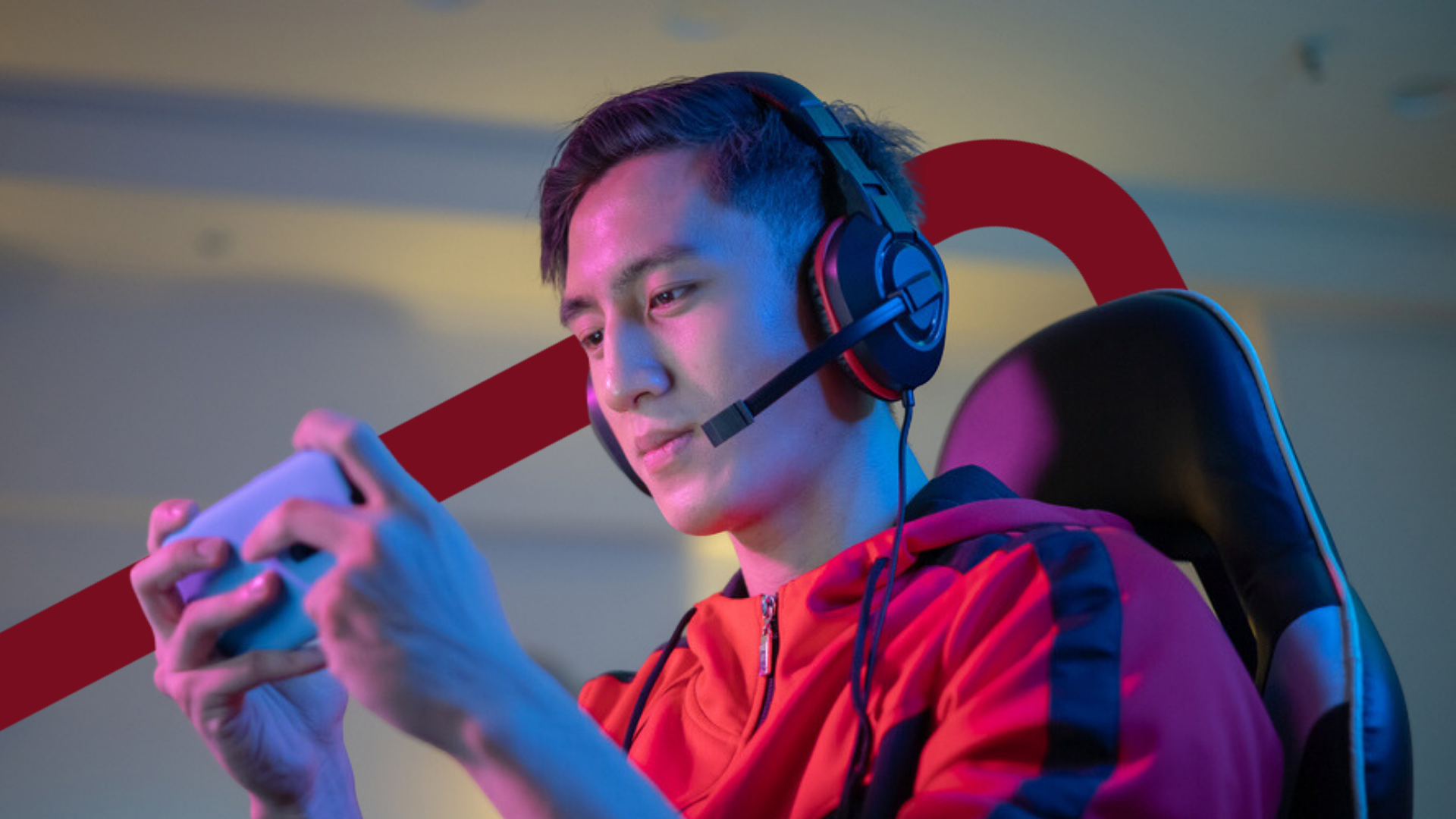
Think about how people discover music today.
It might happen while watching a Twitch stream.
It might happen through a funny YouTube gaming clip.
Or it could be a song repeatedly playing underneath TikTok videos created by gaming communities.
The important part is that people aren't necessarily searching for new music.
They're discovering it while doing something else.
That makes livestreaming particularly powerful.
A streamer can play the same track repeatedly during a gaming session. Their audience hears it, associates it with a funny moment, and eventually starts using it themselves.
Suddenly, the song isn't just a song.
It's part of the meme.
😂 Memes Can Do What Traditional Promotion Can't
Music has always benefited from memorable moments.
But gaming communities can turn those moments into entire ecosystems.
Imagine a streamer losing an important match while a dramatic song plays in the background.
Someone clips it.
Another viewer adds subtitles.
Someone else turns it into a TikTok.
Then another creator uses the same audio for a completely different joke.
Within days, the song has become recognizable because of the moment surrounding it.
🔥 That's the secret.
People may not remember where they first heard the track.
They remember the meme.
They remember the streamer.
They remember the ridiculous gaming moment.
And that emotional association can make them search for the song later.
📈 Why Streamers Have Become Unexpected Music Promoters
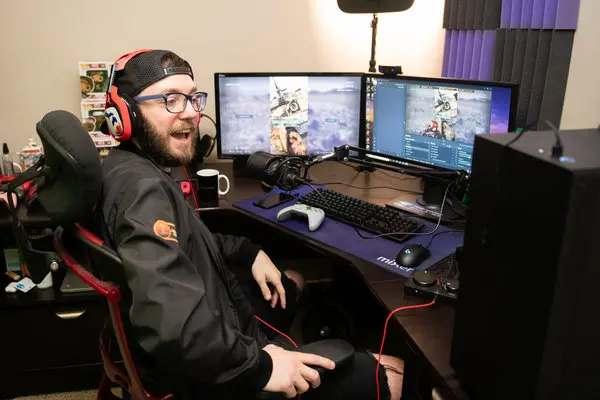
Traditional music promotion is often designed around controlled campaigns.
Gaming livestreams are different.
They're unpredictable.
A streamer might discover a song during a late-night session and suddenly play it for thousands of viewers.
Their audience then reacts instantly.
Some viewers search for the track.
Others post clips.
Others add it to playlists.
And some begin using it in their own content.
That creates a powerful cycle:
Streamer → Audience → Clip → Meme → Short-form video → New listeners → More streams 🔄
The streamer doesn't necessarily need to tell anyone to listen.
The community does it naturally.
That's a major difference between traditional advertising and creator-driven discovery.
🎮 Gaming Communities Are Already Built for Virality
Gaming has an advantage that many other entertainment categories don't.
Its communities are incredibly active.
A single game can have:
- 🎥 Thousands of daily livestreams
- 📱 Constant short-form clips
- 💬 Massive Discord communities
- 😂 Endless memes
- 🔴 Live reactions
- 🎵 User-generated edits
That means a song can move through multiple platforms without needing a traditional marketing campaign at every stage.
A track heard on a stream can appear on a TikTok.
That TikTok can become a YouTube Short.
The Short can send people back to the original stream.
And the entire process can repeat.
The audience becomes the distribution network.
🎧 Why Gaming Clips Are Perfect for Songs
There's another reason music and gaming work so well together.
Gaming produces moments.
A clutch victory.
A ridiculous fail.
A dramatic comeback.
A rage quit.
A hilarious interaction.
A streamer reacting to something completely unexpected.
All of these moments need emotional context.
Music provides it.
⚡ A bass drop can make a gaming victory feel bigger.
😂 A goofy song can make a fail funnier.
🔥 A dramatic track can turn an ordinary clip into something cinematic.
Once viewers associate a particular song with a particular type of gaming moment, the track can develop an identity of its own.
That's incredibly valuable.
🌐 Discord Turns Music Virality Into Community Culture
Platforms such as TikTok and YouTube can make something viral.
Discord can help keep it alive.
A song that becomes popular inside a gaming community can continue circulating through server playlists, voice chats, memes and community events.
Someone posts the track.
Someone asks for its name.
Another member shares the remix.
A creator uses it during a community stream.
And suddenly the song becomes part of the group's shared culture.
💬 This is where gaming communities become especially interesting for musicians.
The audience isn't just consuming the music.
They're talking about it, remixing it and attaching memories to it.
🚀 The Rise of Creator-Driven Music Discovery
The bigger story isn't really about streamers replacing record labels.
It's about who controls attention.
A record label can spend heavily promoting a song.
But a creator with a deeply engaged community can introduce that same song in a much more personal environment.
The audience trusts the creator.
They know their sense of humor.
They understand their references.
So when a song repeatedly appears in that creator's content, it doesn't feel exactly like an advertisement.
It feels like part of the creator's world.
That distinction can be incredibly powerful.
💡 Why This Matters for the Music Industry
The music industry has spent decades trying to predict what will become popular.
Gaming communities make that prediction even harder.
A song doesn't necessarily need to fit neatly into a traditional genre or radio format.
It needs to work inside culture.
Can it become a meme?
Does the chorus hit immediately?
Can it fit a 15-second clip?
Does it make a funny moment funnier?
Can creators use it repeatedly without audiences getting bored?
These questions are becoming increasingly important.
The next breakout song might not begin with a massive advertising campaign.
It might begin with a streamer pressing play.
👀 What Happens Next?
Expect the relationship between gaming creators and musicians to become even more deliberate.
Artists will increasingly work directly with streamers.
Creators may premiere songs during livestreams.
Gaming organizations could collaborate with musicians for events and original tracks.
And music labels will continue looking at creator communities as potential launchpads for new releases.
We could also see more songs created specifically with livestream culture in mind.
Short intros.
Instantly recognizable hooks.
Memorable drops.
Lyrics that work as memes.
🎯 In other words, songs may increasingly be designed not only to be listened to — but to be used.
And that's a major shift.
🎮🎵 The Bottom Line
Gaming livestreams aren't just entertainment platforms anymore.
They're becoming music discovery engines.
A streamer can introduce a track. A community can turn it into a meme. Short-form creators can amplify it. Discord communities can keep it circulating.
And somewhere along that journey, a song that nobody knew yesterday can become impossible to escape.
The music industry used to ask:
"How do we get people to listen to this song?"
Now, the more interesting question might be:
"How do we get people to turn this song into a moment?" 🔥
Because in the creator era, the next chart-topper might not be manufactured in a recording studio.
It might be manufactured by thousands of gamers laughing at the same clip.
What do you think? 🎧 Have gaming streamers become one of the most powerful new forces in music discovery, or will traditional music promotion always have the bigger influence? Let us know in the comments.
Comments
Sign in to join the conversation
Sign inNo comments yet
Be the first to share your thoughts!