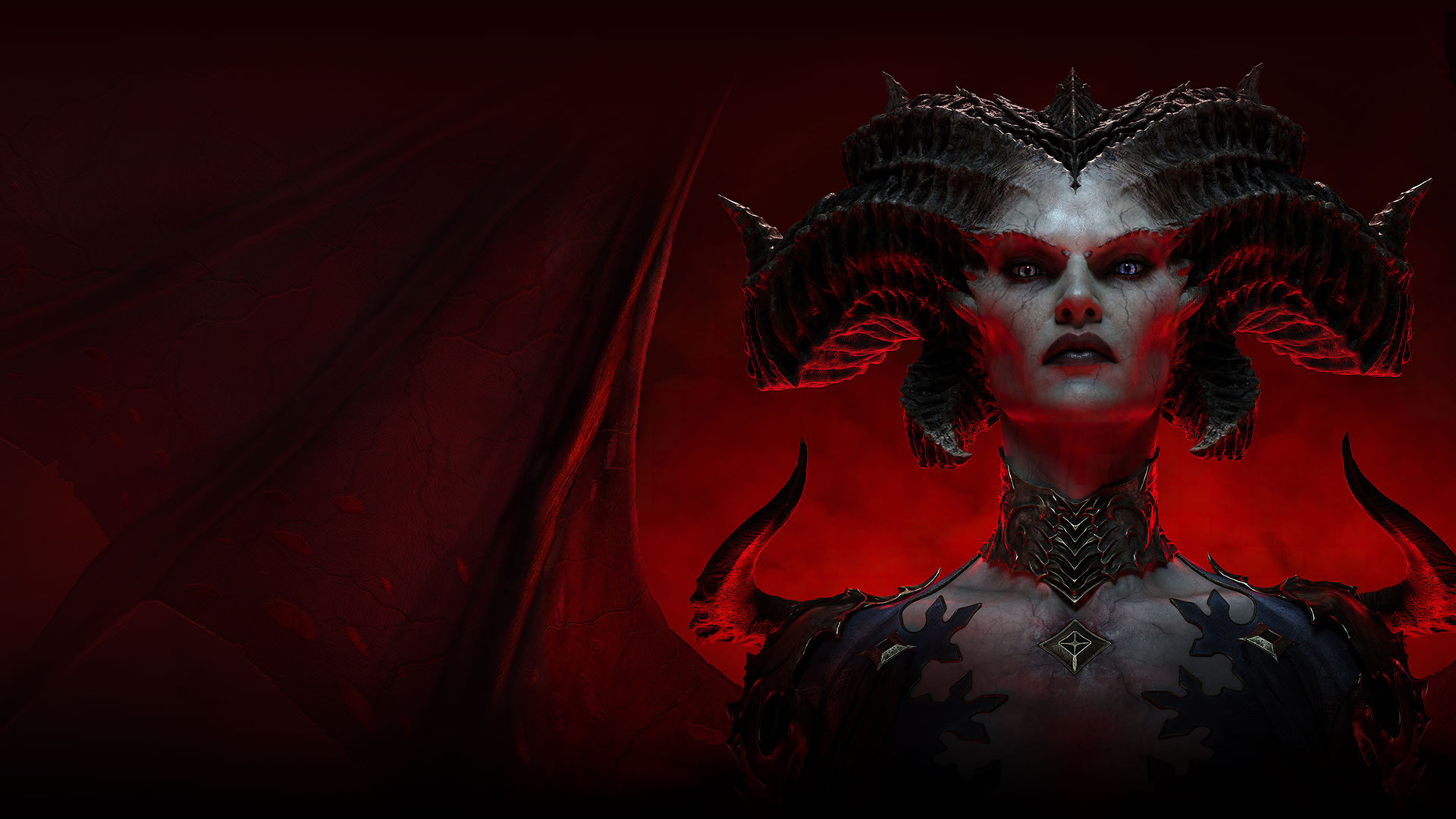

The Dressmaking Sim That Just Dethroned Diablo 4 on Steam
Steam's latest surprise hit isn't a massive RPG, a multiplayer shooter or a major AAA sequel. It's a game about making dresses.
That is the strange reality of this week's Steam charts.
Dressmaker, a cozy crafting and simulation game from indie studio Cozy Lives, has suddenly exploded after its September 21 launch. Within roughly a day, the game had climbed into Steam's global top sellers and was sitting above major releases including Diablo IV and Control Resonant. GamesRadar reported Dressmaker at number nine on Steam's global top sellers while highlighting its 96 percent positive review rate.
For a game that sounds as simple as choosing fabric, cutting patterns and sewing clothes, that is an unexpectedly big breakthrough.
And the more you look at Dressmaker, the easier it becomes to understand why players are suddenly obsessed with it.
🧵 What Exactly Is Dressmaker?
The concept is almost absurdly straightforward.
You play as a dressmaker running a small boutique.
Customers arrive with requests, and your job is to turn those requests into actual clothing.
You choose the fabric.
You select a pattern.
You cut the material.
You sew everything together.
Then you add buttons, bows, trims and other accessories before delivering the finished outfit.
The official Dressmaker Steam page describes it as a cozy crafting game inspired by real dressmaking, with players able to satisfy or even sabotage the townsfolk who come into their shop.
That last part is important.
Dressmaker isn't simply a digital sewing tutorial.
There is a playful simulation underneath the relaxing presentation.
You can follow what customers ask for, experiment with designs or deliberately create something completely different.
That combination gives the game more personality than its simple premise suggests.
📈 From Tiny Indie Game to Steam Chart Surprise
The biggest story isn't simply that Dressmaker received positive reviews.
Plenty of indie games receive good reviews.
The unusual part is how quickly players started buying it.
GamesRadar reported that Dressmaker reached number nine on Steam's global top sellers, putting it above games such as Diablo IV and Control Resonant at the time of its surge.
Dot Esports similarly reported that the game climbed to ninth place and passed major releases including EA Sports FC 27 and Overwatch.
Steam's own store page currently shows an Overwhelmingly Positive rating, with 96 percent of more than 887 user reviews positive at the time of reporting.
That is an extraordinary early response for a brand new indie simulation game.
And the player numbers tell another part of the story.
SteamDB recorded an all time peak of 11,668 concurrent players on September 22, while its current data also showed Dressmaker maintaining a strong position among Steam's active and selling games.
For a small dressmaking simulator, those numbers are anything but ordinary.
💗 Why Are Players Loving It So Much?
The obvious answer is that Dressmaker found a very specific audience.
Cozy games have become a major part of PC gaming over the last few years.
Players who enjoy games such as The Sims, Animal Crossing, Stardew Valley and other life simulation experiences aren't necessarily looking for combat or enormous open worlds.
Sometimes they just want to make something.
Dressmaker takes that idea and turns it into the entire game.
Instead of dressing a character in clothes someone else created, you actually make the clothes yourself.
That distinction is surprisingly powerful.
You don't simply choose a red dress from a menu.
You decide which fabric to use.
You decide how the pattern should look.
You work through the construction process.
Then you see the finished result.
The game gives players a feeling of creation rather than simple customization.
🎨 The Details Are Doing the Heavy Lifting

A big part of Dressmaker's appeal appears to come from the amount of detail involved in its crafting system.
Players can experiment with fabrics, patterns and accessories while gradually unlocking more options.
That creates a natural loop:
Choose Material → Create Pattern → Cut Fabric → Sew → Customize → Deliver → Unlock More
It is simple enough to understand immediately.
But there are enough decisions inside the process to make each outfit feel like the player's own creation.
Sims Community reported that early players praised the detailed sewing mechanics, large number of customization options and the game's sewing assistance system.
That accessibility is important too.
A game based around sewing could easily become frustrating if every action demanded perfect timing or precise mouse control.
Instead, Dressmaker gives players assistance without completely removing the crafting process.
That makes it easier for newcomers to enjoy without making experienced players feel like everything is automated.
🧠 The Prototype May Have Helped Create the Hype
Dressmaker didn't appear from nowhere.
The project had already attracted attention through a free prototype before its full release.
That meant some players were already familiar with the concept before September 21.
When the full version finally arrived, those early fans had somewhere to go.
The result was a launch that combined existing interest with the natural appeal of a highly unusual indie game.
Sims Community reported that the prototype had already generated conversation before the full release and that many players were familiar with the project before buying the finished version.
That kind of early community can be incredibly valuable for a small game.
Instead of starting from zero on launch day, Dressmaker already had people ready to talk about it.
Then social media took over.
📱 The Internet Is Perfect for This Kind of Game
There is another reason Dressmaker has spread so quickly.
The finished dresses are extremely shareable.
A player can spend several minutes creating an outfit, take a screenshot and post the result.
That creates a very different kind of viral content compared with traditional games.
A new weapon in an action game might be impressive.
A new dress is immediately understandable.
You don't need to know anything about Dressmaker to look at a screenshot and think:
I want to make that.
That makes the game's visual output naturally suited to TikTok, YouTube Shorts, Instagram and Discord communities.
The developer itself acknowledged the sudden wave of players, creators and social media attention following launch. Dot Esports reported that the developer described the Discord server as being flooded with new players sharing their creations and asking for technical support.
That is the kind of problem an indie developer wants to have.
🏪 It Is Also a Business Simulator
Calling Dressmaker a sewing game actually undersells it.
There is a small business simulation underneath the crafting.
You aren't simply making clothes for yourself.
You are running a boutique.
Customers have expectations.
Resources matter.
Your reputation develops.
New designs become available.
And the quality of the finished product can influence how the experience develops.
That gives the game a progression system beyond simply collecting outfits.
The loop becomes:
Craft → Serve Customers → Build Reputation → Unlock Options → Craft Better Designs
That is a familiar simulation structure.
Dressmaker simply applies it to an unusually specific profession.
😈 And Then There Is the Sabotage
The game's cozy presentation hides a surprisingly mischievous feature.
You don't always have to give customers exactly what they ask for.
Dressmaker allows players to satisfy customers or sabotage their requests.
That means the game can move between wholesome crafting simulator and tiny fashion chaos machine.
A customer might want one thing.
You might decide they are getting something completely different.
That freedom gives players a reason to experiment instead of treating every order as a checklist.
And it fits the broader philosophy of cozy games.
The player isn't necessarily trying to win as quickly as possible.
They're creating their own stories.
💰 The Price Helps Too
Dressmaker launched at $14.99, with an introductory discount bringing the price down to $13.49 until September 28.
That puts it in a relatively accessible price range compared with major AAA releases.
A player deciding whether to spend money on a completely unknown indie game faces much less risk at this price than they would with a $60 or $70 release.
And once people start recommending it to friends, the barrier becomes even smaller.
The combination is powerful:
Low Entry Price + Strong Reviews + Shareable Creations + Cozy Gameplay
That is a recipe for organic growth.
⚔️ Why Beating Diablo 4 Matters
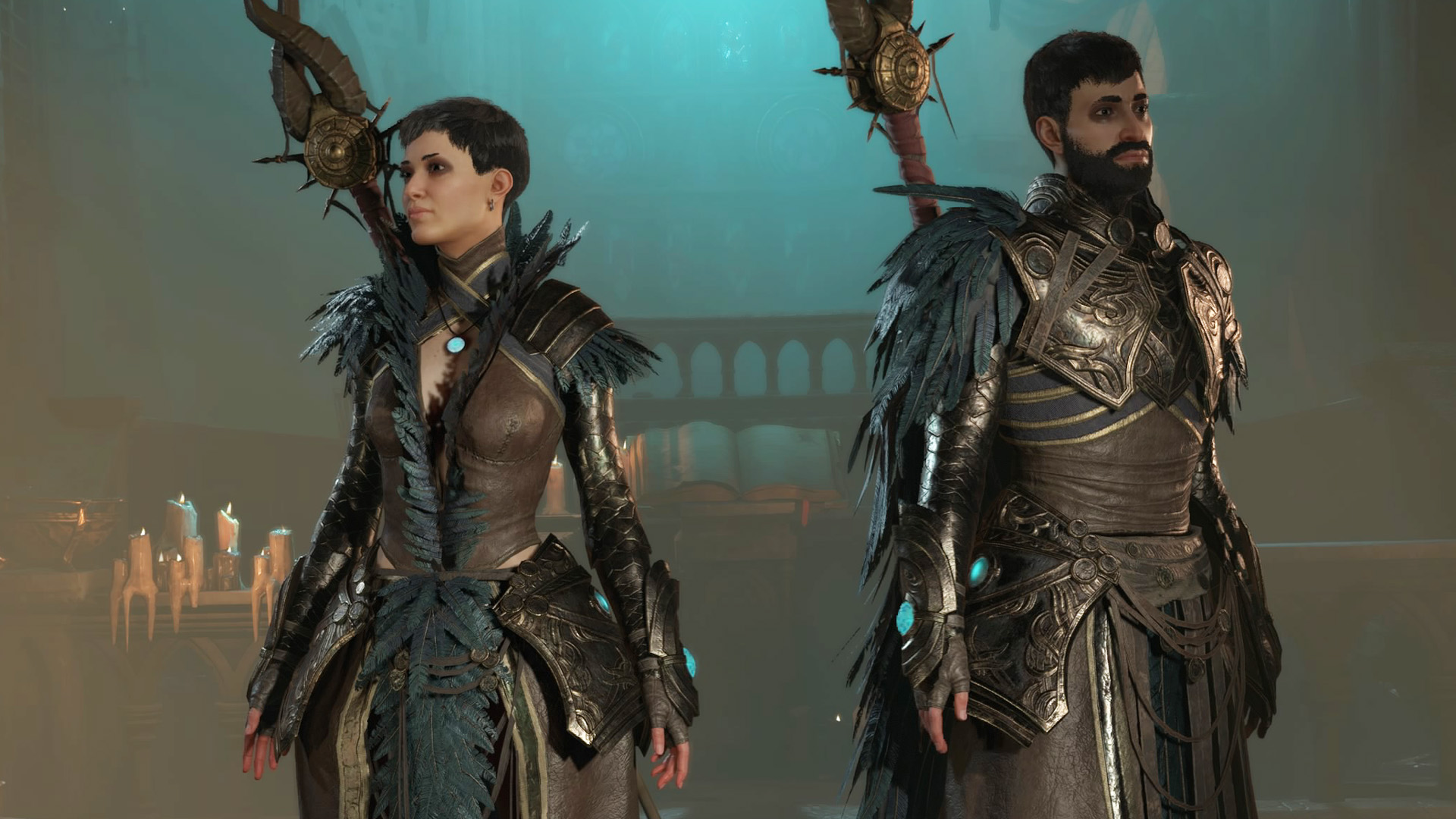
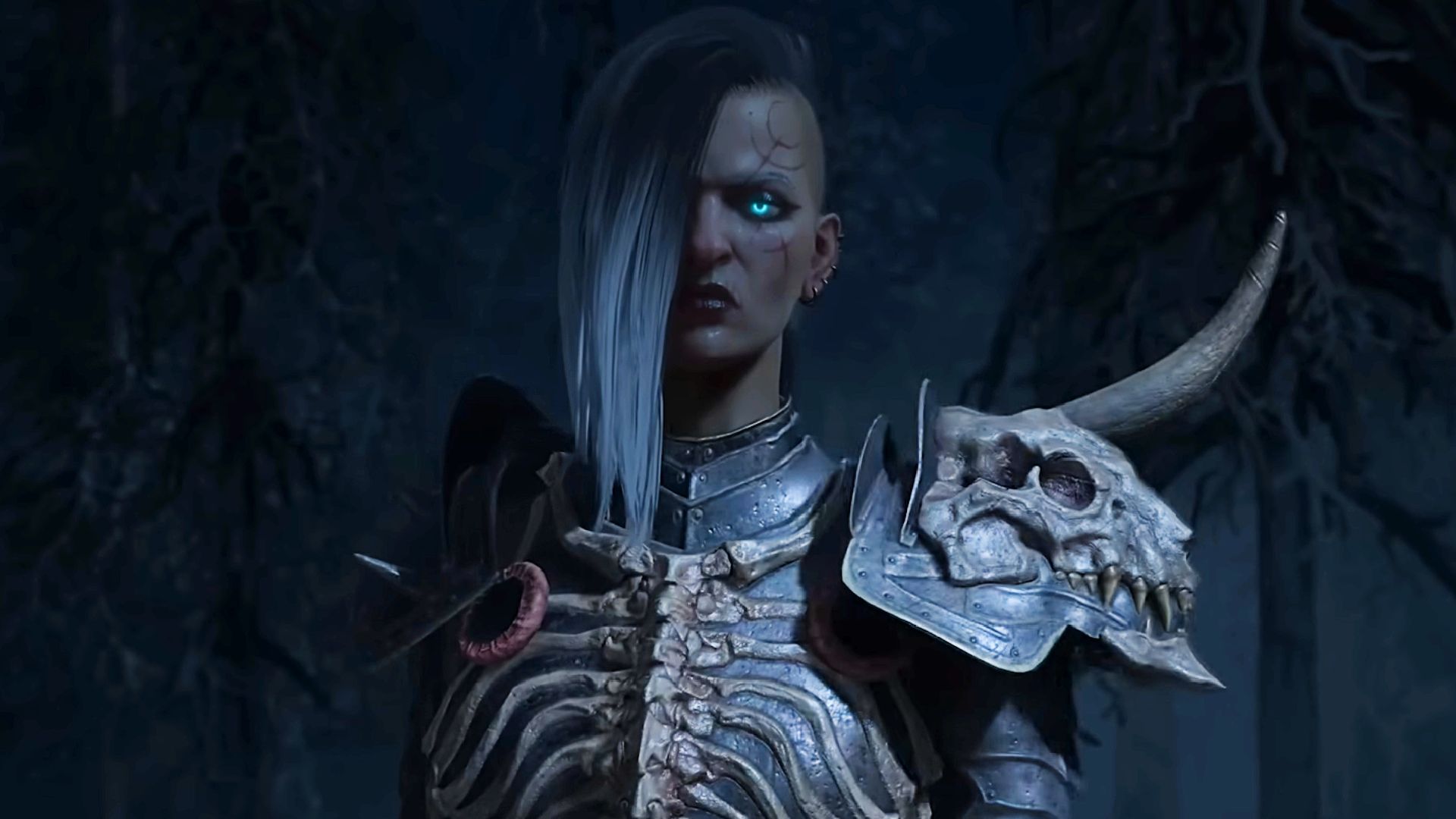
Seeing Dressmaker above Diablo IV on a Steam chart isn't important because the two games are actually competing for the same audience.
They aren't.
Diablo IV is a large action RPG built around combat, progression and loot.
Dressmaker is a cozy simulation game centered around crafting and fashion.
The comparison is interesting because it demonstrates something about Steam itself.
A game doesn't necessarily need a massive marketing budget to become visible.
Steam's discovery system, player reviews, social media discussion and community recommendations can push an unexpected game into the same conversation as established franchises.
A player who has never heard of Dressmaker can discover it through a friend's screenshot.
Then they see thousands of positive reviews.
Then they watch someone play it.
Then they buy it.
That cycle can happen incredibly quickly.
🌟 The Free Lives Connection Makes the Story Even Better
There is also a fun story behind the developer.
Dressmaker comes from Free Lives, the South African independent studio known for games such as GORN and Anger Foot.
The project was released through the studio's newer Cozy Lives label, representing a dramatically different direction from some of the studio's more chaotic games.
Sims Community reported that Dressmaker began as a passion project involving developer Jonathan Hau Yoon and artist Sabrina Becker, who has a background in dressmaking and fashion history.
That background helps explain why the sewing mechanics feel more specific than you might expect from a generic crafting game.
There is real interest in the subject behind the project.
It isn't simply a generic simulation wearing a fashion theme.
🔮 What Happens Next?
The most interesting question now is whether Dressmaker can maintain its momentum.
The launch has already been strong.
The game has a large number of positive reviews.
It has attracted more than ten thousand concurrent players.
It has appeared high on Steam's sales charts.
And people are actively sharing their creations.
But maintaining that attention will require continued support.
Fortunately, the developer has already discussed future plans.
Upcoming additions include mobile and Nintendo Switch versions, an online challenge mode, improved controller support and transparent fabrics.
Those updates could expand the audience considerably.
A Switch version in particular could make sense for the cozy gaming crowd, where handheld play and simulation games already have a strong audience.
🧵 Why This Indie Hit Is Actually Important
Dressmaker isn't going to replace Diablo IV.
It isn't trying to.
The interesting part is that it doesn't need to.
Its sudden success demonstrates how much room there still is for extremely focused games.
The modern gaming industry spends enormous amounts of money creating giant worlds with hundreds of quests, cinematic campaigns and enormous marketing budgets.
Dressmaker asks a much smaller question:
What if making clothes was the entire game?
Apparently, thousands of players were interested in finding out.
That is what makes the Steam chart story so entertaining.
The surprise isn't simply that Dressmaker sold well.
The surprise is that players were willing to abandon the usual expectations of what a major game release should look like and spend their evening cutting fabric, choosing buttons and sewing dresses.
🚀 The Dressmaker Effect
There is a broader lesson here for indie developers.
You don't necessarily need to make the next enormous open world.
You need a concept people immediately understand.
You need a gameplay loop that feels satisfying.
You need enough personality that players want to talk about it.
And, increasingly, you need something that looks good when someone shares it online.
Dressmaker has all four.
Its concept is instantly understandable.
Its crafting loop is highly specific.
Its visual results are naturally shareable.
And its cozy presentation gives it an audience that actively searches for games exactly like this.
That combination helped a tiny dressmaking simulator enter the same Steam conversation as games backed by some of the biggest publishers in the industry.
🎯 The Bottom Line
Dressmaker is one of the most unexpected Steam success stories of September 2026.
Released on September 21, the cozy sewing simulator quickly earned an Overwhelmingly Positive rating, reached around 11,668 concurrent players at its peak and climbed as high as number nine on Steam's global top sellers during its breakout.
Its success isn't built around explosions, cinematic trailers or a famous franchise.
It is built around fabric.
Patterns.
Sewing.
Customization.
And the simple satisfaction of making something that looks good.
That might sound like the least likely formula for a Steam hit in 2026.
Right now, the Steam charts are suggesting otherwise.
Diablo IV may have the demons. Dressmaker has the dresses. And somehow, the dresses are winning the internet's attention.
External Links: Dressmaker on Steam, SteamDB statistics, GamesRadar's report on the Steam chart surge and Dot Esports' launch coverage