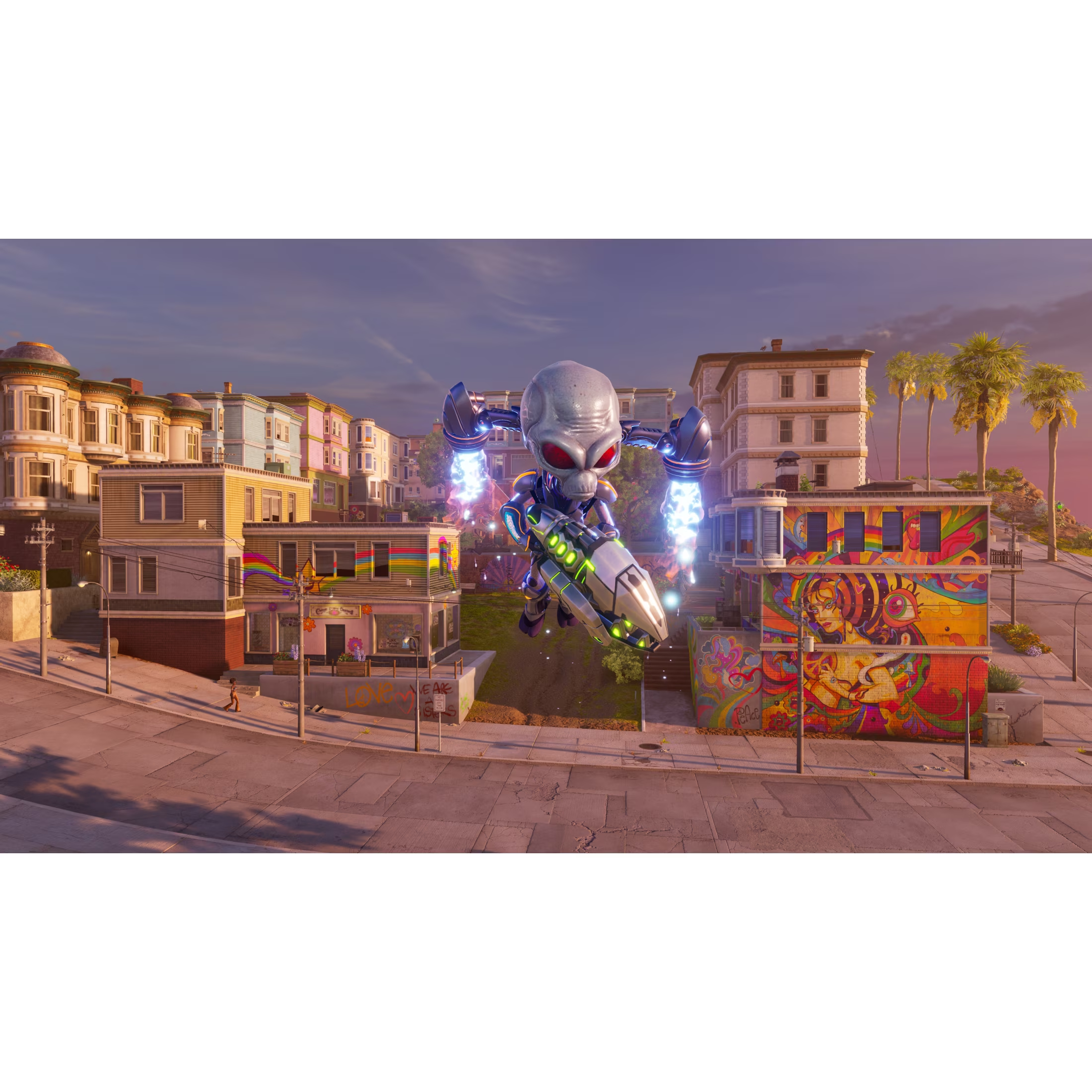

What happens when you give an alien with a flying saucer an entire city to destroy — and then ask a hybrid console to render the chaos smoothly?
That's exactly what makes Destroy All Humans! 2: Reprobed on Nintendo Switch 2 such an interesting port.
The game launches on September 15, 2026, bringing the modern remake of Crypto's 1960s alien rampage to Nintendo's newer hardware.
And this isn't exactly an easy game to squeeze onto a portable system.
You've got large environments, crowds of enemies, explosions, physics-driven destruction, particle effects and a flying saucer capable of turning entire areas into rubble.
If Switch 2 can handle that without sacrificing the game's visual identity, this could be one of its more interesting technical showcases.
Why Destroy All Humans! 2 Is a Difficult Port
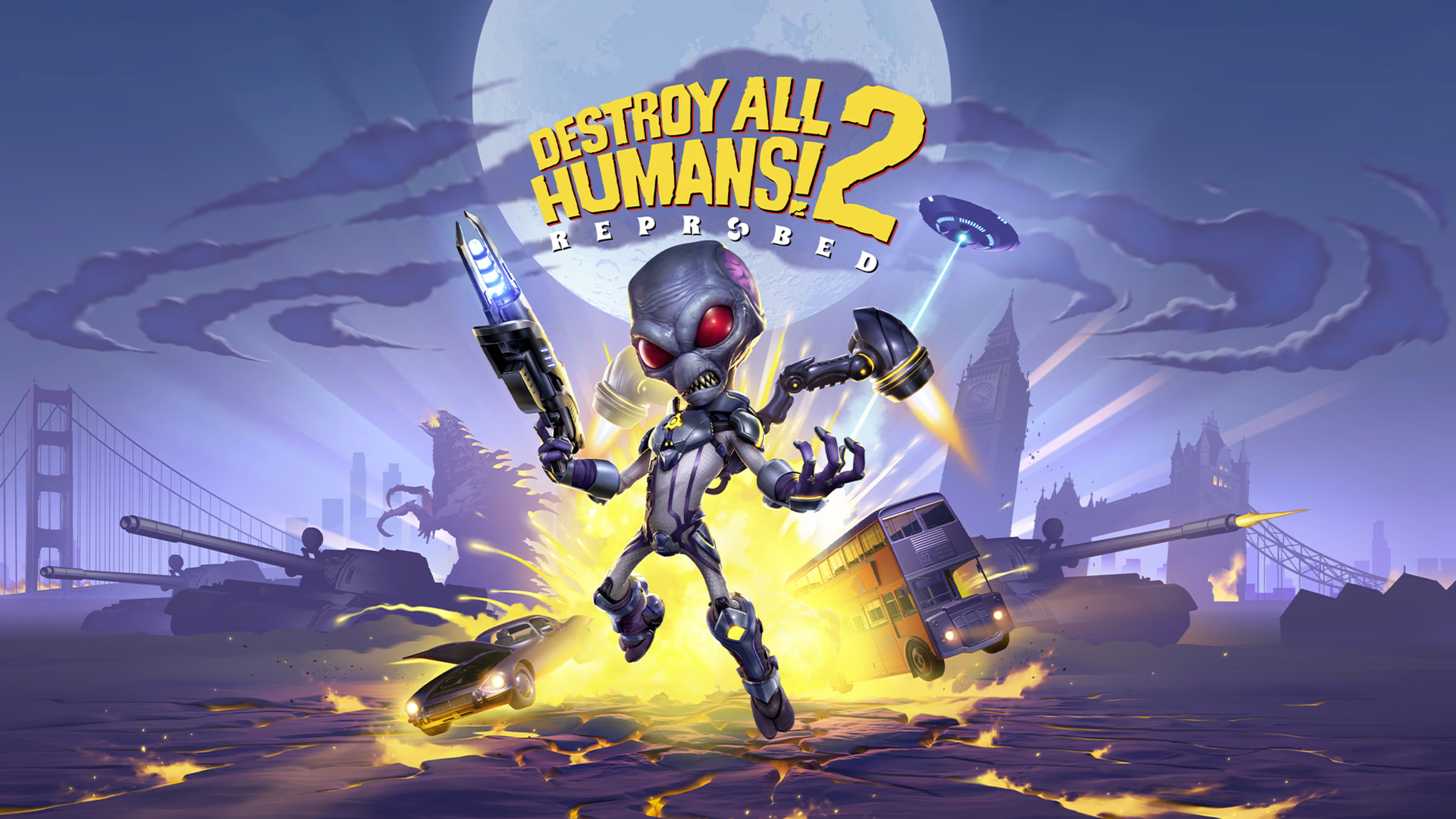
Destroy All Humans! 2: Reprobed isn't an old game simply receiving a resolution bump.
The 2022 remake was built using Unreal Engine 4 and originally targeted PC, PlayStation 5 and Xbox Series X/S.
That gives you an idea of the hardware class it was designed around.
The game features several systems that can become expensive to render and simulate at the same time:
- Large open environments
- Destructible objects and buildings
- NPC crowds
- Explosions and particle effects
- Enemy combat
- Telekinetic abilities
- Flying-saucer gameplay
- Long-distance environments
Put all of those together and you have a surprisingly demanding workload.
The challenge for the Switch 2 version isn't simply getting the game running.
It's making the chaos feel smooth.
The 60 FPS Question
This is where things get particularly interesting.
At 30 FPS, a game has around 33.3 milliseconds to produce each frame.
At 60 FPS, that drops to just 16.7 milliseconds.
That's a huge difference when you're simultaneously rendering explosions, enemies, environmental objects and destruction.
And Destroy All Humans! 2 has plenty of opportunities to push the hardware.
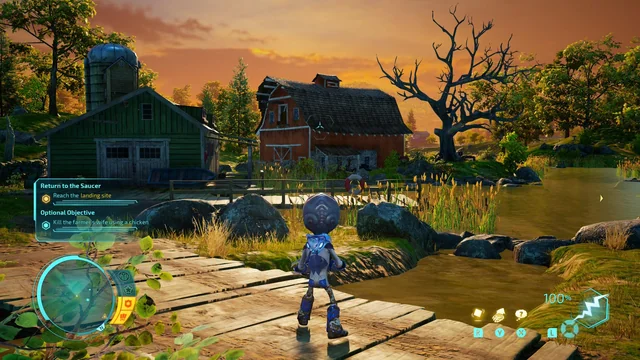
Imagine flying over a city in Crypto's saucer while attacking buildings, fighting enemies and filling the screen with explosions.
That's the kind of scenario that can expose performance problems immediately.
However, there's an important distinction between targeting 60 FPS and maintaining a locked 60 FPS.
Until the final Switch 2 version has been independently tested, claims that the game will never drop below 60 FPS should be treated cautiously.
The real test will come when players deliberately create the biggest possible mess.
The Art of Making Chaos Look Easy
Good optimization isn't always obvious.
In fact, the best optimization can be almost invisible.
Developers can prioritize objects close to the player while reducing the amount of processing given to distant or hidden objects.
They can dynamically adjust resolution.
They can optimize asset streaming.
They can reduce the complexity of effects when the screen becomes extremely busy.
The player doesn't need to know any of this.
They just need to see Crypto blowing everything up without the game falling apart.
That's what makes destruction-heavy games particularly interesting from a technical perspective.
Developers aren't only rendering a pretty environment.
They're also deciding which parts of that environment need to react when the player starts destroying it.
Why Switch 2 Makes This Possible
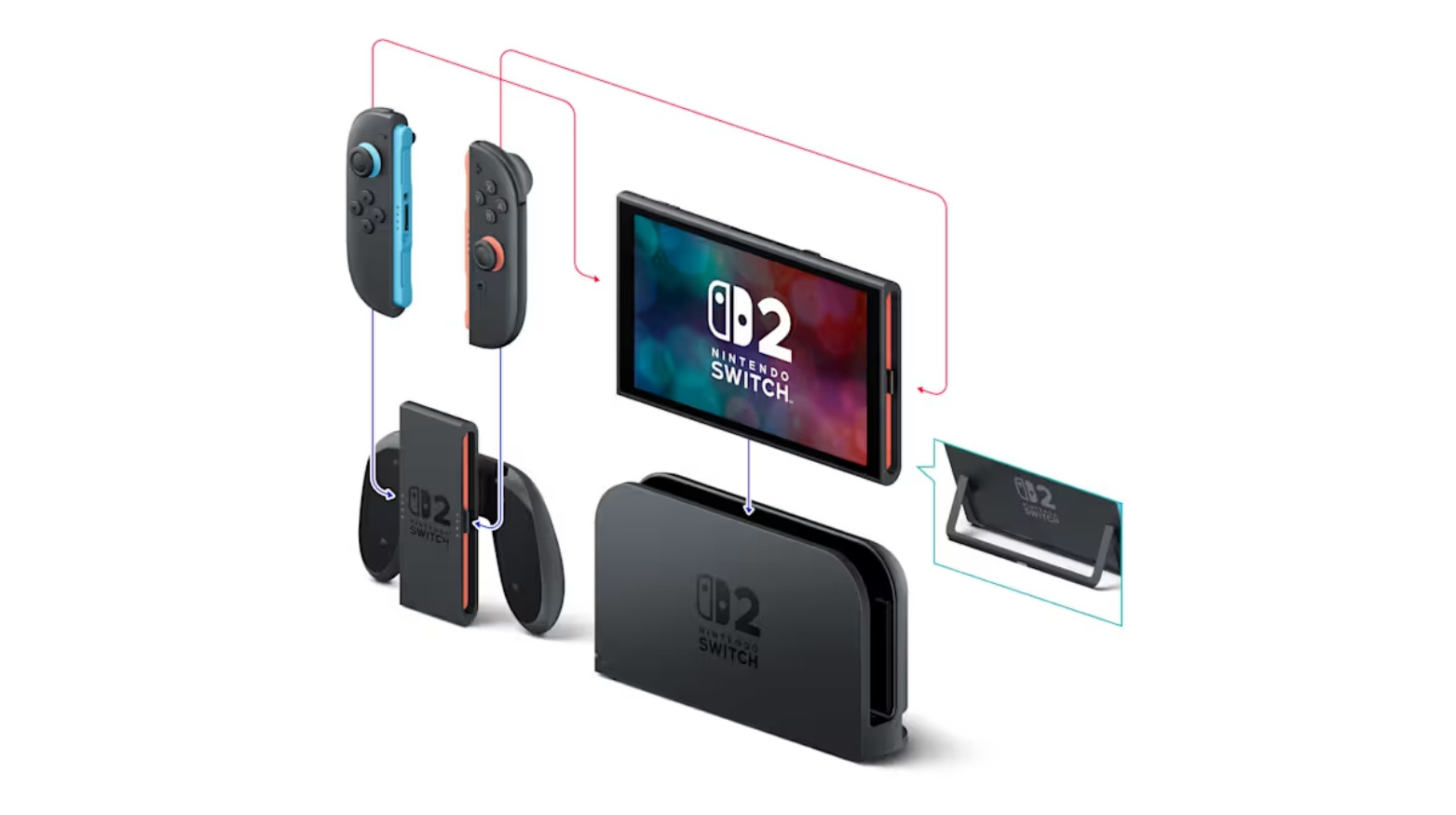
The original Nintendo Switch made plenty of ambitious ports possible, but developers often had to make substantial compromises to get demanding games running.
Switch 2 changes that equation.
Its additional hardware headroom gives developers more room to preserve visual quality while targeting higher performance.
But more powerful hardware doesn't automatically create a perfect port.
Developers still have to decide where those resources should go.
Do you prioritize resolution?
Draw distance?
Lighting?
Physics?
NPC density?
Or frame rate?
For a game like Destroy All Humans! 2, frame rate and responsiveness could be more important than simply pushing maximum visual quality.
After all, Crypto's entire gameplay loop is based around movement, combat and destruction.
Handheld Mode Is the Real Flex
There's something particularly ridiculous — and impressive — about the idea of playing this game on a handheld.
You're carrying around a game where an alien can hijack humans, unleash bizarre weapons and destroy entire sections of a city.
And you're doing it without being attached to a TV.
That's where Switch 2's hybrid design becomes especially interesting.
A strong port needs to work in both environments.
Docked mode can take advantage of higher output resolutions and TV displays.
Handheld mode has a smaller screen but tighter power and thermal constraints.
If the game maintains strong performance in both modes, that would be a much more convincing demonstration of optimization than simply looking good while docked.
What Should Players Test on September 15?
When the game launches, performance testing shouldn't stop at walking around an empty street.
The interesting tests will be the moments when everything goes wrong.
1. Destroy a City
Find an area packed with objects and start causing trouble.
The more destruction happening simultaneously, the better the stress test.
2. Try the Flying Saucer
The saucer provides a completely different perspective and can put large environments and destruction effects on screen at once.
3. Find a Crowded Area
NPC-heavy environments can reveal CPU and simulation limitations that aren't obvious during normal exploration.
4. Compare Docked and Handheld
Does performance remain consistent when switching between the two?
That's one of the most important questions for any Switch 2 port.
5. Look Beyond Average FPS
A game can have a high average frame rate and still feel bad if frame times are inconsistent.
Smooth frame pacing matters just as much as the headline FPS number.
Why This Port Matters
The importance of Destroy All Humans! 2: Reprobed isn't that it is the biggest game coming to Switch 2.
It's that the game represents a useful technical challenge.
If developers can preserve its open environments, destruction and visual effects while delivering strong performance, it demonstrates something important about Nintendo's new hardware:
Hybrid gaming doesn't necessarily have to mean settling for compromised versions of demanding games.
That could encourage more publishers to bring technically ambitious titles to the platform.
And that's where this port becomes bigger than Crypto himself.
What Happens Next?
The September 15 launch will answer the questions that specifications can't.
How stable is the frame rate?
How much visual quality has been preserved?
Does handheld mode perform differently?
How does the game react when players deliberately create maximum chaos?
Those are the tests worth watching.
If the final build delivers a consistently smooth experience during its most destructive moments, Destroy All Humans! 2: Reprobed could quickly become an example of what a well-optimized Switch 2 port can achieve.
If performance struggles under heavy destruction, however, it will also highlight an important reality:
More powerful hardware gives developers more possibilities, but optimization still does the heavy lifting.
🎮 The Bottom Line
Destroy All Humans! 2: Reprobed was practically designed to make hardware sweat.
Explosions, crowds, destruction and open environments are exactly the kind of systems that can expose a console's limitations.
That's why its September 15 Switch 2 release is worth watching.
The real achievement won't simply be getting Crypto onto Nintendo's newest console.
It will be making the chaos feel effortless.
Because when you're playing as an alien whose favorite solution to a problem is "destroy everything," the last thing you want is the hardware asking you to slow down.
What do you think? Would you rather have a Switch 2 port prioritize a locked 60 FPS or maximum graphical quality? Let us know in the comments.

Comments
Sign in to join the conversation
Sign inNo comments yet
Be the first to share your thoughts!