
Fire Emblem's Release-Window Shuffle: Why Fortune's Weave Steered Clear of Ocarina of Time
There is a fascinating release-window story hiding inside Nintendo's 2026 Switch 2 schedule.
Fire Emblem Fortune's Weave arrived on September 17, 2026. Less than seven weeks later, Nintendo's remake of The Legend of Zelda: Ocarina of Time is scheduled to launch on November 5.
For Nintendo, that creates a very deliberate-looking sequence.
First comes the new Fire Emblem.
Then Nintendo Switch Sports Resort arrives in October.
Then one of Nintendo's most recognizable franchises takes over the November spotlight with a ground-up remake of Ocarina of Time.
The important caveat is that Nintendo has not publicly said Fortune's Weave was moved specifically to avoid Zelda. There is no reliable public evidence establishing that Intelligent Systems or Nintendo delayed the tactical RPG for that reason.
But the timing is still worth examining.
Fortune's Weave was originally revealed simply as a 2026 Switch 2 title before Nintendo announced its September 17 release date. Ocarina of Time also began life with only a 2026 window before Nintendo eventually confirmed November 5.
That leaves an interesting question:
Was September simply where Fortune's Weave was always going, or did Nintendo intentionally create distance between two major Switch 2 releases?
The evidence can tell us where the games landed.
It cannot currently prove why Nintendo chose those exact dates.
────────────────────────────────────────
────────────────────────────────────────
Fortune's Weave Finally Gets Its Date
Fire Emblem: Fortune's Weave was one of Nintendo's major Switch 2 announcements in 2026.
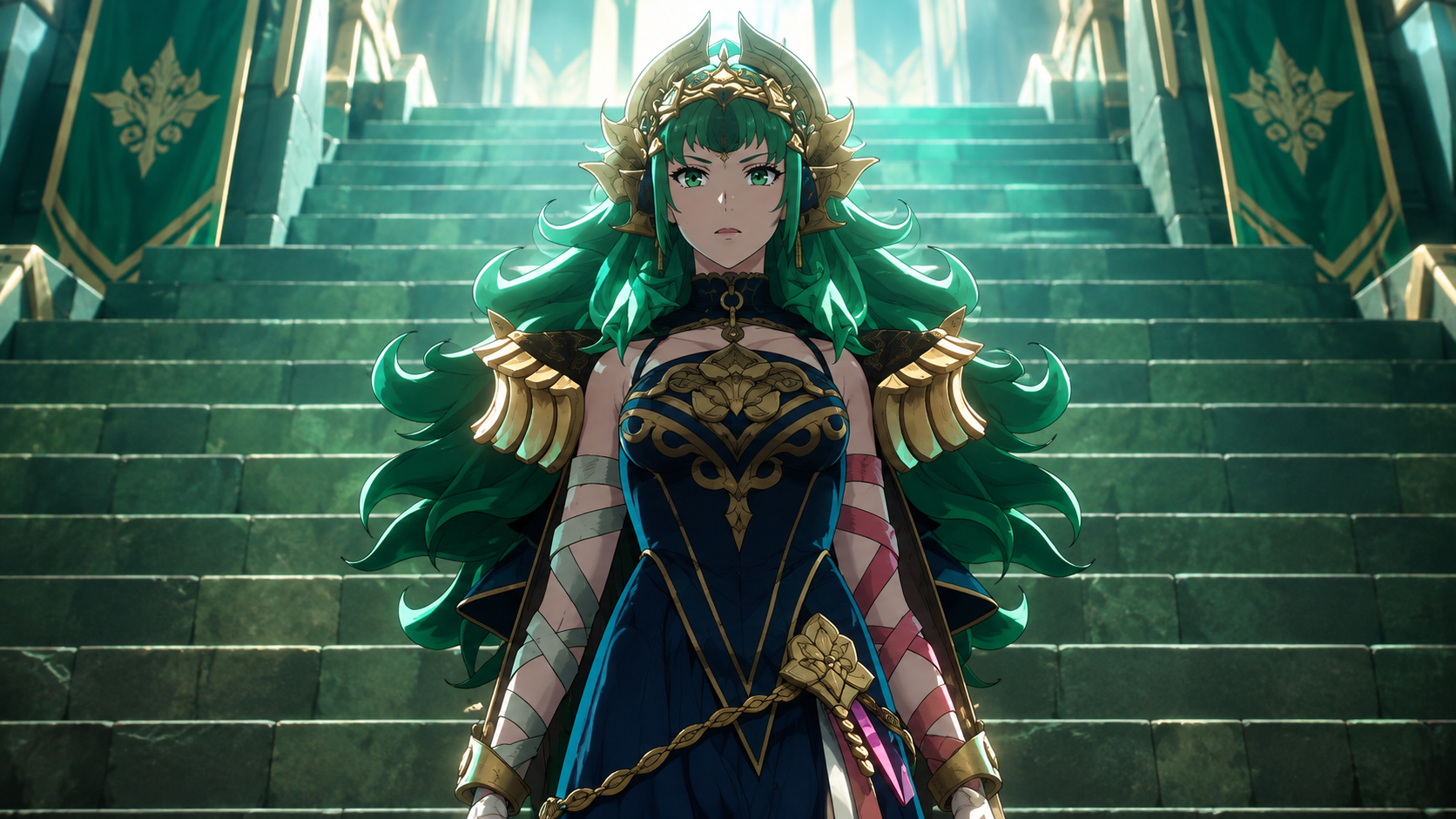
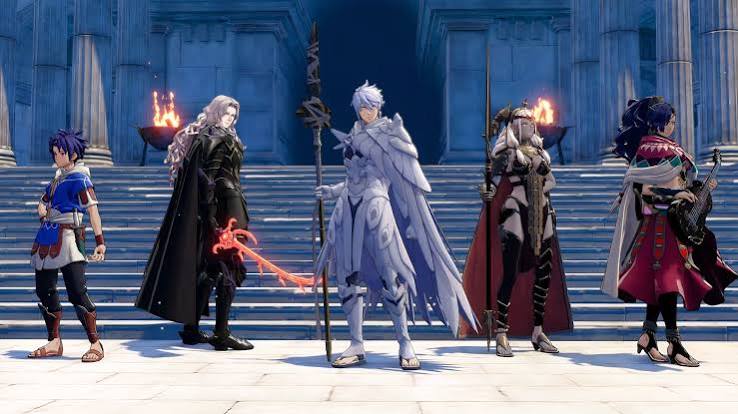
The tactical RPG introduces players to the Dagdan Empire, where four heroes become intertwined with a larger conflict involving the demon god Balor. Its structure combines turn-based tactical battles with exploration, character relationships and a time-traveling story. Nintendo positions the game as a new adventure rather than a direct continuation that requires extensive knowledge of earlier Fire Emblem entries.
The release date was announced during Nintendo's June 9 Direct.
September 17 became the date.
Nintendo subsequently devoted an entire Direct presentation to Fortune's Weave in August, demonstrating just how much importance the company was placing on the game before launch.
By September, Nintendo was treating Fortune's Weave as a major first-party Switch 2 release rather than simply another game filling a quiet month.
The official Nintendo store confirms the September 17 launch date.
────────────────────────────────────────
────────────────────────────────────────
Zelda Was Always the Bigger November Question
The real scheduling puzzle began with Zelda.
Nintendo announced a ground-up remake of The Legend of Zelda: Ocarina of Time for Nintendo Switch 2 in June.
At the time, Nintendo only gave the game a 2026 release window.
That immediately made it one of the biggest unanswered questions in Nintendo's calendar.
Ocarina of Time is not an ordinary catalog title.
The original Nintendo 64 game is one of Nintendo's most recognizable releases, and the Switch 2 remake is being rebuilt with updated visuals, voiced cutscenes, expanded dialogue, modernized controls and other changes.
Nintendo eventually confirmed November 5.
That date changes the way the entire second half of Nintendo's 2026 schedule looks.
Fortune's Weave is September.
Switch Sports Resort is October 22.
Ocarina of Time is November 5.
Nintendo has effectively created a sequence of major releases separated by several weeks.
────────────────────────────────────────
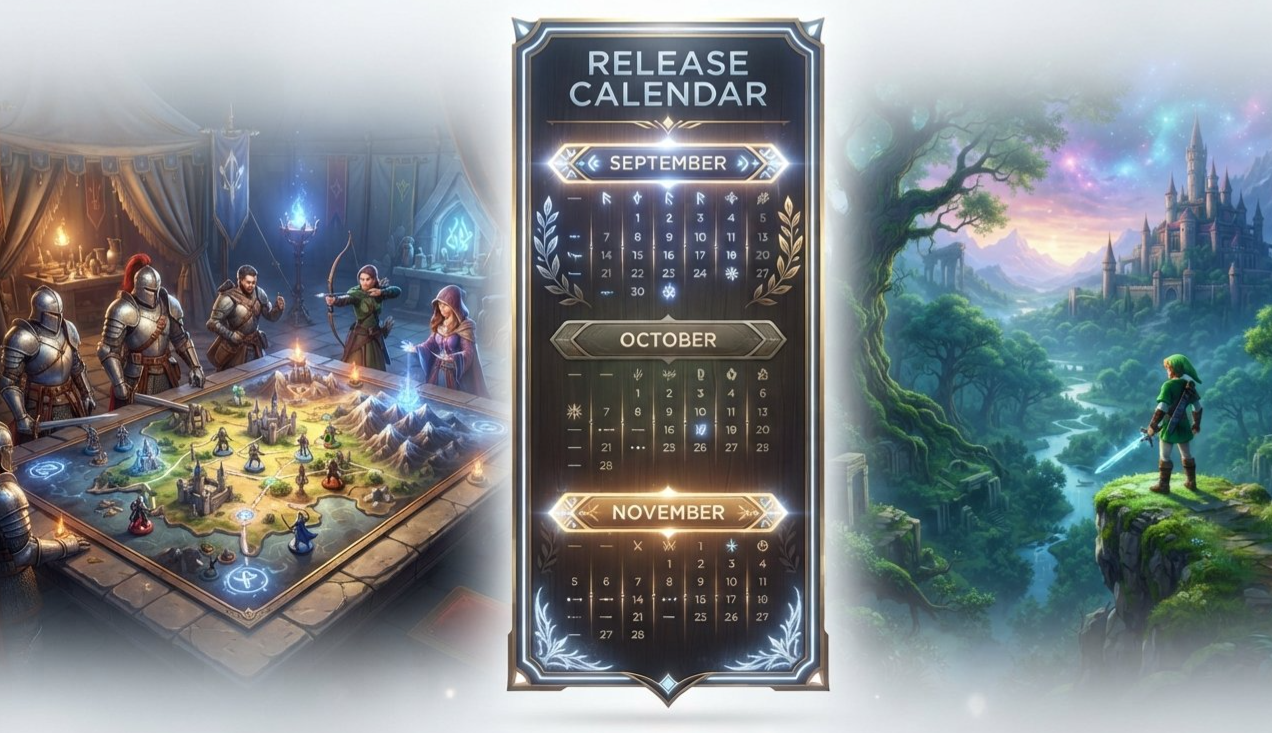
The Seven-Week Gap
The gap between the two games is important.
Fortune's Weave launched on September 17.
Ocarina of Time arrives on November 5.
That is 49 days.
For a publisher with multiple major releases, seven weeks provides substantially more breathing room than putting two major first-party games into the same month.
It gives the earlier game time to establish itself.
Reviews can arrive.
Launch sales can be recorded.
Marketing can run without another major Nintendo release immediately competing for attention.
Players also get time to finish or at least substantially experience one game before moving to the next.
That does not prove Fortune's Weave was moved because of Zelda.
But it does demonstrate why the final schedule is strategically convenient.
────────────────────────────────────────
────────────────────────────────────────
Why Nintendo Might Want Breathing Room
There is a straightforward business reason to avoid clustering major releases.
Players have limited time and money.
That is especially relevant for RPGs.
Fortune's Weave is not designed to be completed in an afternoon. Its tactical battles, character stories and exploration systems make it the type of game players can spend substantial amounts of time with.
Ocarina of Time is also a full adventure rather than a small digital release.
Putting two major first-party RPG experiences immediately next to each other could create unnecessary competition for attention.
Nintendo does not need to confirm that as the reason to recognize the scheduling logic.
The company can maximize visibility by giving each major game its own marketing period.
That is exactly what the final 2026 calendar appears to do.
September belongs to Fire Emblem.
October provides another release.
November belongs to Zelda.
────────────────────────────────────────
Fire Emblem's Audience Is Different
There is another reason the two games can coexist relatively comfortably.
They target overlapping Nintendo fans, but their gameplay identities are very different.
Fortune's Weave is a tactical RPG.
Its appeal comes from turn-based strategy, positioning, character development and managing a team across structured battles.
Ocarina of Time is an action-adventure experience.
Its appeal centers on exploration, real-time combat, puzzles, dungeons and the fantasy adventure structure that defined the original.
A player can easily want both.
That is different from two enormous open-world RPGs launching within days of each other.
Nintendo therefore has an opportunity to treat the games as complementary rather than direct substitutes.
The schedule gives players a chance to experience one before the next major adventure arrives.
────────────────────────────────────────
────────────────────────────────────────
Why Releasing Both Games Together Would Be Risky
Imagine a hypothetical November where Fortune's Weave and Ocarina of Time launched within the same week.
The marketing problem would be obvious.
Every Nintendo Direct, social post, advertisement and creator campaign would have to compete with another major Nintendo title.
Media coverage would also be divided.
One game's reviews could overshadow the other.
Players deciding which game to buy first might postpone one purchase until later.
None of that means the games cannot succeed simultaneously.
It simply means a publisher has a reason to avoid the situation if it has enough flexibility to do so.
Nintendo's final schedule avoids that problem.
The tactical RPG receives September.
The Zelda remake receives November.
The distance between them creates room for both.
Again, that is an observation about the final calendar, not evidence that Fortune's Weave was delayed specifically because of Zelda.
────────────────────────────────────────
The Importance of the Switch 2 Calendar
There is an even bigger story here.
Nintendo's second full year of Switch 2 software is becoming increasingly structured around major first-party releases.
Fortune's Weave is one of the system's significant September games.
Nintendo Switch Sports Resort follows on October 22.
Ocarina of Time then arrives on November 5.
Nintendo is effectively using the second half of the year as a rolling sequence of first-party releases.
That makes release spacing increasingly important.
A successful platform holder does not necessarily need every game to launch as quickly as possible.
It needs consumers to continually have a reason to return to the platform.
A September Fire Emblem followed by an October release and then a November Zelda creates exactly that type of cadence.
────────────────────────────────────────
────────────────────────────────────────
Was Fortune's Weave Really Delayed?
This is the part that needs the most careful wording.
There is currently no reliable public evidence that Fortune's Weave was announced for an earlier specific date and then postponed because Nintendo wanted to avoid Ocarina of Time.
Before June 2026, Nintendo only publicly described Fortune's Weave as a 2026 game.
The June Direct then established September 17 as its launch date.
That means calling the September launch a "massive delay" would be misleading without additional evidence.
The same applies to the claim that Nintendo deliberately moved the game because of "fear" of Zelda competition.
It is possible to analyze the schedule.
It is possible to discuss the commercial logic behind separating the releases.
It is possible to note that the final calendar leaves significant breathing room between the games.
But those observations should not be presented as a confirmed explanation from Nintendo.
The distinction matters because release-date speculation can easily turn into supposed industry fact once repeated often enough online.
────────────────────────────────────────
Why the Zelda Timing Still Matters
Even without a confirmed delay, Ocarina of Time's release date changes how Fortune's Weave should be viewed.
September 17 now looks like a carefully positioned launch.
The game has enough distance from Zelda to establish its own identity.
Nintendo can dedicate a full marketing cycle to Fire Emblem.
The August Direct could focus entirely on the tactical RPG.
Then the company can transition its marketing toward Zelda as November approaches.
Nintendo did exactly that kind of promotional separation in 2026.
Fortune's Weave received its dedicated Direct on August 4.
Nintendo subsequently held its Zelda 40th Anniversary Direct on September 8, where the Ocarina of Time remake's November 5 date was confirmed.
The sequence is striking.
But the evidence still stops short of proving that one game was moved because of the other.
────────────────────────────────────────
────────────────────────────────────────
The Bigger Story: Nintendo Is Learning to Space Its RPGs
The most interesting conclusion may not be that Fire Emblem "ran away" from Zelda.
It may be that Nintendo understands how valuable release spacing has become.
A major first-party game is no longer competing only with other publishers.
It is competing with everything else happening on the platform.
Players may be playing an older Nintendo game.
They may be finishing a third-party RPG.
They may be waiting for another major release.
They may simply not have enough time for two enormous games at once.
Spacing major releases gives Nintendo more opportunities to keep its audience engaged.
Fortune's Weave gets its moment.
Then Zelda gets its moment.
Neither has to share the exact same launch week.
For a platform holder building momentum around new hardware, that can be more useful than simply stacking every major title into the holiday season.
────────────────────────────────────────
What We Can Actually Confirm
| Question | Confirmed information |
|---|---|
| When did Fortune's Weave release? | September 17, 2026 |
| Platform | Nintendo Switch 2 |
| Developer | Intelligent Systems |
| Publisher | Nintendo |
| When does Ocarina of Time release? | November 5, 2026 |
| Platform | Nintendo Switch 2 |
| Was Fortune's Weave publicly announced for an earlier specific date? | No reliable public evidence found |
| Did Nintendo publicly say it moved Fortune's Weave to avoid Zelda? | No reliable public statement found |
| Gap between launches | 49 days |
| Nintendo dedicated Direct to Fortune's Weave | August 4, 2026 |
| Zelda release date announced | September 8, 2026 |
Nintendo's official store confirms the September 17 Fortune's Weave release, while Nintendo's official Ocarina of Time page confirms November 5.
────────────────────────────────────────
FAQ
Was Fire Emblem: Fortune's Weave delayed?
There is no reliable public evidence establishing that Nintendo delayed the game from a previously announced specific release date. It was publicly listed for 2026 before Nintendo announced September 17, 2026.
Did Nintendo delay Fortune's Weave because of Ocarina of Time?
Nintendo has not publicly confirmed that. The final schedule does separate the games by 49 days, but the reason for that spacing has not been established publicly.
When did Fortune's Weave release?
Fire Emblem: Fortune's Weave launched on Nintendo Switch 2 on September 17, 2026.
When does the Ocarina of Time remake release?
The Legend of Zelda: Ocarina of Time launches on Nintendo Switch 2 on November 5, 2026.
How far apart are the two games?
The releases are 49 days apart, giving Nintendo roughly seven weeks between the two major RPG launches.
Why does the release spacing matter?
Both games are major Nintendo Switch 2 releases. Spacing them allows Nintendo to give each title its own marketing window and gives players more time to engage with each game.
Is Fortune's Weave competing directly with Zelda?
The games share the same platform and some of the same Nintendo audience, but their gameplay is substantially different. Fortune's Weave is a tactical RPG, while Ocarina of Time is an action-adventure game.
────────────────────────────────────────
Final Takeaway
The idea that Fire Emblem: Fortune's Weave was massively delayed specifically to escape The Legend of Zelda: Ocarina of Time makes for a compelling headline.
The documented timeline, however, tells a more nuanced story.
Fortune's Weave was publicly positioned as a 2026 Switch 2 release before Nintendo announced its September 17 launch.
Ocarina of Time was also initially listed simply for 2026 before Nintendo eventually locked in November 5.
There is no reliable public evidence showing that Nintendo moved Fortune's Weave from an earlier announced date because of Zelda.
What Nintendo did create was something arguably more interesting.
A seven-week gap.
Fire Emblem gets September.
Switch Sports Resort occupies October.
Zelda arrives in November.
That gives each major first-party release its own stretch of the spotlight.
Maybe this was carefully planned from the beginning.
Maybe Nintendo adjusted the schedule internally as development progressed.
Maybe the final dates simply happened to produce a convenient gap.
Without a direct statement from Nintendo or Intelligent Systems, we cannot know.
What we can see is the result.
Nintendo's 2026 Switch 2 calendar does not throw its two major RPGs into the same release window.
Instead, Fortune's Weave gets the first move.
Then Zelda gets the holiday spotlight.
And for Nintendo, that may be the real strategy behind the calendar.