

Crimson Moon Launch Review: The Next Great Co-Op Shooter is Here
Crimson Moon doesn't look like the next big co-op game at first glance.
It's dark, bloody, heavily inspired by Soulslikes, and built around a half-human, half-angel warrior tearing through the ruined city of Gildenarch.
But underneath all that gothic violence is something much more interesting: a game designed around two-player cooperation, build experimentation, and repeatable runs.
ProbablyMonsters launched Crimson Moon on September 1 for PS5, Xbox Series X|S, and PC, with the standard edition priced at $19.99.
And after launch, the question isn't whether the combat works.
It does.
The bigger question is whether there's enough depth here to keep players coming back.
The Combat Is the Real Hook
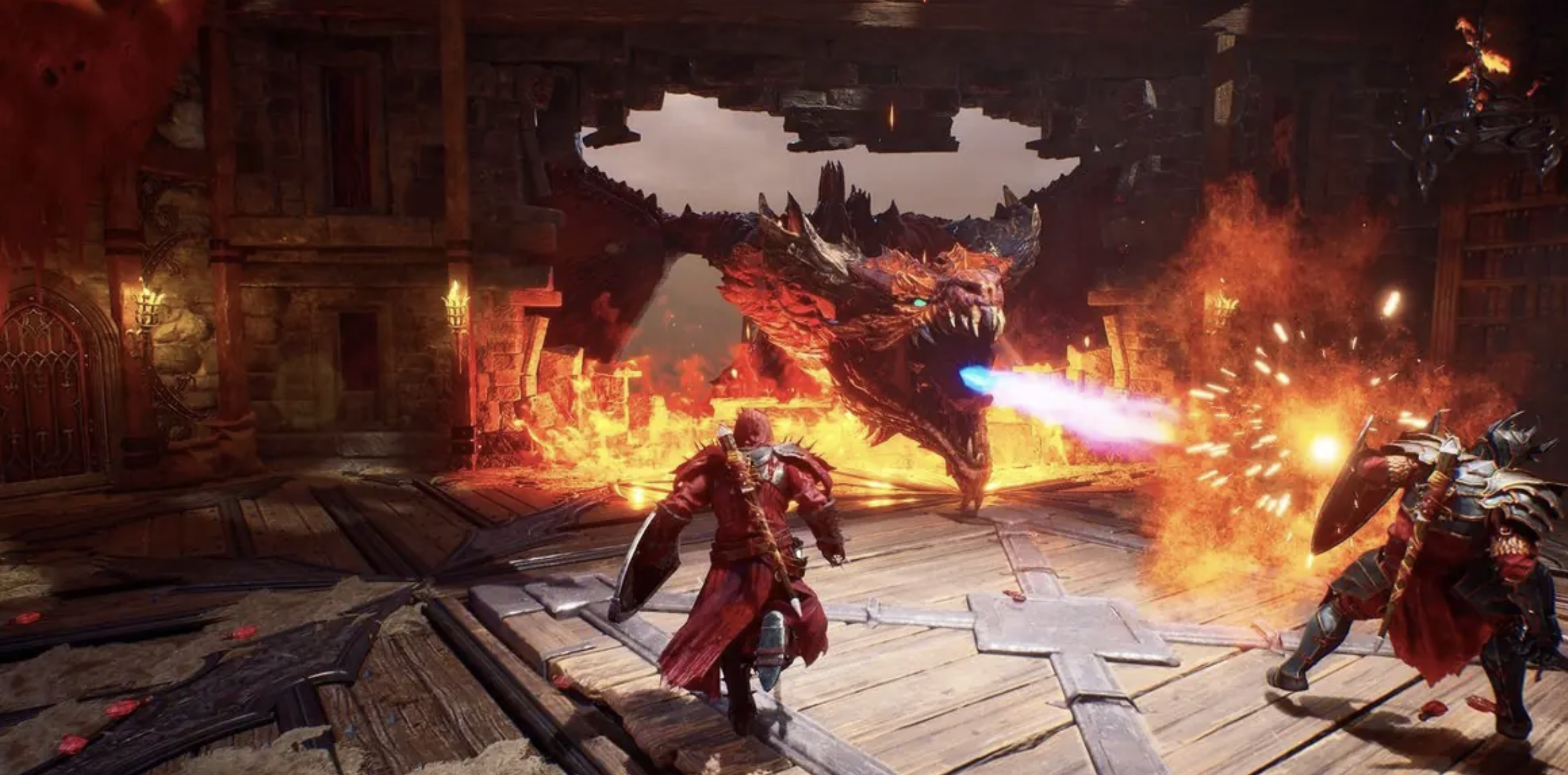
Crimson Moon wastes very little time getting you into the action.
You play as a Nephilim, fighting through Gildenarch with melee weapons, shields, supernatural abilities and angelic transformations. The combat revolves around attacking aggressively, parrying at the right moment and managing your abilities rather than simply overwhelming enemies with damage.
That makes every encounter feel more deliberate than a typical co-op hack-and-slash game.
And the executions help sell the fantasy.
Elite enemies can be finished with particularly brutal attacks, giving combat a satisfying sense of impact when you get the timing right.
The catch?
The camera has become one of the most common complaints from players and reviewers, especially during larger encounters and tighter arenas. PC players have also criticized the launch version for missing basic options such as key rebinding and mouse-sensitivity controls.
So the foundation is strong, but the polish isn't always there.
Weapon Synergy Makes Builds More Interesting
This is where Crimson Moon becomes more than just another Soulslike.
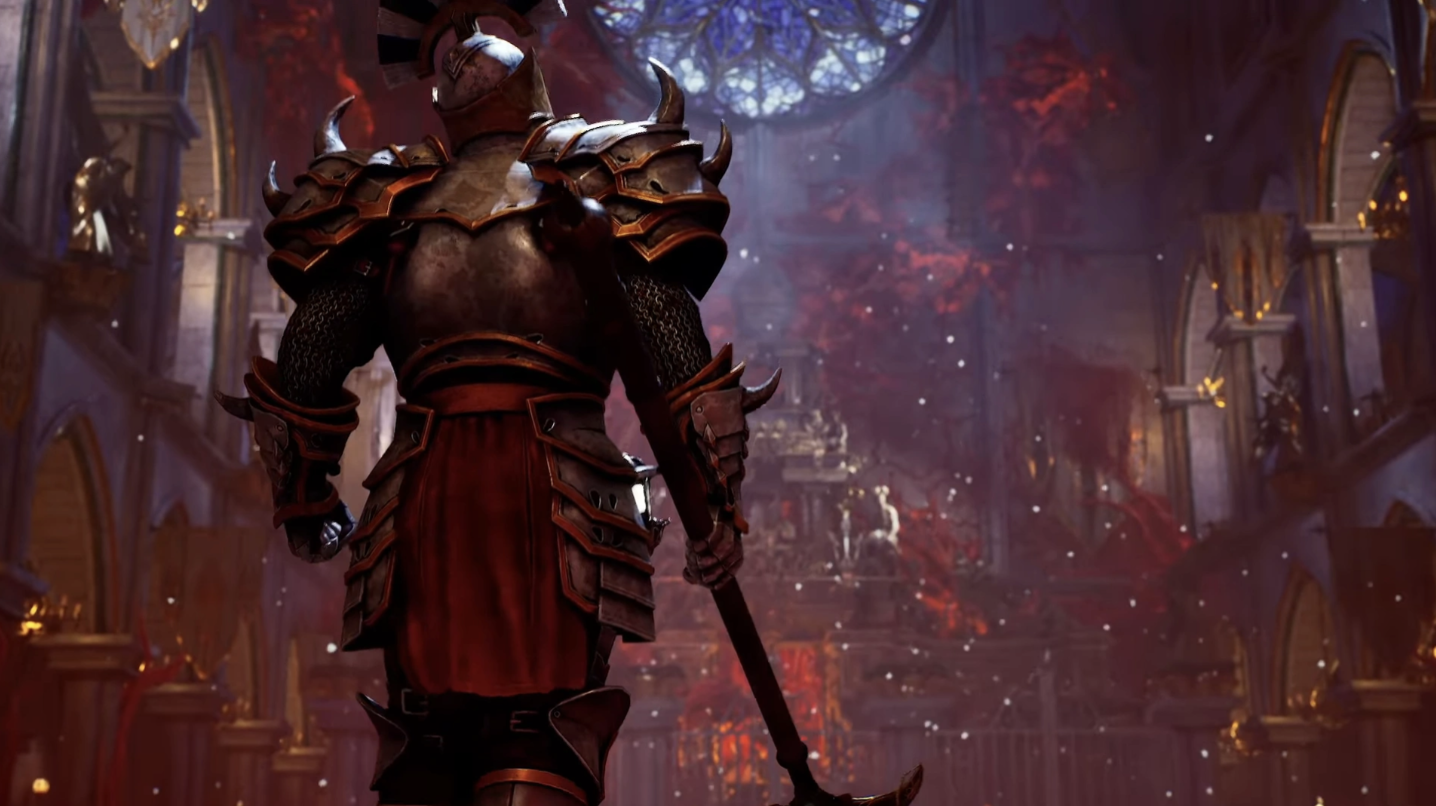
There are no traditional character classes. Instead, your Nephilim is defined by the combination of weapons, armor, trinkets, Weapon Arts, Boons and Angels you bring into a hunt.
You can equip both a one-handed weapon and shield and a two-handed weapon, while armor and trinkets add additional ways to specialize your build.
The important part isn't simply finding the rarest gear.
It's finding combinations that work together.
A build focused on aggressive melee attacks can be paired with Boons that reward offensive play or restore health. Another setup can prioritize defense and survivability.
Then you add Weapon Arts to change how those weapons actually perform.
And co-op makes this more interesting.
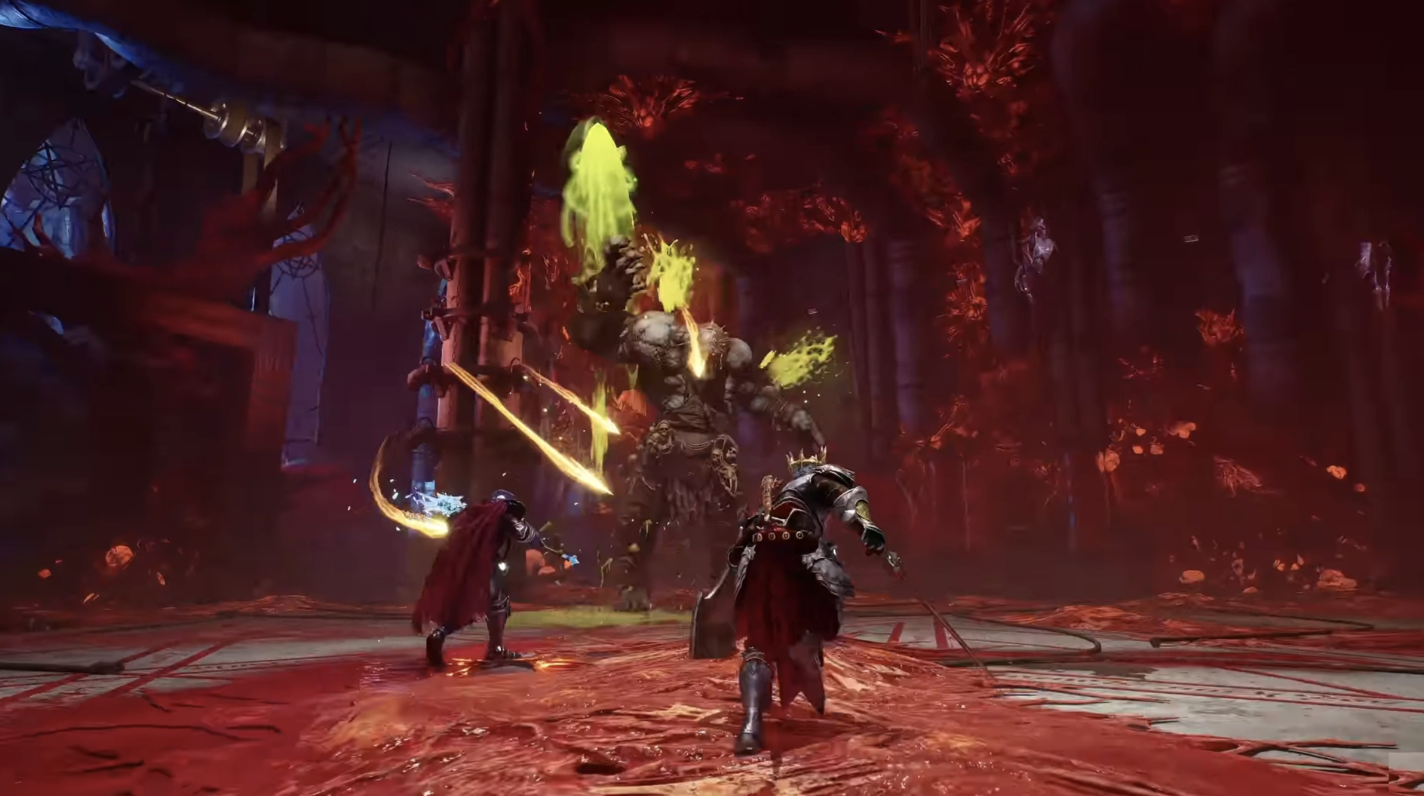
Two players can build around complementary strengths instead of simply running identical damage setups. One player can focus on aggression while another provides survivability or another useful combination of effects.
That's the kind of system that can turn a simple two-player run into a genuine build-crafting exercise.
Every Run Is Basically a Build Experiment
Crimson Moon uses a roguelite-style structure rather than one enormous uninterrupted campaign.
You start at Sanctus Clypeus, prepare your equipment, select a mission and enter one of Gildenarch's Wards.
During the hunt, you'll encounter enemies, elites, secrets, loot and bosses. Nexus Gates then let you choose temporary Boons that remain active for the rest of that particular run.
That's where the game's replayability starts to make sense.
Your permanent build is only half the equation.
The other half is figuring out what the current run gives you and adapting around it.
A successful hunt lets you purify equipment and permanently add it to your collection, giving future runs more options.
Fail, and some of the temporary progress disappears.
That creates a nice risk-reward rhythm without completely punishing players for experimenting.
The Endgame Isn't a Traditional Raid - And That's Important
Here's where the original pitch needs a little clarification.
Crimson Moon doesn't have a conventional raid loop.
Instead, its endgame revolves around pushing through increasingly difficult hunts and working toward major boss encounters.
The game uses a progression route through Gildenarch where players clear districts, take on powerful world bosses and eventually work toward the final confrontation. Higher difficulties increase the risk while giving players better opportunities for higher-rarity gear.
That structure fits the rest of the game surprisingly well.
You're not logging in for a two-hour raid with a dozen players.
You're jumping online with one friend, choosing a build, entering a hunt and trying to push further than you did last time.
The shared life pool makes that especially interesting.
If your partner goes down, you can revive them - but every death brings the team closer to losing the run. Suddenly, playing recklessly isn't just your problem. Your mistakes become your friend's problem too.
That's a much better foundation for co-op than simply giving enemies more health.
So, Is It Actually Worth Playing?
The answer depends heavily on what you're expecting.
If you're looking for a massive live-service shooter with endless content, Crimson Moon isn't that.
It's a $19.99 action RPG built around repeatable co-op hunts, and its relatively focused structure is both its biggest strength and weakness.
Reviews have generally praised the combat, build experimentation and co-op experience, while criticism has focused on the camera, technical issues and concerns about repetition.
Steam's early reception is currently mixed, sitting around the 58–60% positive range from more than 1,400 English reviews.
That tells you something important.
The people who enjoy what Crimson Moon is trying to do seem to really enjoy the core loop.
But the launch issues are making it harder for the game to turn that good foundation into a great first impression.
What Happens Next?
ProbablyMonsters now has a fairly obvious challenge.
The combat and build system are good enough to create a strong co-op foundation. The question is whether the developer can keep improving the technical side and give players more reasons to keep returning.
That's especially important because some launch reviews already describe the experience as relatively short or repetitive.
The good news is that the underlying structure is expandable.
More weapons, Boons, challenges, difficulty options and future content could make those build combinations considerably more valuable over time.
And at $19.99, Crimson Moon doesn't need to compete directly with massive $70 live-service games.
It simply needs to become the game you and a friend decide to launch when you have an evening to kill.
That might actually be its biggest advantage.
🎮 The Bottom Line
Crimson Moon isn't the next Destiny - and it doesn't need to be.
It's a compact, violent co-op action RPG that understands one important thing: playing with a friend can make a familiar combat system feel completely different.
The weapon and Boon synergy gives players a reason to experiment, while the repeatable hunt structure gives those builds somewhere to matter.
But the launch isn't flawless. Camera problems, PC-control limitations and questions about long-term variety prevent it from being an easy recommendation for everyone.
Still, at $19.99, Crimson Moon has something many bigger co-op games struggle to create:
a reason to text your friend and say, “one more run.”
Would you give Crimson Moon a shot with a friend?

Comments
Sign in to join the conversation
Sign inNo comments yet
Be the first to share your thoughts!