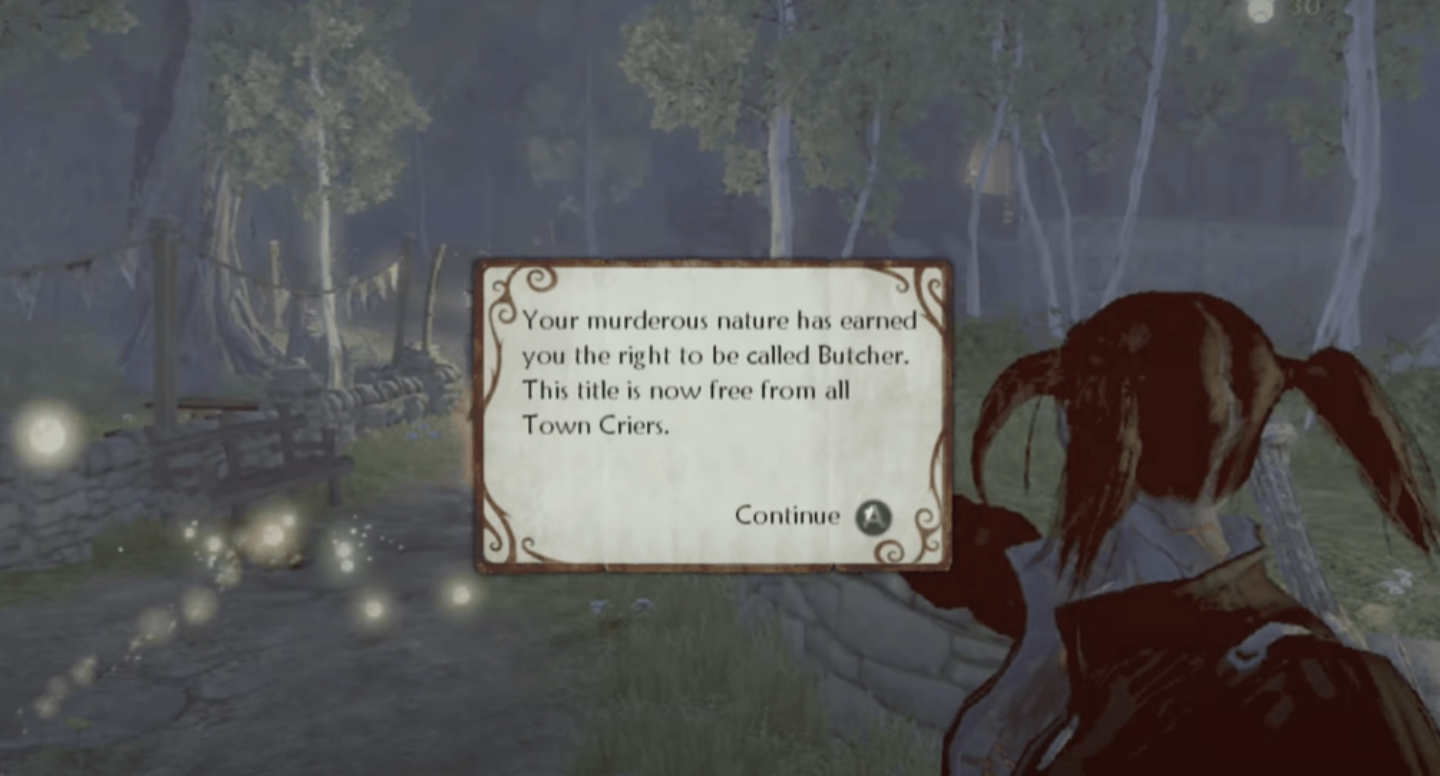

Beyond the Dialogue Tree: How 2026 Narrative RPGs Are Overhauling Player Agency
For years, RPG player choice often came down to one familiar screen:
A → B
Say the nice thing.
Say the aggressive thing.
Pick the dialogue option.
Move on.
But players are starting to expect more.
A meaningful choice isn't really meaningful if the game forgets about it five minutes later.
And that's where modern narrative RPGs are heading: away from choices that simply change dialogue, and toward worlds that actually react.
🎭 What Does Player Agency Actually Mean?
Player agency isn't simply having multiple dialogue options.
It's the feeling that your decisions belong to your version of the story.
That could mean:
- A character remembers what you did.
- A quest becomes unavailable.
- A relationship changes.
- A faction treats you differently.
- A completely different scene becomes available.
- Your earlier actions change what happens later.
The best choice-based games don't just ask:
"What do you want to say?"
They ask:
"What are you willing to live with?"
That difference matters.
💬 Dialogue Trees Are Only the Beginning
Traditional dialogue systems are still useful.
But developers are finding new ways to make choices matter outside conversations.
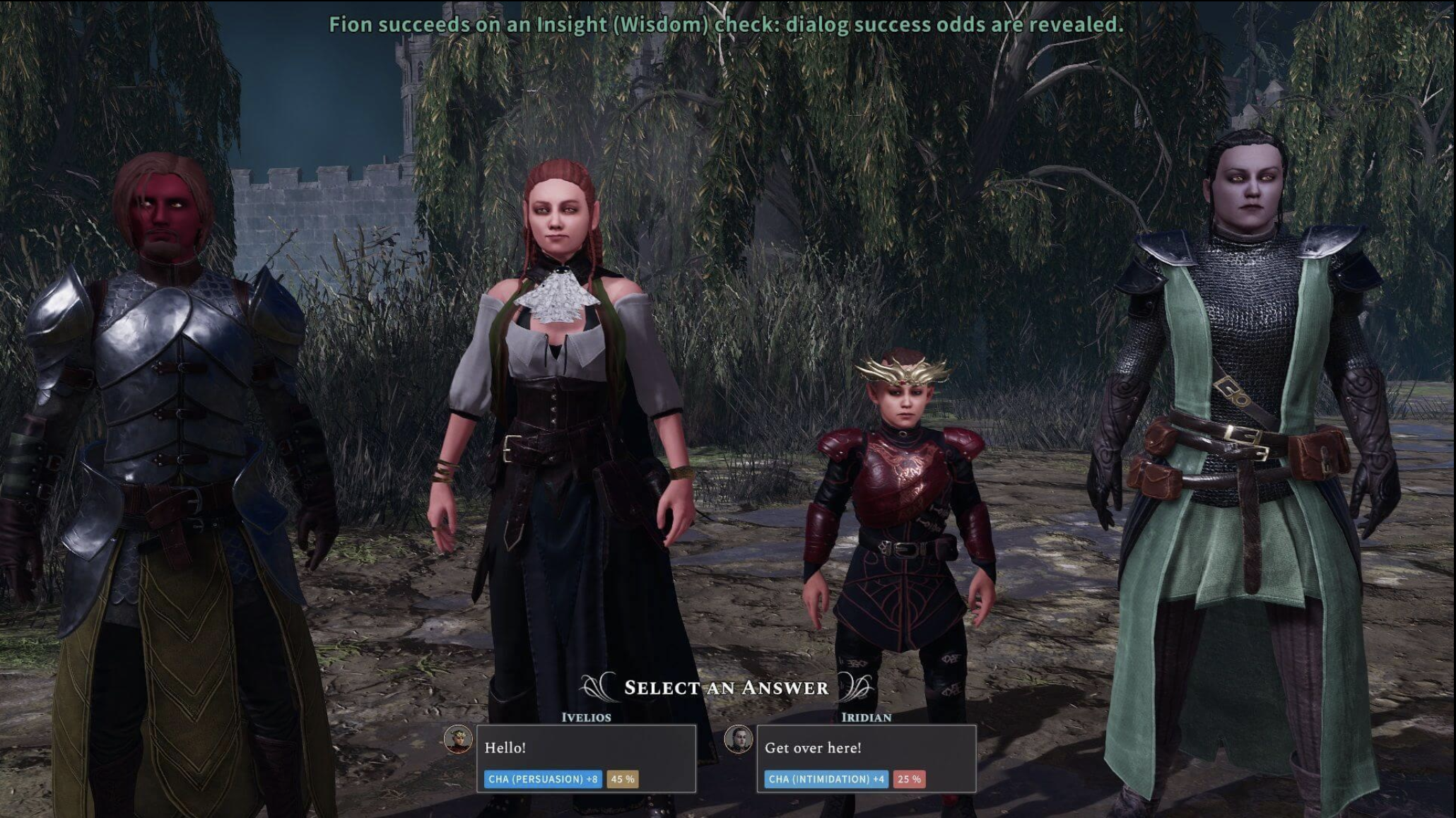
Your character build can influence dialogue.
Your reputation can change how people treat you.
Your relationships can affect who helps you.
Your actions can change which quests exist later.
And sometimes, simply not doing something can become a decision of its own.
That's much closer to how choices work in real life.
There isn't always a dialogue box telling you:
"This decision will have consequences."
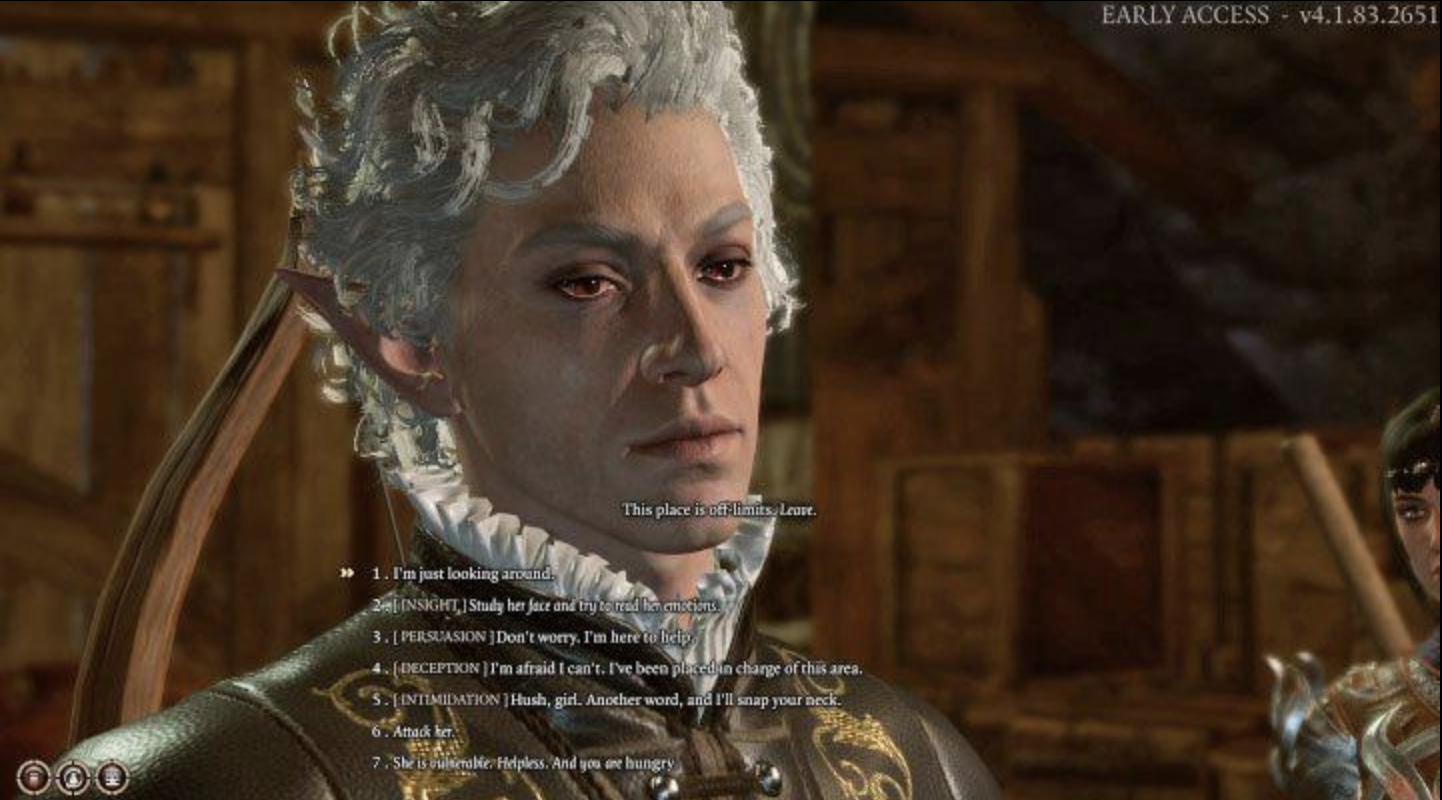
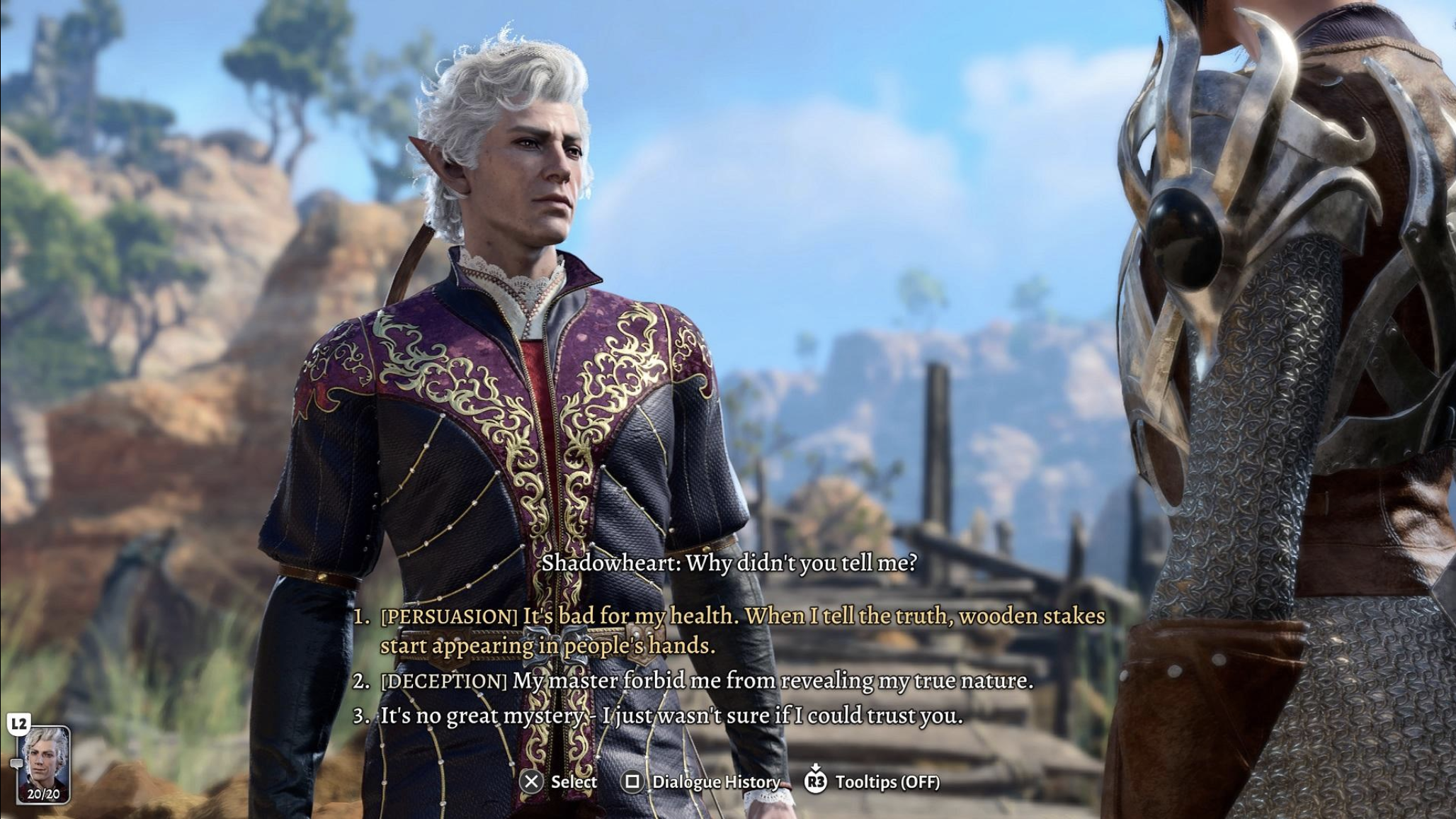
🧠 Baldur's Gate 3 Changed the Expectation
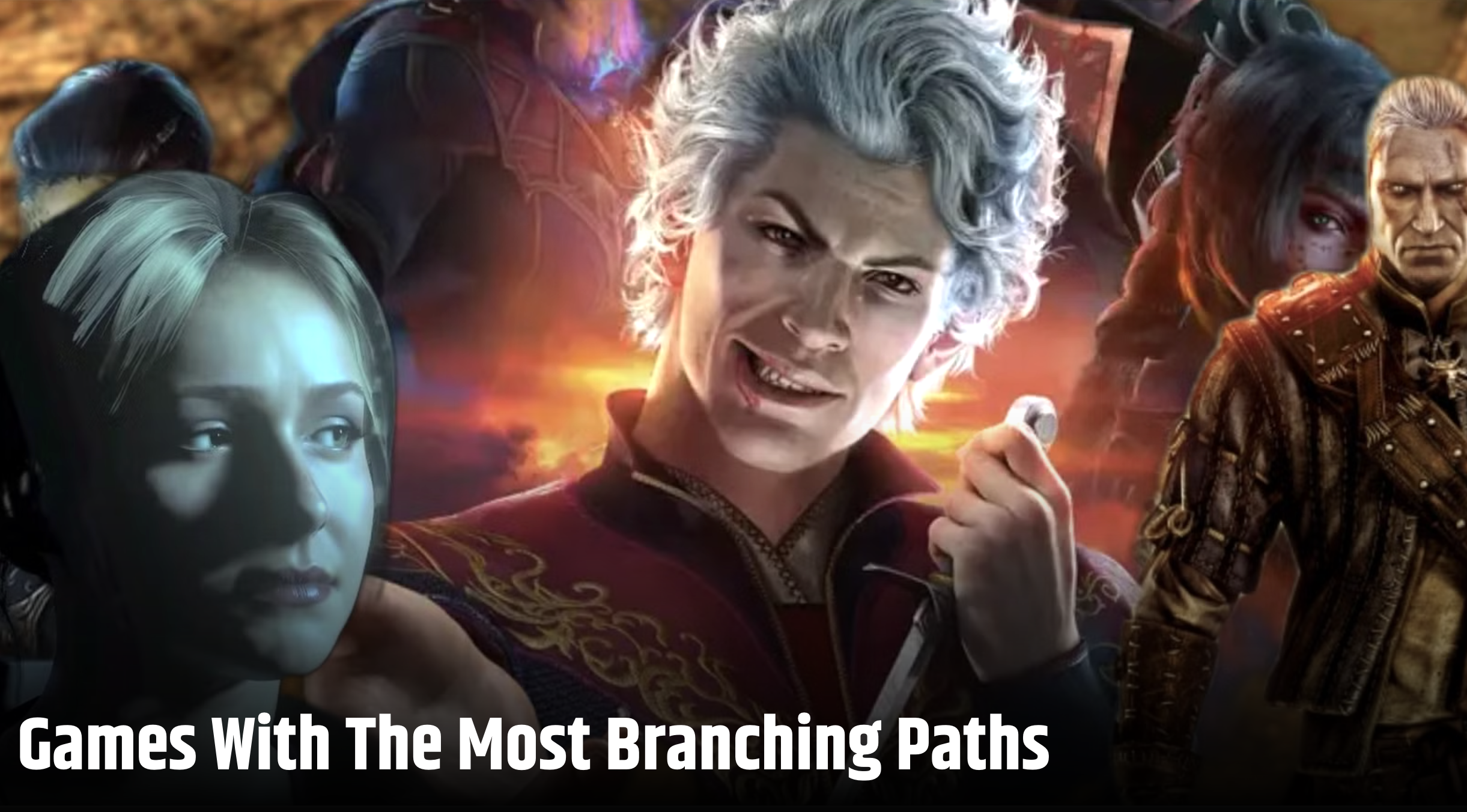
Baldur's Gate 3 is one of the clearest modern examples of this philosophy.
Its reputation isn't just based on having lots of dialogue.
It's the fact that players can approach situations in wildly different ways and still see the game react.
A quest doesn't always have one intended solution.
You might talk your way through something.
Fight.
Sneak around.
Use a spell.
Recruit someone.
Or accidentally create a completely different problem.
That level of flexibility has raised the bar for what players expect from narrative RPGs.
🧩 2026 Is Pushing Agency Into the Systems
This is where things get interesting.
Games are increasingly treating gameplay systems themselves as storytelling tools.
For example, Directive 8020 uses its Turning Points system to give players more control over how its story develops, while still keeping the cinematic structure associated with the Dark Pictures series.
Other RPGs are experimenting with:
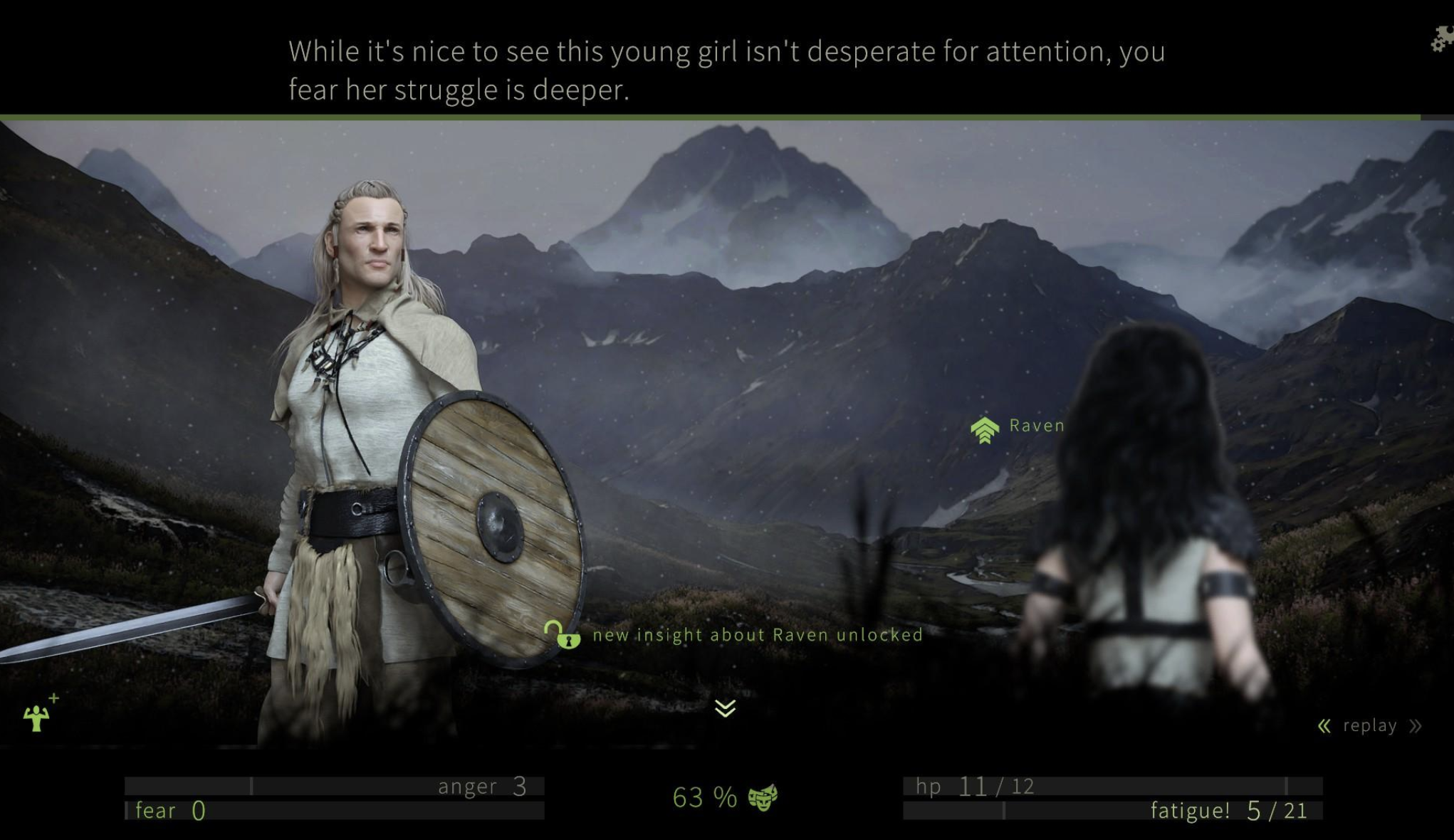
- Reputation systems
- Relationship mechanics
- Character personalities
- Branching quests
- Dynamic consequences
- Multiple endings
- Reactive environments
The idea is simple:
The story shouldn't only react when you select a dialogue option.
It should react because of how you play.
🎮 The Best Choices Might Not Look Like Choices
This could be the biggest change.
Imagine helping a character early in the game.
The game doesn't tell you that you've unlocked anything.
Hours later, that character remembers you.
Maybe they help.
Maybe they betray you.
Maybe they're no longer there because of something else you did.
That's a much more powerful form of agency than:
"Choose A or B."
Because the player isn't just selecting a branch.
They're creating the branch.
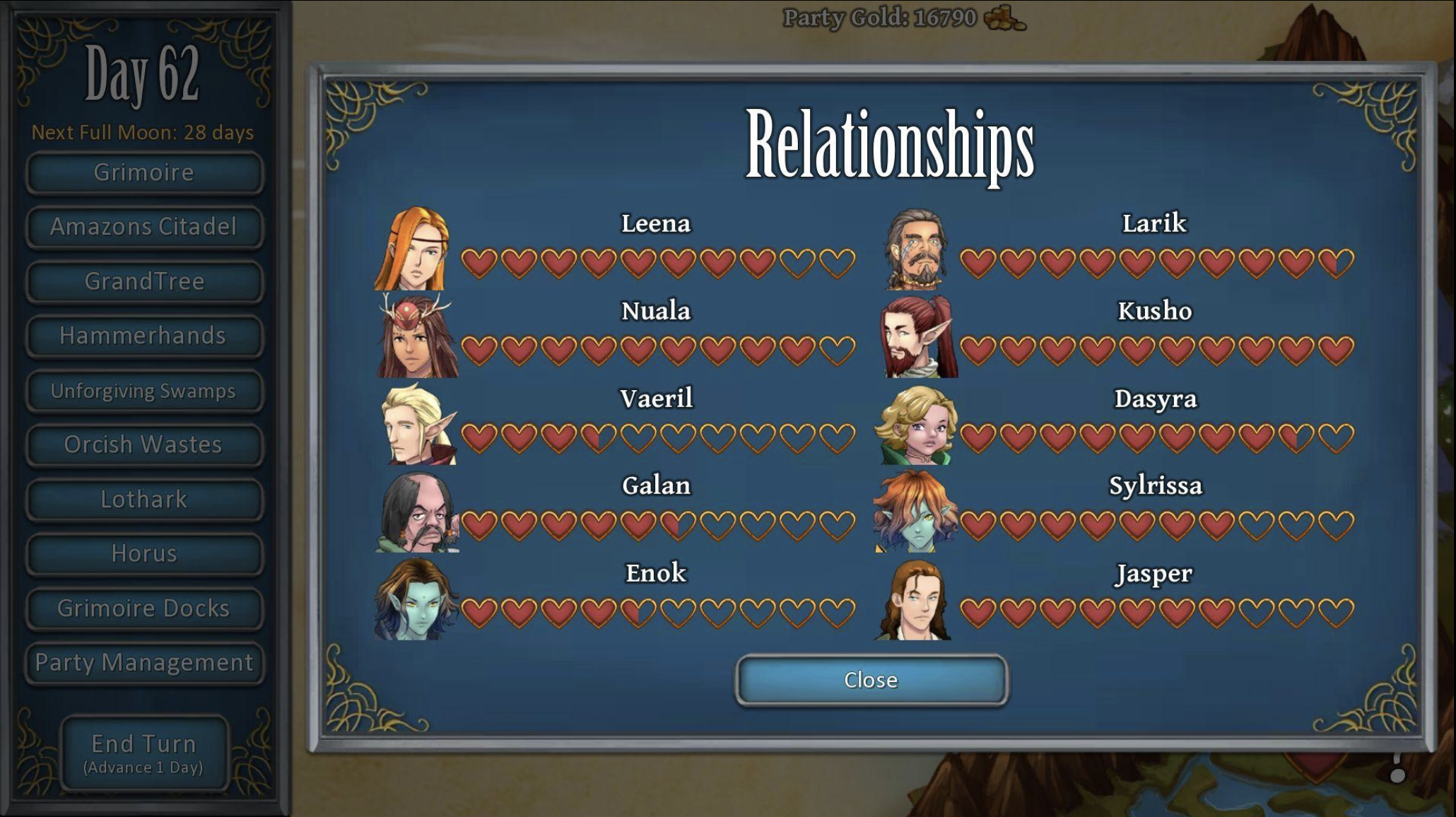
📈 Why Players Want This
Players have become better at recognizing fake choices.
If every option eventually leads to the same scene, people notice.
And once players notice that their decisions don't really matter, the illusion of agency disappears.
That's why games with genuinely reactive systems stand out.
Recent discussion around choice-based games increasingly focuses on whether decisions actually change scenes, relationships and outcomes, rather than simply changing a few lines of dialogue.
Players don't necessarily need hundreds of endings.
They need to believe:
"This happened because of me."
That's the real goal.
🧠 The Hard Part for Developers
There is a catch.
True player agency is incredibly difficult to build.
Every meaningful branch creates more content.
More dialogue.
More animation.
More testing.
More possible bugs.
More narrative combinations developers need to account for.
That's why games can't realistically make every decision create an entirely separate story.
The smarter approach is to create systems that produce different experiences without requiring completely different games.
That's where the future of narrative RPG design could become really interesting.
🔮 What Happens Next?
The next generation of RPGs probably won't abandon dialogue trees.
They'll simply make them one part of a much bigger system.
Your dialogue.
Your combat choices.
Your relationships.
Your reputation.
Your exploration.
Even your mistakes.
All of them can contribute to the story.
And with games like Baldur's Gate 3 raising expectations, upcoming narrative RPGs have a much higher standard to meet.


Comments
Sign in to join the conversation
Sign inNo comments yet
Be the first to share your thoughts!