
AMD Radeon RX 8900 XTX Leaks: The RDNA 4 Flagship That Never Reached Gamers
AMD's RDNA 4 generation could have looked very different.
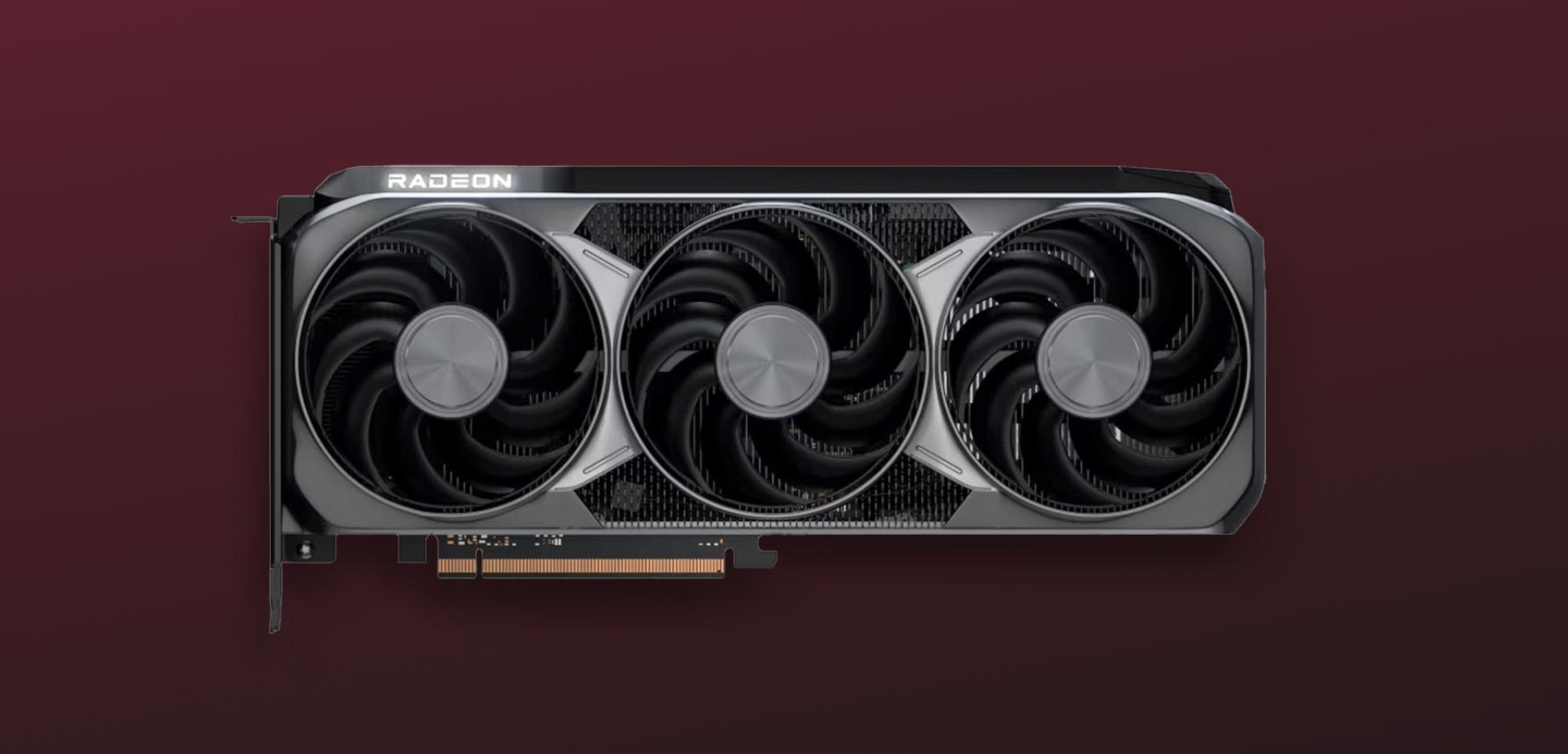
Before the company launched its Radeon RX 9000 series, rumors and technical leaks pointed toward a much larger GPU design that appeared destined for the enthusiast market. The rumored Radeon RX 8900 XTX was expected to sit at the top of the RDNA 4 family and potentially challenge Nvidia's fastest gaming cards.
That GPU never arrived.
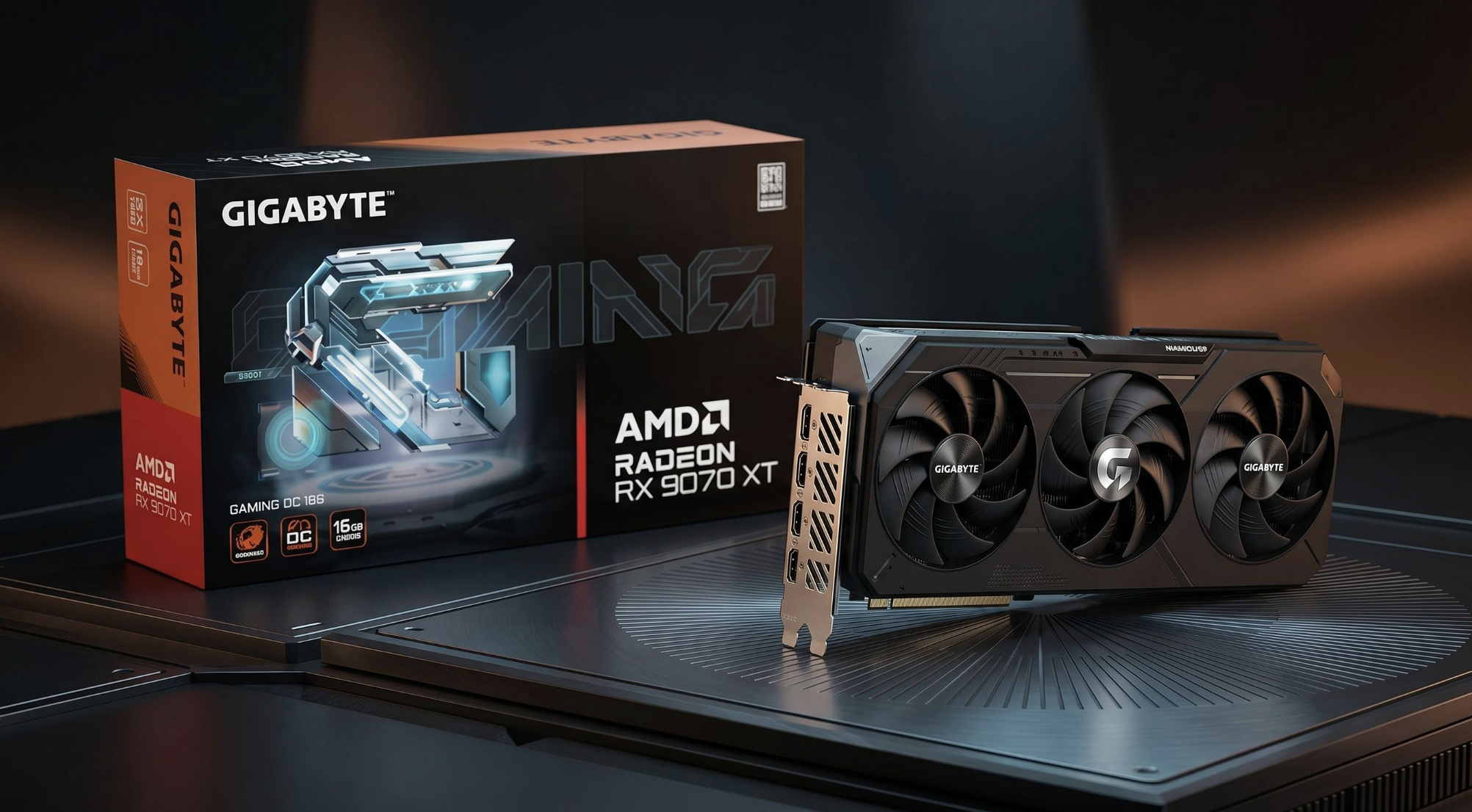
Instead, AMD launched RDNA 4 with the Radeon RX 9070 XT and RX 9070, focusing on a more competitive part of the market rather than directly fighting Nvidia's flagship products.
That makes the RX 8900 XTX one of the more interesting "what if" stories in recent GPU history.
🧩 What Was the RX 8900 XTX Supposed to Be?
The RX 8900 XTX name came from the broader wave of RDNA 4 leaks that emerged before AMD's official product launch.
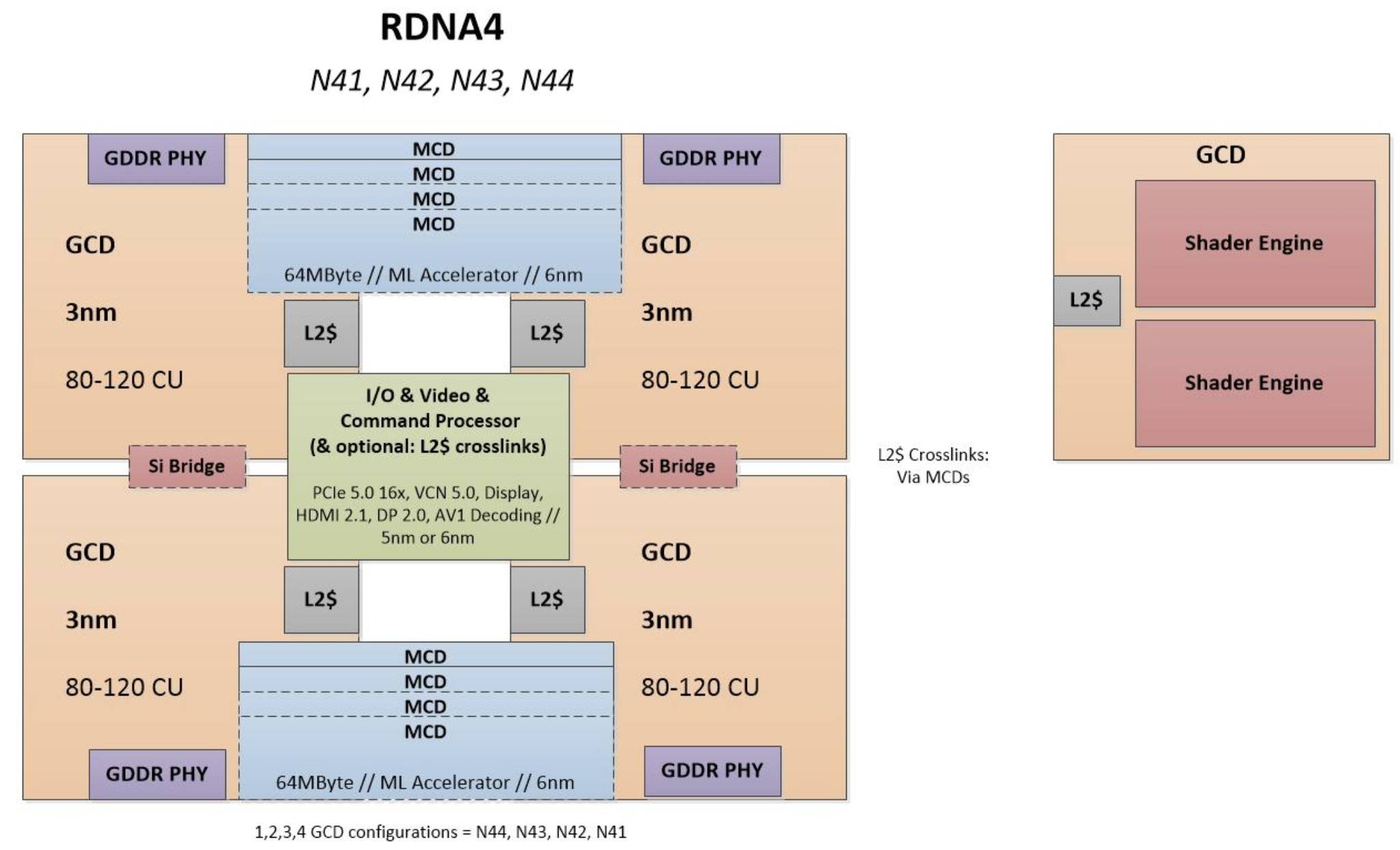
At the center of those reports was a much more ambitious GPU design known as Navi 4C. Unlike the Radeon cards that ultimately reached stores, this rumored design was reportedly being developed as a large, multi-chiplet GPU.
Leaked information suggested a design with nine shader engines, compared with six on the RX 7900 XTX. Other reports pointed toward a highly complex multi-chiplet configuration, with estimates ranging from 13 to 20 chiplets and potentially around 200 compute units.
Those figures were never confirmed by AMD, so they should be treated as leaked specifications rather than final hardware specifications.
Still, they reveal how ambitious the original RDNA 4 strategy may have been.
⚡ The RTX 4090 Was the Target Class
The most exciting part of the RX 8900 XTX rumors was the potential performance.
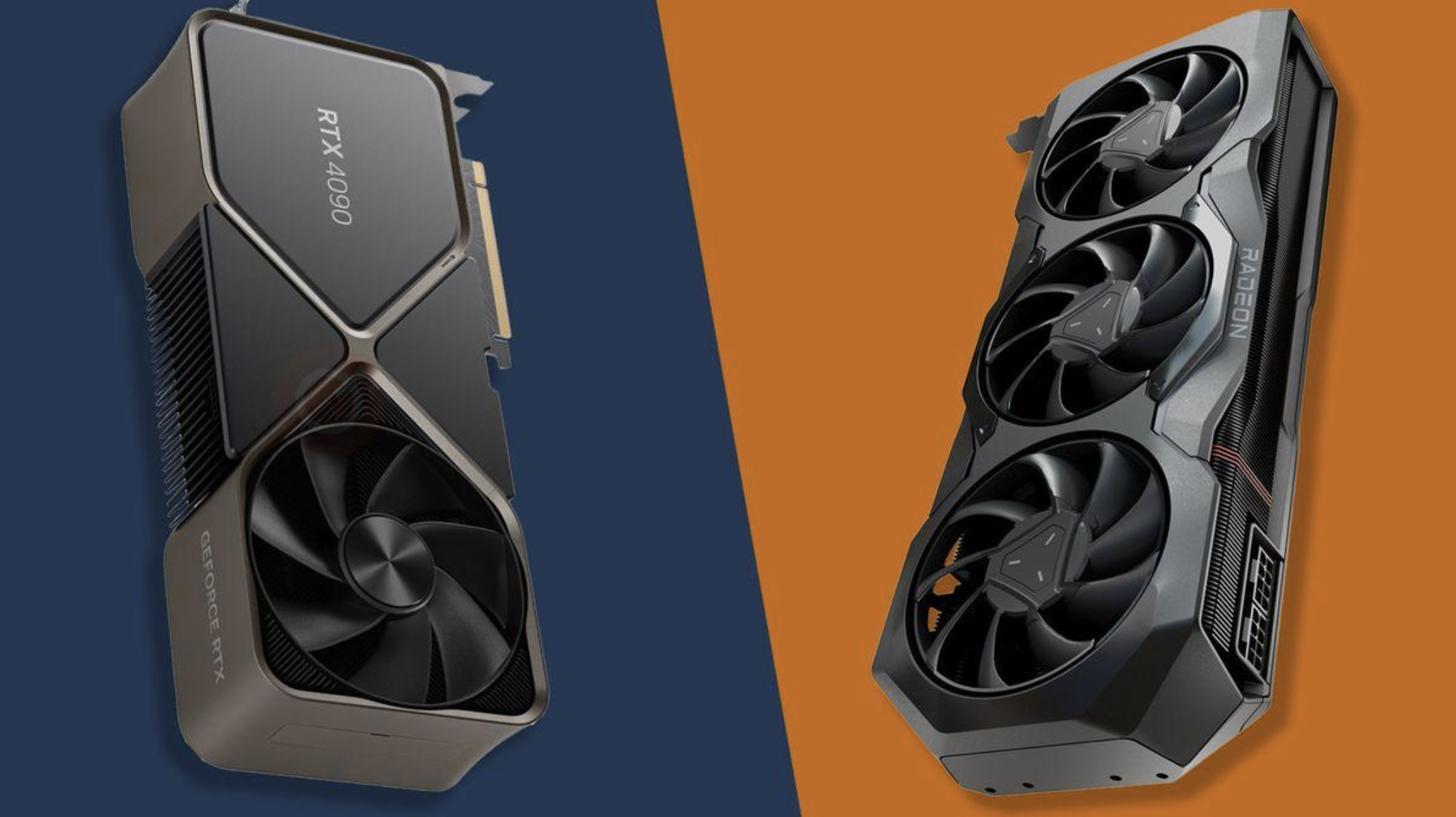
Some reports and speculation suggested that AMD's cancelled high-end RDNA 4 design could have competed directly with Nvidia's GeForce RTX 4090 in traditional rasterized gaming.
That would have been a major step for AMD.
The RX 7900 XTX already competed aggressively with Nvidia's high-end cards, but AMD's position at the very top remained difficult. A much larger RDNA 4 GPU could theoretically have given AMD the hardware needed to make a genuine flagship push.
However, there is an important distinction between a leaked specification and a benchmark result.
There is no retail RX 8900 XTX that reviewers could test. That means claims that the card "destroyed" the RTX 4090 or delivered a specific percentage advantage should not be presented as verified benchmark results.
The interesting story is the architecture AMD was reportedly exploring, not a performance victory that never happened.
🔋 What About the Lower Power Claims?
Another part of the leaked RX 8900 XTX story was efficiency.
AMD had already been moving toward chiplet-based GPU designs with RDNA 3, and RDNA 4 brought further architectural changes aimed at improving efficiency, ray tracing and AI capabilities.
That created speculation that a future high-end RDNA 4 design could potentially deliver significantly more performance without simply increasing power consumption.
But again, this is where leaked information needs to be separated from measurable results.
There is no verified power-consumption test for a retail RX 8900 XTX, because the card never reached consumers.
The actual RX 9070 XT launched with a 304W total board power rating, giving us a much clearer picture of where AMD's shipping RDNA 4 products landed.
🛠️ Why Was the Huge GPU Abandoned?
This is where the RX 8900 XTX story gets particularly interesting.
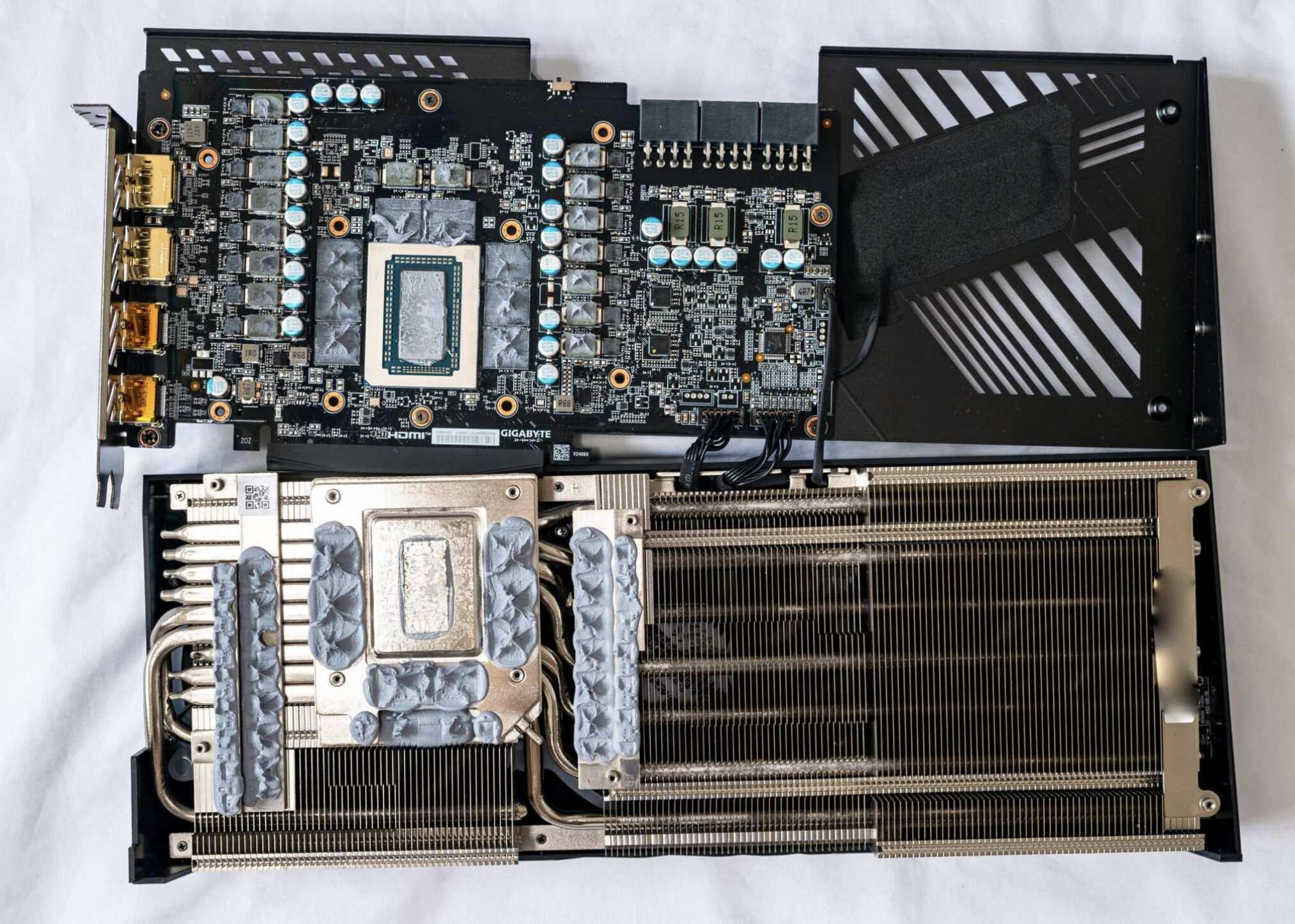
Building an enormous multi-chiplet gaming GPU is not simply a matter of putting more compute units onto a larger package.
As GPUs become more complicated, communication between chiplets, memory access, latency, power delivery, thermals and software scheduling all become more difficult.
AMD had already taken a chiplet approach with RDNA 3. Scaling that philosophy into an enormous enthusiast GPU would have introduced another level of engineering complexity.
Reports around the cancelled Navi 4C design suggest that AMD eventually decided not to take that route for a consumer flagship.
Rather than launch a giant GPU and compete with Nvidia at the highest possible price and power levels, AMD redirected RDNA 4 toward the segment represented by the RX 9070 family.
That was a significant strategic decision.
🎯 AMD Changed the Definition of Its Flagship
When AMD officially unveiled RDNA 4, the company did not announce an RX 8900 XTX.
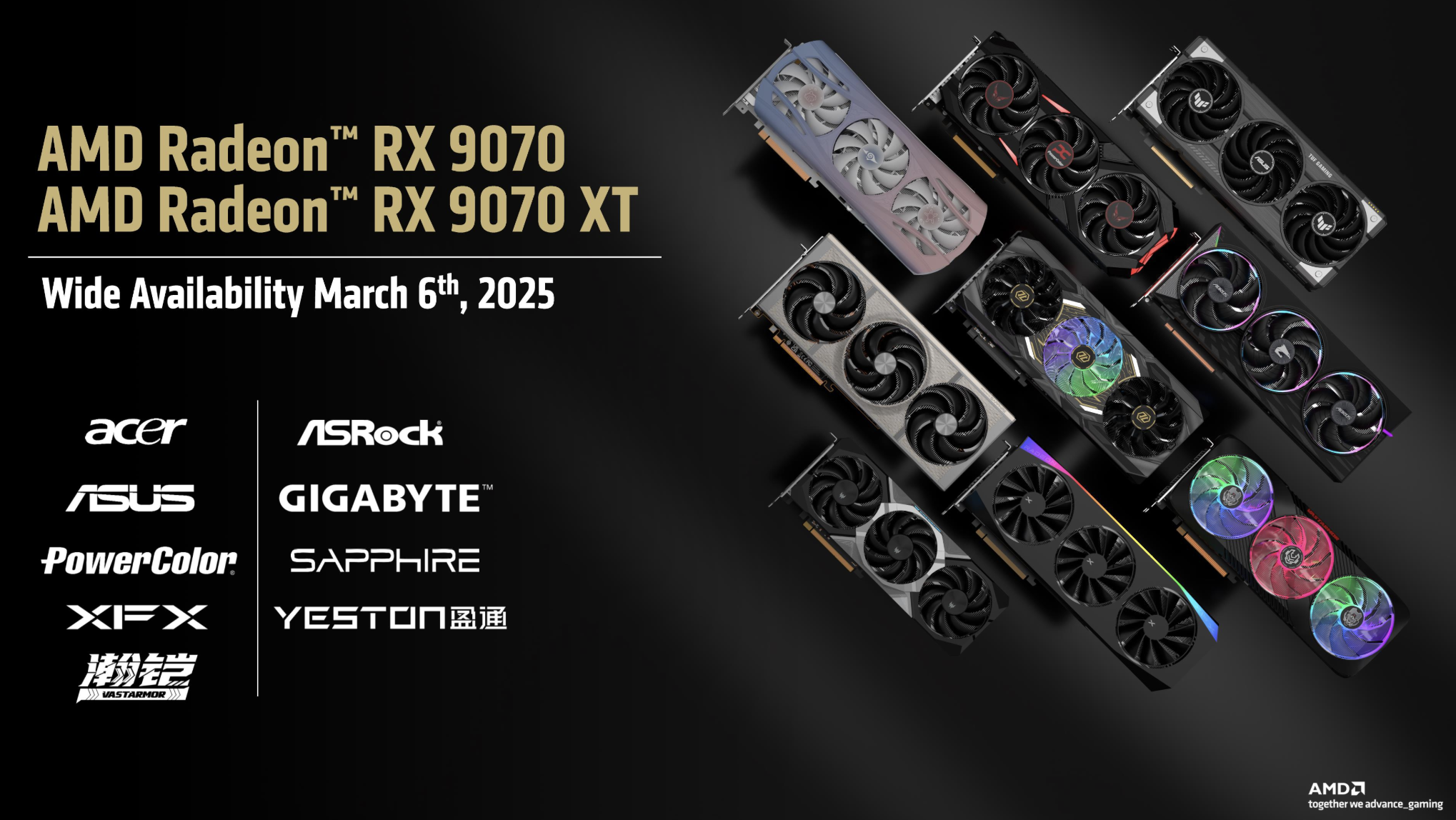
Instead, AMD introduced the Radeon RX 9070 XT and RX 9070.
The RX 9070 XT arrived with 64 compute units, 16GB of GDDR6 memory and a 304W total board power rating. AMD also introduced its second-generation ray-tracing accelerators and second-generation AI accelerators with the architecture.
That specification tells us a lot about AMD's priorities.
Rather than chasing the biggest possible GPU, AMD concentrated on improving rasterization, ray tracing, AI performance and efficiency while competing in a segment where price-to-performance mattered more.
In other words, AMD didn't necessarily abandon performance.
It abandoned the idea that it needed the biggest possible chip to compete.
🟢 What RDNA 4 Actually Delivered
The final RDNA 4 architecture still represented an important upgrade for AMD.
AMD redesigned its ray-tracing architecture and introduced second-generation AI accelerators. The company also positioned the RX 9000 series around better performance-per-dollar rather than simply pursuing the most expensive GPU on the market.
This is important because the RX 8900 XTX leaks can make RDNA 4 look like a generation that failed to deliver its original ambitions.
That's not necessarily the right conclusion.
The architecture shipped.
What changed was where AMD chose to compete.
The company effectively moved the fight away from Nvidia's absolute flagship tier and toward a much broader performance segment.
🆚 The Nvidia Battle AMD Chose Not to Fight
For years, GPU launches have followed a familiar pattern.
Nvidia produces its enormous flagship, AMD responds with its own high-end card, and both companies compete over who can deliver the highest frame rates.
The rumored RX 8900 XTX could have continued that cycle.
Instead, AMD stepped away.
That doesn't mean Nvidia's high-end position became unimportant. It means AMD decided that chasing the halo product wasn't necessarily the best use of its GPU resources.
The RX 9000 strategy suggests AMD wanted to compete where more gamers actually buy graphics cards, rather than spending enormous amounts of silicon and engineering effort on a product aimed at the smallest part of the market.
That makes the cancelled RX 8900 XTX more than just another GPU rumor.
It represents a potential change in AMD's entire graphics strategy.
🔮 What Happens Next?
The RX 8900 XTX may never become a real product, but its story could still matter for future Radeon generations.
AMD has demonstrated that it is willing to experiment with increasingly sophisticated GPU architectures. At the same time, the company has shown that it doesn't have to pursue the largest possible gaming GPU every generation.
Future Radeon products could still return to the enthusiast segment, but that would depend on AMD's architecture, manufacturing strategy and the competitive landscape at the time.
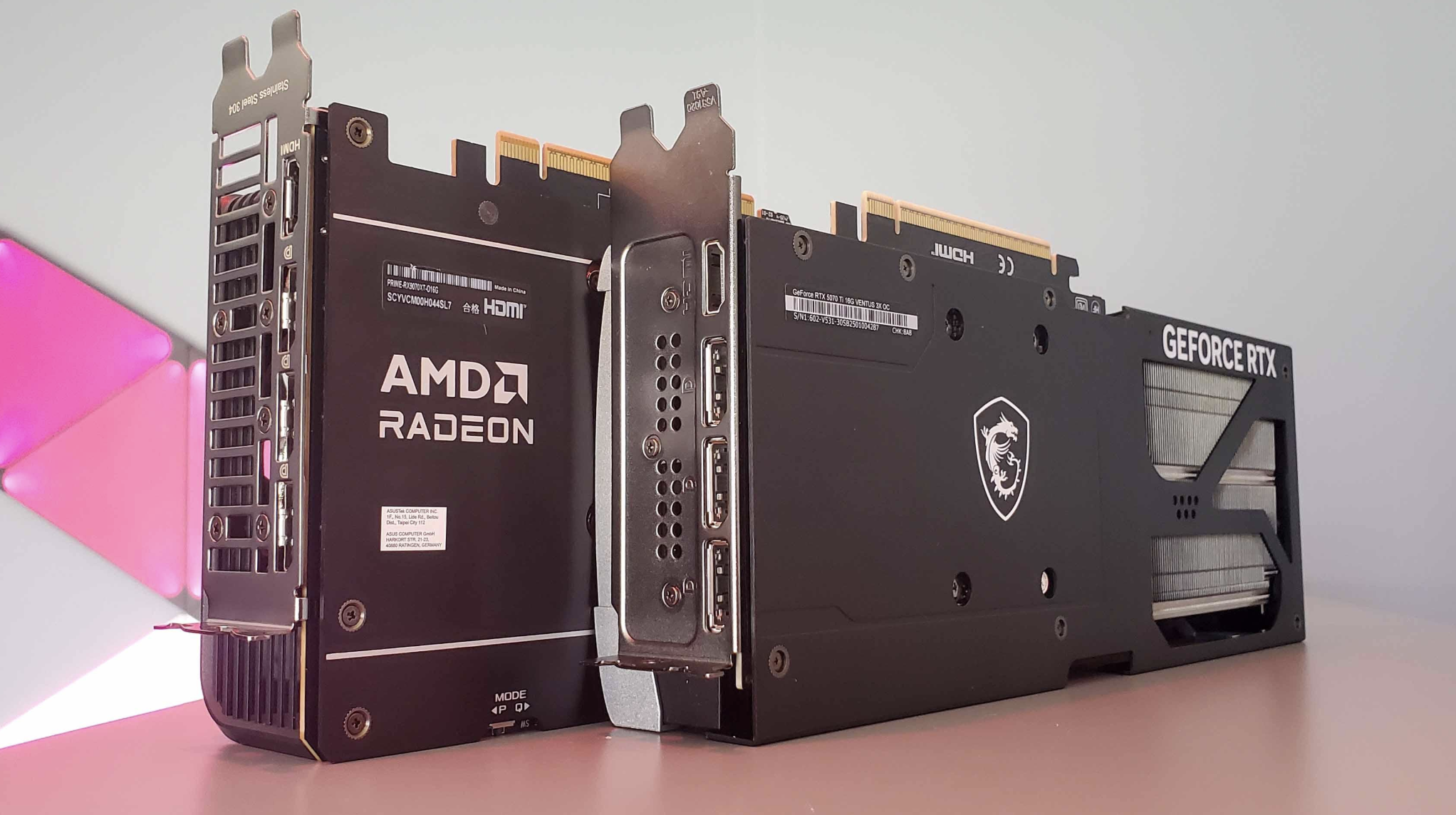
For now, there is no confirmed RX 8900 XTX sitting behind the RX 9070 XT.
The flagship exists only in the trail of leaks and cancelled designs that surrounded RDNA 4.
🎮 The Bottom Line
The RX 8900 XTX story is a fascinating example of what AMD's RDNA 4 generation could have looked like.
The leaks described a potentially enormous flagship GPU that might have challenged Nvidia's high-end cards. But those performance claims were never validated by retail hardware, and AMD ultimately cancelled the high-end design in favor of the RX 9000 series.
So rather than being the Radeon that finally dethroned Nvidia, the RX 8900 XTX is better understood as the flagship AMD considered, but ultimately decided not to build.
Would you have preferred AMD to release the massive RDNA 4 flagship, even if it meant higher power consumption and a much higher price?