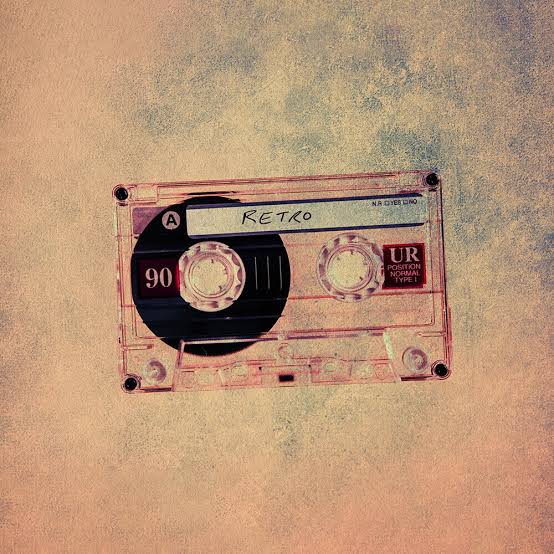

Nostalgia memes have taken over the internet in 2026 in a way that feels almost unavoidable. From old cartoon clips and early 2000s gaming references to retro music edits and childhood TV moments, social media feeds are constantly filled with content that looks backward instead of forward. What makes this trend especially interesting is that it is not limited to one platform or age group. Whether it is Instagram reels, TikTok edits, YouTube shorts, or even Discord communities, nostalgia-driven content has become a shared online language.
One of the biggest reasons nostalgia memes are everywhere is the emotional comfort they provide. In a fast-moving digital world filled with constant updates, trends, and information overload, people naturally gravitate toward content that feels familiar. Old cartoons, childhood games, and early internet jokes create a sense of safety and simplicity. They remind users of a time when life felt less complicated, even if that memory is idealized. This emotional pull is strong enough that users actively engage, share, and recreate such content.
Another major factor is the age group dominating social media today. A large portion of active users in 2026 are Gen Z and younger millennials who grew up during the 2000s and early 2010s. This generation now has enough distance from their childhood to feel nostalgic about it, but not so much that they have forgotten it. As a result, references like old Disney shows, early gaming consoles, and classic internet memes instantly resonate with them. When someone sees a familiar scene from their childhood, it creates an immediate emotional reaction that newer content often cannot match.
Algorithms also play a huge role in pushing nostalgia memes to the forefront. Social media platforms are designed to maximize engagement, and nostalgia content performs extremely well in terms of watch time, shares, and comments. When users interact with a nostalgic post, even for a few seconds longer than average, algorithms interpret it as highly engaging content. This leads to more distribution, which creates a cycle where nostalgia memes keep appearing more frequently in feeds.
Another reason is the simplicity of nostalgia content compared to modern trends. Many current internet trends are fast, complex, or heavily tied to specific subcultures. In contrast, nostalgia memes rely on universally recognizable material. A clip from a popular old cartoon or a reference to a classic game does not need explanation. It is instantly understood by millions of users. This makes it easier for creators to produce content and for audiences to engage without confusion.
The rise of AI-generated content has also contributed to the nostalgia wave. In 2026, creators are using AI tools to recreate old visuals, enhance retro aesthetics, and even simulate forgotten media styles. This has led to a flood of “what if” content, such as reimagined childhood shows in modern animation styles or AI-restored versions of low-quality old clips. These creations blur the line between memory and imagination, making nostalgia feel more vivid and accessible than ever before.
Another important factor is the cultural cycle of trends. Internet culture tends to recycle itself every few years. What was once outdated becomes cool again as it reappears in a new context. Memes from the early days of social media are now being revived and remixed for modern audiences. This recycling effect keeps nostalgia content constantly fresh, even though its source material is old.
Nostalgia memes also thrive because they create a sense of community. When people recognize the same reference, it builds an instant connection. Comment sections often become spaces where users share their own memories related to the meme, turning simple content into collective storytelling. This shared experience strengthens engagement and encourages more users to participate in nostalgia-based conversations.
In addition, modern life plays a psychological role in this trend. With increasing digital pressure, academic competition, work stress, and constant online comparison, many users subconsciously seek escape. Nostalgia content offers that escape by transporting them to a mental version of the past that feels simpler and happier. Even if the past was not objectively better, the emotional perception of it is what matters most.
Creators also prefer nostalgia memes because they are easier to make viral. Instead of trying to invent something completely new, they can remix existing cultural material that already has emotional value. This lowers creative risk while increasing the chance of high engagement. As a result, even professional content creators and brands are tapping into nostalgia marketing to connect with audiences.
Finally, nostalgia memes are everywhere in 2026 because the internet itself is aging. Digital culture now has enough history to look back on itself repeatedly. What was once “modern internet culture” is now becoming archival material. As more time passes, even recent trends start to feel nostalgic, which expands the pool of content endlessly.
In the end, nostalgia memes dominate because they combine emotion, familiarity, simplicity, and cultural recycling in a way that few other content types can match. They are not just jokes about the past, they are emotional shortcuts that help people feel connected, comforted, and understood in an increasingly fast-paced digital world.
Comments
Sign in to join the conversation
Sign inNo comments yet
Be the first to share your thoughts!