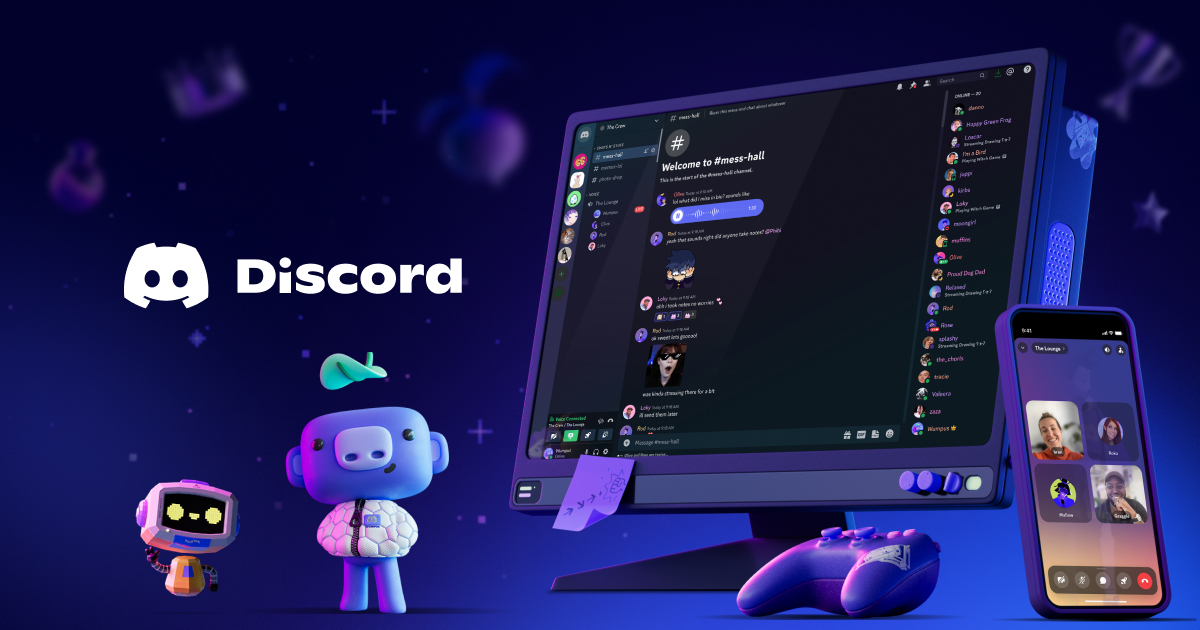

In an internet landscape dominated by social media giants, Discord has quietly become one of the fastest-growing and most influential platforms in the world. What started in 2015 as a communication tool designed primarily for gamers has evolved into a global hub for communities of all kinds. Today, Discord is home to millions of users who gather to discuss technology, education, entertainment, business, cryptocurrency, artificial intelligence, music, sports, and countless other interests. Its growth reflects a larger change in how people want to connect online, moving away from endless content consumption and toward meaningful interaction within communities. Over the past few years, Discord has transformed from a niche platform primarily used by gamers into one of the internet's most popular community-building tools. Its rapid growth can be attributed to a fundamental shift in how people want to interact online.
This community-first approach has become increasingly attractive as internet users seek more authentic online experiences. Many people are experiencing fatigue from traditional social media, where viral trends, advertisements, and algorithmic recommendations often dominate their attention. Discord offers a more personal environment where interactions feel genuine and where users have greater control over the conversations they engage in. Communities on Discord are typically organized around specific interests, making discussions more relevant and valuable than the broad, public conversations found on many social networks. While traditional social media platforms focus on broadcasting content to large audiences through algorithms, Discord emphasizes real conversations and meaningful connections. Users are increasingly looking for spaces where they can engage with like-minded people, share ideas, and participate in discussions without constantly competing for attention in crowded social feeds. Discord provides exactly that experience through its server-based structure, allowing communities to form around specific interests, hobbies, professions, and passions. One of the biggest reasons for Discord's success is its ability to combine multiple forms of communication in a single platform.
Users can chat through text channels, join voice conversations, participate in video calls, and even share their screens, making interactions feel more natural and engaging. This versatility has made Discord appealing not only to gamers but also to students, developers, content creators, entrepreneurs, and online communities of all kinds. Whether someone wants to study with classmates, collaborate on a software project, discuss the latest technology trends, or connect with fans, Discord offers a dedicated space for those interactions to happen in real time. Many creators use Discord servers to share exclusive content, host live Q&A sessions, offer premium memberships, and build close-knit communities around their brands. This direct connection benefits both creators and community members, creating stronger engagement and loyalty.
Another major factor driving Discord's growth is the rise of the creator economy. Many creators are moving beyond traditional social media platforms and building communities directly on Discord, where they can interact with their most dedicated followers. Instead of relying on unpredictable algorithms to reach their audience, creators can communicate directly with community members, host live discussions, share exclusive content, and gather instant feedback. This creates stronger relationships between creators and their audiences while fostering a sense of belonging that is often missing on larger social networks. Discord's flexibility and customization options have also played a crucial role in its popularity. Server owners can organize channels, assign roles, automate tasks using bots, and create unique experiences tailored to their communities. This level of control allows both small groups and large organizations to build spaces that suit their specific needs. At the same time, the platform's focus on community moderation helps maintain healthier and more productive discussions compared to many public social media environments. Businesses and organizations are also recognizing the value of Discord as a community-building platform. Rather than simply attracting followers on social media, companies are increasingly focused on creating spaces where customers can interact with one another and provide feedback. Discord servers allow businesses to communicate directly with users, answer questions, gather insights, and foster long-term relationships. This shift from audience-building to community-building reflects a broader trend in digital marketing, where engagement and loyalty are becoming more important than sheer follower counts.
In conclusion, perhaps the most important reason behind Discord's continued growth is the increasing demand for authentic online experiences. As users become overwhelmed by endless scrolling, targeted advertisements, and algorithm-driven content, many are seeking smaller, interest-based communities where conversations feel genuine. Discord offers an alternative that prioritizes interaction over virality and relationships over reach. In an era where digital connections matter more than ever, Discord has positioned itself as a platform where people can find community, collaborate with others, and engage in meaningful discussions. This community-first approach is not just fuelling Discord's growth today, it is shaping the future of online communication.