
Game of Thrones: War for Westeros Review: Why 'Rule of Cool' Is Ruining the Meta
Dragons breathing fire across the battlefield look incredible in a trailer.
They look a lot less fun when one unit single handedly decides a match before it really starts.
That is the exact tension sitting at the center of Game of Thrones: War for Westeros right now, based on the early skirmish build currently available to preview.
PlaySide Studios clearly wants spectacle. Whether that spectacle comes at the cost of real tactical depth is the question this review digs into.
The Trend: A Licensed RTS Built for Big Moments First
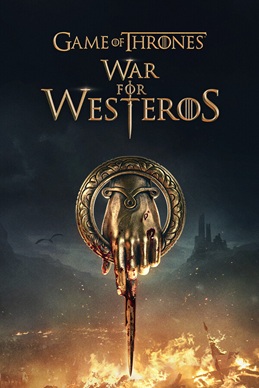
According to Wikipedia's entry on the game, PlaySide Studios revealed War for Westeros at Summer Game Fest on June 6, 2025.
Warner Bros. Interactive Entertainment backed the announcement.
A full release is currently targeted for early 2027 on PC.
Core features confirmed for the full game:
- Four playable factions: House Stark, House Lannister, House Targaryen, and the Night King
- Battles staged across recognizable locations, including King's Landing and The Wall
- A story campaign alongside a competitive skirmish mode
- Dragons, giants, and named hero units fighting alongside standard troops
That mix of iconic monsters and named heroes is exactly where this review's central problem begins.
What the Early Demo Actually Shows
Right now, access to War for Westeros is narrow.
According to Westeros.org's hands on preview, the current build only includes one versus one skirmish matches.
Two maps. Two factions. Nothing more, for now.
The current preview build in detail:
- Maps limited to Ashemark and Greywater Watch
- Only House Stark and House Lannister are playable
- The campaign, along with Targaryen and White Walker factions, remains unreleased
- Bugs and balance issues are openly acknowledged as still in progress
That transparency matters.
This is not a finished product being judged here. It is a narrow, early slice, with balance work explicitly unfinished.
Spectacle by Design: How Battles Actually Look
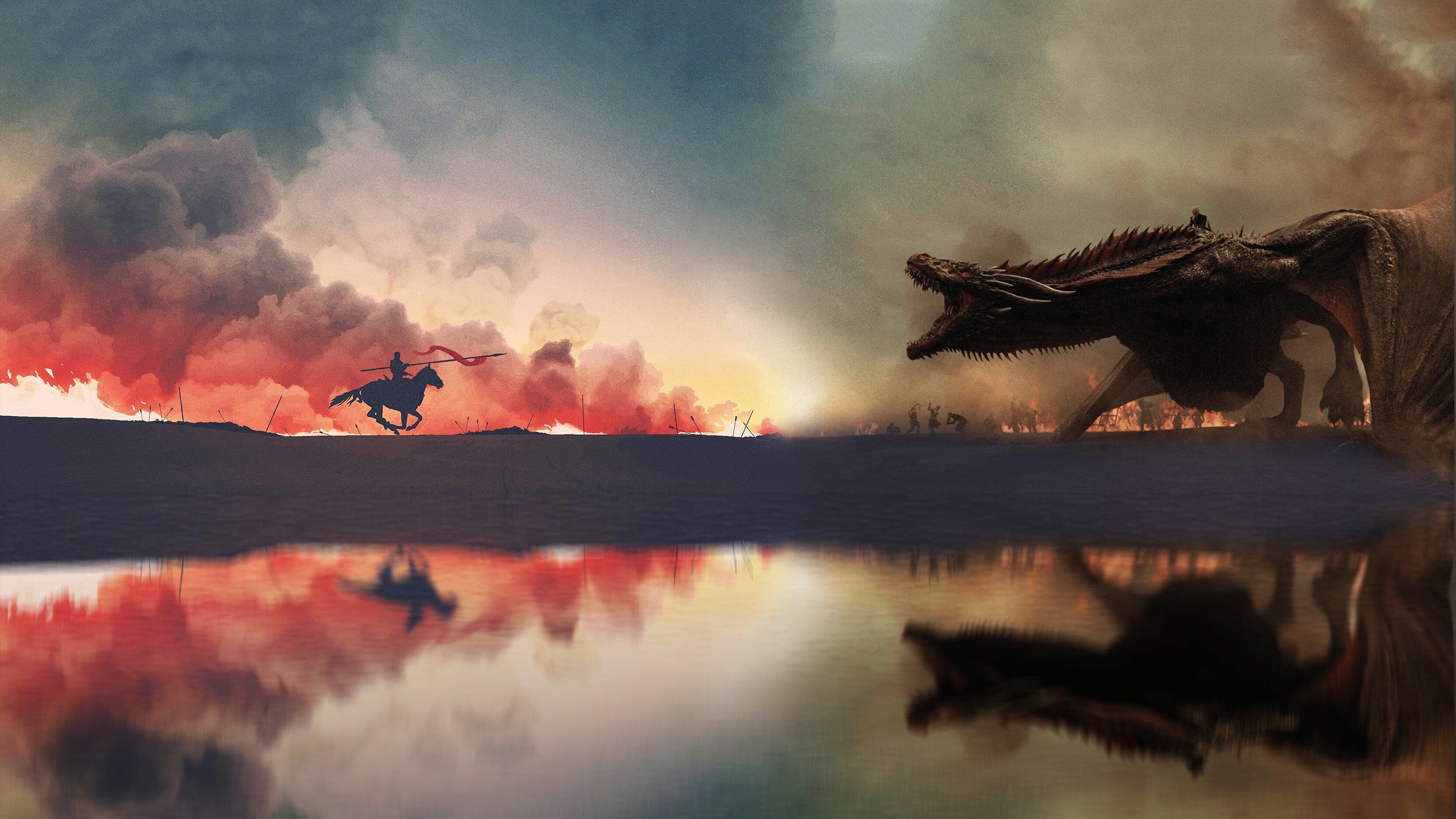
The cinematic ambition shows up immediately once units start clashing.
According to the same Westeros.org preview, individual units are not represented as single soldiers.
Each unit instead renders as a small cluster of fighting figures.
Why that choice shapes the entire feel of combat:
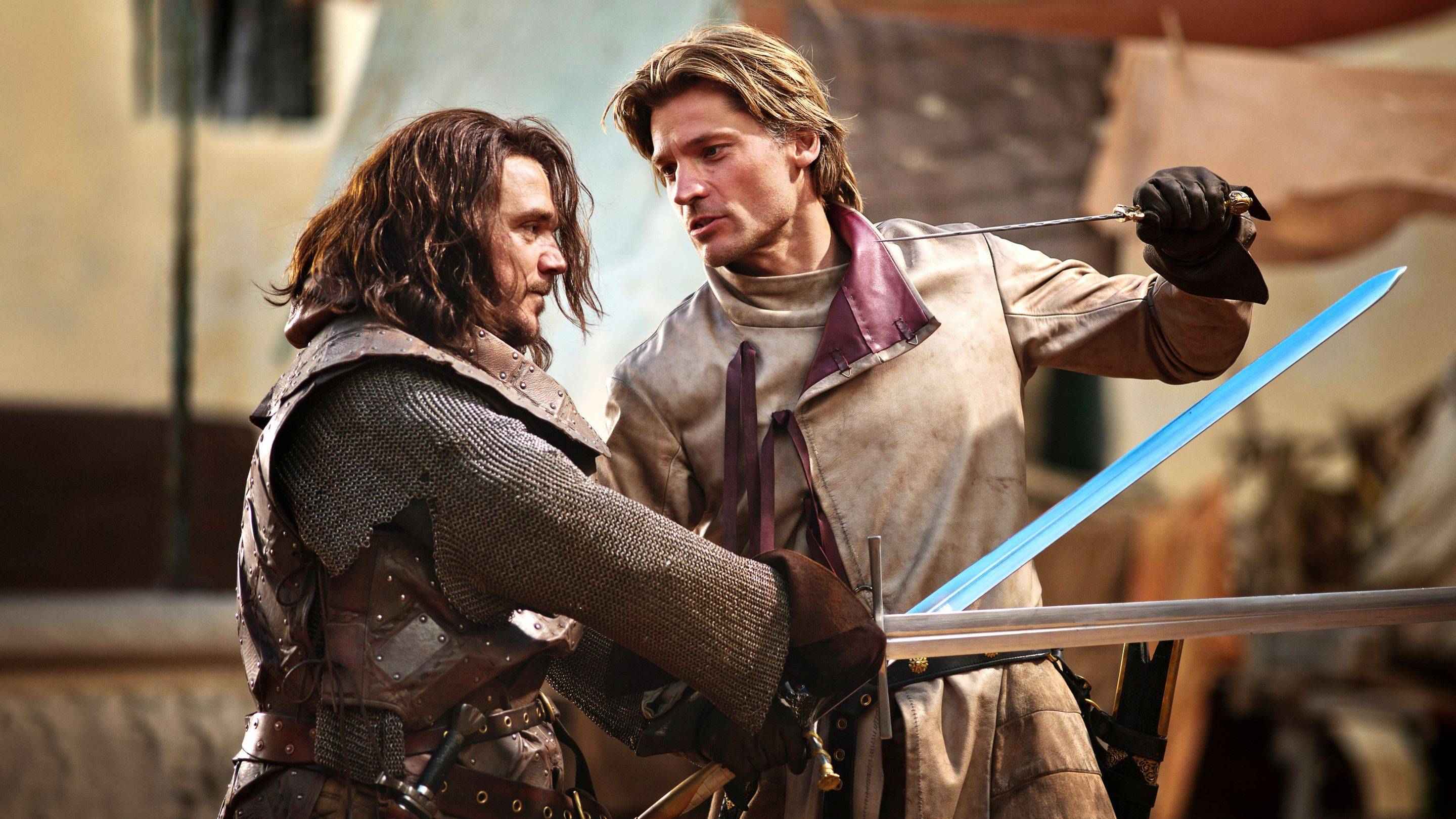
- A single order can throw a hundred or more figures into one fight
- Big battles quickly turn visually chaotic and hard to read from a zoomed out camera
- The previewer specifically struggled to track exactly which unit was hitting what mid battle
- This is a clear design bet on scale and drama over precise tactical clarity
Older strategy games often used one figure per unit, trading scale for readability.
War for Westeros is making the reverse trade, chasing cinematic chaos over crisp battlefield information.
The Real Problem: Heroes and Monsters vs Balance
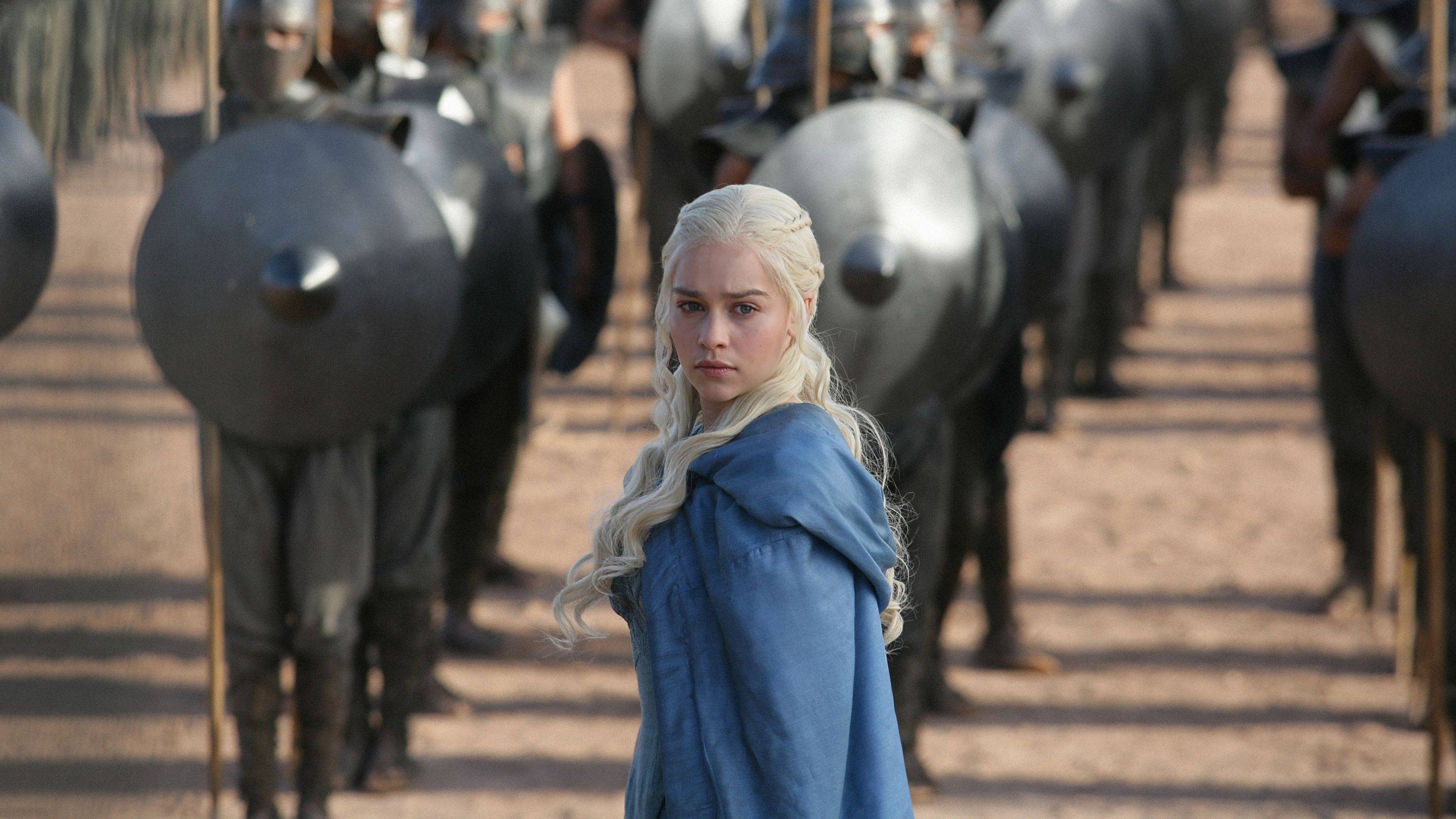
Dragons and giants make for incredible trailer moments.
They are also the single biggest threat to competitive fairness in any strategy game that includes them.
Where the balance risk actually comes from:
- Dragons and giants create dramatic swings that standard infantry simply cannot match evenly
- Hero units modeled closely after the show risk feeling mechanically overtuned compared to generic troops
- Once a spectacle unit proves too strong, entire strategies collapse into just protecting or rushing that one unit
- Balancing "feels powerful and iconic" against "feels fair to play against" is one of the hardest problems in RTS design
Note: This exact conflict shows up in almost every licensed strategy game built around a beloved universe. Fans want their favorite characters and creatures to feel exactly as powerful as they do on screen. Competitive players want every matchup to feel winnable through skill, not through who picked the flashier unit. Few developers manage to satisfy both groups equally well.
Fan reaction on the official Westeros community forums already reflects this exact worry.
One commenter specifically wrote hoping that "dragons and giants do not break the balance," raising the precise concern this review centers on, well before the game has even reached full release.
What's Actually Working Well
This is not purely a criticism piece.
According to the Westeros.org preview, the reviewer specifically praised how distinct the two available factions already feel from each other.
Genuinely promising signs from the current build:
- Stark and Lannister reportedly play in meaningfully different ways, not just with different paint jobs
- Iconic locations function as real, tactically relevant battle maps, not just cosmetic backdrops
- Overall presentation quality was described as strong, even within this narrow early slice
- Community sentiment since the reveal has stayed largely enthusiastic about finally getting a proper Thrones RTS
That faction distinction is a genuinely strong foundation.
A strategy game leaning purely on spectacle tends to fade quickly once the initial excitement wears off. One built on real faction identity has a far better shot at holding a long term audience.
Why Balance Matters More in Strategy Games Specifically
Not every genre punishes power fantasy the same way.
A single player action game can lean fully into cinematic dominance without consequence. A competitive RTS cannot, not if it wants a healthy multiplayer scene to survive past its first few months.
Why RTS communities are especially unforgiving about balance:
- Competitive strategy players scrutinize matchups far more closely than casual genre fans typically do
- One overtuned hero or monster can dominate an entire faction's strategy on its own
- Once players build a meta around a single dominant tactic, walking it back later tends to alienate whoever mastered it
- Early balance choices tend to define a strategy game's competitive reputation for years afterward
That is exactly why this early access window carries real weight.
PlaySide still has genuine time to tune dragon and giant power levels before the full campaign and remaining factions ship.
How This Stacks Up Against Other Licensed Strategy Games
War for Westeros is far from the first game trying to turn a beloved universe into a strategy title, and that history offers a useful comparison point.
Lessons from how similar licensed RTS titles have performed:
- Games leaning too heavily on overpowered signature units often saw their competitive scenes collapse within months
- Titles that kept flashy characters strong but counterable tended to sustain healthier long term communities
- A strong single player campaign has historically kept licensed strategy games relevant even when multiplayer balance struggled
- Early community goodwill, like War for Westeros currently enjoys, tends to shape launch reception more than final patch notes alone
That last point works in PlaySide's favor right now.
Forum reaction has stayed largely positive, with fans specifically calling out the distinct faction feel over a lazy reskin job. That goodwill buys real room to keep refining balance without the community turning hostile over one rough early build.
What Needs to Happen Before Launch
Based on what is actually playable today, a handful of priorities stand out heading toward 2027.
What the finished release genuinely needs to nail:
- Clearer visual readability once battles scale up beyond small early access skirmishes
- Careful tuning so dragons and giants feel powerful without becoming automatic win conditions
- Confirmation that Targaryen and White Walker factions feel as distinct as Stark and Lannister already do
- Continued bug fixing, since the developers themselves have acknowledged ongoing balance work
None of these demands are unusual for a pre release strategy game still finding its footing.
They are, however, exactly the kind of details that separate a licensed strategy game people still play years later from one that fades quietly after its opening month.
FAQ
Has Game of Thrones: War for Westeros actually released yet? No. It remains in early access preview, with full release currently targeted for early 2027 on PC.
Which factions can players currently try? Only House Stark and House Lannister are available in the current skirmish demo. Targaryen and the Night King's forces are planned but not yet playable.
Does the game include dragons and giants? Yes, alongside named hero units from the show, though balancing these against standard troops remains an open question heading toward full release.
Who is making War for Westeros?
PlaySide Studios is developing and publishing the game, with Warner Bros. Interactive Entertainment involved in its original reveal.
Final Takeaway
War for Westeros is not broken.
It is unfinished, and that distinction matters.
The spectacle first design philosophy on display right now, dense unit clusters, dragons, giants, and named heroes, clearly prioritizes cinematic drama over crisp tactical readability.
That is a real design choice, not an accident.
Whether it becomes a genuine problem depends entirely on how PlaySide handles the next year of balance work.
The good news is the foundation looks solid.
Distinct factions. Recognizable locations turned into real battlegrounds. Genuine community enthusiasm heading into a full release.
The dragons and giants everyone is worried about are not inherently a mistake.
They only become one if PlaySide lets rule of cool completely override rule of fair.
Right now, with a full year still on the clock before launch, that outcome is still very much avoidable.