

Twitch live video streaming architecture is the technology behind the platform's ability to deliver live broadcasts to viewers around the world. Although streaming appears simple from the user's perspective, several systems work together behind the scenes to capture, encode, process, distribute, and play live video. From the moment a streamer clicks Go Live to the moment a viewer watches the broadcast, each stage is designed to balance video quality, reliability, scalability, and low latency.
How Twitch Live Streaming Works
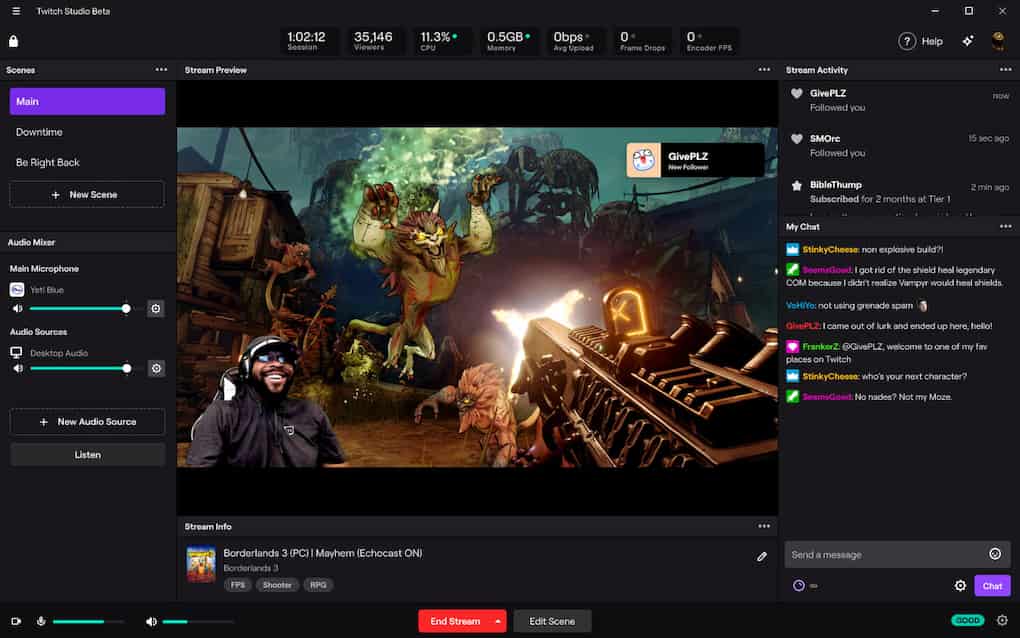
The basic Twitch streaming process can be understood as:
Streamer → Encoding → Twitch Ingestion → Processing → Content Delivery → Viewer
Each stage has an important role in delivering live video.
1. Video Capture and Encoding
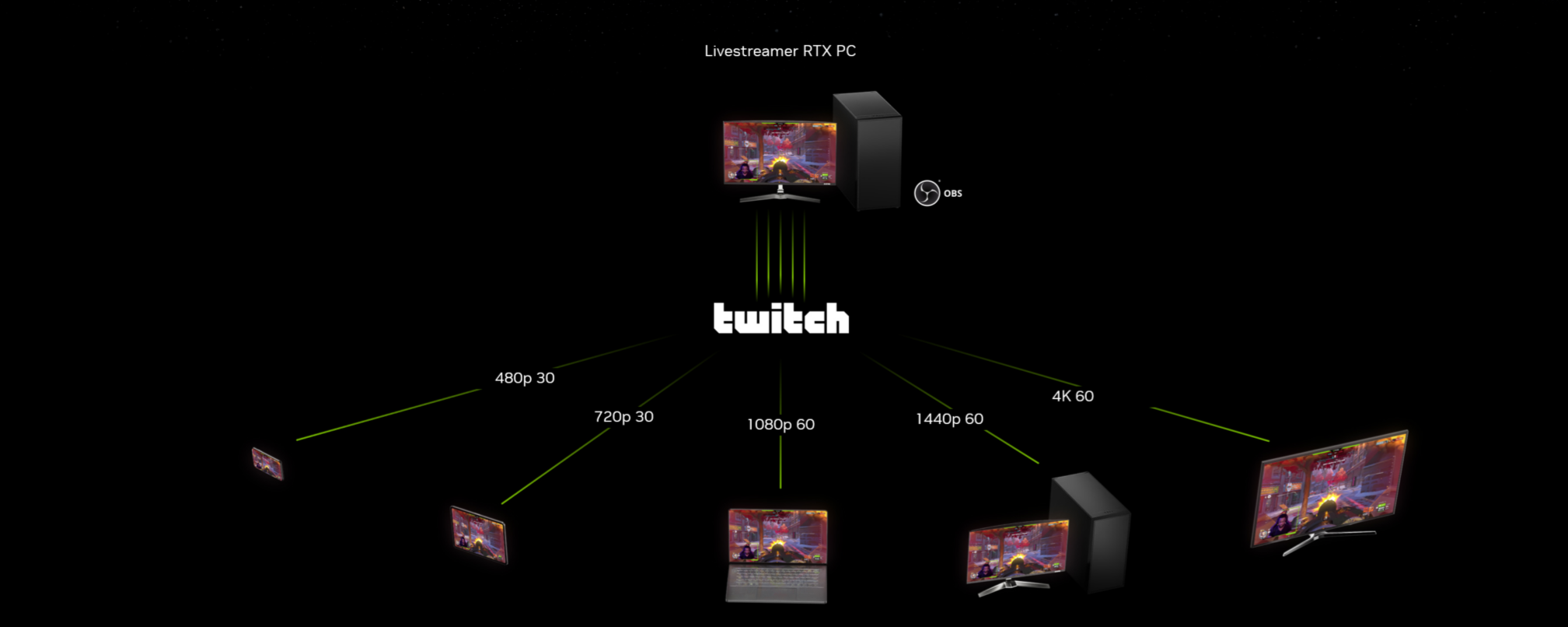
The process starts with the streamer. A camera, microphone, game, or computer screen provides the content.
Streaming software captures these sources and encodes the video into a compressed format. Compression reduces the amount of data that needs to be uploaded while maintaining acceptable video quality.
The encoded stream is then sent from the streamer's computer to Twitch through the internet.
2. Stream Ingestion
Twitch receives the incoming broadcast through its stream ingestion infrastructure.
The ingestion layer is responsible for accepting streams from creators in different locations and under different network conditions. It needs to handle large numbers of simultaneous broadcasts while maintaining reliable connections.
This is essentially the entry point where a creator's stream enters Twitch's infrastructure.
3. Transcoding and Processing
Viewers don't all have the same internet speed or devices. To support different viewing conditions, Twitch processes streams into different quality levels when available.
For example, a viewer with a fast connection may watch a high-resolution version, while someone with limited bandwidth may select a lower-quality version.
This process, known as transcoding, requires significant computing resources because video must be processed continuously while the stream is live.
4. Content Delivery
Once the stream has been processed, it needs to reach viewers.
Twitch relies on distributed content delivery infrastructure to efficiently deliver video to audiences in different locations. Instead of every viewer receiving content directly from one central server, distributed infrastructure helps serve streams closer to users.
This improves scalability and helps Twitch handle streams with large audiences.
5. Low-Latency Playback
Latency refers to the delay between something happening on the streamer's side and the viewer seeing it.
Low latency is particularly important on Twitch because viewers interact with streamers through live chat. If the delay becomes too large, conversations can feel disconnected.
Twitch's streaming architecture therefore has to balance three major factors:
- Video quality
- Streaming stability
- Low latency
Reducing buffering can improve real-time interaction, but maintaining a small buffer can also make playback more sensitive to poor network conditions.
6. The Twitch Video Player
The final stage happens on the viewer's device.
The Twitch player receives the stream, manages buffering, decodes the video, and displays it. At the same time, viewers can interact through chat and other Twitch features.
This combination of live video and real-time interaction is what makes Twitch different from traditional video platforms.
Why Twitch's Architecture Needs to Scale
Twitch has to support creators and viewers across different regions, devices, and network conditions. A stream may have only a few viewers, while a major event can attract a massive audience.
The architecture therefore needs to handle changing traffic levels without significantly affecting performance.
Monitoring and reliability systems are also essential. Streaming platforms need to identify problems involving video quality, latency, network performance, and infrastructure capacity as quickly as possible.
Twitch's Streaming Architecture at a Glance
The complete process can be simplified into these stages:
1. Capture: The streamer creates video and audio.
2. Encode: Streaming software compresses the content.
3. Ingest: Twitch receives the stream.
4. Process: The video is prepared for different viewing conditions.
5. Distribute: Streaming infrastructure delivers the content.
6. Playback: The viewer watches the live stream.
Although the process looks straightforward, every stage requires systems capable of operating continuously and at a very large scale.
FAQs
What is Twitch's live video streaming architecture?
Twitch's live video streaming architecture is the collection of systems used to capture, encode, receive, process, distribute, and play live video for viewers.
How does Twitch receive live streams?
A streamer's broadcasting software encodes the video and sends it over the internet to Twitch's stream ingestion infrastructure.
Why does Twitch use transcoding?
Transcoding allows a live stream to be made available in different quality levels, helping viewers with different devices and internet connections watch the content.
What is latency in Twitch streaming?
Latency is the delay between an event happening during a live broadcast and the viewer seeing it. Lower latency makes real-time conversations and interactions more responsive.
How does Twitch deliver streams to many viewers?
Twitch uses distributed delivery infrastructure to help distribute video efficiently to viewers in different locations. This allows the platform to handle large audiences and high traffic volumes.
Why is Twitch's streaming architecture important?
A reliable architecture allows Twitch to deliver live video at scale while balancing video quality, latency, network conditions, and system reliability.
Conclusion
Twitch's live video streaming architecture combines encoding, ingestion, processing, distribution, and playback to turn a creator's broadcast into a real-time viewing experience.
While viewers see a simple video player and chat, multiple systems are working behind the scenes to keep streams available, responsive, and scalable. This architecture is a key part of what allows Twitch to support live communities and interactive broadcasts worldwide.
Comments
Sign in to join the conversation
Sign inNo comments yet
Be the first to share your thoughts!