
What happens when a VTuber stops being just a streamer?
The answer increasingly looks like a full entertainment company.
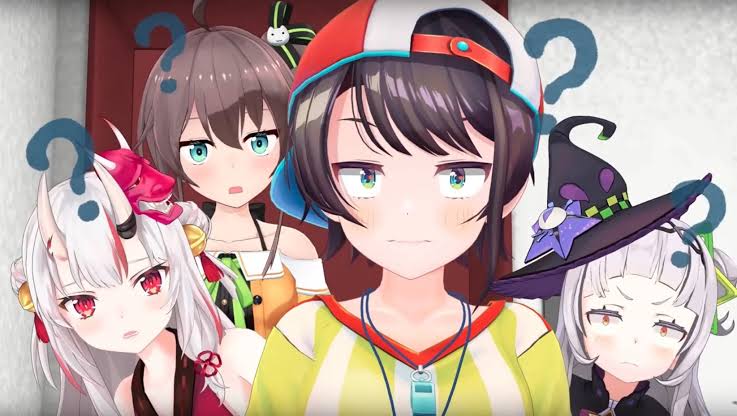
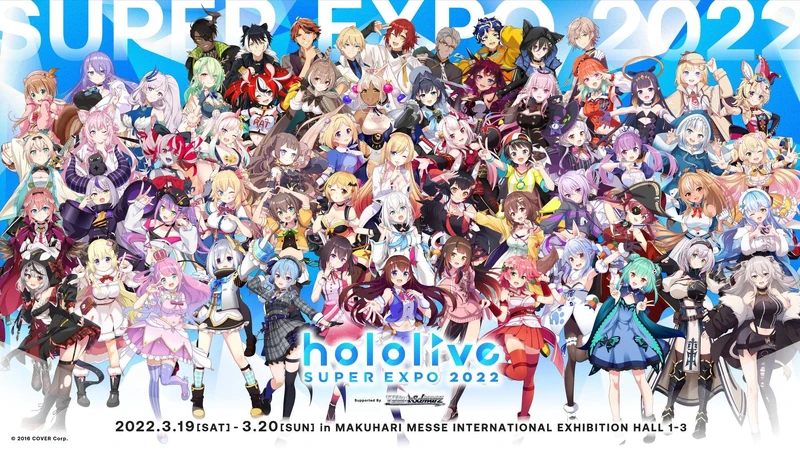
Hololive's parent company COVER Corporation now operates 78 VTubers with more than 95 million combined YouTube subscribers, alongside concerts, music, merchandise, licensing and other media businesses.
And that's changing the economics of virtual streaming.
The biggest VTuber agencies aren't simply helping creators stream anymore. They're building infrastructure around them—3D production, music, live events, merchandise, advertising, licensing and international distribution.
That creates enormous opportunities.
It also raises a difficult question for independent creators:
How do you compete with a company that can turn one virtual personality into an entire entertainment franchise?
Hololive Isn't Just a Streaming Agency Anymore
The traditional image of a VTuber agency is fairly simple.
The company provides the avatar, technology and management.
The creator streams.
The audience watches.
But COVER's own business model shows how much further the industry has moved.
The company describes hololive as part of a broader IP business covering streaming/content, concerts and events, merchandising, and licensing/collaborations.
That distinction is important.
A single livestream generates revenue.
A successful VTuber IP can generate revenue everywhere.
A character can appear in:
- YouTube streams
- Music releases
- 3D concerts
- Physical merchandise
- Digital goods
- Brand collaborations
- Games
- Events
- Licensed products
Suddenly, the creator isn't just a broadcaster.
They're an intellectual property.
The 3D Concert Economy

This is where the business becomes particularly interesting.
Virtual concerts aren't simply promotional events anymore.
They're products.
Fans can purchase venue tickets, livestream tickets and merchandise connected to the same performance.
For example, COVER's 2026 announcement for IRyS' first solo concert included both physical venue tickets and paid streaming access, with the international streaming ticket priced at ¥6,800.
That's a completely different revenue model from relying exclusively on advertisements or livestream donations.
A creator with a large enough fanbase can sell an experience.
And the economics can scale.
One performance can potentially generate revenue from:
Tickets + streaming + merchandise + music + sponsorships + future licensing.
That's why 3D concerts matter so much to the VTuber industry.
They're proof that virtual creators can operate inside the same entertainment economy as musicians and traditional performers.
The Corporate Structure Is Changing Too
Perhaps the most interesting development isn't actually the concerts.
It's the changing relationship between talent and company.
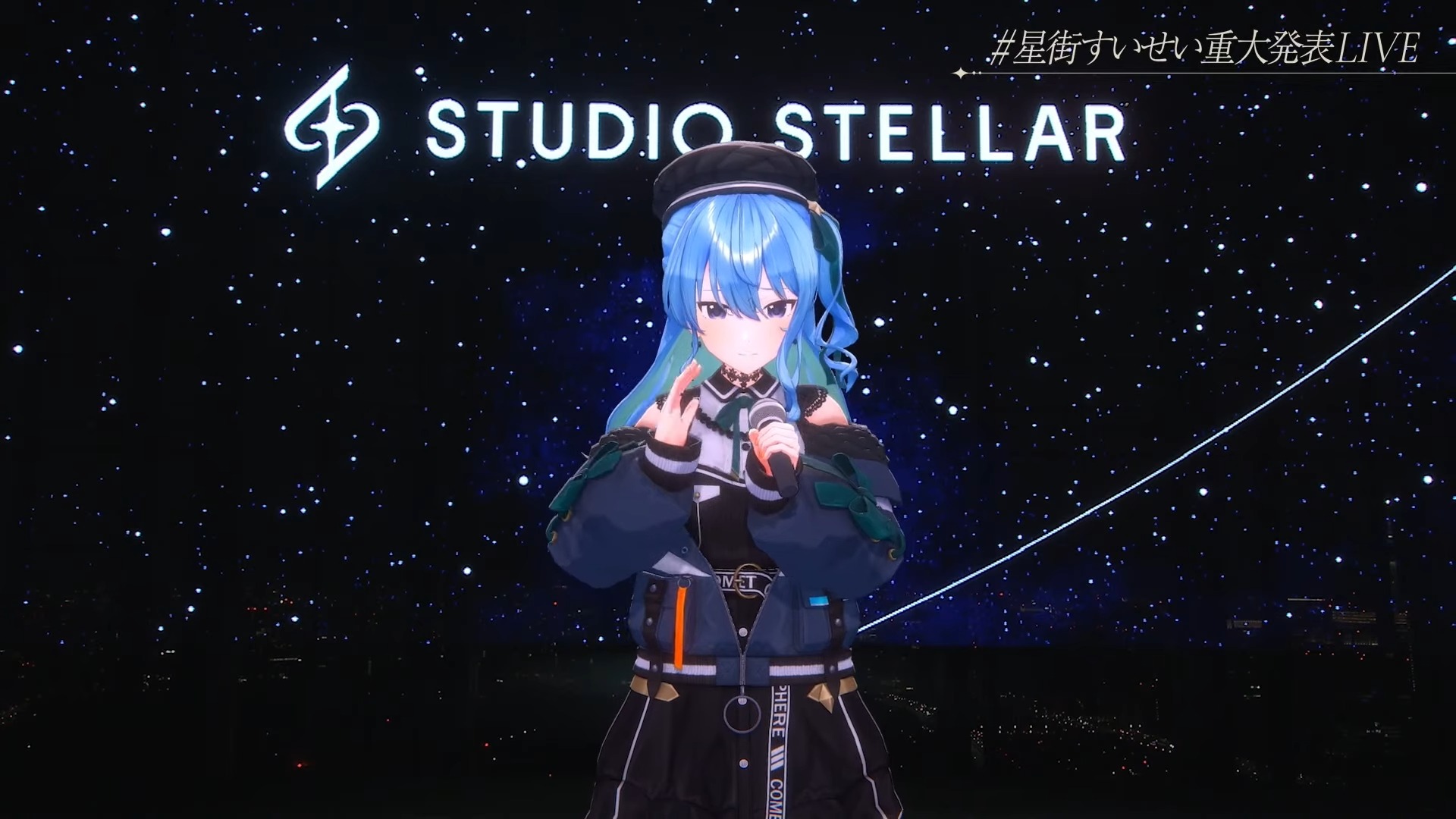
In March 2026, COVER announced the creation of Studio STELLAR, a personal agency established around Hoshimachi Suisei, alongside a transition to a new support framework.
That is significant.
It suggests the future doesn't necessarily have to be:
Independent creator OR corporate VTuber.
There may be something in between.
A major creator can maintain a strong personal identity while using corporate infrastructure for areas such as production, events, business development and distribution.
That could become increasingly important as established VTubers become brands in their own right.
Where Does the “IPO” Come In?
The term VTuber IPO is more useful as a metaphor than a literal description of a new offering.
COVER and ANYCOLOR have already demonstrated that VTuber businesses can exist at public-company scale. ANYCOLOR, the company behind NIJISANJI, is listed on the Tokyo Stock Exchange's Prime Market under securities code 5032.
The significance is what investors are actually buying into.
Not simply livestream hours.
They're buying exposure to an ecosystem.
The value can come from:
Creators → audiences → IP → merchandise → events → licensing → recurring revenue.
That's a much bigger business than Twitch-style streaming alone.
What This Means for Independent Streamers
This is where things get uncomfortable.
An independent streamer has to build almost everything themselves.
They may need to handle:
- Avatar development
- Branding
- Editing
- Sponsorships
- Merchandise
- Music
- Event production
- Business negotiations
- Social media
- Community management
A major agency can spread those responsibilities across specialized teams.
That creates a serious competitive advantage.
But independent creators still have something agencies can't manufacture easily:
direct ownership of their identity and community.
An independent streamer can experiment faster.
They can change direction without corporate approval.
They can build a smaller but intensely loyal audience.
And most importantly, they don't necessarily need millions of followers to build a sustainable business.
The challenge is learning how to monetize beyond the stream itself.
The Real Competition Is Becoming Infrastructure
The biggest lesson from Hololive's expansion isn't that every streamer needs a 3D concert.
It's that successful creator businesses increasingly require infrastructure.
The winner may not simply be the creator with the most viewers.
It could be the creator who builds the strongest ecosystem around those viewers.
That might mean a membership program.
A merchandise line.
Digital products.
Brand partnerships.
Music.
Live events.
Or even a small studio supporting several creators.
The VTuber industry is demonstrating what happens when creator economics mature into IP economics.
What Happens Next?
The next phase could be even more interesting.
As major agencies become more sophisticated, expect greater experimentation around creator-specific businesses, partnerships and support structures.
COVER's move around Studio STELLAR is an early example of how an established talent can receive a more individualized framework rather than fitting entirely into a standardized agency model.
Meanwhile, large agencies continue expanding their event and media businesses.
COVER says hololive already reaches more than 95.2 million subscribers globally and has 45 talents with at least one million subscribers as of June 2026.
That scale creates an enormous testing ground for new monetization models.
The question is whether independent creators can build smaller versions of the same ecosystem.
Because the future of streaming may not be about finding one perfect revenue source.
It may be about building five or six revenue sources around one audience.
🎮 The Bottom Line
The VTuber industry is quietly moving beyond the idea of “someone streaming behind an avatar.”
Hololive, NIJISANJI and other major agencies are building businesses around virtual personalities that include concerts, merchandise, licensing, music and brand partnerships.
That is why the “VTuber IPO” idea matters.
The real transformation isn't necessarily about another company going public.
It's about VTubers becoming investable entertainment IP.
For independent streamers, that creates both a threat and an opportunity.
They probably can't match a major agency's production budget.
But they can build something those agencies can't easily replicate: a personal brand with direct ownership and a community that feels genuinely theirs.
The next era of creator economics may belong to the people who figure out how to turn that community into an ecosystem.
What do you think? Will independent VTubers eventually need agency-style business infrastructure to compete, or will smaller creators have an advantage because they control their own brands? Let us know in the comments.
Comments
Sign in to join the conversation
Sign inNo comments yet
Be the first to share your thoughts!