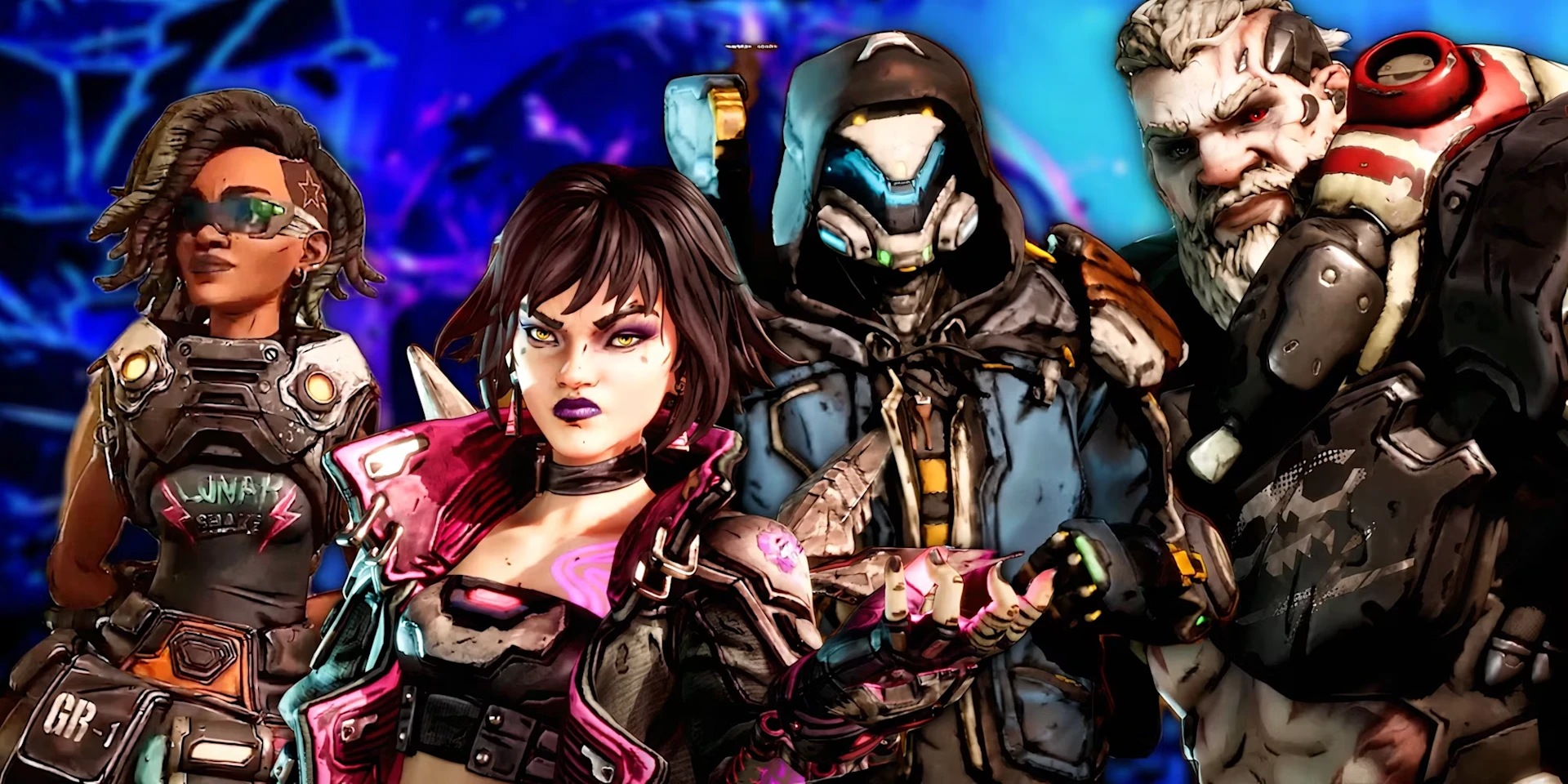

What happens when a looter-shooter gives streamers a brand-new character, harder endgame content and another reason to grind for better gear?
You get a very good excuse to call your friends.
Borderlands 4 is heading into another major content cycle, and the timing could be perfect for co-op streaming.
On September 10, Version 1.10 will introduce Loveless the Hacker, Story Pack 2: FL4K and the Last Resort, Bounty Pack 5 and a 10-level increase to the maximum level cap.
At the same time, players already have the free Takedown at Hadron Abyss, a difficult endgame activity designed to push coordinated Vault Hunter builds to their limits.
The result isn't just more content.
It creates something streamers desperately need:
A reason for viewers to come back.
Borderlands Is Built for Co-Op Content
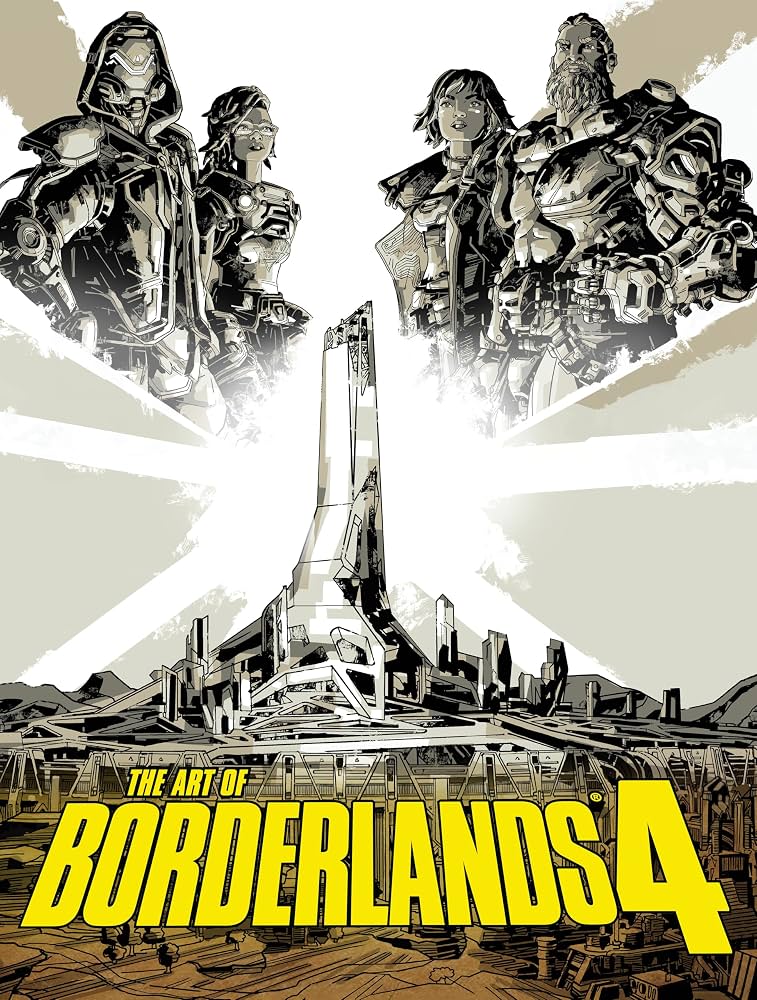
Borderlands has always been unusually comfortable as a streaming game.
The formula is simple.
Four players.
Ridiculous weapons.
Chaotic builds.
Enemies exploding everywhere.
And at least one teammate wondering why everyone else took their legendary drop.
That chaos makes Borderlands naturally entertaining to watch.
But there is a difference between a game being fun to stream and a game giving streamers a reason to organize an entire broadcast around it.
The latest Borderlands 4 content is doing the latter.
New characters create curiosity.
New raids create challenges.
Level-cap increases create grinding.
Put all three together and you have a recipe for co-op content.
Enter Loveless the Hacker
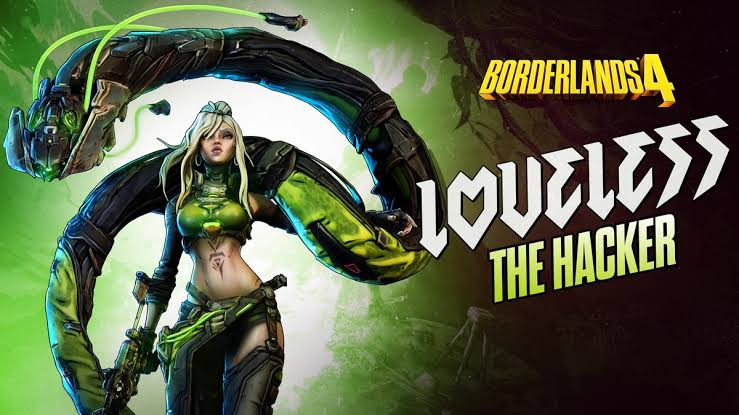
The biggest attraction of the September update is arguably Loveless the Hacker, the sixth playable Vault Hunter coming to Borderlands 4.
According to 2K, Loveless uses advanced cybernetics alongside a sentient digital virus pet, giving her a combat identity that is noticeably different from the existing Vault Hunters.
That matters for streamers because a new character creates an instant content cycle.
The first streams can focus on:
- First impressions
- Skill-tree experimentation
- Build guides
- Best gear combinations
- Co-op synergies
- Boss testing
- Endgame optimization
And then the audience starts participating.
"Try this build."
"Use this weapon."
"That skill is broken."
"Run the raid with Loveless."
Suddenly, the stream becomes less about watching someone play Borderlands and more about watching a community figure out Borderlands together.
The Takedown at Hadron Abyss Changes the Formula
But Loveless isn't arriving in isolation.
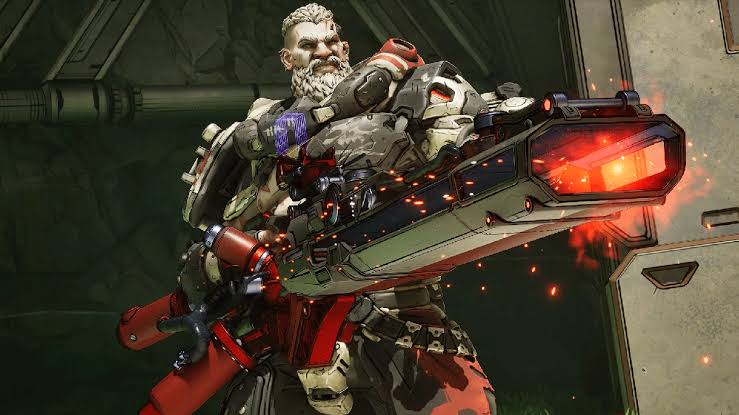
The Takedown at Hadron Abyss is already available as free endgame content for Borderlands 4 players.
Set inside an underwater research station, the Takedown throws players against mutated enemies and aquatic predators before culminating in a fight against the Child of Terramorphous.
This is exactly the type of content that performs well in co-op streams.
Why?
Because failure is entertaining.
A normal story mission can be completed once and forgotten.
A difficult Takedown creates repeatable drama.
One attempt might end with victory.
The next might end with everyone getting wiped.
Then the streamer says:
"Okay. We know what went wrong. One more run."
And suddenly another two hours disappear.
The New Loot Chase
There is another reason Hadron Abyss works so well for streaming.
Loot.
The Takedown introduced new weapons, Legendary gear, a Pearlescent weapon, Firmware and class-specific mods. Each Vault Hunter has a unique Class Mod in its loot pool, with a Loveless-specific Class Mod being added when she arrives.
That creates an endless streaming loop:
Run the Takedown → get loot → test the loot → improve the build → run it again.
For viewers, that creates moments of anticipation.
Will the streamer finally get the drop?
Will the new weapon actually improve the build?
Can the team clear the Takedown faster?
Those questions are much easier to build an entire stream around than a routine campaign mission.
Why the Level-Cap Increase Matters
The September 10 update also raises Borderlands 4's maximum level by 10 levels for every player.
That sounds like a simple progression change.
For streamers, it is much more important.
A level-cap increase effectively resets part of the endgame conversation.
Existing builds need to be tested again.
New gear becomes valuable.
Players start experimenting with new combinations.
Old farming routes become relevant.
And content creators suddenly have a reason to publish:
"Best Loveless Build."
Then:
"Best Loveless Build After Level 10 Increase."
Then:
"This Loveless Build Breaks Hadron Abyss."
The content cycle practically writes itself.
Co-Op Creates Better Streaming Moments
There is something uniquely watchable about four-player Borderlands.
A solo player can demonstrate a build.
A group can create a story.
One player gets knocked down.
Another tries to revive them.
A third player accidentally attracts every enemy in the room.
The fourth is somewhere in the distance shouting about legendary loot.
That unpredictability is valuable.
Streaming thrives on moments that cannot be perfectly scripted.
Borderlands creates those moments naturally.
The new content simply gives players more places to create them.
Why This Could Bring Borderlands Back Into Streaming Conversations
Borderlands 4 doesn't need to become the biggest game on Twitch overnight.
It needs something more realistic:
A reason for creators to return simultaneously.
New content creates synchronized interest.
When Loveless launches, multiple creators can explore her at roughly the same time.
When the level cap increases, everyone starts rebuilding.
When players discover new Hadron Abyss strategies, creators can test them.
That creates a shared conversation.
And shared conversations are extremely valuable for streaming games.
A viewer might discover one creator through a build guide and then watch another creator attempt the same challenge.
The game becomes the common language connecting different communities.
The Agency Effect
There is also an opportunity for creator groups.
Instead of one streamer grinding alone, imagine four creators building an entire stream around the update.
One focuses on damage.
One plays support.
One experiments with Loveless.
And one tries increasingly ridiculous weapons.
That creates natural chemistry.
It also gives viewers multiple personalities to follow.
Borderlands has always been a co-op game.
The new update could make co-op itself the content.
What Happens Next?
The biggest question is whether the September update can maintain interest beyond launch week.
New characters always generate an initial spike in curiosity.
The harder challenge is keeping viewers around afterward.
That will depend on what the community discovers.
If Loveless has powerful build combinations, expect theorycrafting.
If the new level cap creates interesting gear interactions, expect farming streams.
If Hadron Abyss remains difficult enough to challenge optimized teams, expect speedruns and challenge runs.
And if creators discover entertaining ways to combine all of those systems?
Borderlands 4 could have another streaming moment on its hands.
🎮 The Bottom Line
Borderlands 4's latest update isn't simply adding another Vault Hunter and another batch of loot.
It is creating reasons for players to play together again.
Loveless gives creators something new to learn.
The level-cap increase gives veteran players something new to grind.
Hadron Abyss gives teams something difficult to conquer.
And streaming turns all three into entertainment.
That's the real strength of Borderlands in the creator era.
The game doesn't need every player watching the same stream.
It just needs enough players saying:
"Get online. We're running the Takedown."
And if that happens often enough, Kairos could become one of streaming's favorite co-op playgrounds all over again.
What do you think? Will Loveless and the new endgame content bring Borderlands 4 back into the streaming spotlight, or will the hype fade once players finish experimenting with the new builds? Let us know in the comments.

Comments
Sign in to join the conversation
Sign inNo comments yet
Be the first to share your thoughts!