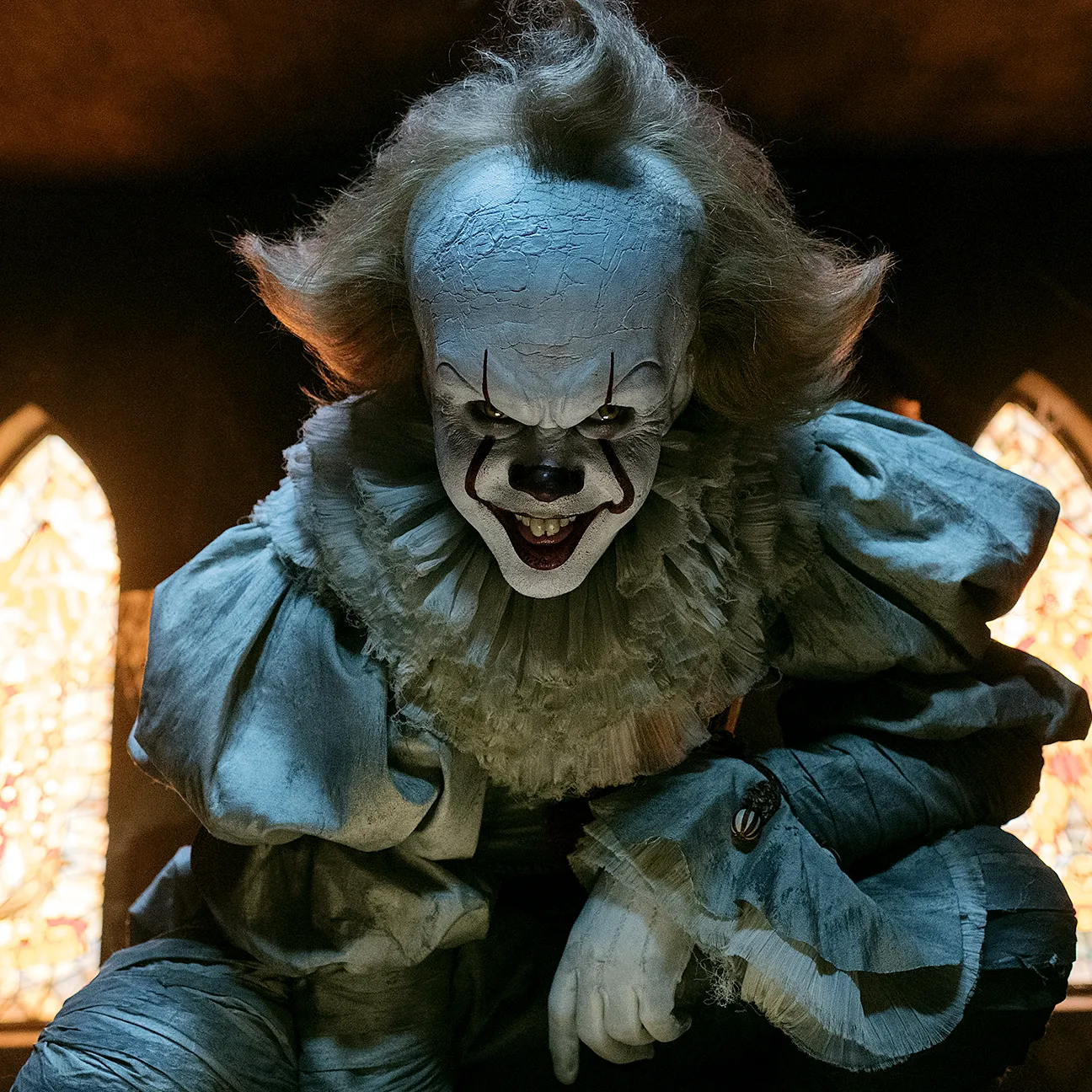

Horror movies have fascinated audiences for decades, despite their ability to make us scream, hide behind pillows, and leave the lights on long after the credits roll. At first glance, it seems strange that people willingly choose to experience fear for entertainment. After all, fear is an emotion humans are naturally programmed to avoid. Yet horror remains one of the most popular film genres worldwide, attracting millions of viewers every year. The answer lies in psychology, where fear, curiosity, and excitement come together to create a unique emotional experience unlike any other.
Our brains are naturally wired to respond to danger. When we watch a horror movie, the brain often reacts as though the threat is real, even though we consciously know we are safe. This triggers the body's "fight-or-flight" response, causing the release of adrenaline, dopamine, and other stress-related hormones. As a result, our heart rate increases, our breathing becomes faster, and our senses become more alert. These physical reactions create an intense feeling of excitement that many people actually enjoy.
One of the biggest reasons horror movies appeal to audiences is that they allow people to experience fear in a controlled environment. Watching a terrifying creature chase characters across the screen may feel frightening, but viewers know they are sitting safely in their homes or inside a movie theater. This sense of security allows people to experience the thrill of fear without facing any real danger, making horror a safe way to satisfy our curiosity about frightening situations.
Humans are naturally curious about the unknown. Horror movies often revolve around mysterious events, supernatural forces, psychological mysteries, or unexplained phenomena that keep audiences guessing. The uncertainty of not knowing what will happen next keeps viewers emotionally invested throughout the story. This curiosity activates parts of the brain associated with problem-solving, encouraging audiences to predict outcomes and search for hidden clues.
Interestingly, fear and excitement are more closely connected than many people realize. Both emotions produce similar physical reactions, including increased heart rate, heightened awareness, and adrenaline release. For some viewers, this combination creates an emotional roller coaster that feels exhilarating rather than overwhelming. This is one reason why many people enjoy horror movies in groups, where shared reactions often transform fear into laughter and excitement.
Another psychological factor is the feeling of accomplishment that comes after surviving a frightening experience. Finishing a scary movie can create a sense of relief and satisfaction. Viewers often feel proud of themselves for enduring intense moments, even though the danger was fictional. This emotional contrast between fear and relief contributes to the lasting enjoyment of horror films.
Different people are attracted to different types of horror because fear itself is highly personal. Some viewers enjoy supernatural stories involving ghosts and haunted houses, while others prefer psychological thrillers that explore the human mind. Monster films, survival horror, crime-based horror, and science fiction horror each appeal to different fears and interests. Individual personality, past experiences, and cultural background all influence what people find frightening.
Psychological horror has become increasingly popular because it focuses less on monsters and more on human emotions, perception, and mental conflict. Instead of relying solely on jump scares, these films create tension through uncertainty, isolation, and emotional instability. Audiences often find psychological horror particularly disturbing because it explores fears that feel more realistic and relatable than supernatural threats.
Horror movies also provide an opportunity to confront real-life anxieties symbolically. Many classic horror stories reflect broader social concerns, such as disease, technology, isolation, war, or environmental disasters. Monsters and supernatural creatures often represent deeper fears that exist within society. By confronting these fictional threats, audiences may process real-world anxieties in a way that feels emotionally manageable.
Filmmakers use a variety of psychological techniques to increase fear and suspense. Music plays an especially powerful role, with sudden loud sounds, eerie silence, and unsettling background scores influencing viewers' emotions before anything frightening even appears on screen. Camera angles, lighting, pacing, and visual effects also manipulate attention, creating anticipation that keeps audiences constantly on edge.
The unpredictability of horror films is another reason they remain engaging. Unlike many other genres, horror rarely guarantees that the main characters will survive. This uncertainty increases emotional investment because viewers genuinely do not know who will make it to the end. The brain remains alert throughout the film, constantly anticipating possible threats.
Modern horror has also evolved to include deeper storytelling and emotional complexity. Many recent films explore themes such as grief, trauma, family relationships, guilt, and mental health alongside traditional scares. These emotional layers make horror more meaningful by connecting frightening events with genuine human experiences. As a result, horror has become a genre capable of provoking both fear and thoughtful reflection.
Not everyone enjoys horror movies, and psychology offers explanations for this as well. Individual tolerance for fear varies greatly. Some people are naturally more sensitive to frightening imagery or suspense, making horror feel genuinely distressing rather than entertaining. Others may have experienced traumatic events that make certain themes particularly uncomfortable. Personal preferences, personality traits, and emotional sensitivity all influence how individuals respond to horror.
Researchers have even suggested that horror movies may help some people build emotional resilience. By repeatedly experiencing fear in safe environments, viewers may become better at managing stress and regulating their emotional responses. While horror films are certainly not a replacement for professional mental health treatment, they may offer opportunities to practice emotional coping in fictional situations.
Technology continues to reshape the horror experience. Virtual reality, immersive sound systems, and advanced visual effects are making horror films more realistic than ever before. These innovations create stronger emotional reactions by increasing the feeling of presence, making viewers feel as though they are inside the story rather than simply watching it unfold.
Ultimately, the enduring popularity of horror movies reflects something deeply human. Fear is one of our oldest survival instincts, and horror allows us to explore that emotion from the safety of our seats. Whether through supernatural mysteries, psychological thrillers, or terrifying monsters, horror films satisfy our curiosity, challenge our emotions, and provide unforgettable experiences. The psychology behind horror movies reminds us that sometimes the emotions we try hardest to avoid can also become the source of our greatest fascination. In the end, the reason we enjoy being scared is not because we love fear itself, but because overcoming it—even for two hours in a movie can be surprisingly thrilling.
Comments
Sign in to join the conversation
Sign inNo comments yet
Be the first to share your thoughts!