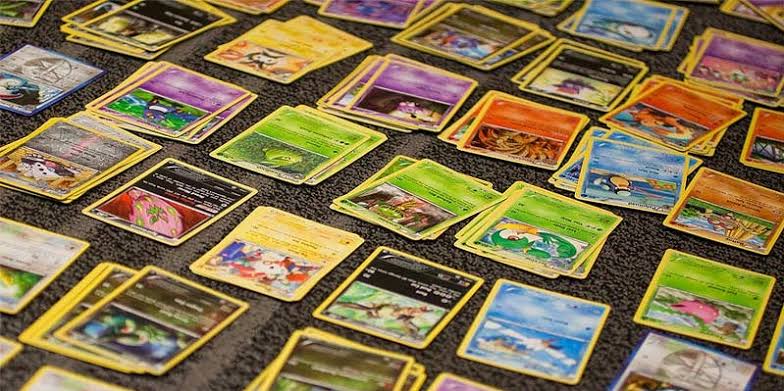


Pokémon cards are supposed to be about collecting, trading and chasing the next big pull.
But one Ohio case has pushed the hobby into much darker territory.
A 72-year-old Pokémon collector, Kent Kubasta, pleaded no contest after being accused of placing a GPS tracking device on the vehicle of a woman who delivered trading cards. According to reporting on the case, police said the device was used to monitor where and when Pokémon card shipments arrived.
The alleged motive wasn't complicated.
He wanted to know where the Pokémon cards were going.
That detail is what makes the story so unsettling.
How the GPS Tracker Was Discovered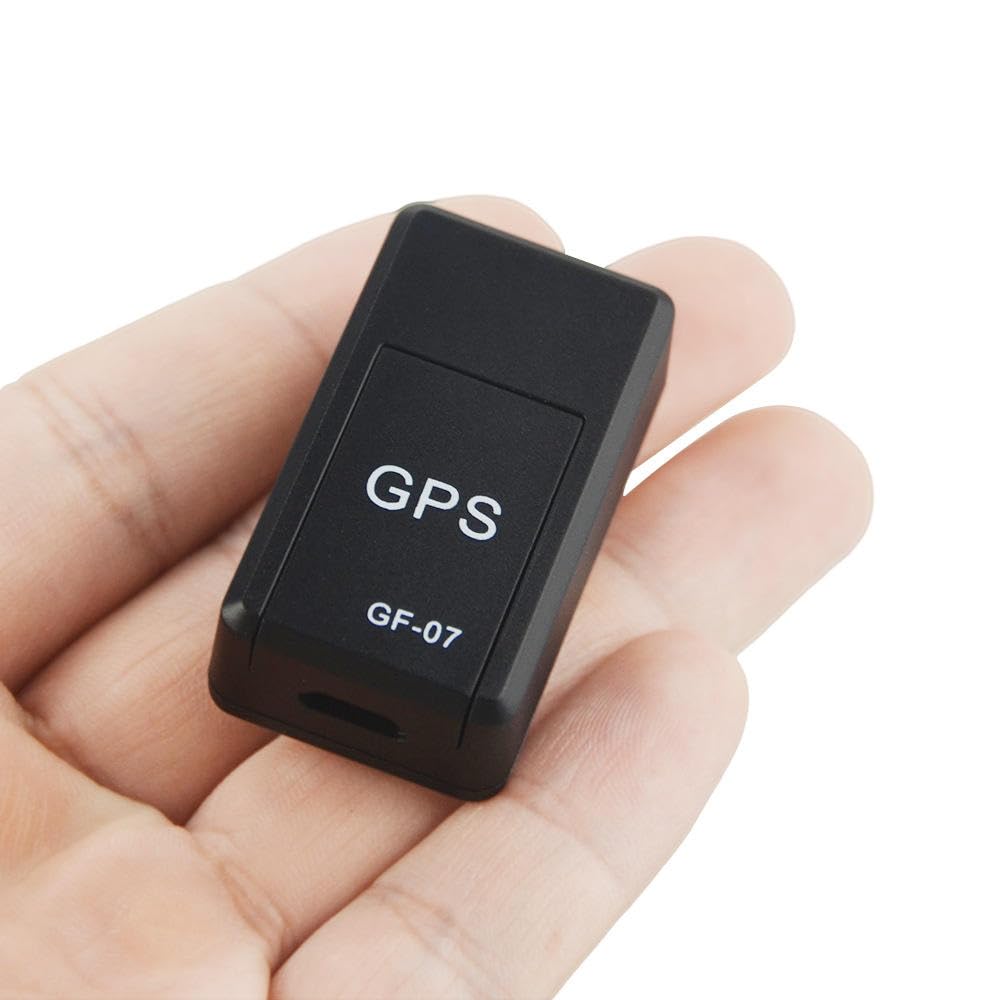
The incident reportedly began when the delivery driver discovered a tracking device attached to her vehicle in June.
Authorities subsequently arrested Kubasta.
According to reports, police records say he admitted putting the tracker on the vehicle so he could follow Pokémon deliveries. He later entered a no-contest plea to a charge involving the illegal use of a tracking device.
The case is important to frame carefully.
This isn't a story about someone being convicted of stalking in the broadest sense. The documented legal issue centers on the unauthorized tracking device, and the reported plea relates to that charge.
But the circumstances have inevitably raised much broader concerns within the Pokémon collecting community.
Because if someone is willing to track a delivery vehicle for information about card restocks, where does competitive collecting stop and dangerous behavior begin?
Pokémon Cards Aren't Just Toys Anymore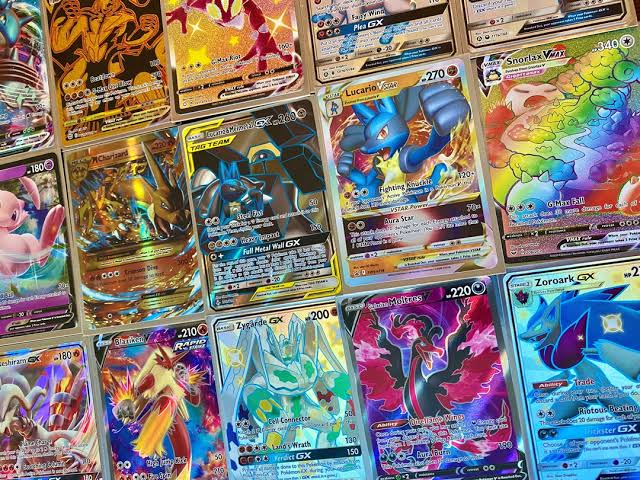
The background makes the incident easier to understand.
Pokémon cards have transformed from childhood collectibles into a serious financial market.
Rare cards can command extraordinary prices, while major releases can generate intense competition between collectors, resellers and investors.
That money has also attracted criminals.
Recent reporting has documented robberies targeting Pokémon card stores and collectors, including incidents involving hundreds of thousands of dollars in cards.
The result is a strange contradiction.
The more valuable Pokémon cards become, the less the hobby resembles a harmless collection of cardboard.
A valuable binder can effectively become portable wealth.
A shipment can become a target.
A restock can become information worth following.
And that changes the security equation for everyone involved.
The Restock Race Has Become Serious
For years, knowing when a store would receive a new Pokémon shipment was simply an advantage.
Collectors could arrive early.
Resellers could plan their schedules.
Fans could try their luck at finding a desirable card.
But the current market has created much higher stakes.
The Pokémon TCG community has already dealt with increasingly aggressive attempts to obtain valuable inventory. Earlier this year, vendors at a Pokémon TCG expo in Canada reportedly discovered GPS trackers on their vehicles and contacted police.
That incident and the Ohio case are not necessarily connected.
They do, however, illustrate the same broader concern:
valuable cards can make ordinary information about someone's movements surprisingly valuable.
When knowing where the cards are becomes almost as important as knowing which cards are available, security becomes a much bigger issue.
When Collecting Turns Into Obsession
The uncomfortable part of the Ohio case isn't that someone wanted Pokémon cards.
Millions of people do.
It's that the reported method went far beyond normal collecting behavior.
There is an enormous difference between checking a retailer's website, joining a restock notification group or waiting outside a store—and secretly placing a tracking device on another person's vehicle.
The Pokémon community depends heavily on trust.
Collectors trade with strangers.
Vendors meet buyers at shows.
Content creators share locations.
Retail employees handle valuable inventory.
That ecosystem becomes harder to maintain when people begin treating everyone around the hobby as a potential source of information.
The cards may be collectible, but the people handling them shouldn't become targets.
Why This Matters for the Pokémon Community
The incident comes during a period when Pokémon collecting is already dealing with a growing security problem.
Recent reports have described thefts from stores, collectors being followed after purchases and increasingly sophisticated attempts to steal valuable cards.
That creates several challenges for the hobby.
Collectors have to think more carefully about how publicly they display valuable collections.
Vendors face greater security concerns when transporting inventory.
Retailers have to consider how much information about shipments and restocks should be publicly visible.
Event organizers may need stronger policies around suspicious behavior and vehicle security.
Content creators have to consider how much information they unintentionally reveal about locations, schedules and valuable possessions.
None of this means collectors should stop enjoying the hobby.
But it does mean the community is confronting a reality it didn't have to think about nearly as much when Pokémon cards were primarily a children's trading game.
What Happens Next?
The Ohio case will continue to draw attention because it sits at the intersection of two rapidly changing worlds: collectibles and personal security.
The Pokémon TCG market shows little sign of becoming less visible. Major releases attract enormous attention, rare cards continue to command substantial prices and online content has made collecting more public than ever.
That means security will likely remain part of the conversation.
Collectors may become more cautious about displaying expensive cards.
Stores may limit information about incoming inventory.
Trading events could introduce additional security measures.
And the community may become increasingly sensitive to behavior that crosses the line from enthusiastic collecting into harassment, surveillance or theft.
The biggest lesson isn't about one particular card.
It's about what happens when something designed for fun becomes valuable enough to attract serious money.
🎮 The Bottom Line
The Pokémon TCG has grown into a massive collecting culture, and with that growth has come an uncomfortable reality: valuable cards can attract behavior that has nothing to do with the spirit of collecting.
The reported GPS-tracker case is particularly disturbing because it shows how far the pursuit of information about Pokémon shipments can potentially go.
A rare Charizard, Pikachu or other chase card might be worth thousands.
But no card is worth compromising someone's privacy or safety.
As Pokémon collecting continues to grow, the community faces a new challenge: protecting the excitement of the hobby without allowing its financial side to overshadow the people who make it special.
How do you think the Pokémon TCG community should respond as valuable cards attract more security concerns? Let us know in the comments.