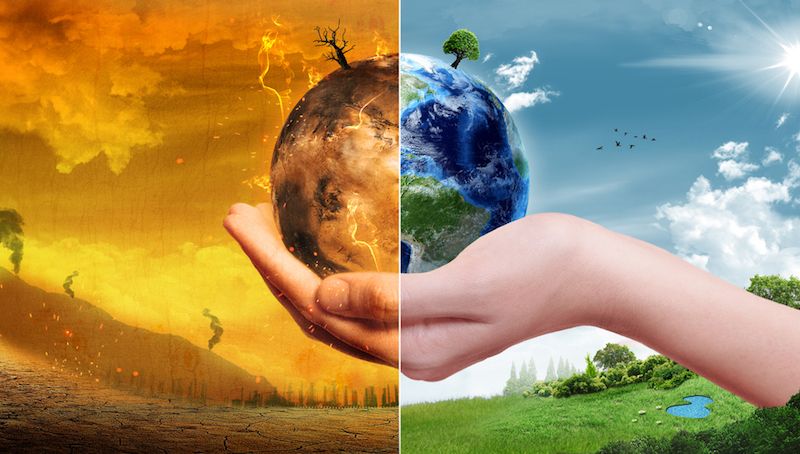

Climate change has become one of the most significant challenges affecting the world today. Rising temperatures, changing weather patterns, extreme natural events, and environmental damage are no longer distant concerns but realities that influence everyday life. From the food we eat and the air we breathe to our health, finances, and lifestyles, climate change has wide-ranging effects on individuals and communities across the globe.
One of the most noticeable impacts of climate change is the increase in extreme weather events. Rising global temperatures contribute to more frequent and intense heatwaves, floods, storms, droughts, and wildfires. These events can damage homes, disrupt transportation, affect electricity supplies, and create unsafe living conditions. People in many regions are experiencing unpredictable weather patterns that make daily planning more difficult.
Climate change also has a major impact on human health. Higher temperatures increase the risk of heat-related illnesses such as dehydration and heat exhaustion. Warmer conditions can also expand the spread of certain diseases by creating favourable environments for mosquitoes and other disease-carrying insects. Additionally, air pollution caused by environmental changes can worsen respiratory problems and affect people with existing health conditions.
Another significant effect is on food production and agriculture. Changes in temperature, rainfall patterns, and extreme weather events can reduce crop yields and affect farming communities. Droughts can limit water availability, while floods can destroy farmland and crops. These challenges may lead to higher food prices and reduced availability of certain products, directly affecting consumers and household budgets.
Climate change also influences water resources. Rising temperatures increase evaporation, while changing rainfall patterns can create water shortages in some areas and excessive flooding in others. Limited access to clean and reliable water can affect drinking supplies, agriculture, sanitation, and overall quality of life. Communities dependent on natural water sources are particularly vulnerable to these changes. The effects of climate change are also visible in energy consumption and costs. Hotter temperatures increase the demand for cooling systems such as air conditioners, leading to higher electricity usage and increased energy expenses. At the same time, extreme weather conditions can damage energy infrastructure, causing power outages and disruptions in daily activities.
Climate change can also impact homes and communities. Rising sea levels threaten coastal areas, while stronger storms and flooding can damage buildings and infrastructure. Some communities may be forced to relocate due to environmental risks. This can create economic challenges and affect people's livelihoods, cultural connections, and sense of security. The economy is another area affected by climate change. Industries such as agriculture, tourism, fishing, and transportation face disruptions due to environmental changes. Businesses may experience increased costs from supply chain problems, resource shortages, and the need to adapt to new conditions. These effects can influence employment opportunities and economic stability.
However, individuals and communities can play an important role in reducing climate change impacts through sustainable choices. Using energy efficiently, reducing waste, recycling, choosing public transportation, conserving water, and supporting renewable energy can help lower environmental damage. Small actions, when adopted by millions of people, can contribute to meaningful change. Governments and organizations also have a major responsibility in addressing climate change. Policies focused on reducing greenhouse gas emissions, protecting ecosystems, investing in clean energy, and improving climate resilience are essential for creating a sustainable future. Collaboration between individuals, businesses, and governments is necessary to tackle this global challenge.
In conclusion, climate change affects nearly every aspect of daily life, from health and food security to energy costs and community safety. While the challenges are significant, awareness and collective action can help reduce its impact. By adopting sustainable habits and supporting environmental solutions, society can work toward a healthier and more resilient future.
Comments
Sign in to join the conversation
Sign inNo comments yet
Be the first to share your thoughts!