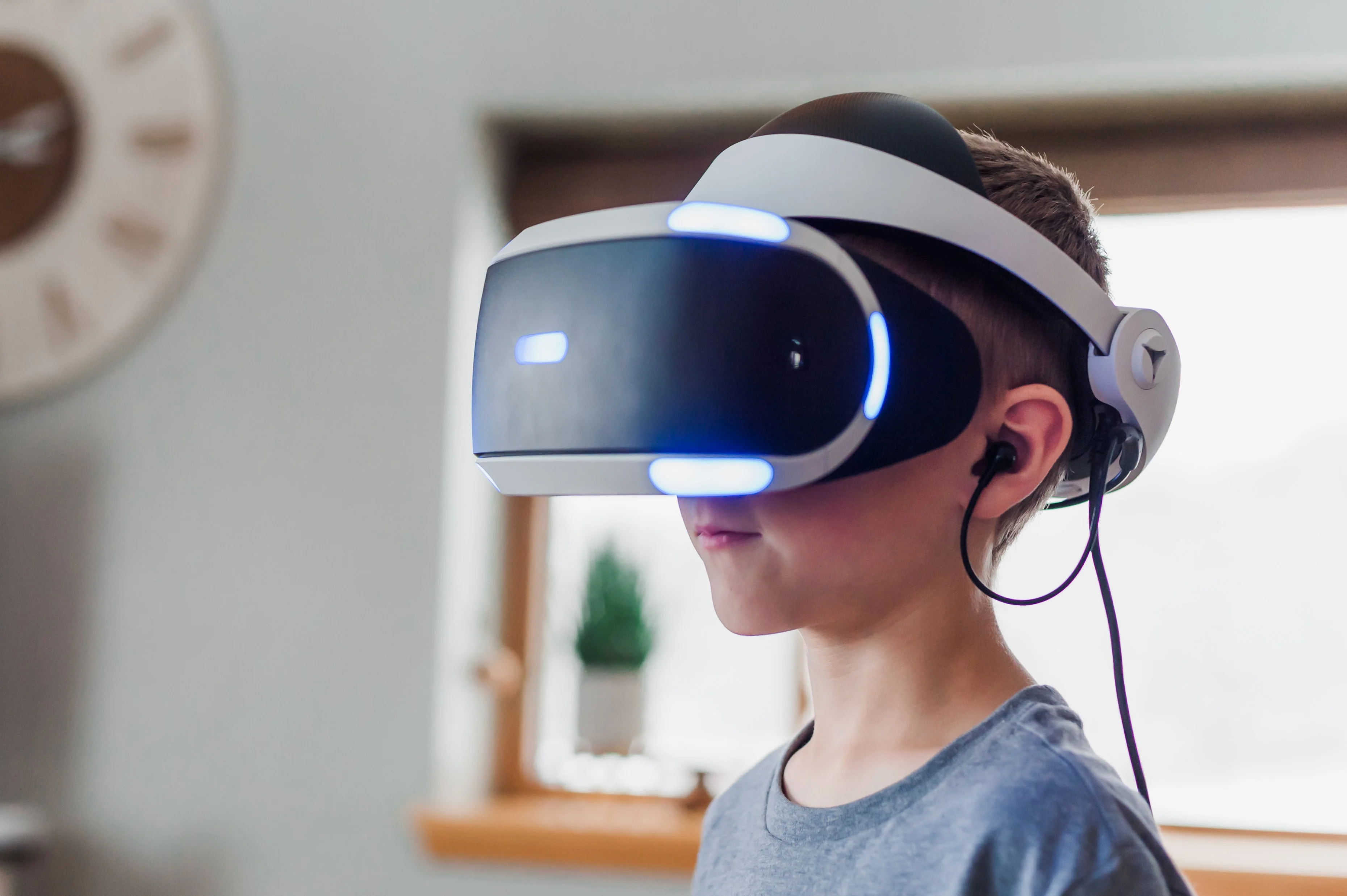

Virtual Reality (VR) has come a long way from being a futuristic concept seen only in science fiction movies. Today, it is becoming an increasingly important part of entertainment, education, healthcare, business, and even everyday life. With rapid technological advancements and growing investment from major tech companies, virtual reality is evolving faster than ever. What was once considered a niche technology for gamers is now shaping the future of how people learn, work, communicate, and experience the digital world.
At its core, virtual reality creates immersive digital environments that allow users to interact with computer-generated worlds through specialized headsets and motion controllers. Unlike traditional screens, VR places users inside an experience, making them feel as though they are physically present in another location. This sense of immersion is what makes virtual reality such a powerful technology with endless possibilities.
The gaming industry has undoubtedly been one of the biggest driving forces behind VR's popularity. Modern VR games allow players to move, explore, and interact with environments in ways that were impossible just a few years ago. As graphics become more realistic and hardware continues to improve, future gaming experiences are expected to become even more immersive, blurring the line between the physical and digital worlds. Multiplayer virtual spaces may eventually feel as natural as meeting friends in person. However, the future of virtual reality extends far beyond gaming. Education is one of the sectors expected to benefit significantly from VR technology. Instead of simply reading about historical events or scientific concepts, students can experience them first-hand through immersive simulations. Imagine walking through ancient civilizations, exploring the human body from the inside, or conducting complex chemistry experiments in a completely safe virtual environment. Such experiences can make learning more engaging, interactive, and memorable.
Healthcare is another field where VR is making remarkable progress. Medical students can practice surgeries in realistic virtual environments before operating on real patients. Doctors can use VR simulations for training, while therapists are increasingly using virtual environments to help individuals manage anxiety, phobias, and post-traumatic stress. Rehabilitation programs are also incorporating VR exercises that encourage patients to regain mobility through engaging and controlled experiences. The workplace is also being transformed by virtual reality. As remote and hybrid work continue to grow, companies are exploring virtual offices where employees can collaborate regardless of their physical location. Instead of joining standard video calls, colleagues could meet inside shared virtual workspaces, interact with 3D models, brainstorm ideas, and conduct presentations in a more engaging environment. This could make remote collaboration feel more natural and productive.
One of the most exciting aspects of VR is its ability to create experiences that were once impossible. Architects can walk through buildings before construction begins, engineers can test complex designs in virtual environments, and designers can visualize products from every angle before manufacturing. These capabilities reduce costs, improve accuracy, and speed up decision-making across numerous industries.
Shopping may also look very different in the future thanks to virtual reality. Instead of browsing flat product images online, consumers could enter virtual stores, examine products in three dimensions, try on clothing using digital avatars, or even explore fully furnished homes before purchasing furniture. This immersive shopping experience has the potential to make online buying more interactive and reduce uncertainty.
Entertainment is expected to undergo a major transformation as VR technology matures. Concerts, sporting events, museums, and live performances may increasingly offer virtual attendance options where users feel as though they are sitting in the front row without leaving their homes. Virtual tourism could allow people to visit famous landmarks, museums, or natural wonders from anywhere in the world, making travel experiences more accessible to millions.
Social interaction in virtual spaces is another rapidly developing area. Instead of communicating through text messages or video calls alone, people may gather in virtual environments represented by realistic avatars. Friends from different countries could watch movies together, attend events, or simply spend time socializing in immersive digital spaces. As technology improves, these interactions are likely to become increasingly lifelike.
Artificial intelligence is expected to play a crucial role in the future of virtual reality. AI-powered virtual characters will become more intelligent, capable of holding natural conversations, adapting to user behaviour, and providing personalized experiences. Educational tutors, customer service representatives, fitness coaches, and digital assistants inside VR environments may become common in the years ahead.
Despite its enormous potential, virtual reality still faces several challenges. High-quality VR headsets remain expensive for many consumers, and some users experience motion sickness or discomfort during extended use. Hardware also needs to become lighter, more comfortable, and more affordable before VR can achieve widespread adoption. Developers continue working to overcome these limitations through improved displays, better tracking systems, and wireless technology.
Privacy and security will become increasingly important as VR evolves. Since virtual reality devices can collect detailed information about eye movements, physical movements, voice recordings, and behavioural patterns, protecting user data will be essential. Governments and technology companies will likely need stronger regulations to ensure that immersive technologies remain safe and trustworthy.
Another concern is maintaining a healthy balance between virtual and real life. While immersive experiences can be highly engaging, excessive use may affect physical activity, social relationships, and overall well-being. Like any powerful technology, virtual reality offers tremendous benefits when used responsibly but should not replace meaningful real-world interactions.
Virtual reality is no longer just an exciting glimpse into the future, it is steadily becoming part of the present. Its ability to transform education, healthcare, business, entertainment, and communication makes it one of the most promising technologies of this generation. While challenges remain, ongoing advancements suggest that VR will continue to reshape the way people interact with digital content and with one another. The future of virtual reality is not simply about creating digital worlds; it is about expanding human experiences, unlocking new opportunities, and redefining the boundaries of what technology can achieve.
Comments
Sign in to join the conversation
Sign inNo comments yet
Be the first to share your thoughts!