
🇪🇺 What Is the EU KIDS Act?
The European Commission has proposed a new EU KIDS Act, short for EU Keeping Internet Digital Spaces Accountable and Trustworthy.
The proposal is designed to strengthen protections for children online and covers more than social media. Its scope also includes online games, app stores and AI services.
But the proposal is not currently law.
It still has to go through the EU legislative process, meaning its final rules and implementation could change.
🎮 Why Are Games Included?
The Commission's proposal treats certain online-game mechanics as potential contributors to excessive use by minors.
The draft says online games should not expose minors to features or rewards that undermine their ability to stop playing or encourage them to play more frequently.
That could put familiar live-service mechanics under closer scrutiny.
And that's where daily login rewards become interesting.

🎁 The Daily Login Bonus Problem
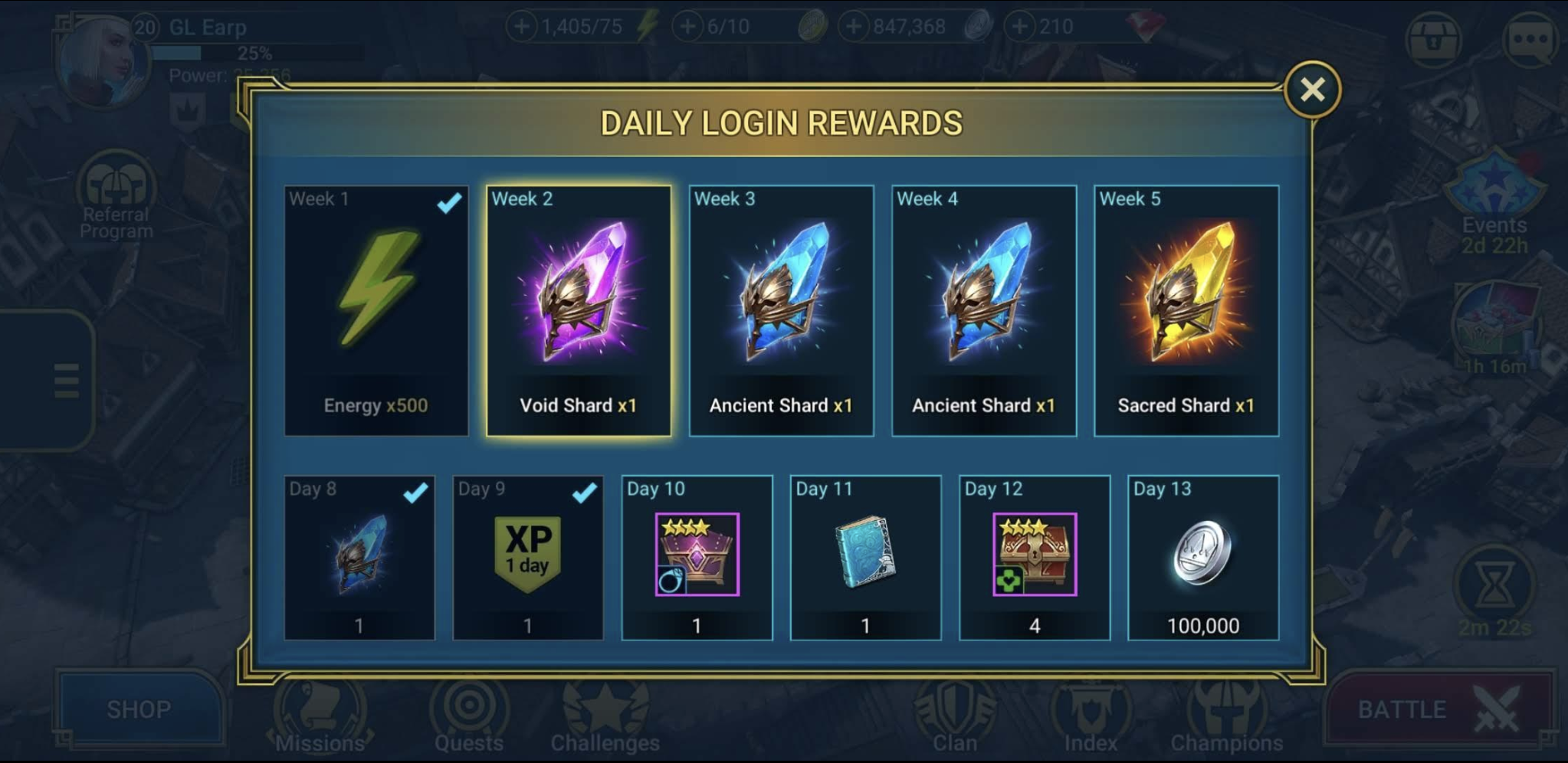
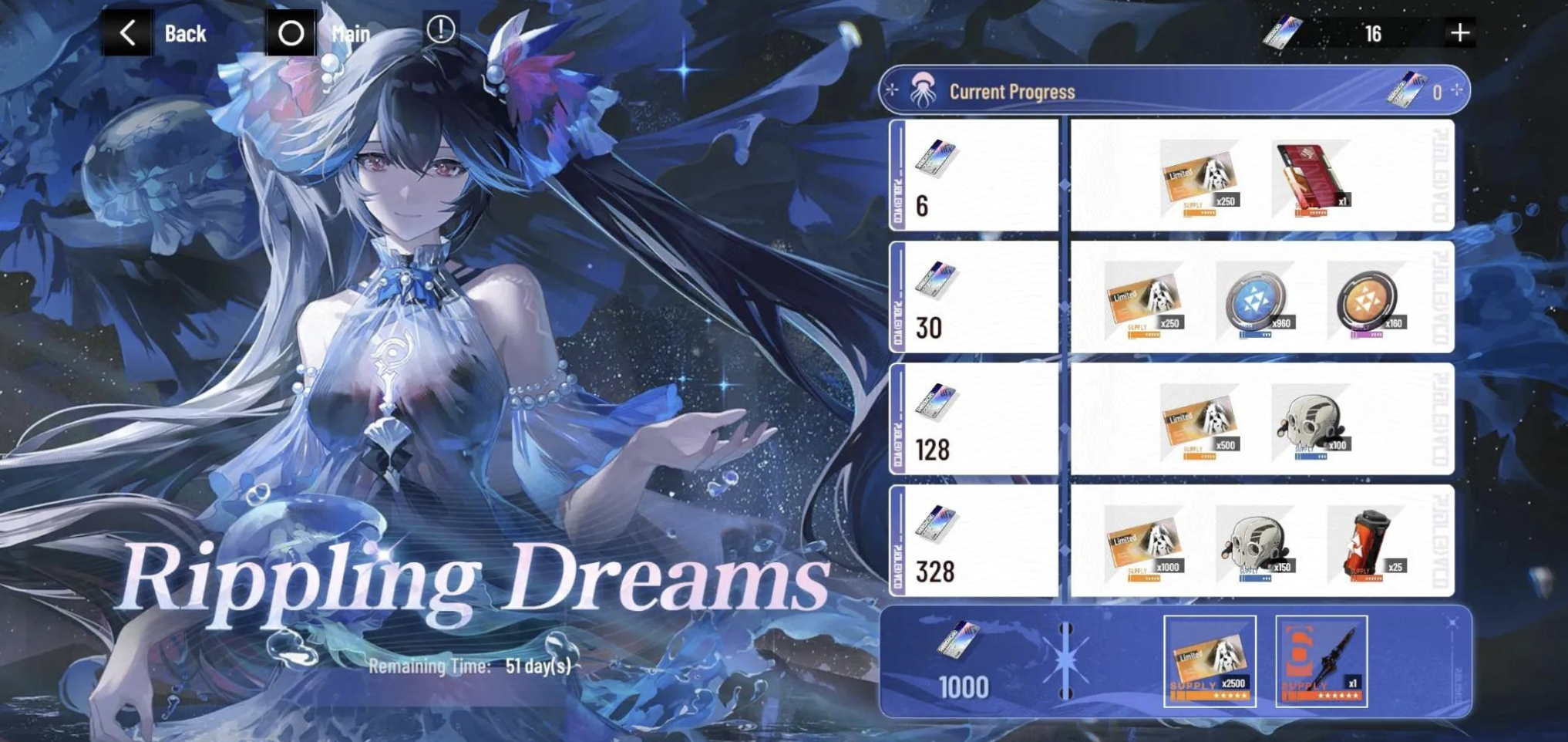
Daily rewards are one of the most common retention mechanics in modern games.
Log in today.
Get your reward.
Come back tomorrow.
Get another reward.
Some games turn this into a longer streak where missing a day means losing progress or a benefit.
Under the proposed rules, mechanics that reward returning within a certain period or penalize inactivity could potentially be restricted for minors.
That doesn't mean every RPG would immediately have to remove its login calendar.
Instead, developers may need to rethink how these systems work for younger players if the proposal becomes law in its current form.
🔥 It's Bigger Than Login Rewards
Daily bonuses are only one example.
The proposal could affect other engagement mechanics such as:
Activity streaks
Time-limited rewards
Benefits that disappear after inactivity
Certain push notifications
Mechanics designed to encourage repeated play
The European Commission's broader safe-design approach also addresses addictive design features and certain reward systems.
For game developers, the difficult question could become how to distinguish a normal gameplay reward from a mechanic specifically designed to keep minors playing.
👨👩👧 Age Verification Becomes Important
There is another major part of the proposal: age assurance.
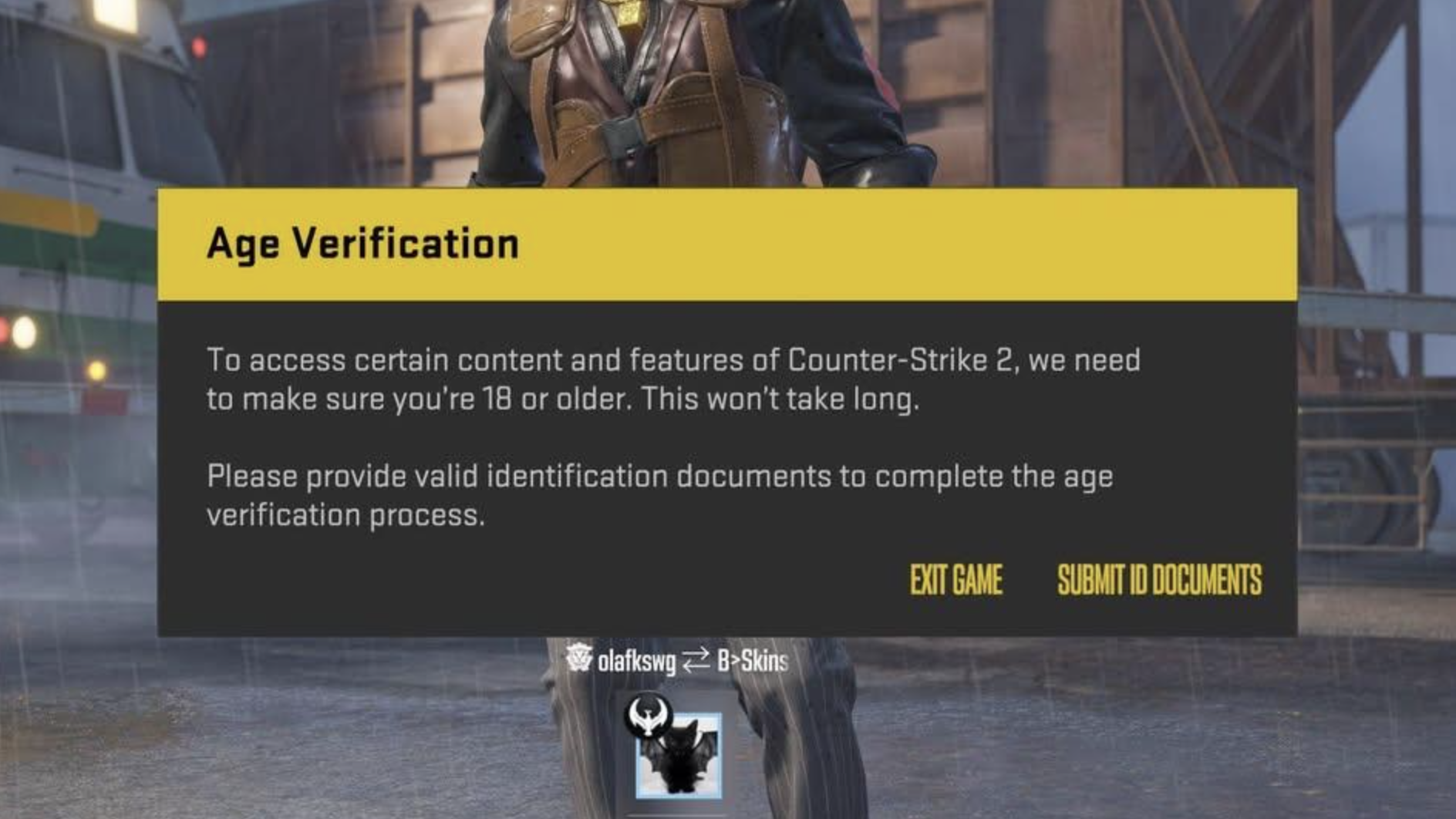
For online games, the proposal includes age recommendations for games and age verification through software application stores before a game can be downloaded by minors.
This could become particularly important for publishers that want to keep different engagement systems for adult and younger players.
If a developer wants to maintain a particular feature for adults while restricting it for minors, knowing which users fall into each age group becomes much more important.
💰 What About Loot Boxes?
The proposal also touches the broader issue of monetization and virtual items.
EU institutions have already raised concerns about minors interacting with loot boxes, virtual currencies and other randomized or gambling-like mechanics in games.
The KIDS Act's proposed framework also calls for greater transparency around certain monetary and reward systems.
That means the discussion isn't simply about:
"Should games have login bonuses?"
It's about how online games are designed to influence engagement and spending among younger players.
🕹️ Would Every RPG Lose Daily Rewards?
Not necessarily.
The current proposal is focused on protecting minors, and its exact application will depend on the final legislation and how specific provisions are interpreted and implemented.
Developers could potentially respond in several ways:
| Approach | Possible Result |
|---|---|
| Remove the mechanic | Same experience for everyone |
| Restrict it for minors | Adult players keep the feature |
| Redesign the reward | Less pressure to return daily |
| Use age assurance | Different experiences based on age |
These are possible approaches rather than requirements already imposed by the proposal.
🏗️ Why Developers Are Paying Attention
Live-service games are built around players returning regularly.
Daily quests, battle passes, streaks, events and login calendars all contribute to that cycle.
If regulations restrict some of those mechanics for minors, studios may need to create different systems for different age groups.
That could mean additional development work, more complicated account systems and changes to existing monetization and progression designs.
The games industry has already raised concerns about the breadth of the proposed age-assurance and safety requirements.
📜 Is the EU KIDS Act Already Law?
No.
The European Commission adopted the proposal on September 17, 2026.
It must still be considered and agreed upon through the EU legislative process before it can become law. There is currently no final implementation date.
That means developers are looking at a proposed regulatory direction, not an immediate requirement to remove their login systems.
🔮 What Happens Next?
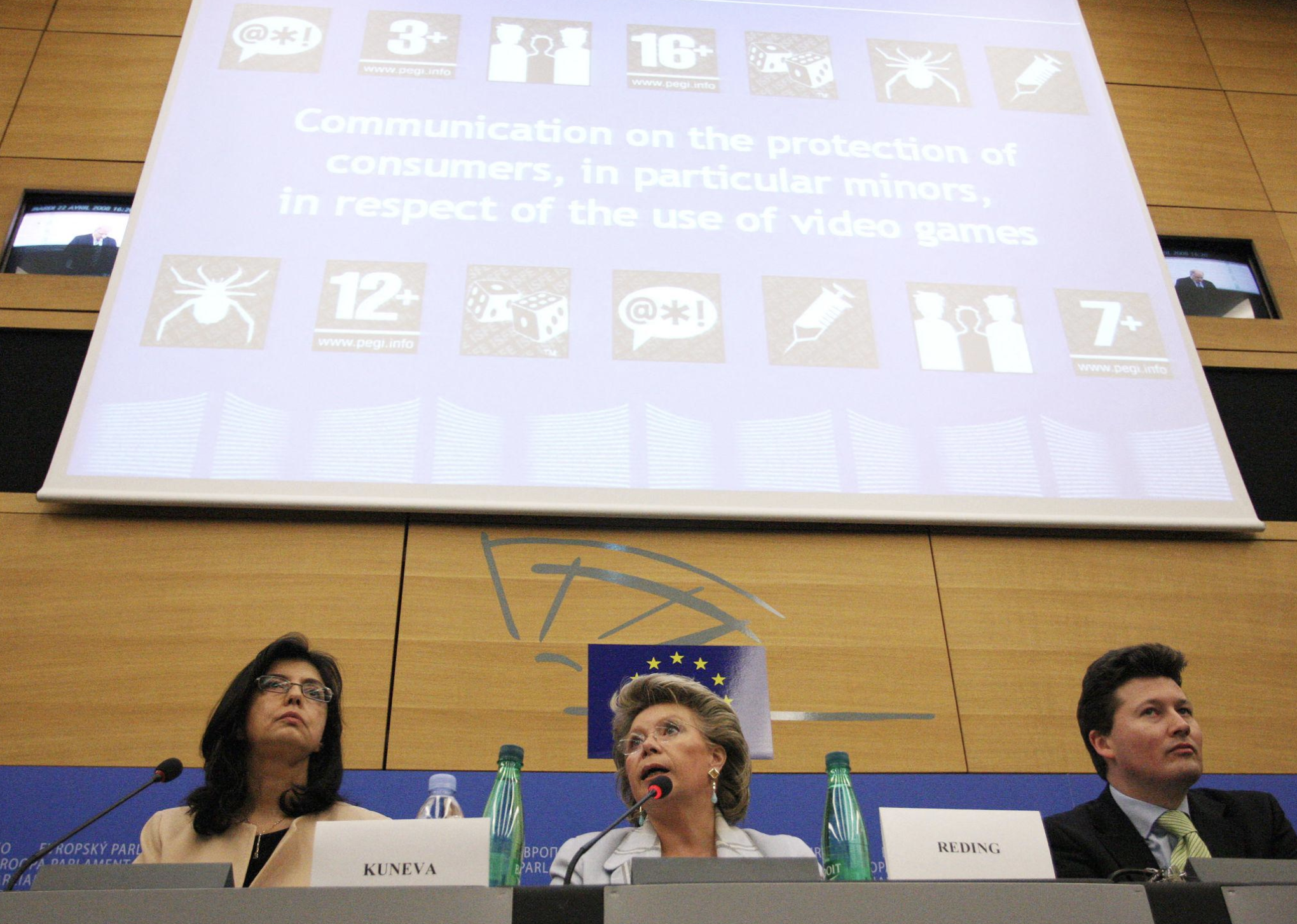
The most important part now is the legislative process.
The proposal will be examined by the European Parliament and EU member states, where its wording can be debated and potentially changed.
For gamers, the interesting question is whether the final rules remain as broad as the current proposal.
If they do, some familiar live-service mechanics could look very different for younger players in Europe.
🎯 Final Take
The EU KIDS Act could become an important piece of gaming regulation if it passes in something close to its current form.
Daily login bonuses aren't simply being banned across Europe. Instead, the proposal takes aim at game mechanics that can encourage excessive or repeated use by minors, putting login rewards, streaks and inactivity penalties under the microscope.
For players, that could eventually mean fewer pressure-based engagement mechanics.
For developers, it could mean redesigning some of the systems that have become standard in modern online games.
But for now, the KIDS Act is still a proposal, and its final rules have yet to be decided.