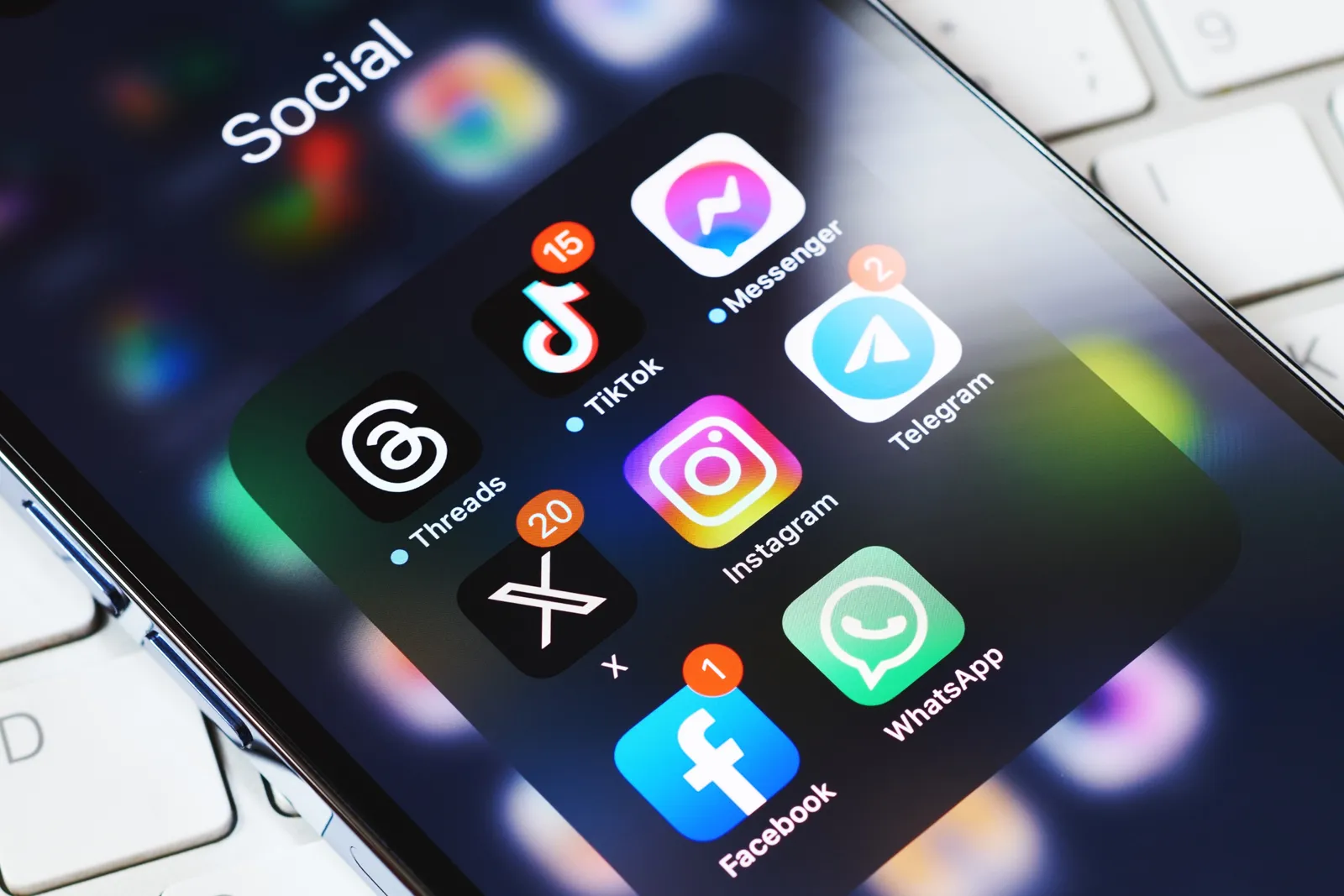

Social media continues to evolve at an extraordinary pace, shaping the way people communicate, consume information, shop, and interact with brands. What began as a platform for connecting with friends and family has transformed into a powerful ecosystem for entertainment, education, business, and commerce. In 2026, social media is expected to become even more intelligent, interactive, and personalized as technological advancements and changing consumer preferences redefine the digital landscape. Businesses, content creators, and individuals who understand emerging social media trends will be better equipped to stay relevant and engage their audiences effectively. From artificial intelligence to social commerce and authentic content creation, several key trends are expected to shape the future of social media.
One of the most significant trends in 2026 is the increasing use of artificial intelligence (AI) in content creation and personalization. Social media platforms are leveraging AI to recommend highly relevant content based on users' interests, browsing habits, and online behaviour. At the same time, creators and businesses are using AI-powered tools to generate captions, edit videos, create graphics, and analyse audience engagement. These technologies enable marketers to produce high-quality content more efficiently while delivering personalized experiences to users. As AI continues to improve, audiences can expect smarter recommendations, faster customer service through AI chatbots, and more tailored advertising that aligns with their preferences.
Short-form video content will continue to dominate social media platforms in 2026. Users increasingly prefer quick, engaging, and visually appealing videos that deliver information or entertainment within a few seconds or minutes. This trend has encouraged brands and creators to focus on concise storytelling, tutorials, product demonstrations, behind-the-scenes content, and educational videos. Short videos are easier to consume, share, and discover, making them highly effective for increasing engagement and reaching wider audiences. Businesses that consistently produce creative, informative, and entertaining video content are likely to gain greater visibility and strengthen their online presence.
Social commerce is another trend expected to experience remarkable growth in 2026. Social media platforms are no longer simply spaces for interaction; they have evolved into powerful online marketplaces. Consumers can now discover products, read reviews, watch demonstrations, and complete purchases without leaving the platform. Features such as in-app shopping, live product demonstrations, and direct checkout have simplified the buying journey, making online shopping faster and more convenient. Brands are increasingly integrating their marketing and sales strategies within social media to create seamless customer experiences. This integration allows businesses to shorten the purchasing process while increasing customer engagement and sales opportunities.
The importance of authenticity will become even more pronounced in the coming years. Modern consumers are becoming more selective about the content they trust and are increasingly drawn to genuine, transparent, and relatable creators. Highly polished advertisements are gradually giving way to real-life experiences, honest product reviews, and behind-the-scenes content. Audiences appreciate influencers and brands that openly discuss both the advantages and limitations of products rather than presenting unrealistic perfection. As a result, companies are expected to collaborate more frequently with micro and nano influencers who maintain close relationships with their communities and generate higher levels of trust and engagement.
User-generated content (UGC) is expected to play a larger role in digital marketing strategies throughout 2026. Consumers enjoy sharing their experiences with products and services through reviews, photos, videos, and testimonials. Brands increasingly encourage customers to create content by organizing contests, offering incentives, or featuring customer posts on official accounts. User-generated content serves as authentic social proof that influences purchasing decisions more effectively than traditional advertisements. It also strengthens customer relationships by making audiences feel valued and involved in the brand's community. Businesses that successfully encourage user participation often experience increased credibility, engagement, and customer loyalty.
The creator economy will continue to expand as more individuals build careers through social media platforms. Content creators are no longer limited to earning income through advertising alone. Subscription services, digital products, exclusive memberships, affiliate marketing, online courses, live streaming, and brand partnerships provide multiple revenue streams for creators. Many platforms are introducing monetization tools that allow creators to receive direct financial support from their audiences. This growing creator economy encourages individuals to develop specialized content, establish personal brands, and cultivate loyal communities while offering businesses new opportunities for meaningful collaborations.
Privacy and data security will remain major concerns in 2026 as users become increasingly aware of how their personal information is collected and used. Governments around the world continue to introduce stricter regulations regarding data protection, requiring social media companies to provide greater transparency and user control over personal data. Consumers are becoming more cautious about sharing sensitive information and expect platforms to protect their privacy. Businesses using social media for marketing must also prioritize ethical data collection practices and transparent communication to maintain customer trust and comply with evolving regulations.
Another emerging trend is the growing integration of augmented reality (AR) and virtual reality (VR) into social media experiences. These immersive technologies enable users to interact with digital environments in new and engaging ways. Brands are increasingly using augmented reality filters that allow consumers to virtually try on clothing, cosmetics, eyewear, or home décor products before making purchasing decisions. Virtual reality is also expanding opportunities for interactive events, virtual shopping experiences, and digital communities where users can engage with brands in immersive environments. As AR and VR technologies become more accessible, they are expected to reshape online engagement and consumer experiences.
Social media platforms are also placing greater emphasis on community building rather than simply increasing follower counts. Private groups, discussion forums, online communities, and membership-based content are becoming increasingly popular because they encourage meaningful conversations and stronger relationships among users. Brands are recognizing that building loyal communities often delivers greater long-term value than pursuing large but passive audiences. By fostering discussions, responding to customer feedback, and encouraging participation, businesses can create lasting relationships that extend beyond individual marketing campaigns.
Sustainability and social responsibility are becoming important factors influencing consumer behaviour on social media. Modern audiences, particularly younger generations, expect brands to demonstrate genuine commitments to environmental protection, diversity, inclusion, and ethical business practices. Consumers increasingly support companies that align with their personal values and contribute positively to society. Social media provides organizations with opportunities to communicate their sustainability initiatives, charitable activities, and corporate responsibility efforts while engaging audiences in meaningful conversations. However, businesses must ensure that these efforts are authentic, as audiences are quick to recognize and criticize misleading or superficial claims.
Looking ahead, the future of social media will be defined by continuous innovation, technological advancement, and changing user expectations. Artificial intelligence, immersive experiences, social commerce, authentic storytelling, and community-driven engagement will continue to transform how individuals and businesses interact online. Success in this evolving environment will depend not only on adopting new technologies but also on understanding audience preferences and delivering meaningful value through relevant and trustworthy content.
In conclusion, social media in 2026 is expected to become more personalized, interactive, and commerce-driven than ever before. Emerging trends such as AI-powered content creation, short-form video, social commerce, augmented reality, user-generated content, and the expanding creator economy will reshape digital communication and marketing strategies. At the same time, growing concerns about privacy, authenticity, and social responsibility will encourage platforms and brands to build stronger, more transparent relationships with their audiences. Organizations and individuals who embrace these trends while remaining adaptable to ongoing technological changes will be well-positioned to thrive in the ever-evolving world of social media.
Comments
Sign in to join the conversation
Sign inNo comments yet
Be the first to share your thoughts!