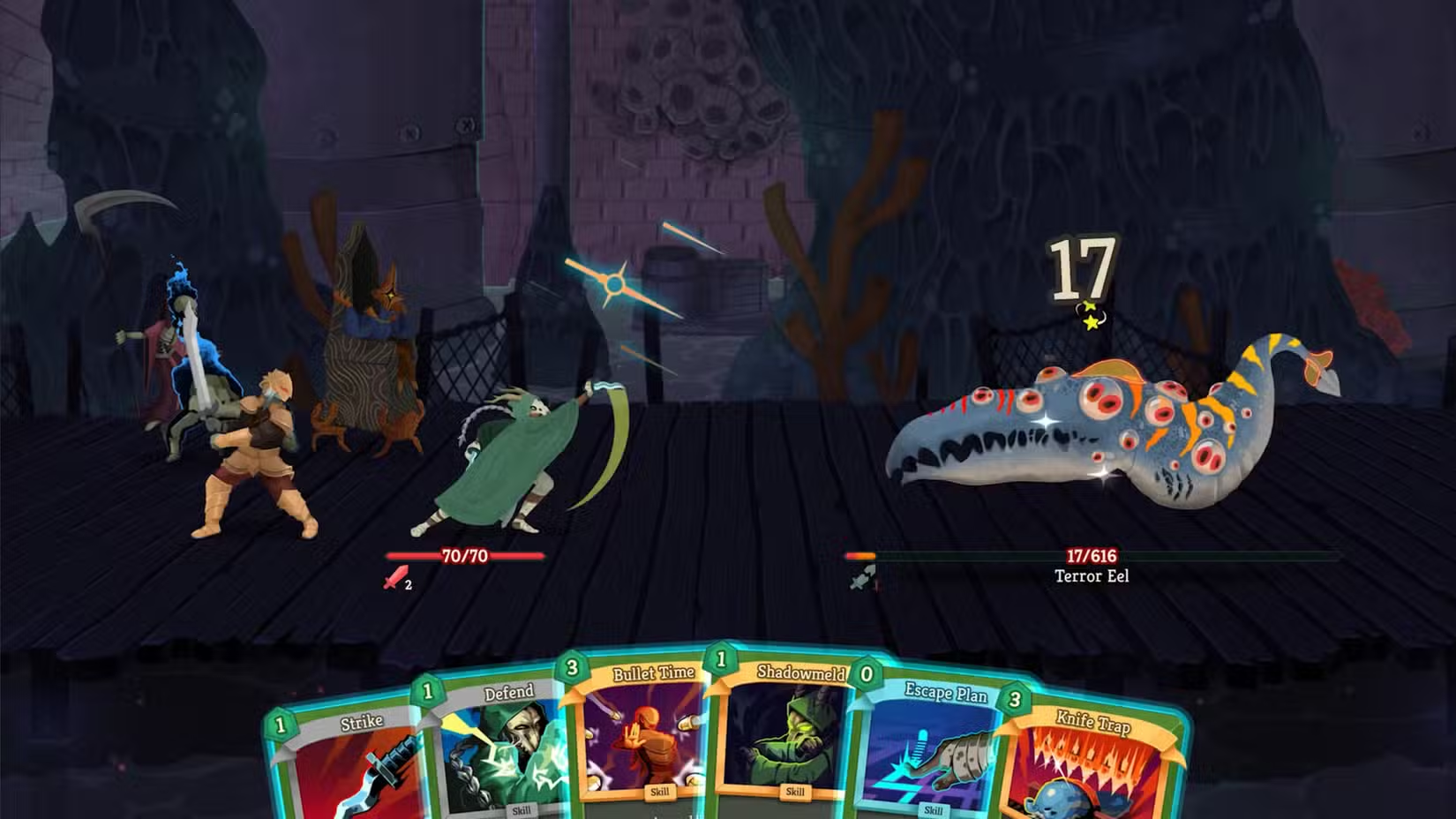

What if the best way to make a sequel to one of gaming's most influential deckbuilders was not to reinvent it at all?
That's the question Slay the Spire 2 answers almost immediately.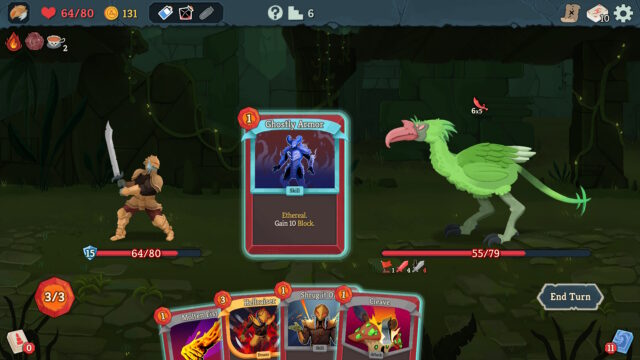
The sequel takes the foundation that made the original special and starts building outward rather than tearing everything down. The result is familiar, but that familiarity isn't necessarily a weakness.
In fact, it's one of the game's biggest strengths.
Slay the Spire 2 understands something many sequels forget: when the original formula is this good, evolution can be more valuable than revolution.
The Magic Was Never Just the Cards
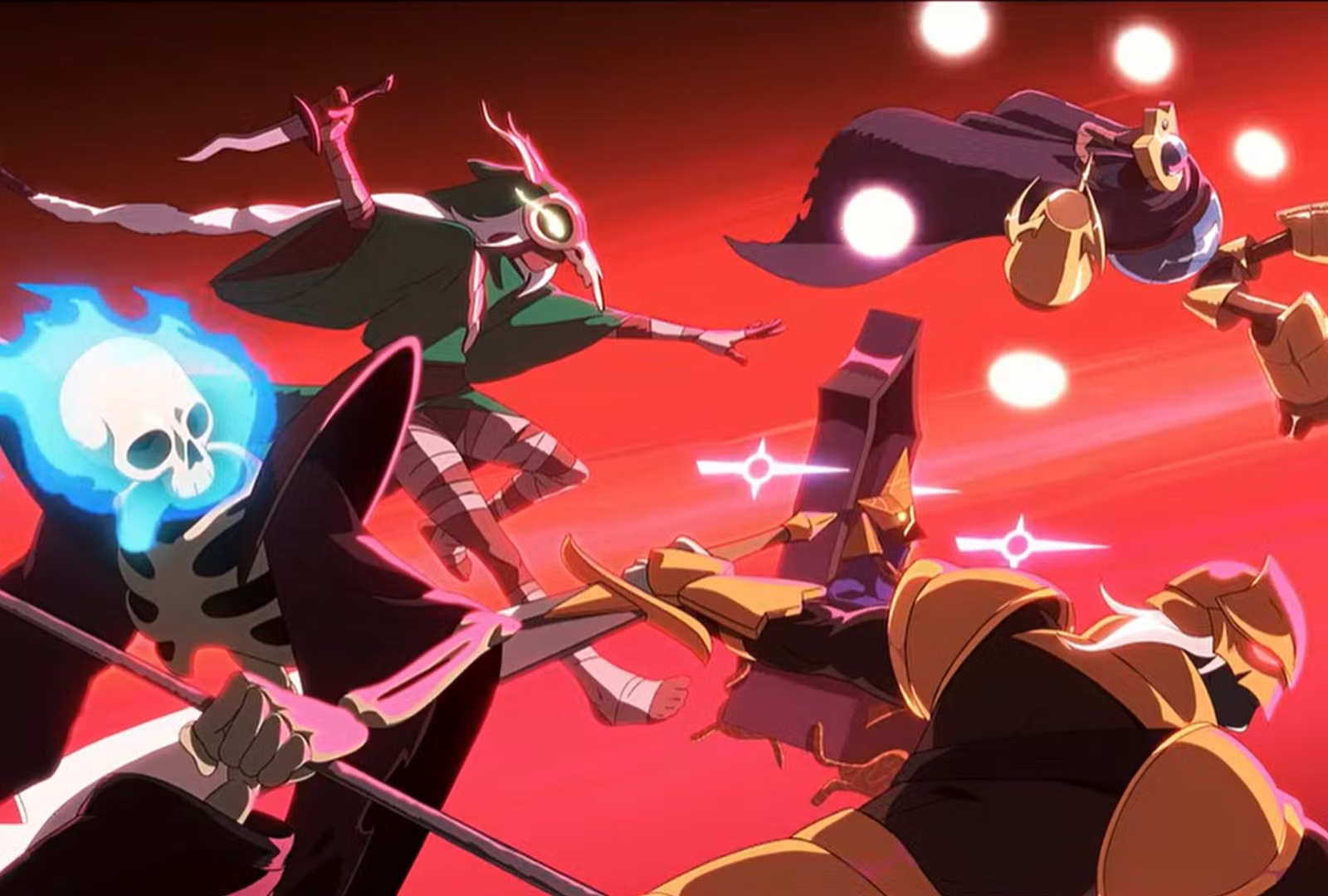
On paper, Slay the Spire is simple.
Pick a character. Climb a procedurally generated tower. Fight enemies. Add cards. Remove cards. Find relics. Create increasingly ridiculous combinations.
Eventually, either defeat the final challenge or watch your carefully constructed masterpiece collapse.
Then start again.
That's the trick.
Every run asks you to make decisions without knowing exactly where those decisions will lead. Do you take the powerful card that doesn't fit your deck yet? Do you remove a weak card? Do you risk an Elite encounter for better rewards?
There is rarely a completely obvious answer.
Slay the Spire 2 keeps that philosophy intact, which is crucial. It doesn't need to explain why deckbuilding works. It simply gives players more opportunities to experiment with it.
The result is a game where losing doesn't necessarily feel like wasted time.
You learned something.
And that makes pressing New Run dangerously easy.
New Characters Give the Formula Fresh Oxygen
One of the biggest ways Slay the Spire 2 expands the original is through its characters.
Returning heroes such as Ironclad, Silent and Defect are joined by newcomers including Necrobinder and Regent.
And the new characters aren't simply cosmetic alternatives.
They introduce different resources and decision-making patterns that change how you approach a run.
Regent, for example, revolves around Stars as a secondary resource, creating another layer to manage alongside health, energy and your deck. Necrobinder brings a completely different identity built around undead-themed mechanics.
That's important because a great deckbuilder can't rely solely on having hundreds of cards.
It needs different ways to think.
A character that changes your priorities can effectively turn familiar cards and encounters into new puzzles.
The Sequel's Biggest New Trick Might Be Playing Together
There was one obvious limitation to the original Slay the Spire:
You couldn't officially climb the Spire with your friends.
Slay the Spire 2 changes that with online co-op.
Multiplayer isn't simply a bonus mode attached to the side of the game. It changes how players approach decisions because multiple people are now trying to coordinate decks, resources and combat strategies.
Suddenly, the question isn't only:
"What's the best move for my deck?"
It's also:
"What's the best move for the team?"
That creates an entirely different kind of chaos.
One player might specialize in damage while another focuses on defense.
Someone might discover a relic that completely changes their strategy, forcing everyone else to rethink their own builds.
It's still Slay the Spire.
But now there can be someone sitting beside you saying, "Wait. Don't take that card."
And you can ignore them.
Obviously.
Why the Deckbuilding Still Feels So Good
The biggest strength of Slay the Spire 2 isn't actually its new content.
It's decision density.
Almost every choice has consequences.
Taking another card makes your deck stronger but also potentially less consistent. Skipping a reward can be the correct decision. Spending money on a relic might be better than buying a powerful card. Taking a risky route could produce exactly the reward you need—or end your run.
This is what separates Slay the Spire from many imitators.
The game isn't simply asking you to build the strongest deck possible.
It's asking you to build the strongest deck possible from the options you were given.
That's a very different challenge.
And because those options change from run to run, there is no single perfect solution.
But Early Access Isn't Perfect
Calling Slay the Spire 2 the deckbuilding crown-holder doesn't mean pretending it's flawless.
The biggest criticism surrounding the Early Access version is also one of its strangest strengths:
It can feel very familiar.
If you've spent hundreds of hours mastering the first game, you may occasionally wonder whether you're playing a sequel or an exceptionally polished expansion.
Some mechanics, cards and familiar strategies inevitably carry over. For longtime players, that can reduce some of the sense of discovery.
There's also the reality of Early Access itself.
Balance isn't set in stone. Some encounters can feel punishing, certain strategies may appear significantly stronger than others, and players are still discovering which combinations truly break the game.
But that's exactly what Early Access is for.
The current version isn't necessarily the final version.
And that's an important distinction.
Why It Matters Beyond One Game
Here's where Slay the Spire 2 becomes even more interesting.
The original Slay the Spire helped establish the modern roguelike deckbuilder as one of gaming's most flexible genres. Its influence can be seen across countless games built around randomized runs, cards, relics and escalating synergies.
The sequel therefore has an unusual challenge.
It isn't just competing with other deckbuilders.
It's competing with its own legacy.
That's why playing it can feel slightly surreal.
The game that inspired so many imitators is now competing against all of those games and against the expectations created by them.
Yet Slay the Spire 2 doesn't seem particularly interested in chasing trends.
It is doubling down on the thing its creators already understand exceptionally well:
Make the decisions interesting, and players will make their own stories.
What Happens Next?
This may be the most exciting part of the Early Access journey.
The game has plenty of room to grow, and future additions could significantly change how players approach high-level runs.
Watch for three things:
- New content: More cards, enemies, events and encounters could dramatically expand the number of viable strategies.
- Balance changes: Player feedback will shape difficult encounters, cards and the overall competitive meta.
- Character evolution: The new heroes could become increasingly interesting as players discover unexpected combinations and synergies.
That's also why now may be one of the most interesting times to play.
You're not just experiencing a finished game.
You're watching the game become itself.
🎮 The Bottom Line
Slay the Spire 2 doesn't wear the deckbuilding crown because it completely changes the genre.
It wears it because it understands why the genre worked in the first place.
The cards are fun. The characters are distinct. The new systems create fresh possibilities. Co-op adds an entirely new way to experience the climb. And beneath all of it is the same wonderfully cruel loop: make a decision, discover its consequences, lose, learn, and immediately convince yourself that the next run will be different.
Is it too familiar in places?
Absolutely.
Does Early Access still have room for balance improvements?
Definitely.
But those are reasons to watch the game's development, not reasons to dismiss it.
The crown isn't safe because Slay the Spire 2 is finished.
It's safe because even in Early Access, everyone else is still chasing the formula Mega Crit helped define.
What do you think? Does Slay the Spire 2 deserve the deckbuilding crown, or has another roguelike finally taken its place? Let us know in the comments.
Comments
Sign in to join the conversation
Sign inNo comments yet
Be the first to share your thoughts!