
Saudi Arabia Joins U.S. Military Strikes on Iranian Proxies
📅 July 2026 • ⏱️ 4 Min Read
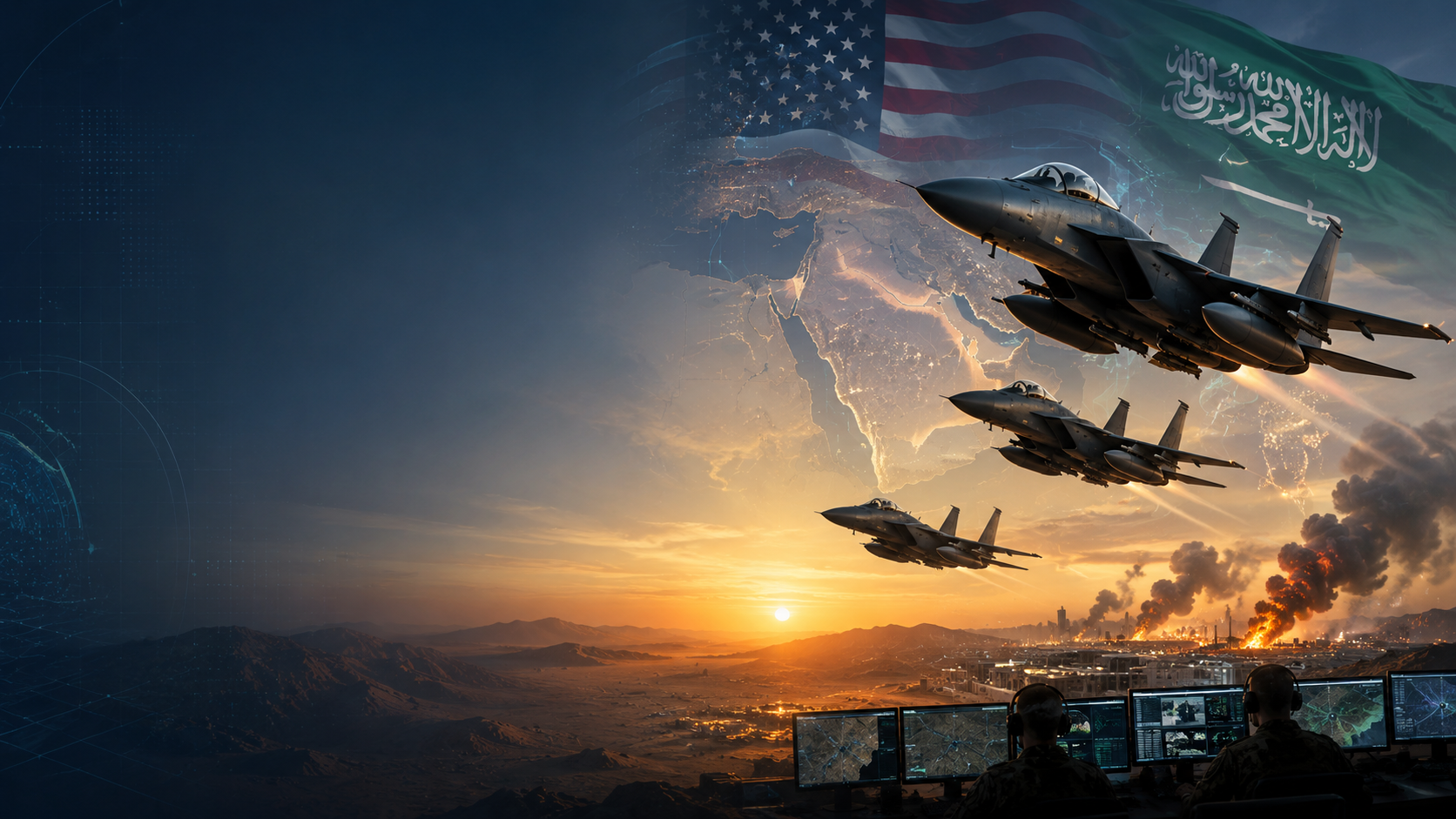
After months of rising tensions in the Middle East, Saudi Arabia has reportedly joined the United States in military strikes targeting Iranian-backed proxy groups. The move marks one of the strongest signs of military cooperation between the two allies in recent years.
Rather than being a standalone operation, the strikes are part of broader efforts to protect regional security and deter attacks on military bases and international shipping routes.
📅 July 2026 • ⏱️ 4 Min Read
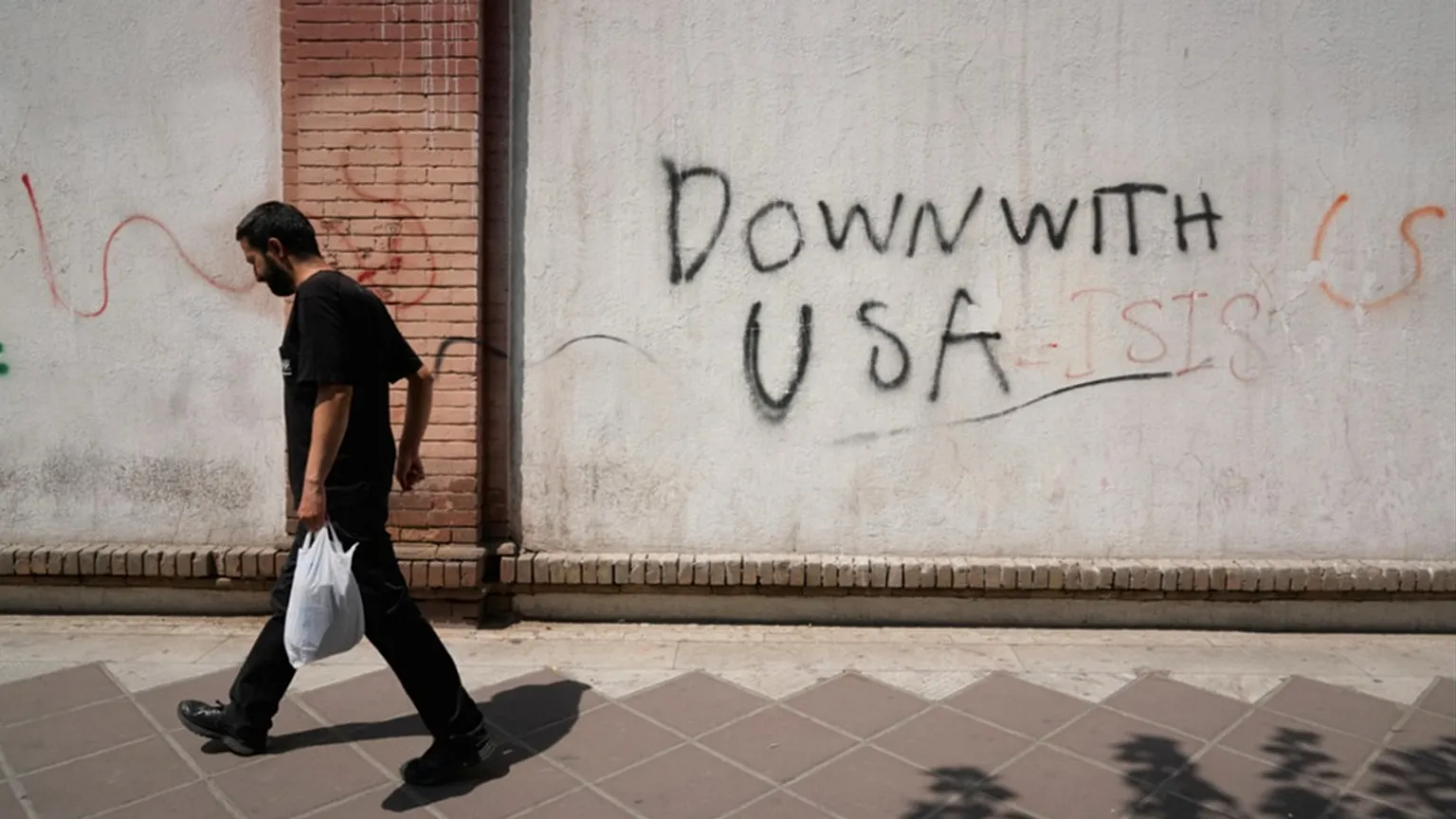
After months of rising tensions in the Middle East, Saudi Arabia has reportedly joined the United States in military strikes targeting Iranian-backed proxy groups. The move marks one of the strongest signs of military cooperation between the two allies in recent years.
Rather than being a standalone operation, the strikes are part of broader efforts to protect regional security and deter attacks on military bases and international shipping routes.
Why Did Saudi Arabia Join the Operation?
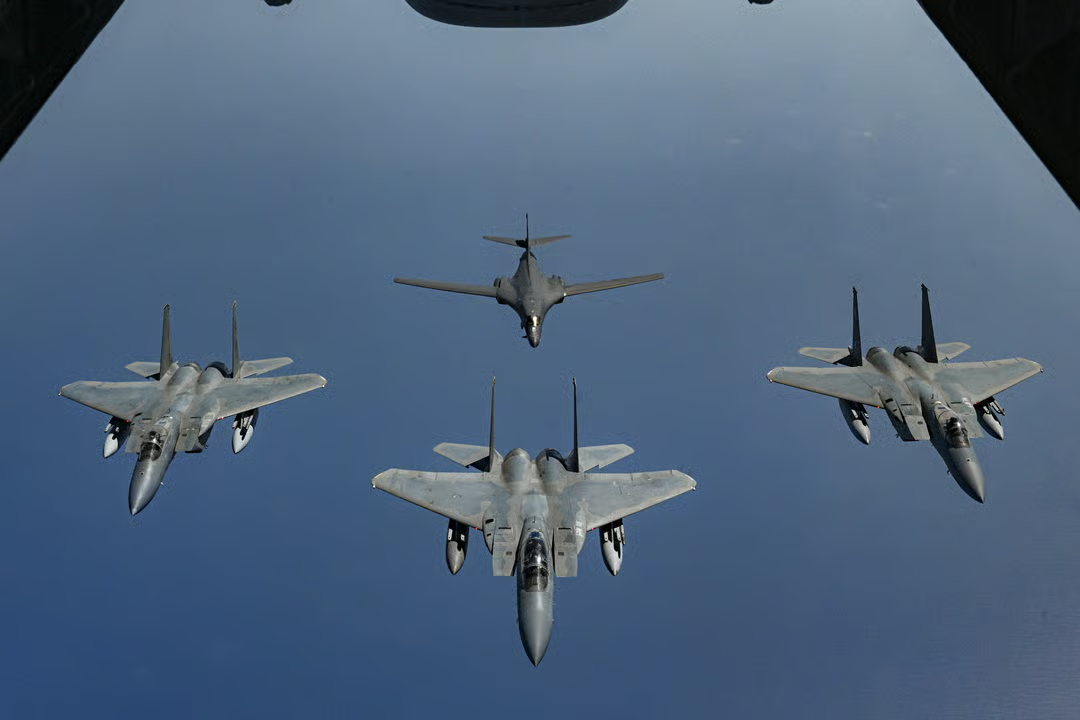
According to reports, the joint strikes were launched in response to increasing attacks carried out by Iranian-backed groups across the region.
The primary objectives include:
-
🛡️ Protecting allied military personnel
-
🚢 Securing international shipping lanes
-
🌍 Maintaining regional stability
-
⚔️ Weakening the capabilities of proxy groups
Officials describe the operation as a defensive measure rather than the beginning of a wider military campaign.
According to reports, the joint strikes were launched in response to increasing attacks carried out by Iranian-backed groups across the region.
The primary objectives include:
- 🛡️ Protecting allied military personnel
- 🚢 Securing international shipping lanes
- 🌍 Maintaining regional stability
- ⚔️ Weakening the capabilities of proxy groups
Officials describe the operation as a defensive measure rather than the beginning of a wider military campaign.
Why This Matters
Saudi Arabia's involvement signals a stronger security partnership with the United States.
Analysts believe the operation could:
-
Increase pressure on Iranian-backed organizations.
-
Strengthen military coordination among allies.
-
Influence global oil markets.
-
Raise diplomatic tensions across the region.
Although military action may reduce immediate threats, experts say long-term peace will still depend on diplomatic negotiations.
Saudi Arabia's involvement signals a stronger security partnership with the United States.
Analysts believe the operation could:
- Increase pressure on Iranian-backed organizations.
- Strengthen military coordination among allies.
- Influence global oil markets.
- Raise diplomatic tensions across the region.
Although military action may reduce immediate threats, experts say long-term peace will still depend on diplomatic negotiations.
Quick Facts
Topic Details Countries Involved Saudi Arabia & United States Target Iranian-backed proxy groups Region Middle East Main Goal Regional security and deterrence Impact Higher geopolitical tensions
| Topic | Details |
|---|---|
| Countries Involved | Saudi Arabia & United States |
| Target | Iranian-backed proxy groups |
| Region | Middle East |
| Main Goal | Regional security and deterrence |
| Impact | Higher geopolitical tensions |
What Could Happen Next?
Military analysts are watching several developments closely.
Possible outcomes include:
-
Additional military operations.
-
Responses from Iranian-backed groups.
-
Diplomatic negotiations.
-
Changes in regional security policies.
-
Potential effects on global energy prices.
The coming weeks will determine whether tensions continue to rise or diplomatic efforts gain momentum.
Military analysts are watching several developments closely.
Possible outcomes include:
- Additional military operations.
- Responses from Iranian-backed groups.
- Diplomatic negotiations.
- Changes in regional security policies.
- Potential effects on global energy prices.
The coming weeks will determine whether tensions continue to rise or diplomatic efforts gain momentum.
Should the World Be Concerned?
While the strikes are intended to strengthen regional security, they also increase the risk of further escalation.
Governments around the world are encouraging restraint while continuing to monitor developments closely.
Many experts believe balancing military action with diplomacy will be essential for long-term stability.
While the strikes are intended to strengthen regional security, they also increase the risk of further escalation.
Governments around the world are encouraging restraint while continuing to monitor developments closely.
Many experts believe balancing military action with diplomacy will be essential for long-term stability.
Frequently Asked Questions
Why did Saudi Arabia join the U.S. strikes?
Saudi Arabia joined the operation to help counter threats posed by Iranian-backed proxy groups and strengthen regional security cooperation.
Saudi Arabia joined the operation to help counter threats posed by Iranian-backed proxy groups and strengthen regional security cooperation.
Who are Iranian-backed proxy groups?
They are armed organizations that receive varying levels of support from Iran and operate across several Middle Eastern countries.
They are armed organizations that receive varying levels of support from Iran and operate across several Middle Eastern countries.
Will this affect oil prices?
Possibly. Increased regional tensions often influence global energy markets because the Middle East is a major oil-producing region.
Possibly. Increased regional tensions often influence global energy markets because the Middle East is a major oil-producing region.
Could tensions increase?
Yes. Analysts warn that retaliatory actions remain possible, making diplomacy increasingly important.
Yes. Analysts warn that retaliatory actions remain possible, making diplomacy increasingly important.
Final Thoughts
Saudi Arabia's participation in U.S. military strikes marks an important development in Middle East geopolitics. While supporters view the operation as necessary for regional security, others fear it could increase instability if diplomatic efforts fail.
The situation continues to evolve, and governments worldwide remain focused on preventing further escalation.
Saudi Arabia's participation in U.S. military strikes marks an important development in Middle East geopolitics. While supporters view the operation as necessary for regional security, others fear it could increase instability if diplomatic efforts fail.
The situation continues to evolve, and governments worldwide remain focused on preventing further escalation.
Sources
🔗 The Washington Post
https://www.washingtonpost.com/
🔗 Reuters – Middle East
https://www.reuters.com/world/middle-east/
🔗 BBC News – Middle East
https://www.bbc.com/news/world-middle-east
🔗 U.S. Department of Defense
https://www.defense.gov/
🔗 The Washington Post
https://www.washingtonpost.com/
🔗 Reuters – Middle East
https://www.reuters.com/world/middle-east/
🔗 BBC News – Middle East
https://www.bbc.com/news/world-middle-east
🔗 U.S. Department of Defense
https://www.defense.gov/
Comments
Sign in to join the conversation
Sign inNo comments yet
Be the first to share your thoughts!