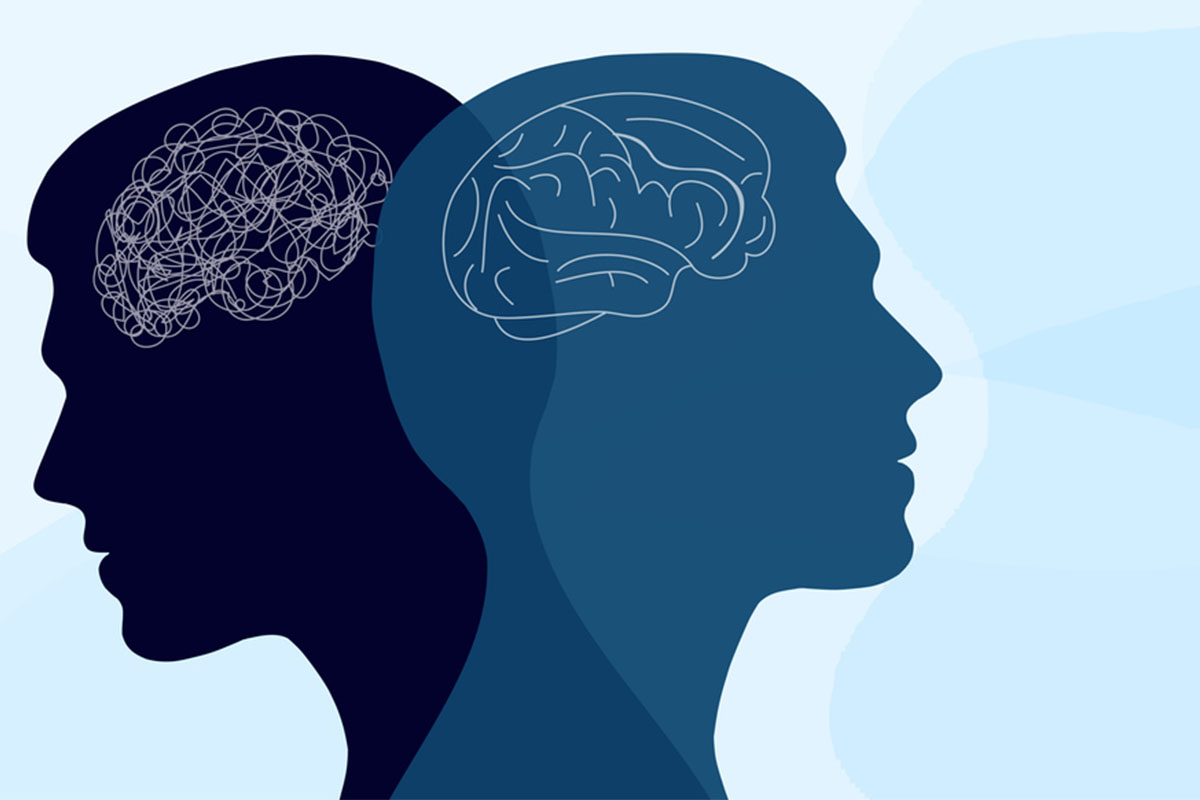

Have you ever noticed that when someone tells you not to do something, it suddenly becomes more tempting? A simple statement like “You probably cannot do it” can sometimes create a strong desire to prove that person wrong. This interesting aspect of human behaviour is known as reverse psychology. It is a psychological technique where a person encourages a particular action by suggesting the opposite. Instead of directly asking someone to do something, they create a situation where the other person feels motivated to make that choice on their own.
Reverse psychology works because people naturally want to feel independent and in control of their decisions. When individuals feel that their freedom is being limited, they often experience a psychological reaction called reactance. This means they become more motivated to regain their freedom by doing the very thing they feel discouraged from doing. For example, if someone says, “I don’t think you will be able to complete this challenge,” the person may become determined to succeed simply to prove their ability.
The concept of reverse psychology is closely connected to the way humans respond to restrictions. People generally value choices, and when those choices appear threatened, they may develop a stronger attachment to them. This is why things that seem forbidden, exclusive, or difficult to access often become more attractive. A product described as “limited edition” or an opportunity available to only a few people may create a sense of urgency because people feel they might lose the chance to have it.
In everyday life, reverse psychology appears in many different situations. Parents sometimes use it with children by avoiding direct commands and allowing them to feel like they are making their own decisions. Instead of saying, “Clean your room right now,” a parent might say, “I don’t think you are ready to organize everything by yourself.” The child may then feel motivated to prove their capability. Similarly, friends may use playful reverse psychology by saying something like, “You probably won’t enjoy trying this,” which can encourage someone to become curious and try it anyway.
Marketing and advertising also use similar psychological principles to influence consumer behaviour. Companies often create interest by making products appear rare or exclusive. Phrases such as “only a few items left,” “members-only access,” or “limited-time offer” encourage people to act quickly because they fear missing out. While these strategies are not always pure examples of reverse psychology, they use the same understanding of human desire and decision-making.
Reverse psychology is especially common among teenagers and young adults because independence becomes an important part of personal development. When people feel pressured to follow a certain path, they may naturally resist and choose the opposite option. This can be seen in situations where strict rules or excessive restrictions sometimes lead to stronger curiosity and rebellion. However, this reaction is not limited to young people; individuals of all ages can experience resistance when they feel controlled.
Although reverse psychology can be effective, it is not a guaranteed method of persuasion. Its success depends on the personality of the person involved and the situation. Some people may recognize the technique immediately and become less likely to respond positively. If used dishonestly or too frequently, reverse psychology can damage trust because people may feel manipulated. Healthy communication is usually more effective when the goal is to build strong relationships or solve serious problems.
Modern entertainment and social media often use reverse psychology to capture attention. Online challenges, viral trends, and creative campaigns frequently encourage people by suggesting they cannot participate or succeed. This creates curiosity and motivates users to engage. Many popular internet trends rely on the same idea that people enjoy challenging expectations and proving themselves.
The psychology behind reverse influence shows how complex human decision-making can be. People do not always act based only on logic; emotions, curiosity, pride, and the desire for independence also play major roles. Reverse psychology works because it taps into these natural human tendencies and encourages people to believe they are making their own choices.
Ultimately, reverse psychology is a fascinating example of how the human mind responds to influence. When used responsibly, it can be a creative way to motivate or communicate. However, genuine honesty and respect remain more powerful than manipulation. Understanding reverse psychology is not only about learning how to influence others but also about understanding why people think, react, and make decisions the way they do.
Comments
Sign in to join the conversation
Sign inNo comments yet
Be the first to share your thoughts!