
Resident Evil 9’s “Dual-Perspective” Reveal: Why Capcom Is Letting You Choose
Capcom’s Resident Evil Requiem, also known as Resident Evil 9, has made one of the franchise’s biggest gameplay decisions clear: players can experience the horror from both first-person and third-person perspectives.
The feature is not simply a camera preference hidden inside a settings menu. It changes how players experience fear, movement, combat, exploration, and even the characters themselves.
First-person places the player directly inside the environment. Every dark hallway, sudden movement, and creature encounter feels closer and more personal. Third-person creates a little distance, allowing players to see the character’s body, animations, surroundings, and reactions.
Capcom has already explained that this flexibility is designed to make the game more approachable for players who found the intensity of Resident Evil 7: Biohazard difficult to handle. The development team also had to create additional animations and character reactions so that the third-person perspective would feel natural rather than like a first-person game with the camera pulled backward.
The result is a design choice that could affect the entire rhythm of Resident Evil Requiem.
────────────────────────────────────────
First-Person and Third-Person Can Now Share the Same Horror
Earlier games in the modern Resident Evil era often committed to one primary perspective.
Resident Evil 7 used first-person to create a more intimate and claustrophobic experience. The player saw the world through Ethan Winters’ eyes, making every encounter feel immediate.
The Resident Evil 2 and Resident Evil 4 remakes, meanwhile, used third-person over-the-shoulder cameras. That perspective offered more awareness of the environment and made combat feel more deliberate and character-focused.
Resident Evil Requiem combines both approaches.
Players can use first-person when they want maximum immersion, then switch to third-person when they want a clearer view of the character and surrounding space. The game’s design allows both perspectives to exist within the same overall experience rather than separating them into entirely different campaigns.
────────────────────────────────────────
Why Capcom Is Giving Players the Choice
The decision appears to be connected to accessibility as much as it is to fan demand.
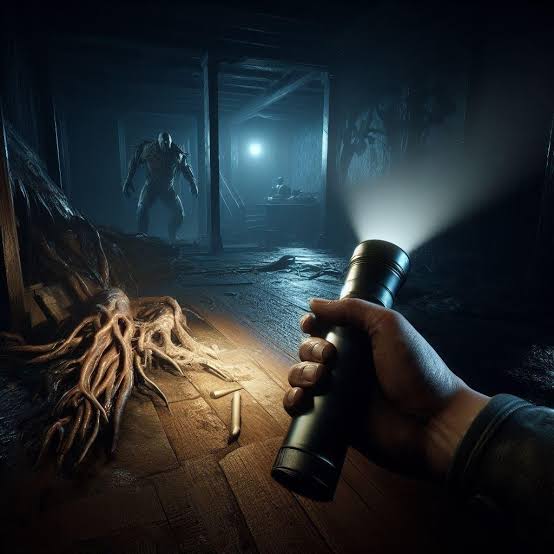
First-person horror can be extremely effective because it removes much of the distance between the player and the threat. A creature appearing suddenly in front of the camera can feel more invasive when there is no visible character separating the player from the danger.
However, that intensity can also become exhausting.
During an interview, director Kōshi Nakanishi explained that some players found Resident Evil 7 so frightening that they either stopped playing or never started. Third-person mode gives those players a way to step back from the experience while still enjoying the story, exploration, and survival mechanics.
This is an important distinction. Capcom is not necessarily reducing the horror for everyone. Instead, it is allowing players to decide how directly they want to experience it.
First-Person Can Deliver:
Stronger immersionA more intimate sense of danger
Greater tension in narrow spaces
More intense creature encounters
A closer connection to environmental sound and lighting
Third-Person Can Offer:
Better awareness of the surrounding areaA clearer view of character animations
More distance from disturbing encounters
Easier spatial awareness during exploration
A stronger connection to the protagonist’s physical reactions
Neither perspective automatically makes the game easier or scarier in every situation. Their impact will depend on enemy design, level layout, sound, lighting, combat systems, and how Capcom balances encounters.
────────────────────────────────────────
The Camera Is Part of the Horror Design
Changing the camera does more than alter what the player sees. It changes the way the game communicates danger.
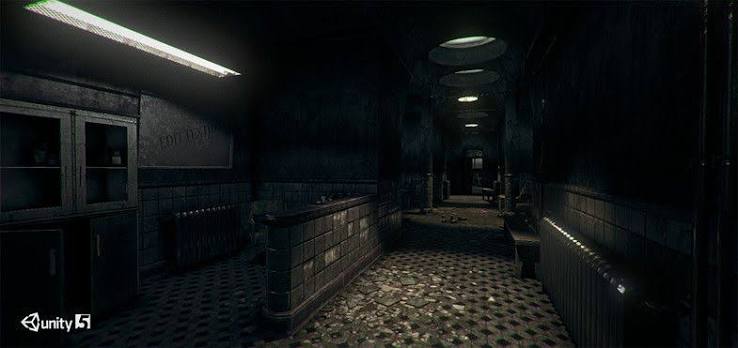
In first-person, a dark doorway may become frightening because the player cannot see what is happening outside the narrow field of view. A sound from behind can create tension without revealing the source.
In third-person, the same doorway may feel different. The player can see the character’s position and may have more awareness of the surrounding space. That can reduce uncertainty, but it can also make the character appear more vulnerable.
A third-person camera can reveal:
- A character’s hesitation
- Physical injuries
- Defensive movements
- Enemy positioning
- Environmental hazards
- The distance between the player and a threat
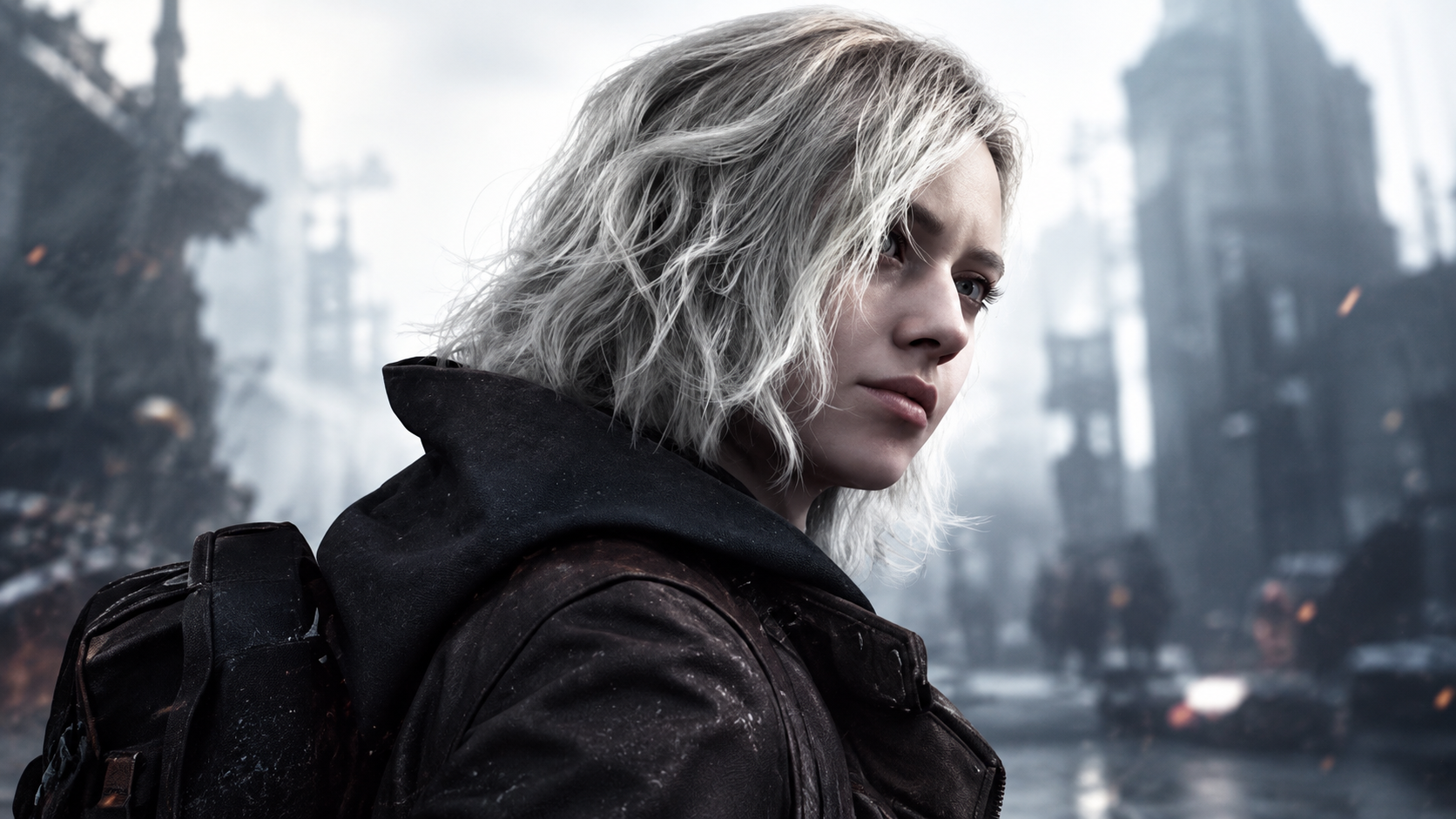
This is particularly important for Grace Ashcroft, whose character has been presented as more vulnerable and inexperienced than many previous Resident Evil protagonists. Her physical reactions and body language are part of the storytelling, not just visual decoration.
────────────────────────────────────────
A Technical Challenge for Capcom
Supporting two camera perspectives is not as simple as moving the viewpoint.
A first-person game can hide many character animations because the player sees only the environment, hands, weapons, or selected body parts. Third-person mode exposes the full character model, meaning every movement becomes visible.
That creates additional development demands.
Animation
A character who looks convincing from inside the head may appear stiff or unnatural when viewed from behind. Running, turning, climbing, aiming, reacting to damage, and interacting with objects all need to work from an external camera.
Level Design
A room that feels frightening in first-person may feel less threatening from third-person. Developers must consider sightlines, cover, enemy placement, camera obstruction, and the distance between the character and surrounding objects.
Combat
A third-person camera can make aiming and enemy positioning easier to read. First-person can create a more direct connection between the player and the weapon. Capcom must ensure that neither perspective feels like an afterthought.
Cinematics
Story moments need to transition smoothly between gameplay, scripted scenes, and camera changes. A dramatic encounter can lose impact if the camera suddenly clips through an object or exposes something the developers intended to hide.
Nakanishi has acknowledged that the team had to add more animation and characterisation to make the third-person presentation feel natural.
────────────────────────────────────────
Does Third-Person Make Resident Evil Less Scary?
That depends on what kind of fear the game is trying to create.
First-person horror often relies on vulnerability through limited visibility. The player cannot easily see what is behind them, and the environment may feel larger than the screen can reveal.
Third-person horror can use a different set of tools.
The player may see a creature approaching from outside the character’s immediate view. A camera angle can show danger that the protagonist has not noticed. The character’s body can become a visual warning, reacting to something before the player fully understands it.
Third-person also allows Capcom to create more cinematic encounters. The camera can pull back, move around the character, or reveal the scale of a room in ways that first-person cannot.
The result is not necessarily less frightening. It is a different kind of fear.
First-person horror | Third-person horror |
|---|---|
Direct and immersive | More observational |
Limited peripheral awareness | Greater spatial awareness |
Stronger sense of personal exposure | Stronger focus on character vulnerability |
Effective in narrow spaces | Effective for cinematic reveals |
Threats feel closer to the player | Threats can be framed more dramatically |
────────────────────────────────────────
The Influence of Resident Evil 7 and Resident Evil Village
Capcom’s decision builds on lessons from two recent games.
Resident Evil 7 established first-person as a powerful tool for modern survival horror. Its restricted viewpoint helped create an oppressive atmosphere and made ordinary spaces feel threatening.
Resident Evil Village later offered a third-person mode through post-launch content. That option demonstrated that the franchise could support a more traditional over-the-shoulder presentation while preserving its horror identity.
Resident Evil Requiem takes the idea further by integrating both perspectives into the main experience.
Instead of requiring players to purchase an additional mode or commit to one viewpoint from the beginning, the game makes the choice part of the core design.
This gives Capcom more flexibility when moving between different types of gameplay.
Grace’s sections can lean into fear, investigation, stealth, and survival. Leon’s sections can support more action-focused encounters. The camera choice adds another layer to that contrast, although perspective alone does not determine the entire gameplay style.
────────────────────────────────────────
What This Means for Players
The most obvious benefit is personal choice.
Players who prefer the intensity of first-person can remain inside the environment. Those who prefer seeing their character can use third-person without abandoning the same story or campaign.
The feature may also help players manage horror fatigue.
Some people enjoy short bursts of extreme tension but find several hours of first-person horror exhausting. Switching to third-person could provide a temporary break without forcing them to stop playing entirely.
Other players may use the perspectives strategically:
- First-person for exploration
- Third-person for combat
- First-person for atmospheric sections
- Third-person for environmental navigation
- First-person for immersion
- Third-person for character animation and visual storytelling
Whether those choices are equally effective in every situation will depend on how Capcom balances the game. If one camera provides a clear gameplay advantage, players may feel pressured to use it even when they prefer the other.
That will be one of the most important things to examine once the full game is played extensively.
────────────────────────────────────────
Could Perspective Switching Affect Difficulty?
It could, even if Capcom does not officially label one mode as easier.
Third-person may provide more information about enemy positions and the player’s surroundings. First-person may make certain threats harder to track but more immersive.
The effect will depend on:
- Enemy speed
- Camera distance
- Aim assistance
- Enemy attack patterns
- Environmental obstruction
- Puzzle design
- Stealth mechanics
- The visibility of interactable objects
- Whether both perspectives use identical movement and combat rules
A well-balanced implementation should make the choice feel personal rather than mandatory.
If third-person offers a significant tactical advantage, competitive or efficiency-focused players may select it regardless of their preferred atmosphere. If first-person provides stronger immersion but less awareness, players may choose it for the experience rather than optimal performance.
────────────────────────────────────────
Why This Could Matter Beyond Resident Evil
The dual-perspective system could influence how other horror developers approach accessibility and player preference.
For years, studios often treated camera perspective as a defining identity for a game. First-person suggested immersion, while third-person suggested cinematic action or character-driven storytelling.
Modern hardware and improved animation systems make it easier to support both, but the design challenge remains significant.
If Resident Evil Requiem can make both perspectives feel intentional, it may encourage more developers to treat camera choice as part of accessibility rather than a rigid genre rule.
That does not mean every game should offer both views. Some experiences depend on a specific perspective for pacing, horror, combat, or storytelling. But Capcom’s approach demonstrates that a game can preserve a strong creative identity while allowing players to adjust how they experience it.
────────────────────────────────────────
The Bigger Picture: Horror Should Not Have Only One Entry Point
The most interesting part of Capcom’s decision is not the novelty of switching cameras. It is the philosophy behind the feature.
A horror game can be effective without being equally comfortable for every player. Some people want maximum tension. Others prefer a little distance. Some players may be sensitive to intense first-person imagery, while others may find third-person less immersive.
Giving players control does not automatically weaken the experience.
It can make the game more accessible to a wider audience while preserving the original creative intent.
For Capcom, the challenge will be ensuring that the two perspectives feel equally considered. If both modes have strong animation, thoughtful camera placement, and balanced gameplay, the feature could become one of Resident Evil Requiem’s defining strengths.
If one mode feels like a technical compromise, players will notice quickly.
────────────────────────────────────────
Final Takeaway
Resident Evil Requiem is not simply giving players two camera options. It is using perspective as a way to control fear.
First-person offers direct immersion and a stronger sense of personal exposure. Third-person creates distance, improves character visibility, and allows Capcom to make the protagonist’s physical reactions part of the horror.
The decision also reflects a practical lesson from Resident Evil 7: extreme immersion can be powerful, but it can also prevent some players from enjoying the full game.
By allowing players to switch between perspectives, Capcom is making room for different comfort levels and play styles without abandoning the series’ survival horror identity.
The real test will come when players discover whether both perspectives feel equally polished, balanced, and frightening.
────────────────────────────────────────
Recommended Internal Links
Recommended External Links
────────────────────────────────────────