
Ocarina of Time Remake Launch Date: Why Nintendo Is Starting Zelda’s 40th Anniversary Early
There are anniversaries, and then there are Nintendo anniversaries.
When a franchise as important as The Legend of Zelda turns 40, Nintendo was never likely to celebrate it with a single announcement, one nostalgic video and a commemorative logo.
Now we know what the company has planned.
During the September 8, 2026 Zelda 40th Anniversary Direct, Nintendo confirmed that a full remake of The Legend of Zelda: Ocarina of Time is coming to Nintendo Switch 2 on November 5, 2026. The remake features completely overhauled visuals, voiced cutscenes, expanded dialogue, symphonic orchestral music and redesigned movement and camera controls.
But the release date is perhaps more interesting than the remake itself.
The original Legend of Zelda turns 40 in February 2027.
Nintendo is therefore starting the celebration roughly three months early, using one of the most important games in Zelda history as the opening event.
And once you look at everything Nintendo has announced around it, November 5 starts to look less like a normal game release and more like the beginning of a year long Zelda celebration.
🗓️ The Zelda 40th Anniversary Is Already Starting
The Legend of Zelda officially debuted in Japan on February 21, 1986.
That makes February 2027 the franchise's 40th anniversary.
Yet Nintendo isn't waiting until February.
The company has already scheduled a series of major Zelda related releases, products and events beginning in late 2026.
The current timeline looks like this:
| Date | Zelda 40th Anniversary Event |
|---|---|
| October 29, 2026 | Zelda 40th Anniversary Nintendo Switch 2 system and accessories |
| November 5, 2026 | Ocarina of Time remake launches |
| January 2027 | Zelda 40th Anniversary Concert begins in Tokyo |
| February 2027 | North American concert tour begins |
| April 2027 | European concert tour begins |
| May 2027 | Australian concert tour begins |
| April 30, 2027 | The Legend of Zelda live action movie |
Nintendo itself describes the celebration as a series of activities beginning in 2026 and continuing throughout 2027.
That makes Ocarina of Time the first major gaming event of the anniversary period.
And that choice is significant.
🎮 Why Ocarina of Time?
Nintendo could have picked almost any Zelda game for a major remake.
Instead, it chose Ocarina of Time.
Originally released for Nintendo 64 in 1998, Ocarina of Time represented one of the biggest transformations in Zelda history.
The series moved from the top down worlds of earlier games into a fully 3D Hyrule.
Link could explore a massive three dimensional world, ride Epona, lock onto enemies, travel through time and experience one of the most recognizable versions of Hyrule ever created.
Nearly three decades later, Nintendo is rebuilding that same adventure from the ground up for Switch 2.
Nintendo's official product page describes it as a classic adventure built from the ground up for Nintendo Switch 2.
That distinction matters.
This isn't simply a Nintendo 64 emulator with improved resolution.
Nintendo is treating Ocarina of Time as a modern remake.
🧱 This Is a Full Remake, Not a Simple Upgrade
The easiest way to understand the project is to look at how much Nintendo is changing.
The original game's core adventure remains intact, but almost every layer surrounding it has been modernized.
Nintendo has confirmed:
- Completely overhauled visuals
- Updated textures and environments
- Fully voiced cutscenes
- Expanded character dialogue
- Symphonic orchestral music
- Reworked camera controls
- New movement controls
- A dedicated jump button
- Faster loading
- Smoother overall performance
- A continuing day and night cycle
- Newly remodeled locations
Nintendo says the game has been rebuilt with modern presentation and controls while preserving Link's milestone 1998 adventure.
That creates an interesting balancing act.
Nintendo isn't trying to make a completely new Zelda game.
It's trying to answer a different question:
What would Ocarina of Time feel like if it had been designed for modern hardware?
🏹 Hyrule Is Being Rebuilt for a New Generation
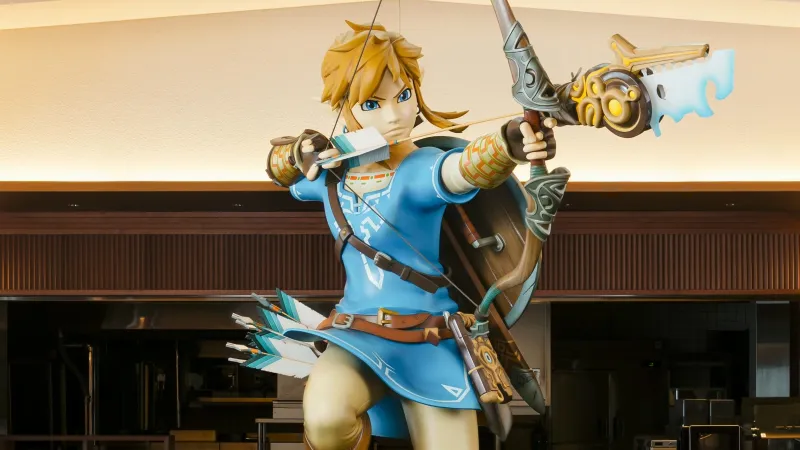
One of the biggest changes is the world itself.
Nintendo has remodeled locations throughout Hyrule and added significantly more environmental detail.
The remake also introduces more freedom in how players move through the world.
Link can now jump and run freely using newly added button commands, while the right stick provides modern camera control.
That sounds like a small change.
It isn't.
The original Ocarina of Time was designed around the limitations and conventions of 1998 3D games.
Modern action adventure games have completely different expectations.
Players expect direct camera control.
They expect responsive movement.
They expect characters to react naturally to environments.
Nintendo appears to be updating Ocarina of Time around those expectations without throwing away the original game's structure.
🌙 Even the Day and Night System Has Changed
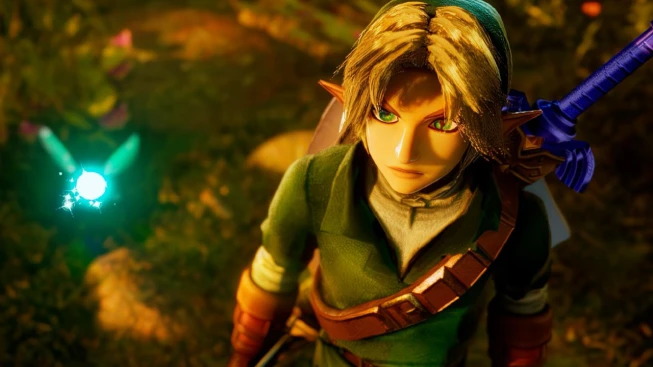
Nintendo has also made a subtle but important change to Hyrule's world simulation.
The day and night cycle now continues even while Link is inside towns.
That means Hyrule is no longer simply switching between isolated gameplay states.
The passage of time is becoming a more consistent part of the world.
It's a small detail, but these are exactly the kinds of changes that can make an old game feel fundamentally different when experienced again.
A familiar location can feel different depending on when you arrive.
Characters can exist within a world that feels more persistent.
And the overall presentation can feel less like a collection of game areas and more like one connected environment.
🎙️ Link's World Finally Gets More Voices
Perhaps the most noticeable storytelling upgrade will be the expanded dialogue.
Nintendo has confirmed that characters Link meets will be fully voiced during expanded cutscenes.
This is a major change from the original.
Ocarina of Time relied heavily on text boxes, expressive animations and short character sounds.
The remake can now use modern cinematic presentation to give characters more personality.
That could completely change how familiar scenes feel.
Characters who were once remembered primarily through text and short audio cues can now have fully voiced conversations.
For players who experienced Ocarina of Time decades ago, this may be one of the strangest parts of returning to the game.
The story will be familiar.
The way that story is delivered will not be.
🎵 The Soundtrack Is Getting a Major Upgrade
Nintendo is also replacing the original audio presentation with symphonic orchestral music.
That makes perfect sense for a game built around music.
Ocarina of Time is one of the most recognizable soundtracks in Nintendo history.
Songs such as Zelda's Lullaby, Gerudo Valley and the Song of Storms became part of the identity of the series.
A full orchestral treatment gives Nintendo an opportunity to make those compositions sound much larger.
It also reinforces the idea that this remake isn't simply attempting to reproduce the Nintendo 64 experience.
It's trying to reinterpret it.
🎼 The Ocarina Itself Is Becoming More Interactive
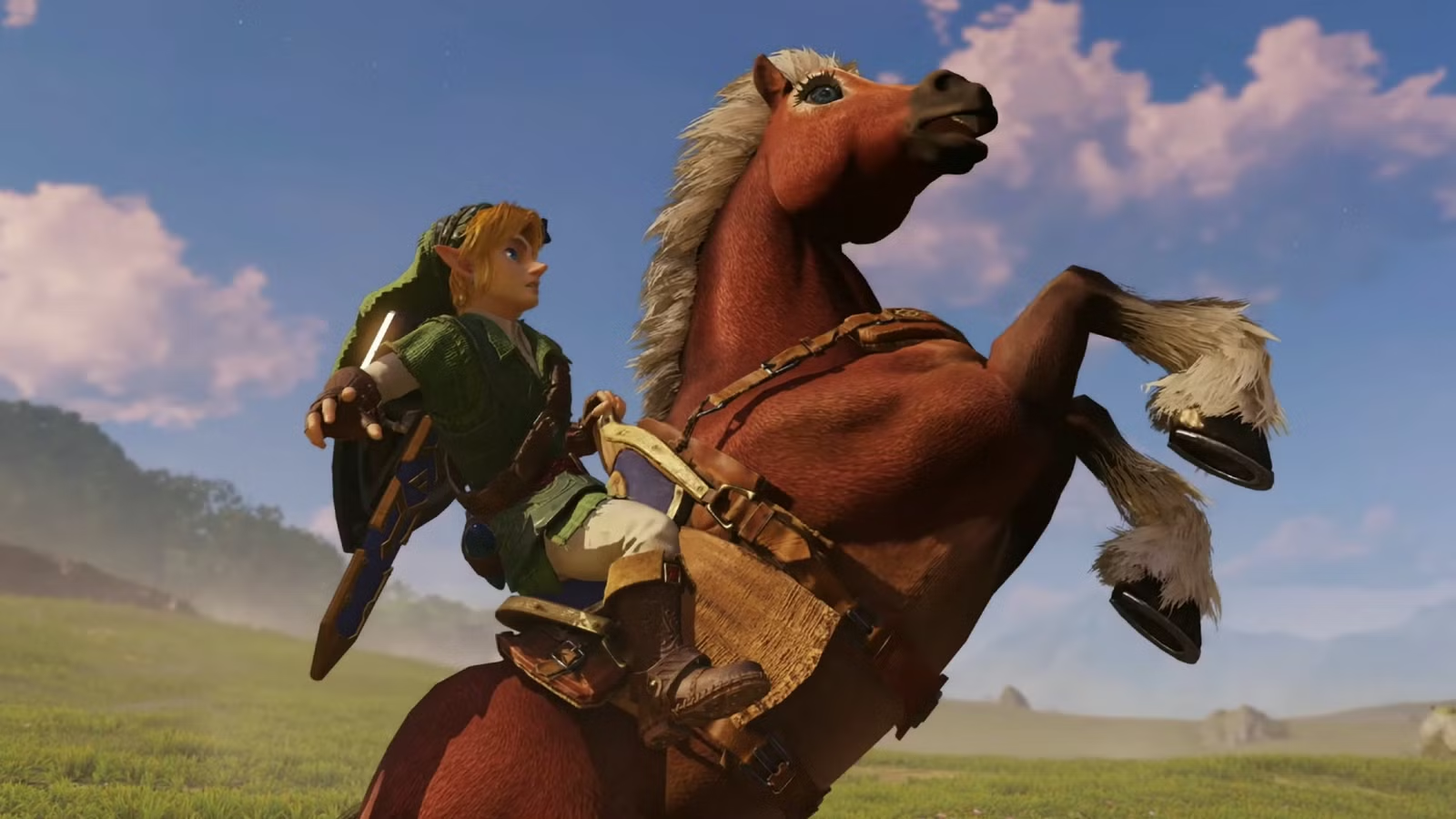
One of the strangest new features is also one of the most Nintendo features imaginable.
Players can actually hum learned Ocarina melodies into the Nintendo Switch 2's built in microphone.
The game recognizes the melody and Link performs the corresponding song.
Nintendo is also releasing both a playable Ocarina and an electric Ocarina accessory later in 2026.
This turns one of Ocarina of Time's oldest mechanics into something much more physical.
Instead of simply pressing buttons to reproduce a melody, players can interact with the game's musical system using their voice or an actual instrument.
It's unnecessary.
It's slightly ridiculous.
And that's exactly why it feels like something Nintendo would build for an anniversary release.
🧠 Threads of Time Could Make the Classic Easier to Follow
Nintendo is also adding a new feature called Threads of Time.
The system allows players to see their progress through the adventure and keep track of their next objective.
A large tapestry gradually fills in as the journey continues.
For players who already know Ocarina of Time, this might be a nice organizational tool.
For newcomers, it could be much more important.
The original game comes from an era when players were expected to remember where they had been, what characters had said and where they were supposed to go next.
Modern players are used to quest logs and objective tracking.
Threads of Time brings that expectation into a game designed nearly 30 years ago.
📱 Zelda Notes Turns the Remake Into a Bigger Experience
Nintendo is also connecting the remake to ZELDA NOTES, a service available through the Nintendo Switch App.
The Ocarina of Time version will allow players to track daily accomplishments, receive location challenges, use a virtual Ocarina and participate in an Ocarina of Time quiz containing more than 2,000 questions.
One feature called Gossip Quest gives players an image based location challenge.
Find the location shown in the image and players can earn points toward music scores for the virtual Ocarina.
That means Nintendo isn't just rebuilding the game.
It's building an additional layer around the game.
The remake becomes part of a broader Zelda ecosystem involving the console, smartphone app, collectibles, music and anniversary events.
🏆 Why Start the 40th Anniversary With a 1998 Game?
This is probably the most interesting question.
Why not remake the original 1986 Legend of Zelda?
Why not release a brand new Zelda game?
Why choose a game from 1998 to begin an anniversary celebrating 1986?
Because Ocarina of Time represents one of the most important transitions in the franchise.
The original Zelda established the fundamental idea of exploration.
A Link to the Past refined it.
Ocarina of Time transformed it into 3D.
Breath of the Wild later rebuilt Zelda around open world freedom.
Tears of the Kingdom expanded that philosophy even further.
So Ocarina of Time isn't just another popular Zelda game.
It represents a major turning point in the history of the franchise.
Starting the 40th anniversary with it lets Nintendo celebrate both where Zelda began and how dramatically it evolved.
🏰 Nintendo Is Turning Zelda Into a Year Long Event
The remake makes even more sense when viewed alongside everything else Nintendo announced.
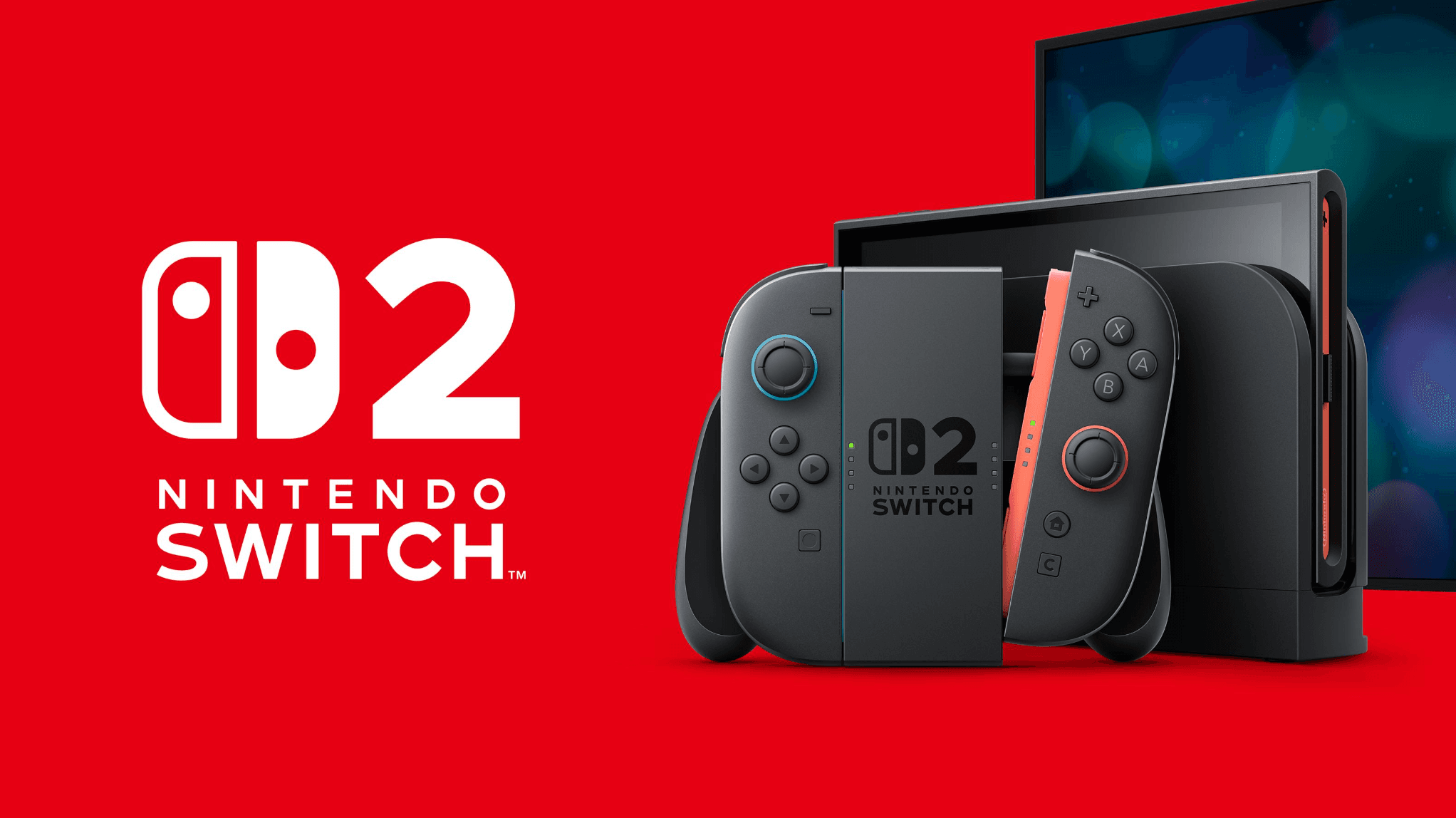
On October 29, 2026, Nintendo will release a special Zelda 40th Anniversary Edition Switch 2 system featuring Triforce themed designs.
That arrives only one week before Ocarina of Time.
Then the anniversary expands into live music.
The official Zelda 40th Anniversary Concert series begins in Tokyo in January 2027, followed by North American, European and Australian dates.
Then comes something even bigger.
The live action The Legend of Zelda movie is scheduled to arrive worldwide on April 30, 2027.
Nintendo says the film is based on the stories, ideas and concepts developed across four decades of Zelda games.
Suddenly, the November remake doesn't look like an isolated nostalgia project.
It looks like the first major piece of a much larger campaign.
🎬 The Zelda Movie Changes the Anniversary Completely
The upcoming live action film makes this 40th anniversary different from previous Zelda celebrations.
Nintendo is now celebrating Zelda across multiple forms of entertainment.
Games → Hardware → Music → Mobile → Collectibles → Film
The Ocarina of Time remake opens the gaming side of the celebration.
The concert series takes Zelda into live music.
The movie takes the franchise into theaters.
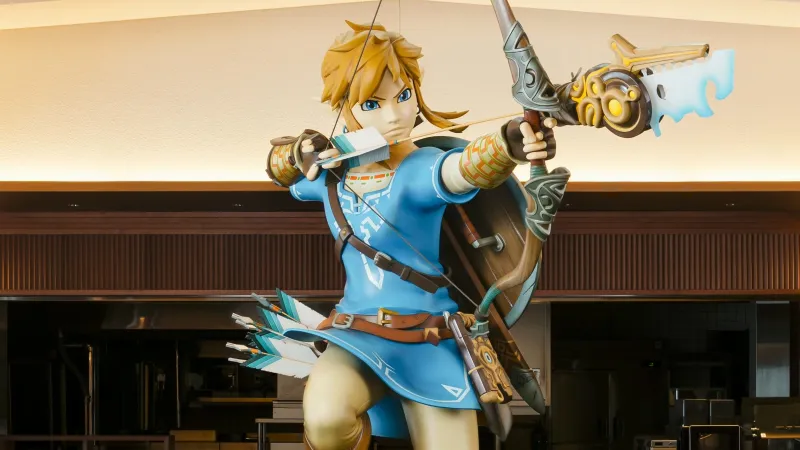
Nintendo is also working with partners on anniversary products, including a LEGO Ocarina of Time Link and Epona set planned for spring 2027 and a Hasbro electronic Master Sword.
That gives Nintendo a continuous stream of Zelda related releases rather than one major anniversary announcement.
⚡ And Then There Is GTA 6
The November 5 release date also has an interesting relationship with another huge gaming release.
Grand Theft Auto VI is scheduled for November 19, 2026.
That puts exactly two weeks between Ocarina of Time and GTA 6.
Nintendo hasn't publicly said that the Zelda date was chosen specifically to avoid GTA 6.
So it would be speculation to call the scheduling a confirmed strategy.
But from a release calendar perspective, the gap is obvious.
Ocarina of Time gets November 5.
GTA 6 arrives November 19.
That gives players two weeks between the releases instead of both games launching on the same day.
Industry discussion has already focused on the unusual timing, with former Nintendo marketing executive Krysta Yang discussing the benefit of Zelda arriving before Rockstar's massive release.
Whatever Nintendo's internal reasoning was, the result is clear.
November is going to be an enormous month for gaming.
🔥 The Bigger Reason Nintendo Is Starting Early
The most likely explanation isn't simply one release date.
It's the entire calendar.
Nintendo doesn't need the Zelda 40th anniversary to happen in one week.
It can start the celebration in October 2026 and keep it alive through the anniversary in February, the concerts throughout 2027 and the movie in April.
That creates repeated opportunities for Zelda to return to the conversation.
Every event becomes another reason for people to talk about the franchise.
Every product reaches a slightly different audience.
The remake reaches gamers.
The anniversary hardware reaches collectors.
The concerts reach music fans.
The movie reaches a much broader mainstream audience.
The merchandise reaches collectors and casual fans.
That makes the 40th anniversary much larger than a traditional game anniversary.
🧩 Ocarina of Time Is the Perfect Bridge Between Generations
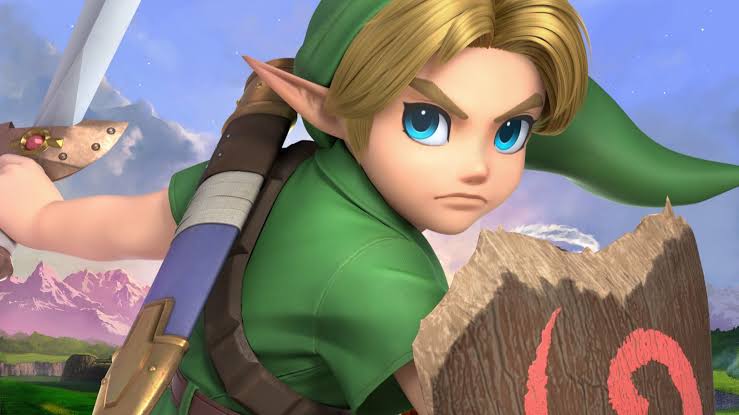
There is another reason this particular remake makes sense.
Ocarina of Time can bring together multiple generations of Zelda fans.
Someone who played the original Nintendo 64 release can return to a game they remember from childhood.
Someone who discovered Zelda through Breath of the Wild can experience one of the games that helped establish many of the franchise's modern ideas.
And someone completely new to Zelda gets an updated version designed around modern hardware.
That gives Nintendo something valuable.
One game can sell nostalgia and discovery at the same time.
The remake doesn't have to convince players that Zelda matters.
Forty years of history already did that.
🚀 November 5 Is Really the Beginning
The biggest mistake would be looking at November 5 and seeing only a remake release date.
Nintendo is clearly positioning Ocarina of Time as one of the first major events in a much larger Zelda 40th anniversary period.
The sequence is almost perfectly designed:
October 29 → Anniversary Hardware
November 5 → Ocarina of Time
January 2027 → Anniversary Concerts Begin
February 2027 → Zelda Turns 40
April 2027 → Zelda Movie
That is not a single anniversary weekend.
It's a long campaign built around one of Nintendo's most valuable franchises.
And Ocarina of Time is at the front of it because the game represents something larger than nostalgia.
It represents the moment Zelda successfully made the leap into 3D and helped define how console adventure games would work for years afterward.
Now Nintendo is taking that same game and giving it another technological leap.
From Nintendo 64 to Switch 2.
From text based conversations to fully voiced scenes.
From fixed movement to modern controls.
From MIDI inspired game audio to orchestral music.
From a 1998 adventure to a 2026 remake.
🎯 The Bottom Line
The Legend of Zelda: Ocarina of Time launches on November 5, 2026, exclusively for Nintendo Switch 2. Nintendo has confirmed completely overhauled visuals, voiced cutscenes, expanded dialogue, orchestral music, improved movement, modern camera controls, the Threads of Time system and new Ocarina interactions.
But the real story is bigger than the remake.
Nintendo is starting Zelda's 40th anniversary early because it has built an anniversary period that can last well beyond February 2027.
Ocarina of Time is the opening statement.
The anniversary hardware arrives first.
The remake follows.
Concerts continue into 2027.
The franchise reaches its actual 40th birthday.
Then the live action movie arrives in April.
Nintendo isn't simply celebrating four decades of Zelda.
It's turning those four decades into an entire year of events.
And if Ocarina of Time is the game chosen to open that celebration, Nintendo clearly sees the 1998 classic as more than an old favorite.
It sees it as one of the defining chapters in Zelda's history.
External References: Nintendo's official Zelda 40th Anniversary announcement, Ocarina of Time Switch 2 page and Zelda 40th Anniversary Direct are the primary sources for the release date and announced features.