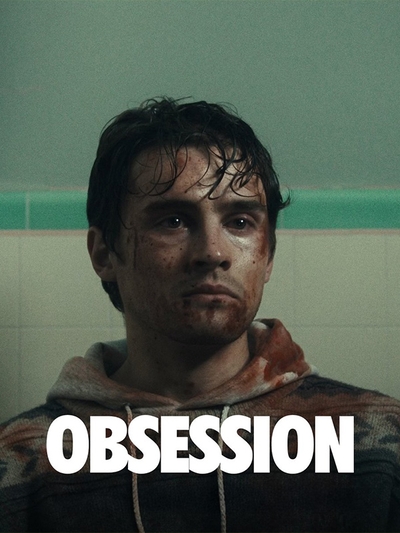

Love is often portrayed as one of the most beautiful and powerful emotions a person can experience. It inspires people to make sacrifices, pursue dreams, and form deep connections with others. However, when affection becomes excessive and uncontrollable, it can transform into something much darker. This is the central theme explored in Obsession, a psychological thriller that examines the dangerous consequences of desire, fixation, and emotional dependency.
At its core, Obsession is not simply a story about romance. Instead, it explores how intense attraction can evolve into an unhealthy fixation that consumes an individual's thoughts, decisions, and actions. The film presents a compelling narrative that blurs the line between love and obsession, forcing viewers to question where genuine affection ends and destructive behaviour begins. One of the most striking aspects of Obsession is its portrayal of human psychology. The characters are driven by powerful emotions that gradually override logic and reason. As the story unfolds, viewers witness how a single desire can grow into an all-consuming force. What begins as attraction soon develops into an emotional dependency that affects every aspect of the characters' lives. This transformation serves as a reminder that unchecked emotions can lead individuals down dangerous paths. The film effectively builds tension through its atmosphere and storytelling. Rather than relying solely on dramatic action, it creates suspense through uncertainty and emotional conflict.
The audience is constantly left wondering how far the characters will go to satisfy their desires and whether they will recognize the consequences of their actions before it is too late. This psychological tension keeps viewers engaged while highlighting the destructive nature of obsession. Another important theme explored in the film is the illusion of control. Many characters believe they can manage their emotions and keep their actions within reasonable limits. However, as their obsession grows stronger, they gradually lose control over their choices. Their decisions become increasingly influenced by jealousy, fear, insecurity, and possessiveness. This loss of control demonstrates how obsession can distort judgment and cause people to act in ways they never imagined possible. The movie also sheds light on the difference between healthy relationships and unhealthy attachments. Healthy relationships are built on trust, respect, communication, and mutual understanding. Obsession, on the other hand, is often rooted in possession, dependency, and the desire to control another person. Throughout the story, the audience can observe how these unhealthy dynamics create conflict, emotional pain, and lasting consequences for everyone involved.
A particularly interesting aspect of Obsession is how it reflects real-life experiences. While the events depicted in the film may be exaggerated for dramatic effect, the underlying emotions are familiar to many people. Feelings of jealousy, insecurity, longing, and attachment are natural human experiences. The film demonstrates how these emotions can become harmful when they are allowed to dominate a person's life. In this way, Obsession serves as both entertainment and a cautionary tale. The performances of the cast play a significant role in bringing the story to life. Through their portrayals, viewers are able to understand the emotional struggles, vulnerabilities, and motivations of the characters. The actors effectively capture the complexity of obsession, showing that it is rarely driven by simple intentions. Instead, it often emerges from deeper emotional needs, fears, and unresolved personal conflicts.
Visually, the film reinforces its themes through its use of lighting, camera work, and atmosphere. Dark settings, tense moments, and emotionally charged scenes contribute to an overall feeling of unease. These cinematic techniques help immerse viewers in the psychological world of the characters, making their emotional descent feel both believable and unsettling. One reason why Obsession resonates with audiences is that it explores universal questions about human behavior. How much is too much when it comes to love? Can passion become dangerous? Why do some people struggle to let go of relationships or desires? The film does not offer simple answers. Instead, it encourages viewers to reflect on these questions and consider the fine line between devotion and fixation. Beyond its thriller elements, the movie serves as a commentary on the importance of emotional balance. It suggests that strong emotions, while natural and meaningful, must be managed responsibly. When individuals allow a single desire to dominate their identity and decision-making, they risk losing sight of reality and harming both themselves and those around them.
In conclusion, Obsession is more than just a suspenseful psychological drama. It is an exploration of human desire, emotional vulnerability, and the consequences of allowing passion to become obsession. Through its compelling characters, tense storytelling, and thought-provoking themes, the film challenges viewers to reconsider their understanding of love and attachment. By illustrating the dangers of emotional fixation, Obsession reminds us that true love is built on respect and balance, while obsession is driven by control and excess. The difference between the two may seem small at first, but as the film powerfully demonstrates, the consequences can be life-changing.
Comments
Sign in to join the conversation
Sign inNo comments yet
Be the first to share your thoughts!