
IRL streaming is built around a simple idea: take the audience with you.
The streets become the studio. Strangers become potential characters. And every unexpected interaction can suddenly become the moment that makes a stream go viral.
But there's a problem with that formula.
The people around the streamer never agreed to be part of the show.
That tension came to the forefront again on August 28, 2026, when Kick streamer Andy Martin, better known online as Mexican Andy, reportedly saw his channel removed following a controversial broadcast in Japan.
A clip circulating online appeared to show the streamer approaching and touching a woman during a late night street broadcast. The encounter quickly spread across social media, triggering backlash from viewers and reigniting a familiar debate:
When does IRL content stop being entertainment and start becoming harassment?
🇯🇵 What Happened During the Japan Stream?
The controversy began during a late night IRL broadcast in Japan.
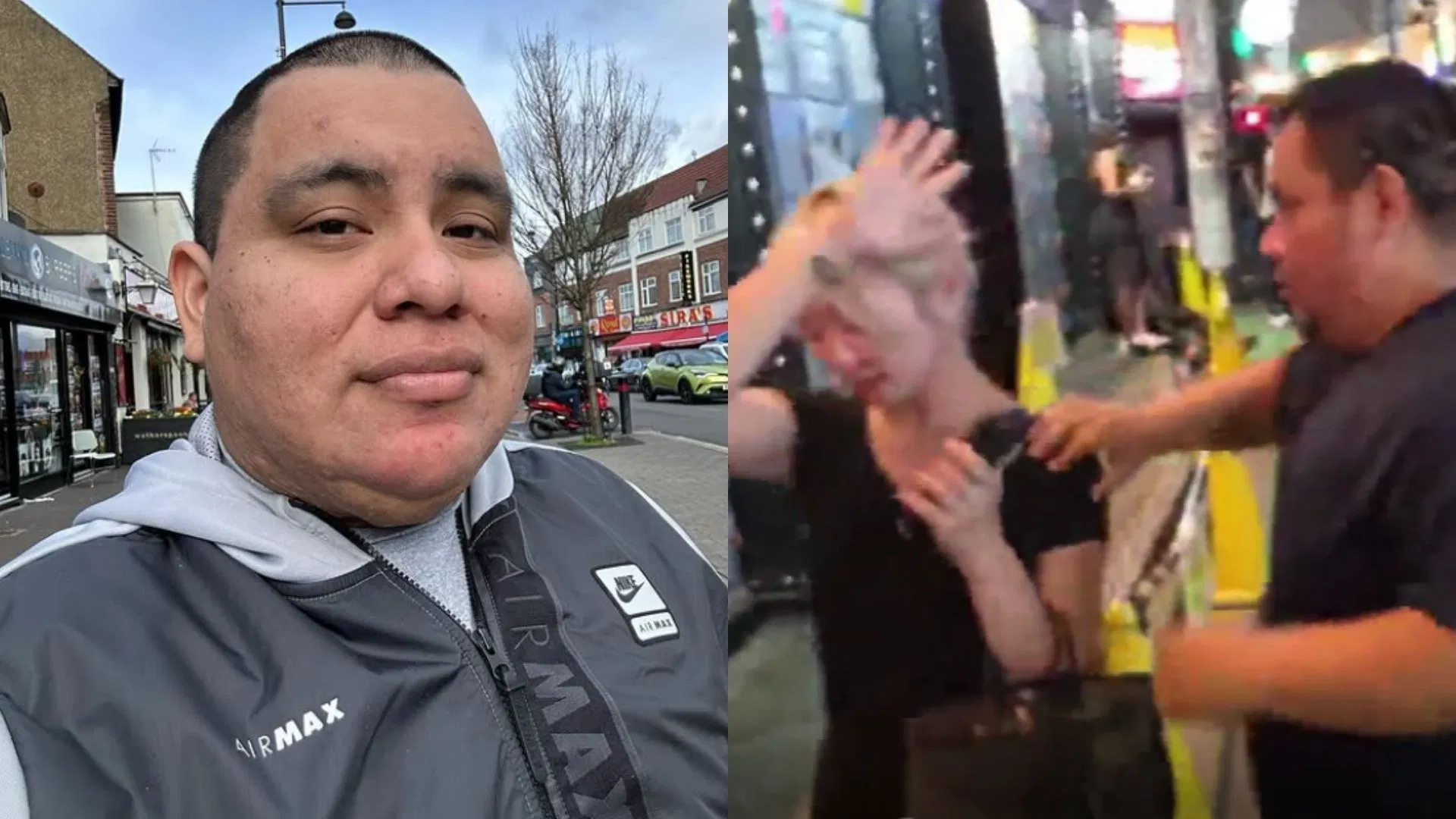
In the circulating footage, Mexican Andy can be seen behaving energetically on a crowded street while filming himself and interacting with people around him.
A woman attempted to pass through the area.
According to the circulating clip, Andy moved toward her and placed a hand on her shoulder.
Her reaction was immediate.
She appeared distressed and pushed him away before reaching toward the camera in frustration. The situation then escalated when the person filming with Andy appeared to push the woman back.
Bystanders subsequently moved between the group.
And suddenly, what had started as another chaotic IRL moment became the clip everyone was talking about.
📱 Then the Internet Got Involved
Once the footage began circulating, the reaction was almost instantaneous.
The clip spread through X, Reddit and other social platforms, with viewers debating whether the interaction had crossed a line.
Communities such as r/LivestreamFail became major discussion points as viewers dissected the footage and criticized the behavior shown in it.
The important distinction here is that viral clips rarely contain the complete context of a livestream.
A few seconds of footage can leave out everything that happened before or afterward.
But regardless of how the broader stream is interpreted, the reaction highlighted something that IRL creators increasingly have to deal with:
Your audience may find a confrontation entertaining. The person you're confronting probably doesn't.
🎥 The "Everything for the Views" Problem
This is where the controversy becomes bigger than one streamer.
IRL streaming rewards unpredictability.
The more unexpected something is, the more likely it is to become a clip.
The more dramatic the clip, the more people share it.
The more people share it, the more viewers join the next stream.
It's an incredibly powerful feedback loop.
And that's where things can become dangerous.
A streamer might think:
"This will make great content."
Meanwhile, the person standing in front of the camera might simply be thinking:
"Why is this stranger filming me?"
That disconnect is one of the biggest ethical problems facing IRL streaming.
🚨 Why Japan Makes This Even More Sensitive
Japan has become an increasingly popular destination for international IRL streamers.
The country offers everything a livestreamer could want:
Neon filled streets.
Massive cities.
Distinctive neighborhoods.
Nightlife.
Food culture.
And millions of potential interactions.
But that popularity has also produced repeated controversies involving foreign creators behaving disruptively in public.
The difference between experiencing a country and turning the people living there into unwilling entertainment can be surprisingly small.
That's especially important when a streamer has tens of thousands of viewers watching their every move.
A normal awkward interaction between two strangers might disappear within minutes.
An awkward interaction involving a streamer can be recorded, clipped, translated, reposted and watched by millions.
🔥 The Shadow of Previous IRL Controversies
The Mexican Andy controversy also arrives after years of high-profile incidents involving disruptive livestreamers in Japan.
The most obvious comparison is Johnny Somali, whose controversial streams in Japan attracted widespread criticism and eventually resulted in serious legal consequences.
The cases aren't identical.
That's an important distinction.
But the broader pattern is familiar:
A creator travels abroad, pushes boundaries for content, an interaction goes too far, and suddenly the entire streaming community is debating where the line should have been.
That's why incidents like this tend to generate such strong reactions.
Viewers have seen this movie before.

🛑 Kick's Response
Following the circulation of the footage, Mexican Andy's Kick channel reportedly became unavailable.
That immediately led viewers to speculate that the streamer had been banned from the platform.
However, there is an important caveat:
A channel being unavailable does not automatically tell us the exact reason, duration or circumstances of a platform action.
As of the information provided for this story, Kick had not publicly detailed the precise length or terms of the suspension, and Mexican Andy had not issued a detailed public response.
So while the timing has fueled speculation, it's important not to present unconfirmed details as established fact.
🤔 Does IRL Streaming Need New Rules?
Maybe.
But the bigger issue isn't necessarily the rules.
It's the mindset.
IRL streaming works best when creators understand that public spaces aren't private studios.
There are people walking to work.
People meeting friends.
People going home.
People simply trying to get through their day.
They didn't sign up to become supporting characters in somebody else's livestream.
That doesn't mean streamers should never interact with strangers.
Spontaneous interactions are part of what makes IRL content interesting.
But there is a huge difference between:
"Hey, can I ask you a question?"
and
"I'm going to keep bothering you because thousands of people are watching."
That difference matters.
📈 The Audience Has Responsibility Too
There's another uncomfortable part of the equation that doesn't get discussed enough:
The viewers.
A streamer isn't operating in a vacuum.
Thousands of people can be watching in real time, encouraging increasingly outrageous behavior through donations, messages and reactions.
If the audience rewards escalation, creators have a reason to keep escalating.
That's the darker side of livestream culture.
A streamer might start with harmless street content.
Then someone in chat says:
"Go talk to that person."
Then:
"Do something funny."
Then:
"Don't back down."
And suddenly a harmless interaction has turned into a confrontation.
The streamer is chasing engagement.
The audience is chasing entertainment.
And the person caught in the middle never agreed to either.
🌍 The Responsibility of Streaming Abroad
Travel streaming comes with another layer of responsibility.
When you're broadcasting from another country, you're not simply representing yourself.
Your behavior can also shape how viewers perceive the place you're visiting.
That's why creators have to understand local norms, privacy expectations and social boundaries before turning a foreign city into their personal content playground.
Japan isn't a theme park.
Neither is any other country.
The streets belong to the people who live there, too.

🔮 What Happens Next?
The immediate question is what happens to Mexican Andy's channel.
Will the ban be temporary?
Will Kick provide an explanation?
Will Andy address the controversy?
And perhaps most importantly, will this change how he approaches IRL streaming in the future?
Those answers remain unclear.
But the larger conversation is unlikely to disappear.
As IRL streaming continues growing, platforms are going to face increasingly difficult decisions about where entertainment ends and real-world misconduct begins.
And creators are going to have to learn that being live doesn't give you permission to ignore someone else's boundaries.
🎮 The Bottom Line
The appeal of IRL streaming is obvious.
Anything can happen.
That's also its biggest weakness.
The moment a creator starts treating every stranger as potential content, the line between entertaining an audience and disrupting somebody else's life becomes dangerously thin.
The Mexican Andy controversy is another reminder that viral doesn't automatically mean acceptable.
And if IRL streaming wants to keep growing, creators may eventually have to accept one uncomfortable truth:
The best content isn't always the content that gets the biggest reaction.
Sometimes, knowing when to leave someone alone is the better stream.
Comments
2Sign in to join the conversation
Sign in