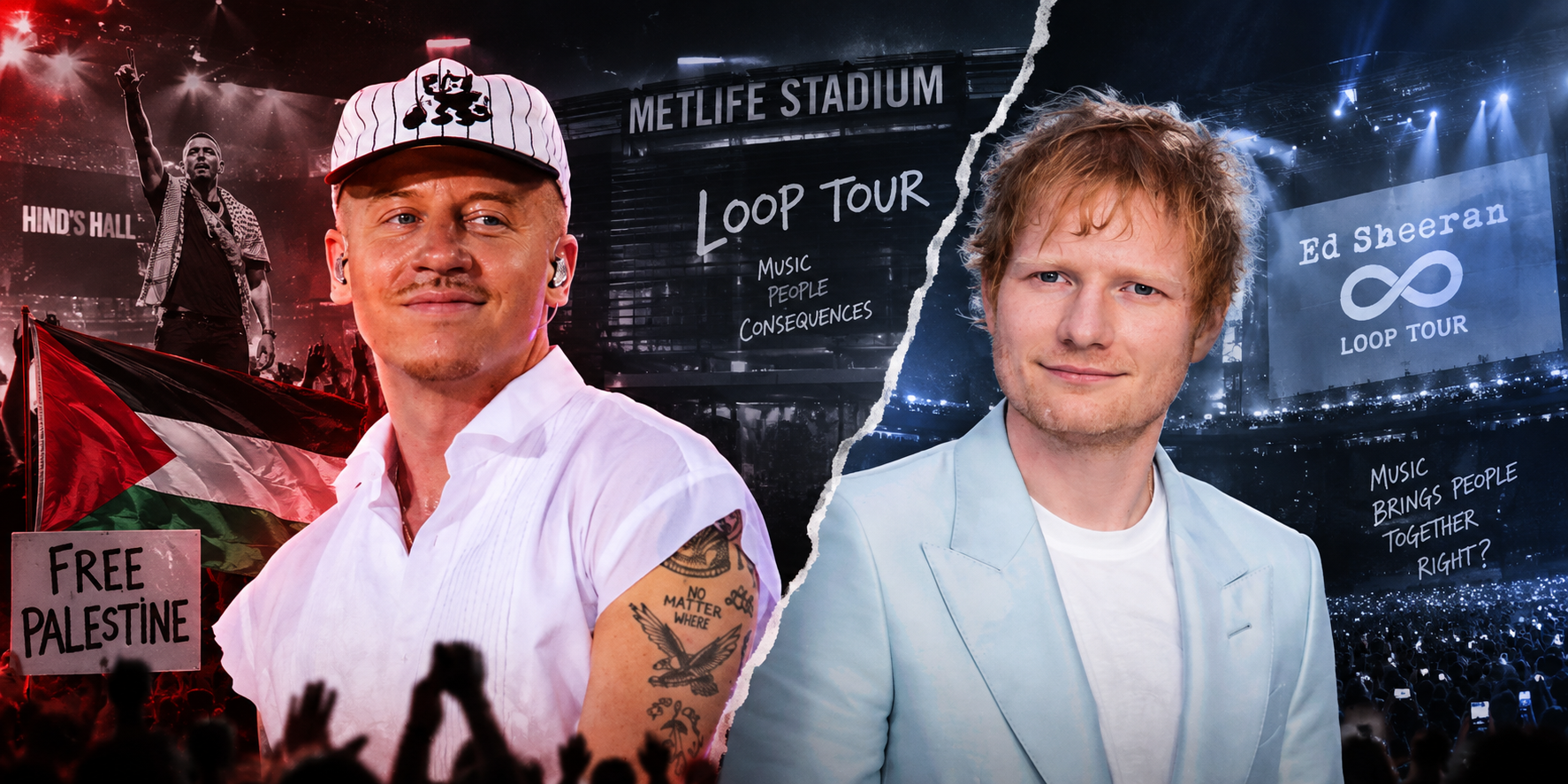

A stadium tour is supposed to be simple.
An artist performs. The opening acts warm up the crowd. Thousands of people go home with memories.
Ed Sheeran's Loop Tour has become something much more complicated.
After Macklemore made pro-Palestinian remarks during his September 4 performance at MetLife Stadium, the rapper was removed from the remaining U.S. dates of the tour. Within a day, the rest of the announced supporting acts also withdrew.
What followed was a public dispute involving Macklemore, Sheeran, tour promoter Messina Touring Group, stadium owners and New England Patriots owner Robert Kraft.
The competing accounts matter.
So does the question at the center of the controversy:
How much political expression can a major concert tour accommodate before business interests take over?
🎤 The MetLife Stadium Catalyst
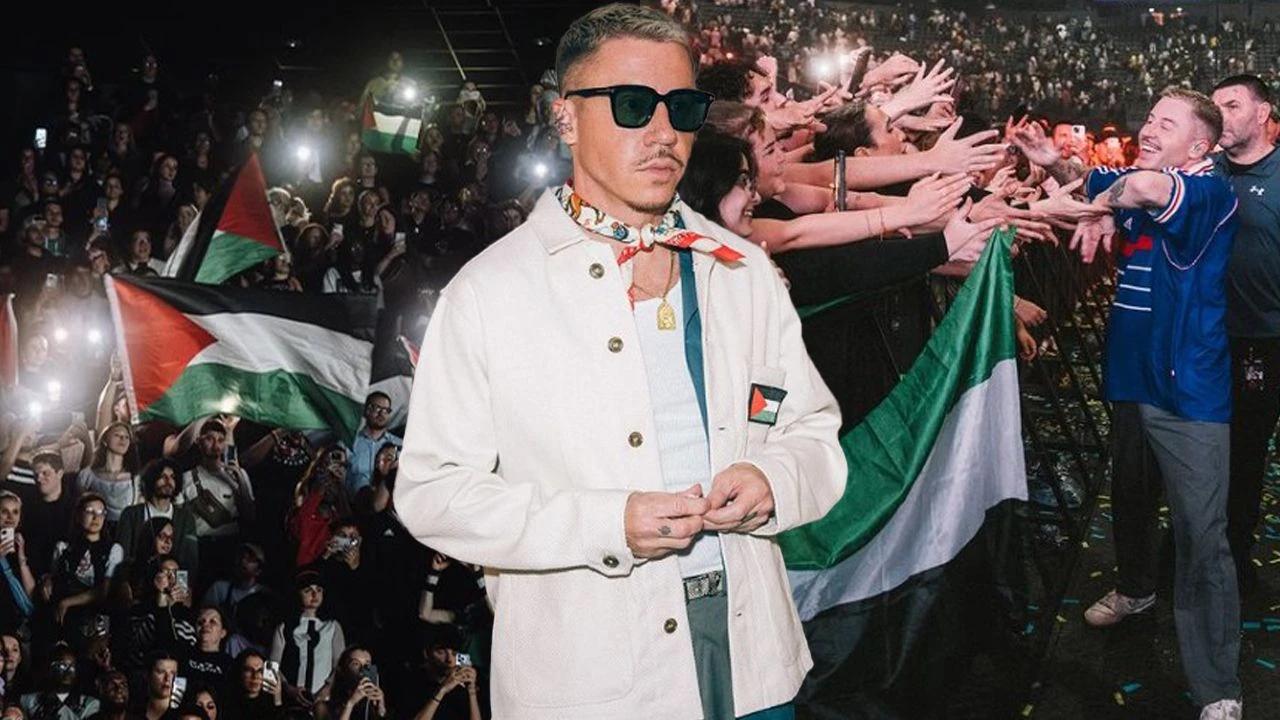
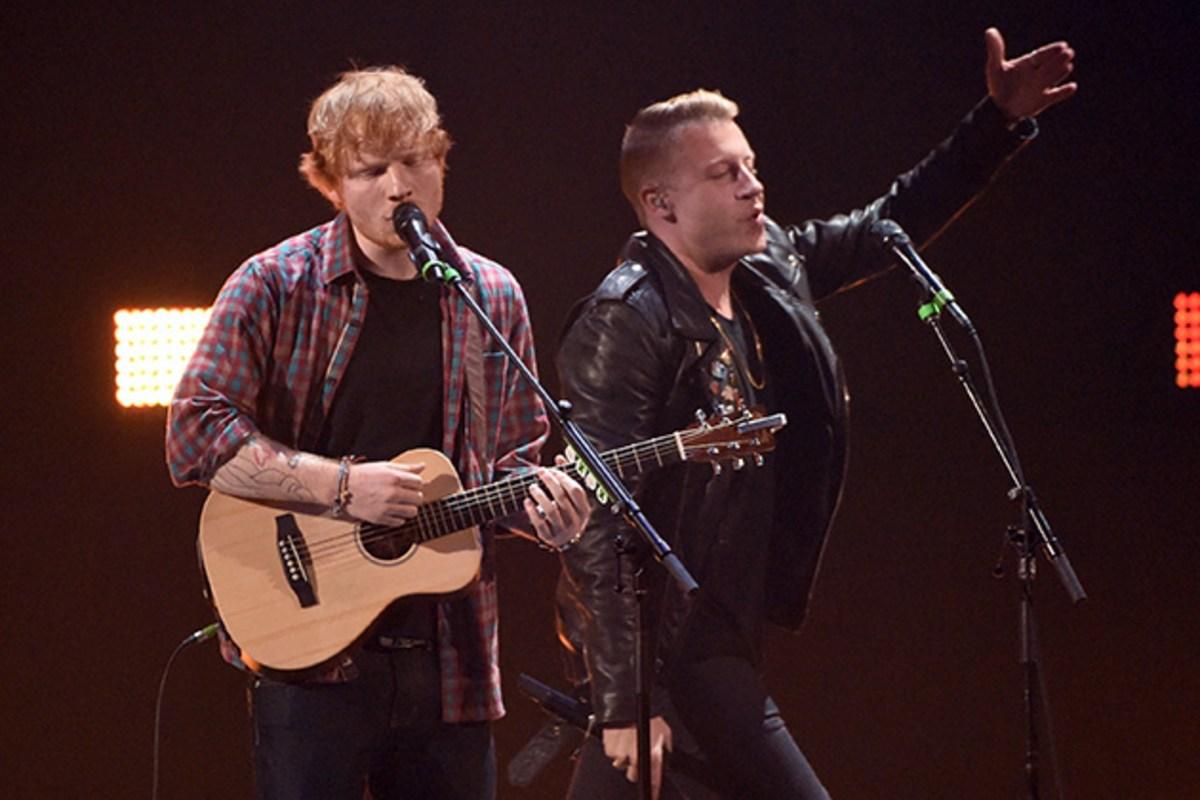
Macklemore performed at MetLife Stadium in New Jersey on September 4 and 5 while supporting Sheeran's U.S. Loop Tour.
During the September 4 performance, he spoke about Gaza and the occupied West Bank and said “Free Palestine.” He also performed “Hind's Hall,” his protest song addressing the Israel-Gaza conflict.
The speech quickly attracted attention outside the concert.
The Israeli-American Council launched a petition calling for Macklemore to be removed from the tour, arguing that his appearance amounted to political advocacy at the shows.
The controversy then moved from social media to the business side of the tour.
🚨 Why Macklemore Was Removed
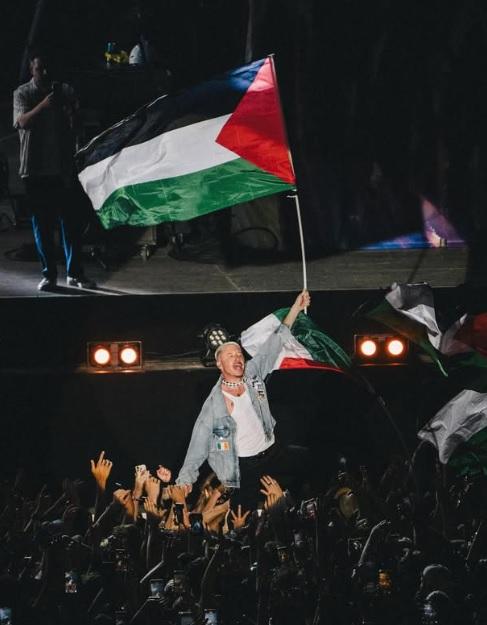
On September 14, Macklemore announced that he had been removed from the remaining U.S. dates of Sheeran's tour.
The tour's promoter, Messina Touring Group, said venues had indicated they would not host shows if Macklemore remained on the lineup. That created a situation where keeping one opening act could put future tour dates at risk.
Macklemore offered a more detailed account.
In a lengthy Instagram statement, he said Sheeran had told him that Robert Kraft had contacted the singer about Macklemore performing at Gillette Stadium. Macklemore also alleged that Kraft had spoken with other stadium owners and that they collectively pressured Sheeran to remove him from the tour.
Kraft subsequently confirmed that he had pressured Sheeran over Macklemore's appearance at Gillette Stadium.
Kraft said his position was not about denying Palestinian suffering or the right to advocate for Palestinians. He argued that such advocacy should not come at the expense of the Jewish community and also referenced Hamas in explaining his position.
That distinction is important because Macklemore's account described the wider venue pressure as an ultimatum, while Sheeran described the final removal as the promoter's decision.
🎙️ Sheeran's Response
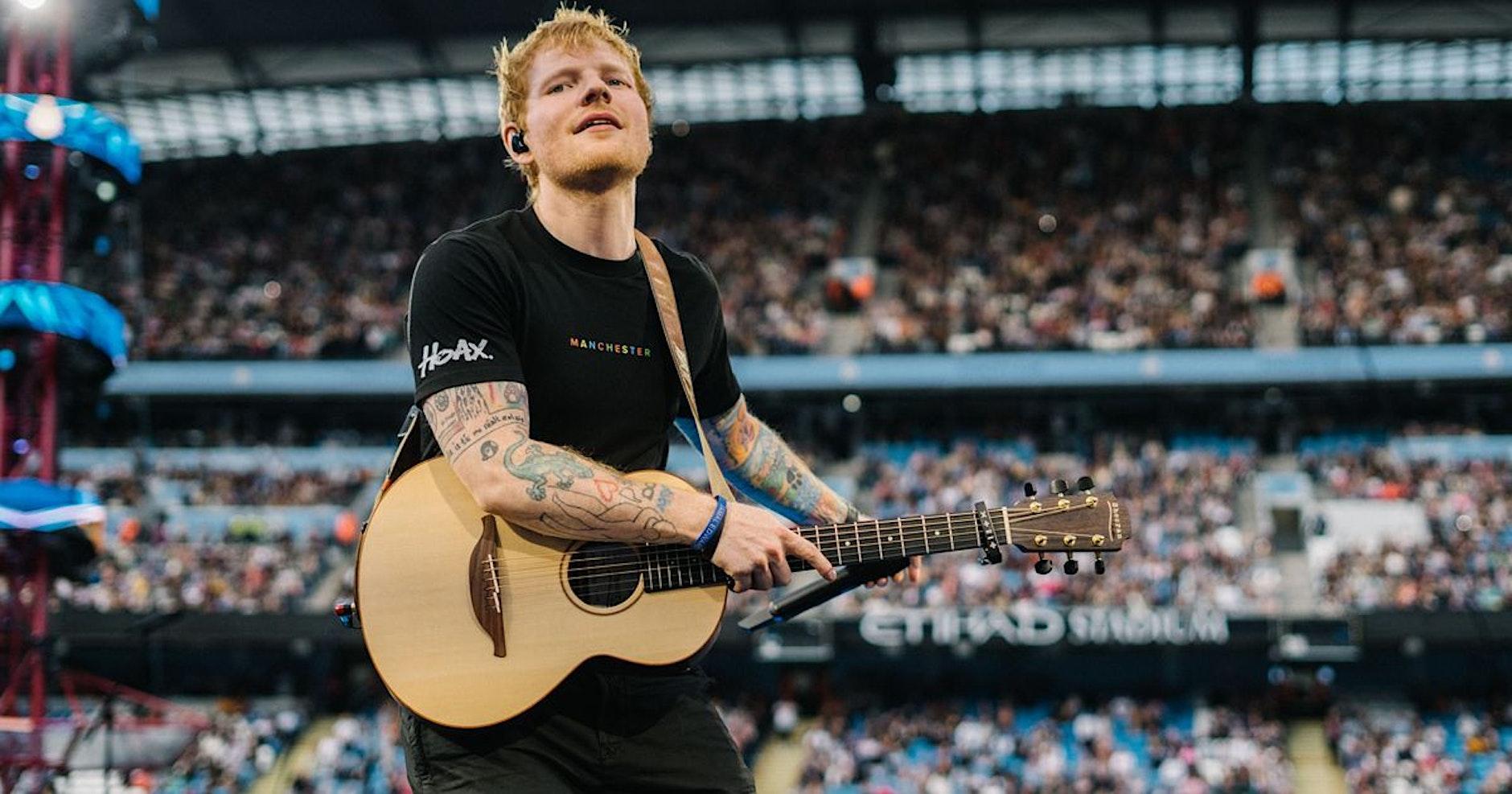
Sheeran addressed the controversy on September 15.
He said the decision to remove Macklemore was made by the tour promoter after venues indicated they would not host shows with Macklemore on the bill. Sheeran said he had spent the week speaking with venues in an attempt to find a solution.
Sheeran also explained why he has avoided publicly taking a position on the Israel-Palestine conflict.
He described the conflict as devastating and said he has personal views on it, but prefers not to use his professional platform as a political forum. He said he wants his concerts to remain places of safety, diplomacy and open conversation.
That position became one of the main points of disagreement between the two artists.
Macklemore said their conversations had become a fundamental disagreement over how publicly artists should respond to the conflict.
💥 The Fallout Didn't Stop With Macklemore
The biggest development came after Macklemore's removal.
The remaining announced supporting acts began leaving the tour.
Finneas, Lukas Graham, Aaron Rowe and Beoga all announced that they would no longer participate in upcoming dates.
Finneas said artists should not be silenced for speaking about oppression and announced that he stood with Palestinians.
Aaron Rowe also withdrew, citing his own concerns about the conflict and the use of financial power to influence who could speak.
Beoga, Sheeran's Irish touring band, announced its departure as well.
Lukas Graham followed, saying that artists should be able to discuss war, civilian deaths and children affected by conflict.
The result was unusual:
Sheeran's remaining announced support lineup effectively disappeared within a matter of days.
🏟️ The Power of Stadiums
The controversy also highlights something that is easy to overlook when looking only at the artists.
Large stadium tours depend on a huge network of businesses.
There are promoters.
There are venue operators.
There are stadium owners.
There are local partners.
There are production crews.
And there are thousands of fans who have already purchased tickets.
That means an artist's decision on stage can create consequences far beyond the performance itself.
In this case, the dispute became particularly significant because several venues were reportedly unwilling to host Macklemore.
Sheeran said that venue decisions ultimately left the promoter with the final choice.
Macklemore's account, meanwhile, focused on the influence of wealthy stadium owners.
The disagreement shows how complicated artistic freedom becomes when a performance is part of a massive commercial operation.
⚖️ What Does “Neutral” Mean on a Stadium Stage?
This is where the controversy becomes bigger than Macklemore and Sheeran.
There are at least two different approaches to a public platform.
One approach says artists should use their visibility to speak about issues they believe matter.
The other says entertainment spaces can remain open to people with different political views by avoiding direct political advocacy.
Neither approach changes the underlying business reality.
A stadium show is not just an artist speaking to an audience.
It is a commercial event involving venues, promoters, sponsors, employees and ticket holders.
That makes political expression harder to separate from the business decisions surrounding the show.
Sheeran has explicitly chosen the more private approach to political issues. Macklemore has chosen a much more public one. Their disagreement shows how different those approaches can become when the artists share the same stage.
🌍 Why This Matters Beyond One Tour
The Loop Tour controversy could have implications for the wider entertainment industry.
Major tours increasingly function like large entertainment businesses rather than simple concerts.
Artists have enormous audiences.
Venues have their own commercial interests.
Promoters have contractual obligations.
And social media can turn a two-minute stage speech into an international controversy almost instantly.
That creates a difficult balancing act.
If artists speak publicly, they can face criticism from audiences, business partners or other organizations.
If they remain silent, audiences may interpret that silence differently.
The Macklemore-Sheeran dispute shows that “staying out of politics” can itself become part of the public conversation.
🎵 The Music Industry Is Already Changing
The relationship between musicians and online creators is also becoming increasingly connected.
Music no longer spreads only through radio, television and traditional promotion.
Streaming platforms, creators and online communities can turn songs into cultural moments almost overnight.
Discords.ai recently explored that shift in From Stream Memes to Billboard Hits: How Gaming Livestreams Are Manufacturing Chart-Toppers.
That changing media environment matters here.
Artists now have more direct access to audiences than ever before.
They also have fewer layers between a personal statement and millions of viewers.
A comment that once might have remained inside a concert venue can now become the headline of the entire tour.
🔮 What Happens to the Loop Tour?
Despite the departures, the Loop Tour itself is continuing.
The controversy has changed the lineup, but reporting on September 16 indicated that Sheeran's tour was still expected to proceed with its scheduled shows.
The bigger uncertainty is what happens to the relationship between artists and venues after this episode.
Will stadium owners become more involved in decisions about opening acts?
Will promoters establish clearer rules about political statements?
Will artists demand stronger protections for speech in their contracts?
Or will major tours simply become more cautious about who shares their stage?
Those questions are likely to matter long after the current headlines disappear.
🎮 The Bottom Line
The Macklemore and Ed Sheeran controversy is no longer simply an argument between two musicians.
It has become a dispute involving artistic expression, venue control, commercial pressure and the different ways public figures respond to political issues.
Macklemore chose to make his position part of his performance.
Sheeran chose to keep his own political views largely private.
Venues and promoters ultimately became part of the decision over whether Macklemore could remain on the tour.
Then the remaining supporting acts made their own choices.
Whatever conclusion audiences draw from those decisions, the episode demonstrates one thing clearly:
A massive stadium tour can turn a political statement into a business decision almost immediately.
And when that happens, the question is no longer only what an artist wants to say.
It becomes who controls the stage when the message becomes controversial.