
🌍 "Local" Is the New "Global": Why Regional Creators Are Beating the Giants
For years, the advice for new YouTubers was the same: speak English, keep your content "broadly appealing," and aim for a global audience. That was the playbook for over a decade and it made sense when English-language channels dominated the platform's biggest recommendation slots.
In 2026, that advice is outdated.
Some of the biggest channels on the platform right now aren't English-language mega-brands they're regional creators speaking directly to their own communities, in their own languages, about topics only their audience truly cares about. And the algorithm isn't just tolerating this shift. It's actively rewarding it.
📈 The Trend: Regional Creators Are Outperforming Western Giants
Take a look at the numbers, and the shift becomes obvious.
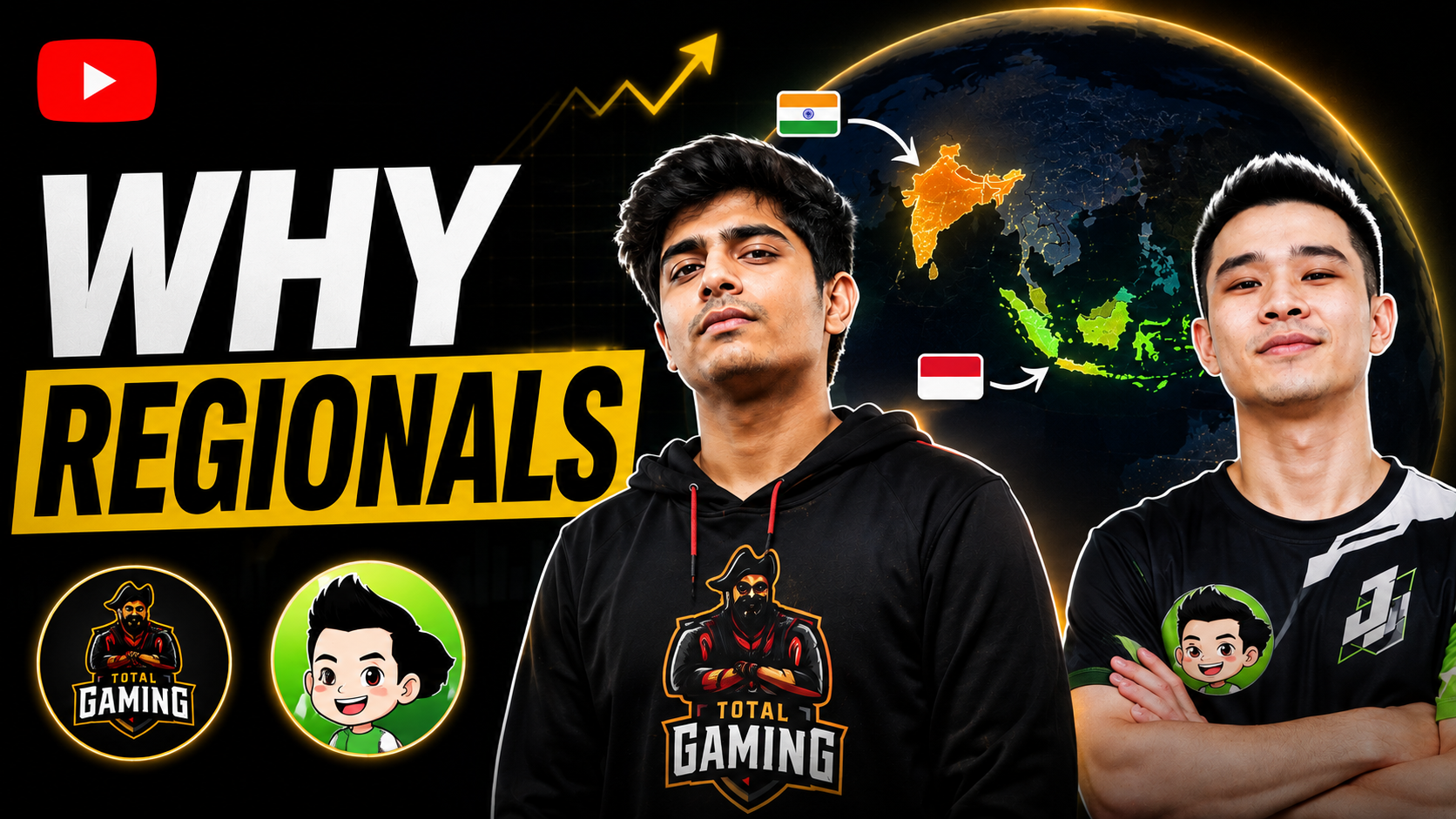
Total Gaming, run by Indian creator Ajay ("Ajju Bhai"), has built one of the largest gaming channels in the world entirely in Hindi without ever showing his face on camera. The channel now sits close to 45+ million subscribers, according to SPEAKRJ Stats, and continues adding subscribers at a pace few global brands can match.
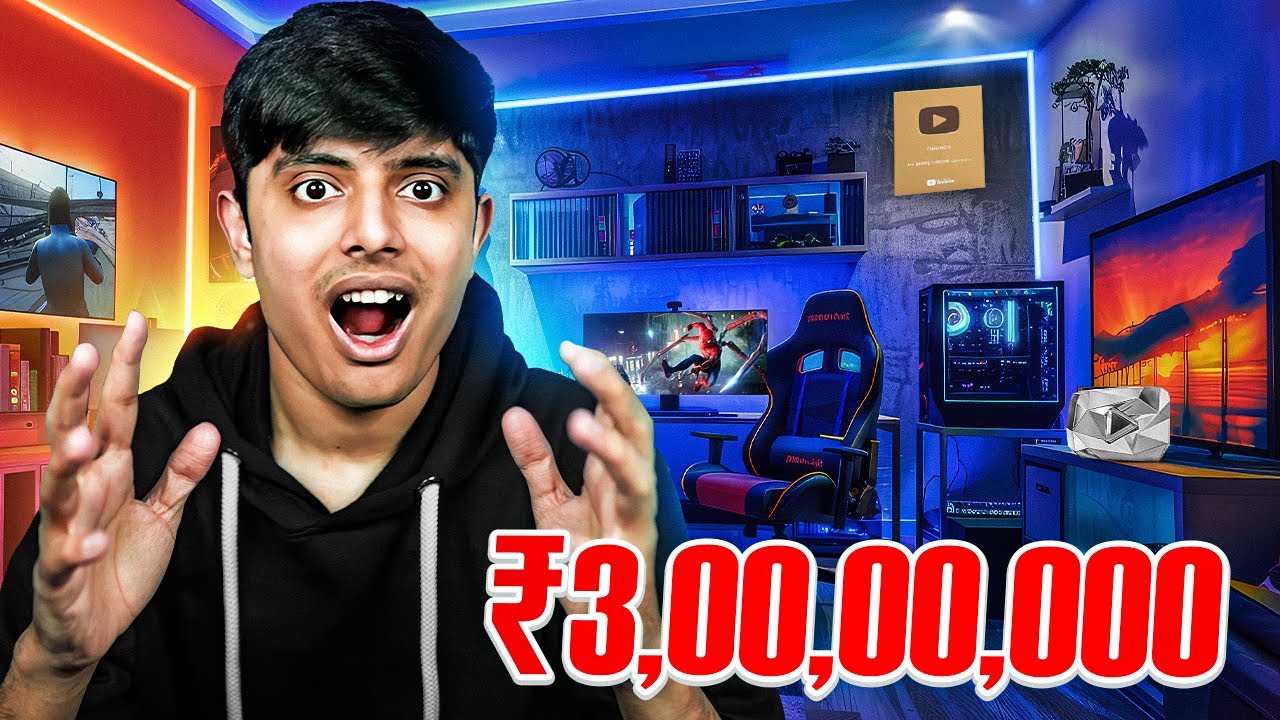
Jess No Limit, an Indonesian gaming creator, has crossed 54 million subscribers, ranking him among the top gaming YouTubers globally ahead of many well-known English-language gaming brands with far larger production budgets.
Neither creator built their audience by trying to appeal to "everyone." They built it by going deep into one language, one region, and one gaming culture and the algorithm rewarded the focus rather than punishing it for being "too niche."
This isn't limited to gaming, either. The same pattern is showing up in vlogging, comedy, finance, cooking, and education channels across India, Indonesia, Brazil, Nigeria, and the Philippines regions where local-language content was historically underserved and is now being actively surfaced by recommendation systems.
🤖 Why the Algorithm Loves Local Content
This isn't a coincidence. It's a direct result of how modern recommendation systems actually work.
🔑 Engagement density beats reach
A video that gets watched, commented on, and shared intensely within a tight regional community signals stronger relevance than a video that gets light, scattered engagement from a broad international audience. YouTube's algorithm optimizes primarily for watch time, session length, and repeat engagement not raw geographic spread. A smaller audience that watches every video to the end will consistently outperform a larger audience that clicks away after ten seconds.
🔑 Language creates trust and trust creates retention
Viewers connect faster with creators who speak their language, understand their slang, and reference things specific to their culture. That trust doesn't just feel nice; it translates directly into measurable metrics longer watch sessions, higher subscriber loyalty, and stronger comment engagement, all of which the algorithm actively tracks and rewards.
🔑 Less competition, more discoverability
A creator making content in Hindi, Bahasa Indonesia, Tagalog, or Portuguese is competing in a far smaller content pool than someone making generic English-language content. English-language YouTube is saturated with established, well-funded creators. Regional-language spaces often are not which means it's dramatically easier to become the go-to creator in that space, even with modest production value.
🔑 Platform investment in local ecosystems
YouTube has also been actively building out regional infrastructure localized trending pages, region-specific Shorts shelves, and creator support programs tailored to emerging markets. This isn't charity; it's a business decision, since local-language content keeps regional users on the platform longer than poorly localized global content ever could.
🎯 The Blog Angle: Stop Trying to Be Broadly Appealing
If you're a creator trying to "go global" by softening your content, removing local references, or defaulting to English because it feels safer, you may actually be hurting your growth rather than helping it.
The new strategy is the opposite of what most creators assume: go deeper, not wider.
- 🗣️ Speak your audience's language : literally. Don't dub, translate, or soften your personality away to sound more "neutral."
- 🏙️ Reference local culture, slang, and events your core audience already understands without explanation.
- 🎮 Cover what your region cares about : the games, shows, trends, or topics with an active, passionate local fanbase, even if they're unknown outside your country.
- 🔁 Prioritize community depth over subscriber breadth. A smaller, hyper-engaged audience often outperforms a large, passive one in every metric that actually matters to the algorithm.
- 📍 Lean into hyper-local SEO. Titles, tags, and descriptions written for how your specific audience searches not generic global keywords consistently perform better in regional search and recommendations.
Total Gaming and Jess No Limit didn't win by being everything to everyone. They won by becoming essential to one specific audience and that intense regional loyalty is exactly what carried them to a global scale anyway, almost as a side effect rather than the goal.
🧭 What This Means If You're Just Starting Out
For new creators, this trend removes one of the biggest psychological barriers to starting a channel: the pressure to compete globally from day one.
You don't need to out-produce MrBeast or out-edit a Western top-ten channel to build something significant. You need to become the most trusted voice for a specific community that a bigger, less-focused creator would never bother targeting.
That could mean:
- Making content in a regional dialect that larger creators ignore
- Covering a local scene gaming, food, sports, finance that has passionate fans but limited coverage
- Building a channel around region-specific pain points, humor, or references that only make sense to people who live there
The smaller your target audience feels on paper, the more loyal and engaged it often turns out to be in practice.
🔍 Keywords Driving This Shift
For creators and marketers researching this trend, the terms worth tracking are:
- Regional content growth
- Non-English YouTube growth
- Hyper-local SEO
These aren't niche buzzwords anymore : they represent one of the clearest and most consistent growth patterns on the platform right now, and they're likely to matter even more as YouTube continues investing in emerging markets.
🚀 Final Takeaway
The old model said: broaden your appeal to grow globally. The new model says: own your region, and global growth follows.

If you're building a channel in 2026, the smartest move isn't chasing a worldwide audience from day one. It's becoming the most trusted, most relevant creator for the specific community you already understand best its language, its humor, its culture, and its needs. The algorithm rewards that depth, the audience rewards that authenticity, and the growth that follows tends to be far more durable than anything built on trying to appeal to everyone at once.
Comments
1Sign in to join the conversation
Sign in