
Kick's Three-Strike DMCA Overhaul: What It Means for React Streamers
Kick built part of its reputation on being the platform that didn't crack down too hard.
That reputation just took a hit.
Late Friday night, Kick published a formal DMCA Strike System, laying out exactly how copyright violations get handled going forward.
For the platform's massive React and Just Chatting community, this changes the math on what's actually safe to stream.
The Trend: Kick Formalizes Its Copyright Rules
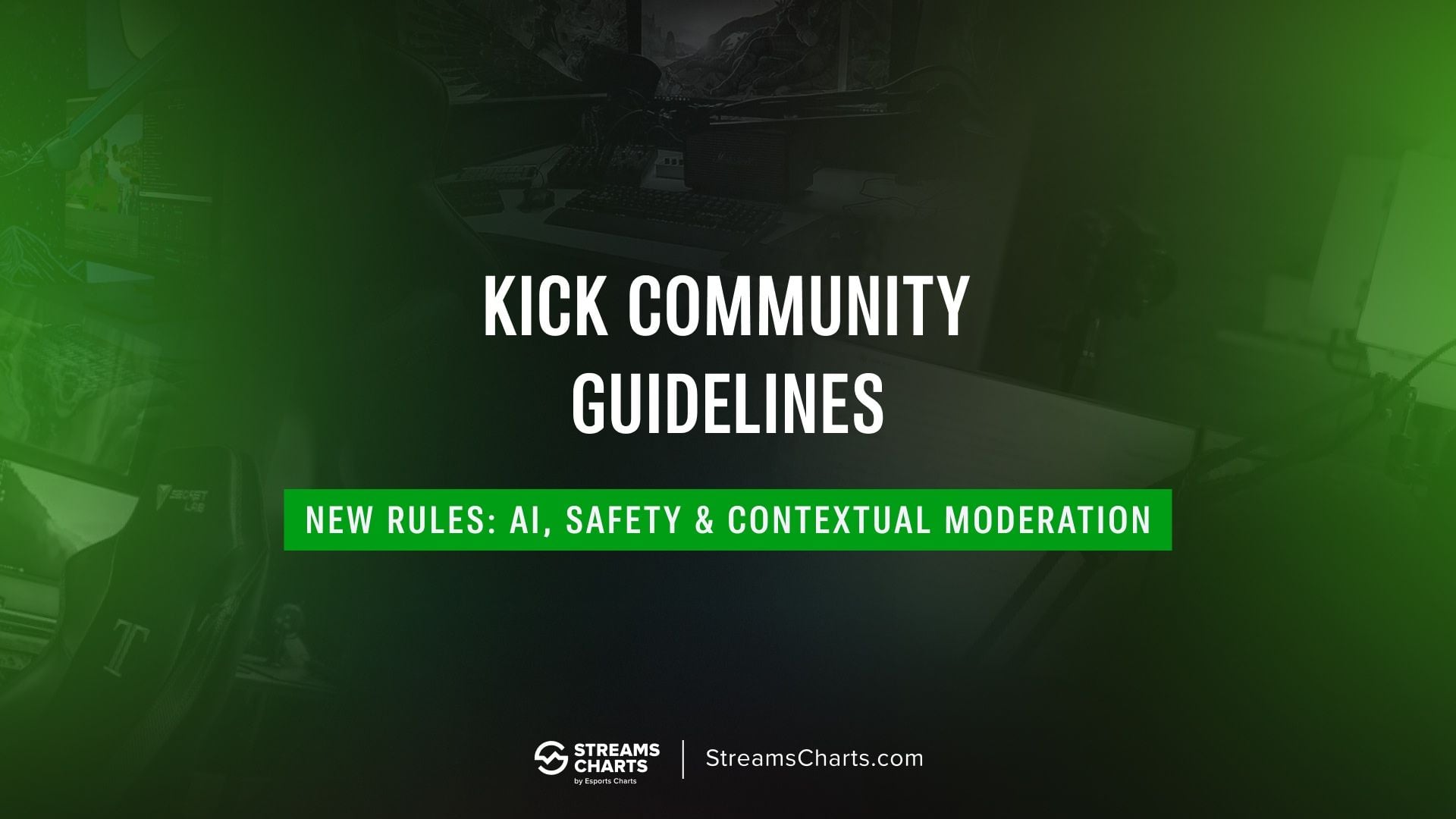
According to Kick's official DMCA Strike System documentation, published May 29, 2026, the platform now runs on a progressive strike model.
That structure isn't unique to Kick.
Twitch and YouTube have run similar three-strike systems for years.
What matters here is that Kick is now writing its enforcement down explicitly, rather than relying on the looser, case-by-case approach that made it attractive to creators in the first place.
Quick facts on the new policy:
- Published May 29, 2026, as an official help center document
- Built around a progressive strike system, similar to Twitch's model
- First strikes get recorded internally with a notification to the creator
- Accounts also get placed into an enhanced monitoring system after a first strike
- Strikes automatically expire after a set period if no further violations occur
That enhanced monitoring detail is easy to miss, but it's arguably the most consequential part of the policy.
It means a single strike doesn't just cost you a warning. It puts your entire channel under closer, ongoing scrutiny going forward.
Why This Announcement Landed So Hard
Kick has always positioned itself as the more relaxed alternative to Twitch.
According to StreamHush's breakdown of Kick's copyright reputation, that reputation was built partly on genuinely lighter enforcement, not just marketing.
Streamers who felt boxed in by Twitch's aggressive automated copyright detection moved to Kick specifically because things felt looser there.
Why "looser" was never the same as "allowed":
- Kick's terms of service always required creators to hold rights to broadcasted content
- Rights holders can pursue DMCA claims regardless of how relaxed a platform's internal culture feels
- VODs and clips remain scannable evidence long after a live broadcast ends
- Enforcement tightening is common once a platform grows and signs bigger advertising deals
That last point is exactly what appears to be happening now.
A platform's tolerance for gray-area content tends to shrink the moment it starts chasing bigger, more risk-averse advertising and licensing partnerships.
The React and Watch Party Problem
This is where the policy hits hardest.
React content and TV watch parties have long occupied a genuinely murky legal space across every major streaming platform, not just Kick.
According to a legal analysis of reaction content and the DMCA, react content's status as fair use versus infringement remains unresolved in the courts, partly because DMCA strikes let rights holders avoid litigation entirely.
That legal ambiguity became national news once before.
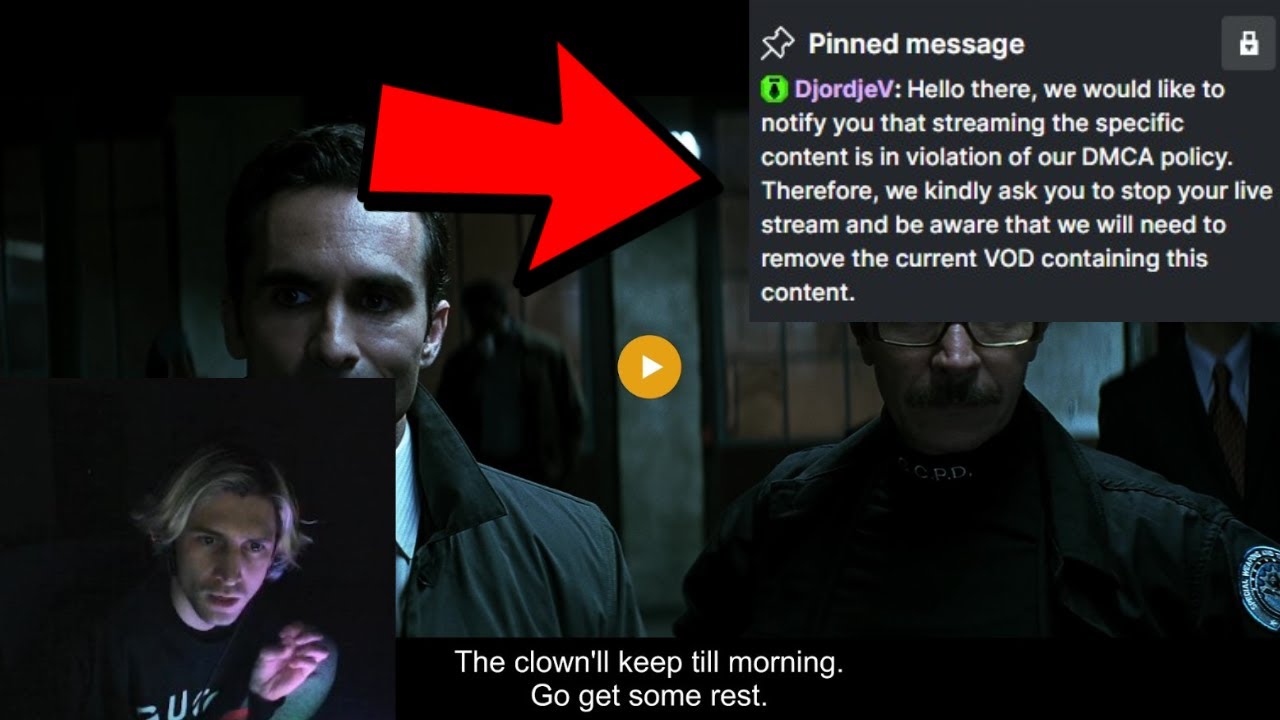
Fox issued a wave of DMCA strikes against a major Twitch streamer for reacting live to a competition show, triggering serious consequences for a creator whose entire livelihood depends on staying online.
Why react content sits in such a fragile legal position:
- You cannot produce reaction content without broadcasting the underlying copyrighted material
- Courts have had little chance to set clear precedent, since most disputes get resolved through takedowns rather than lawsuits
- Some copyright holders tolerate reaction content because of the exposure it provides, while others enforce aggressively
- That inconsistency across rights holders makes the same type of content safe on one show and dangerous on another
Kick has its own recent history here too.
According to Dexerto's coverage of an earlier controversy, the platform once ran a stream category literally labeled "Other, TV Shows & Movies," which drew direct criticism for seemingly encouraging exactly the kind of copyrighted content watch parties that now sit at the center of this new strike policy.
Note: The uncomfortable truth about watch party streaming is that it was never fully protected to begin with. Platforms simply chose, for years, not to enforce that reality consistently. A formal three-strike policy doesn't create new risk out of nowhere. It just removes the informal buffer that let creators assume they'd get away with it.
How This Forces the Just Chatting Meta to Pivot
Just Chatting has become one of the biggest categories on every major streaming platform, largely because it's flexible enough to host almost anything, including TV watch parties.
That flexibility is exactly what's now under pressure.
Likely shifts in the Just Chatting meta going forward:
- More streamers pivoting toward genuine commentary and discussion formats rather than passive watch-alongs
- Increased use of licensed or Creative Commons content that avoids DMCA risk entirely
- A rise in clip-based reaction formats, showing short, arguably more transformative segments instead of full episodes
- Streamers building relationships directly with rights holders to get explicit permission before broadcasting
That last option isn't hypothetical.
Some creators have already gone this route successfully, treating explicit licensing deals as a cost of doing business rather than gambling on enforcement staying lax.
For smaller streamers without that kind of leverage, the practical response is simpler: shift content away from anything that could trigger a claim in the first place.
What Streamers Should Actually Do Right Now
None of this means Just Chatting or reaction content disappears from Kick entirely.
It means the margin for error just got noticeably thinner.
Practical steps for creators navigating the new policy:
- Review exactly what counts as a strike-worthy violation under Kick's published policy
- Avoid full-length TV episodes or movies, since these carry the highest enforcement risk
- Lean toward genuinely transformative content, meaning heavy commentary, analysis, or reaction rather than passive viewing
- Monitor VOD and clip archives, since old content can still trigger claims well after the original broadcast ends
- Treat a first strike seriously, since enhanced monitoring status likely raises scrutiny on everything that follows
That enhanced monitoring point deserves repeating.
Under the new system, a first strike isn't just a warning you can shrug off. It changes how closely your entire channel gets watched afterward.
How Kick Now Compares to Twitch and YouTube
For years, one of Kick's biggest selling points was the contrast with Twitch's copyright enforcement.
That contrast is shrinking fast.
According to a broader industry overview of platform copyright compliance, platforms across Twitch, YouTube, and TikTok have all been deploying increasingly aggressive, AI-powered content identification systems throughout 2026.
A single takedown notice can remove content instantly. Three strikes can end a channel entirely, regardless of which platform hosts it.
Where the three major platforms now stand:
- Twitch has run a three-strike policy for years, paired with automated audio detection tools like Soundtrack by Twitch
- YouTube relies heavily on Content ID, an automated system that scans uploads and live content against a massive rights holder database
- Kick now runs its own formal progressive strike system, closing much of the enforcement gap that separated it from its competitors
That convergence matters for multi-streaming creators specifically.
Anyone simulcasting across Kick, Twitch, and YouTube simultaneously now has to satisfy the strictest platform in that mix, since a violation on one service can still damage a creator's reputation and audience trust everywhere else.
The days of picking Kick specifically to dodge copyright enforcement appear to be ending, at least as a reliable long-term strategy.
FAQ
When did Kick publish its new DMCA policy? May 29, 2026, through an official help center document outlining a progressive strike system.
How many strikes before a channel faces serious consequences? Kick follows a three-strike model similar to Twitch, with escalating consequences at each stage.
Does a first strike come with extra consequences beyond a warning? Yes. Accounts are placed into an enhanced monitoring system after a first strike, increasing scrutiny on future broadcasts.
Is reacting to TV shows automatically against the rules? It's legally murky rather than automatically banned. Courts haven't fully settled whether reaction content counts as fair use, which is exactly why enforcement varies so much.
Will this affect Just Chatting streams that don't involve TV content? Not directly. The policy specifically targets copyrighted material being broadcast, not general conversation-based Just Chatting content.
Final Takeaway
Kick's new DMCA policy doesn't invent new copyright law. It simply formalizes enforcement the platform could have applied all along, closing the informal gap that let watch party culture thrive there longer than it did elsewhere.
For React streamers and Just Chatting creators built around TV content, the safest path forward is treating Kick's enforcement exactly like Twitch's: assume the strike system is real, assume rights holders are watching, and build content that leans on commentary and transformation rather than passive rebroadcasting.
The platforms may differ in tone, but the underlying legal risk has always been the same.