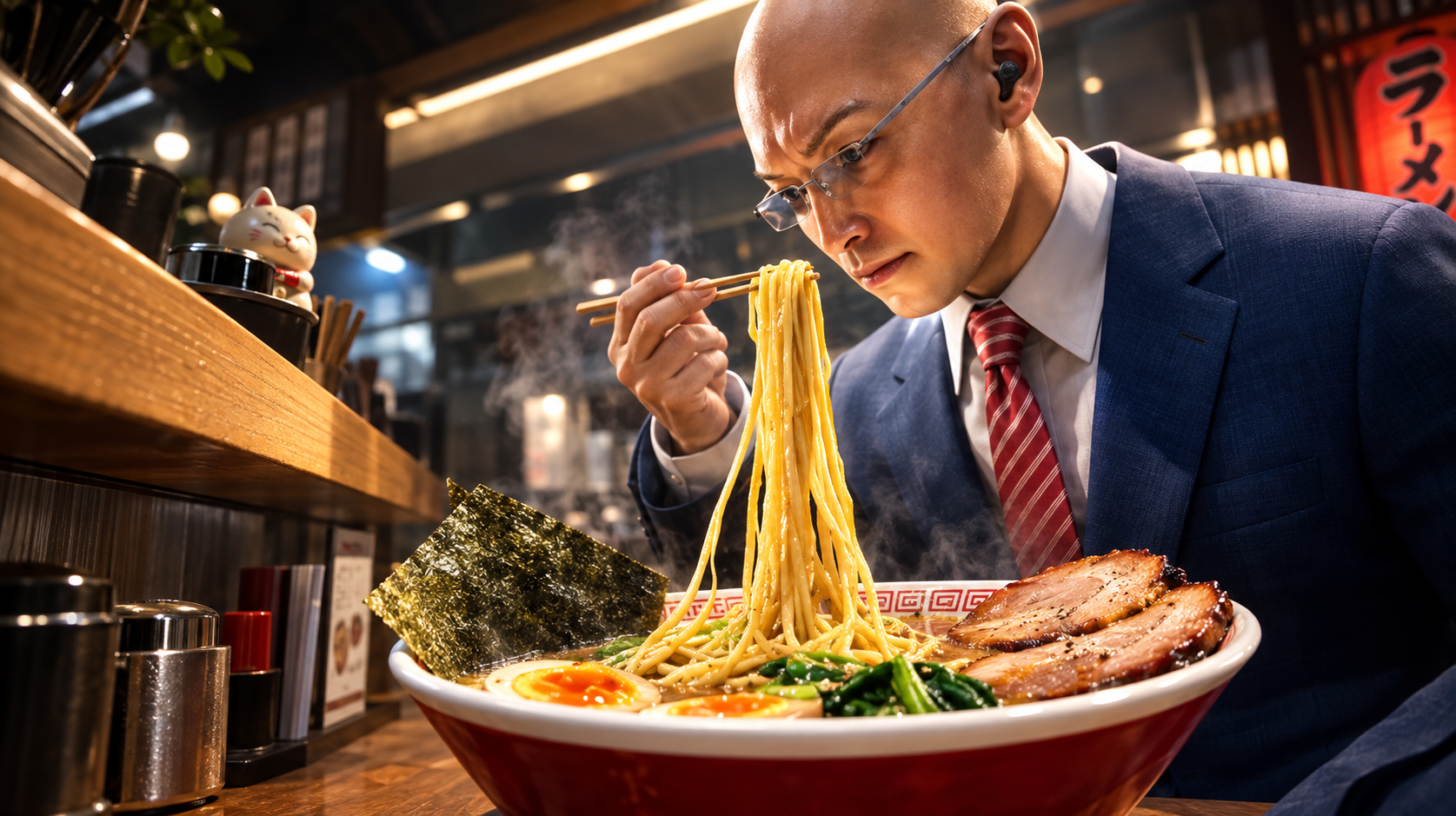

Japanese Ramen Simulator Is Turning Steam Into a Six-Player Kitchen Disaster

Japanese Ramen Simulator Steam players are already discovering just how quickly a seemingly simple cooking game can turn into a frantic multiplayer disaster. The surprise indie launch combines ramen preparation, restaurant management, and six-player co-op, creating an experience where teamwork can make the difference between a perfectly served bowl and complete kitchen mayhem.
What happens when you put six players inside a tiny ramen restaurant and give all of them jobs?
Apparently, Steam gets a new indie obsession.
Japanese Ramen Simulator has arrived as a surprise indie launch, and its combination of frantic cooking, restaurant management, and six-player co-op is already attracting serious attention. Instead of asking players to calmly prepare one perfect bowl at a time, the game throws an entire kitchen's worth of problems at a group of friends.
Orders pile up.
Ingredients disappear.
Someone inevitably forgets an important step.
And suddenly, making ramen becomes a full-blown team survival exercise.
Why Everyone Is Suddenly Talking About It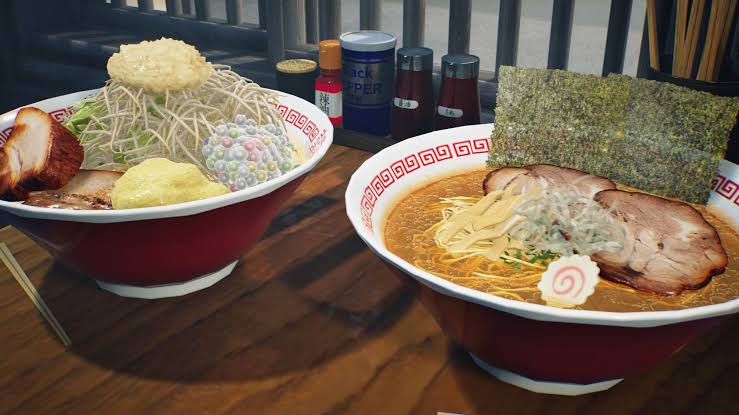
The biggest surprise isn't necessarily the concept itself.
Co-op cooking games have been around for years. Players already understand the appeal of coordinating recipes, managing timers, and desperately trying to keep customers happy.
What makes Japanese Ramen Simulator interesting is the scale of its multiplayer chaos.
Six players can work together in the same kitchen, turning what might normally be a relaxing cooking simulator into something much closer to organized chaos.
One player can focus on noodles.
Another can handle toppings.
Someone else can manage orders and serving.
And then there is always the sixth player.
You know the one.
They're probably running around the kitchen carrying something nobody asked for.
That unpredictability is exactly what makes the multiplayer format so entertaining.
Six Players Changes Everything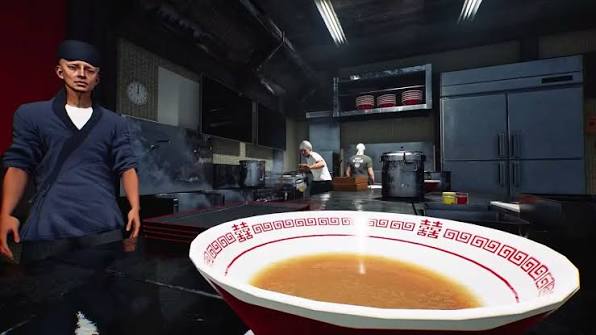
Cooking games become dramatically different when more people are involved.
With two players, communication is relatively simple. With three or four, responsibilities can start becoming specialized.
At six players, the kitchen becomes its own ecosystem.
The game can create situations where coordination matters just as much as individual skill.
Who is preparing ingredients?
Who is cooking?
Who is assembling the ramen?
Who is watching incoming orders?
And perhaps most importantly, who is cleaning up the disaster everyone else created?
That creates a natural source of comedy.
A successful round isn't just about completing recipes. It's about discovering whether six people can somehow agree on what they're supposed to be doing.
Usually, they can't.
And that's the fun.
Why Co-Op Cooking Games Work So Well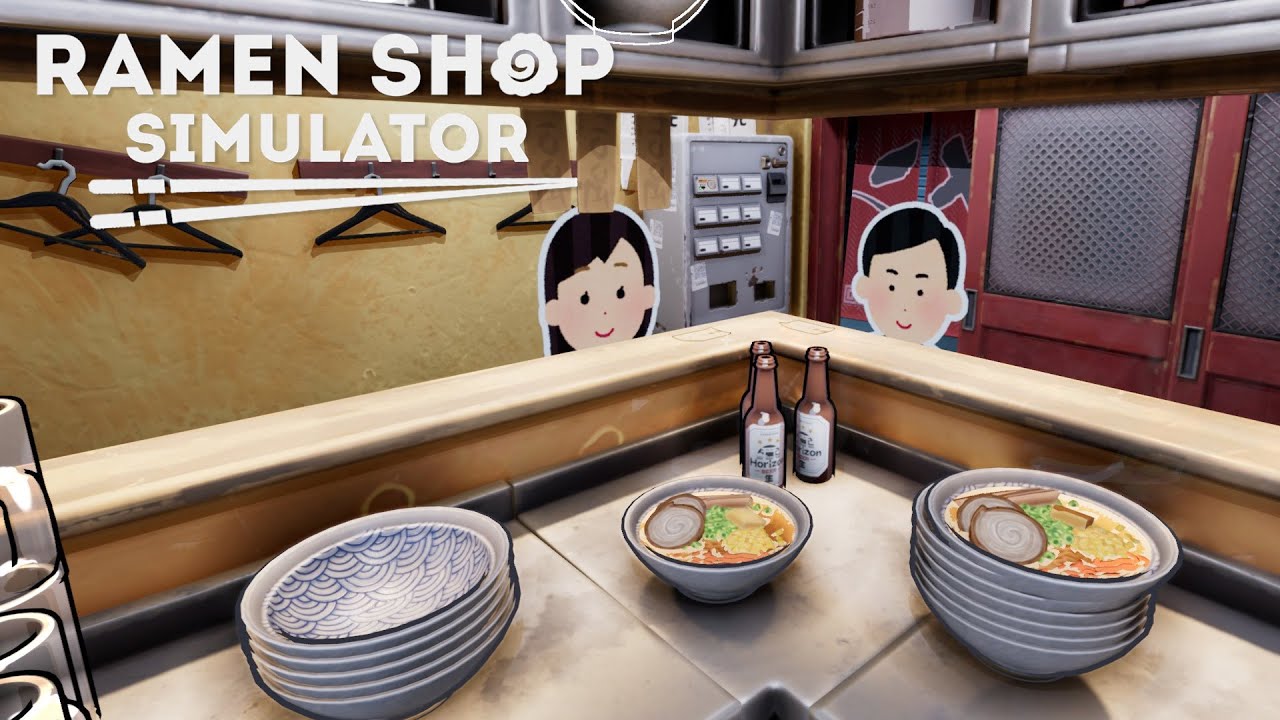
There is a reason cooking has become such a reliable foundation for multiplayer games.
The rules are easy to understand.
You don't need hundreds of hours of experience to appreciate the objective. Someone orders ramen, the kitchen needs ingredients, and the players have to work together to get the food out.
That simplicity makes the chaos accessible.
It also creates instant moments worth sharing.
A perfectly coordinated kitchen can feel incredibly satisfying.
A completely dysfunctional kitchen can be even funnier.
That's particularly important for modern indie games, where streaming and social sharing can turn a small launch into a much bigger conversation.
A six-player kitchen is practically designed for clips.
Someone makes a ridiculous mistake.
The entire team starts shouting.
An order gets completed at the last second.
Everyone celebrates.
Then the next order arrives.
Repeat.
Why the Steam Charts Matter
The interesting part of Japanese Ramen Simulator isn't simply that players are enjoying a new cooking game.
It's that the title appears to be breaking through the enormous competition on Steam.
Every weekend, Steam is packed with new releases, established multiplayer games, major updates, and older titles experiencing renewed interest.
Getting noticed in that environment is difficult.
For an indie game, the challenge is even bigger.
That's why an unexpected rise on the Steam charts can be meaningful. It suggests that the game's central idea is generating enough curiosity for players to actively seek it out.
And the six-player format gives it another advantage: one player can potentially bring an entire group into the game.
Instead of selling the experience to one person at a time, multiplayer creates a social chain reaction.
One friend buys it.
Five friends get invited.
Suddenly, there's a full ramen restaurant.
The Secret Ingredient Is Chaos
The most important thing about Japanese Ramen Simulator may not actually be the ramen.
It's the chaos.
Perfectly optimized cooking systems can be satisfying, but multiplayer games often become memorable because something goes horribly wrong.
That's especially true when players are given enough freedom to divide responsibilities themselves.
The resulting gameplay becomes unpredictable.
A team might develop an incredibly efficient workflow.
Another group might spend half the session arguing about who is supposed to prepare the noodles.
Both groups are technically playing the same game.
That's a powerful multiplayer formula because it creates stories rather than simply successful matches.
You don't just remember that you completed Order #47.
You remember your friend accidentally ruining the kitchen while everyone else was trying to serve six customers.
What Happens Next?
The big question now is whether Japanese Ramen Simulator can maintain its momentum after the initial launch excitement.
The Steam charts can change quickly, especially for indie releases.
A strong opening weekend is one thing.
Keeping players around is another.
Future updates could become particularly important. New recipes, kitchen layouts, customization options, challenges, or additional multiplayer mechanics could give groups reasons to keep returning.
Community-created content could also potentially extend the game's lifespan if the developers support it.
But there is another possibility.
The game's sudden popularity could encourage more developers to experiment with larger-scale co-op management games.
The success of social multiplayer experiences has repeatedly demonstrated that players don't always need massive worlds or enormous budgets.
Sometimes they just need a room full of friends and a situation that is guaranteed to go wrong.
🎮 The Bottom Line
Japanese Ramen Simulator has taken a familiar idea, co-op cooking and pushed it into a much more chaotic six-player format.
That's what makes its sudden Steam rise interesting.
It's not trying to reinvent multiplayer gaming from scratch. Instead, it understands something incredibly valuable: games become memorable when players create the entertainment themselves.
A perfectly prepared bowl of ramen might be satisfying.
Six friends completely losing control of a virtual ramen kitchen?
That's a weekend game.
And if the Steam momentum continues, this little restaurant may end up being one of the indie scene's biggest surprises of the month.
Would you jump into a six-player ramen kitchen with your friends, or would you rather stay safely away from the chaos? Let us know in the comments.