](https://cdn.mos.cms.futurecdn.net/eexQizhxGdny87wQtfrswd-1920-80.jpg)

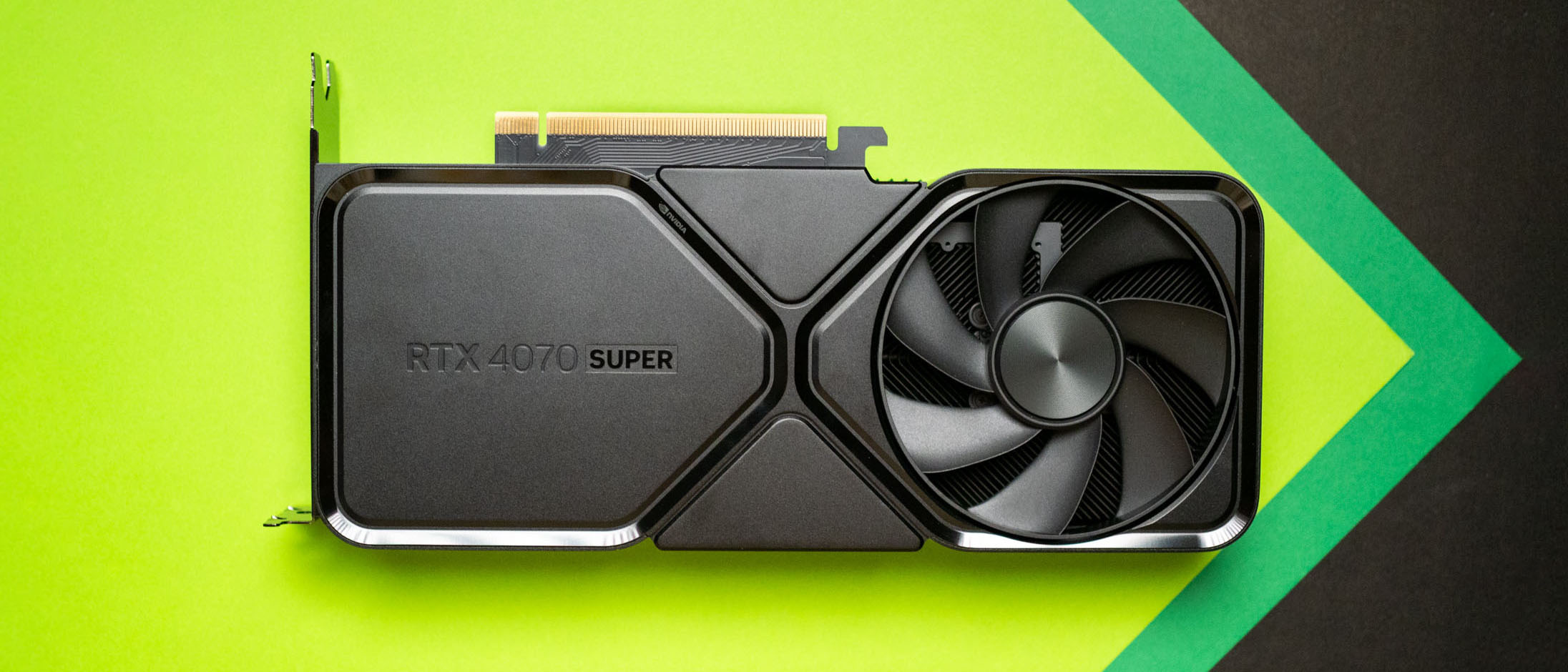
RTX 4070 Super Gets Unofficial 4X Multi Frame Generation—and the FPS Gains Are Huge
Nvidia may officially reserve its most powerful Multi Frame Generation modes for RTX 50-series graphics cards, but PC modders are already finding ways to push older RTX 40-series GPUs far beyond their intended limits.
Recent testing with an RTX 4070 Super shows that unofficial modifications can unlock higher frame-generation multipliers—including 4X and, in some implementations, as high as 6X.
The results can look spectacular on an FPS counter.
In several games tested at 1440p, enabling unofficial 4X Multi Frame Generation more than doubled the displayed frame rate.
There is a catch, though.
Higher numbers don't necessarily mean a better experience. Ghosting, visual artifacts, hitching and latency can all become more noticeable when an RTX 40-series GPU is pushed into frame-generation modes Nvidia never officially designed it to use.
And in some games, the difference between “240 FPS” and actually feeling like 240 FPS becomes very obvious.
RTX 40 vs RTX 50: What's Actually Supported?
Nvidia introduced DLSS 3 Frame Generation alongside its RTX 40-series GPUs. That technology can insert one AI-generated frame between traditionally rendered frames.
With the RTX 50 series, Nvidia expanded the technology into DLSS Multi Frame Generation, initially allowing as many as three generated frames per rendered frame.
DLSS 4.5 pushed that even further.
RTX 50-series owners can now use 6X Multi Frame Generation, which can generate five additional frames for each normally rendered frame. Nvidia also introduced Dynamic Multi Frame Generation, which changes the multiplier automatically in an attempt to balance smoothness, image quality and responsiveness. NVIDIA
Blackwell hardware also contains improvements specifically intended to handle this workload. Nvidia says enhanced hardware flip metering helps manage frame pacing, while its Blackwell architecture documentation describes an AI Management Processor that assists with scheduling graphics, DLSS processing and frame delivery. NVIDIA
RTX 40 cards don't have all of those Blackwell-specific improvements.
That hasn't stopped modders from trying.
Modders Are Unlocking MFG on RTX 40 Cards
Unofficial tools are now capable of bypassing Nvidia's normal GPU checks and exposing higher frame-generation ratios on Ada Lovelace cards.
The supplied test used the ReShade HDR Installer alongside RTX 40 MFG and OptiScaler modifications to expose additional frame-generation options on an RTX 4070 Super. Pasted text
The modding scene has continued developing since then.
Experimental OptiScaler forks now claim to expose 3X, 4X and even 6X MFG on RTX 40-series GPUs by modifying the checks used by the DLSS Frame Generation runtime. These projects are unofficial and aren't supported or endorsed by Nvidia or the main OptiScaler team. GitHub
That means compatibility can change with games, drivers and DLSS versions.
It also means this should be treated as experimentation rather than a normal Nvidia feature.
RTX 4070 Super 4X MFG Benchmarks
The supplied testing used an RTX 4070 Super at 1440p, generally with High settings, DLSS Balanced and ray tracing disabled where applicable. The unofficial setup was capped at up to 4X MFG for the comparison. Pasted text
| Game | No Frame Gen | Official 2X | Unofficial up to 4X |
|---|---|---|---|
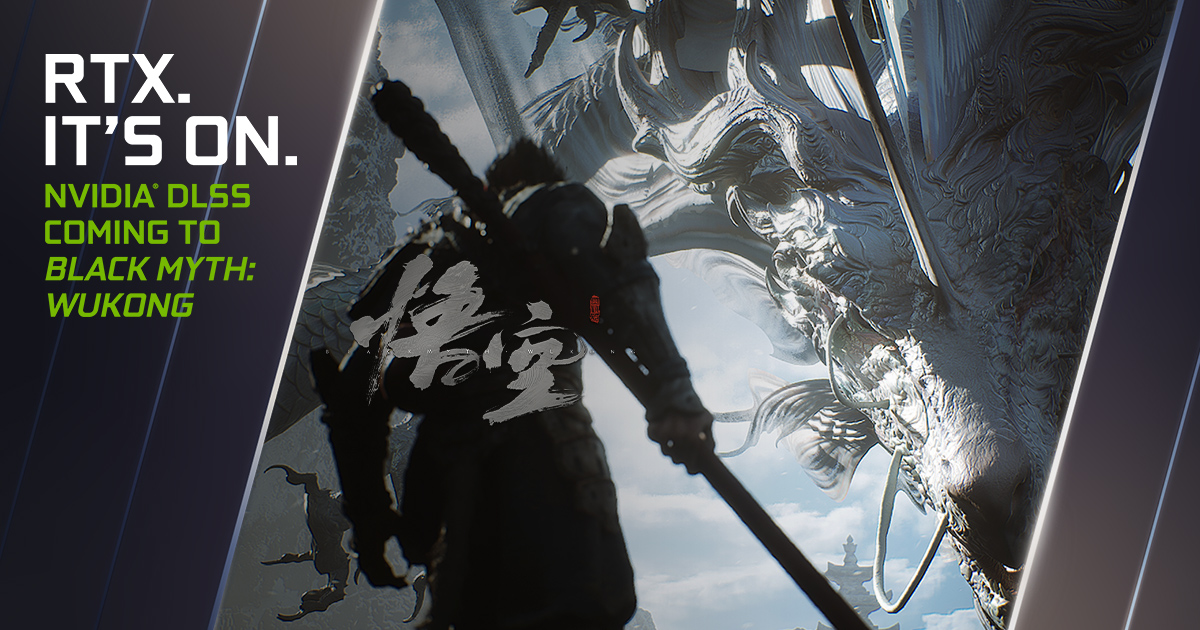
| Black Myth: Wukong Benchmark | 64 FPS | 99 FPS | 170 FPS |
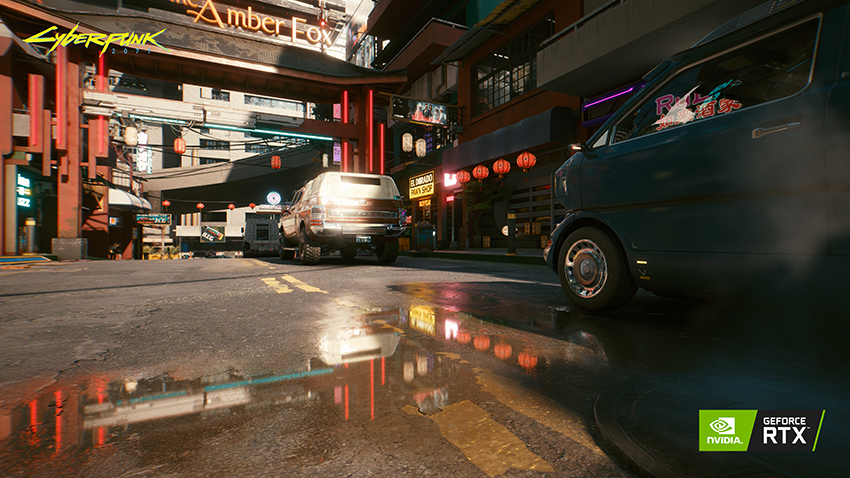
| Cyberpunk 2077 | 134 FPS | 197 FPS | 219 FPS |
| Pragmata | 111 FPS | 162 FPS | 242 FPS |
| Lost Records: Bloom & Rage | 82 FPS | 128 FPS | 201 FPS |
| Vampire: The Masquerade – Bloodlines 2 | 97 FPS | 99 FPS | 234 FPS |
| The Thaumaturge | 130 FPS | 163 FPS | 224 FPS |
The uplift is substantial.
Black Myth: Wukong jumped from 64 FPS without Frame Generation to 170 FPS using the unlocked mode.
Pragmata increased from 111 FPS to 242 FPS.
And Vampire: The Masquerade – Bloodlines 2 climbed from 97 FPS to 234 FPS.
But average FPS tells only part of the story.
1% Low Performance Shows Why FPS Isn't Everything
The 1% low results were:
| Game | No Frame Gen | Official 2X | Unofficial up to 4X |
|---|---|---|---|
| Black Myth: Wukong | 47 | 67 | 113 |
| Cyberpunk 2077 | 66 | 91 | 86 |
| Pragmata | 56 | 83 | 97 |
| Lost Records | 30 | 40 | 54 |
| Bloodlines 2 | 33 | 42 | 66 |
| The Thaumaturge | 33 | 27 | 52 |
Those figures expose one of the biggest weaknesses of simply judging Frame Generation by the FPS counter.
In Cyberpunk 2077, for example, average performance increased from 197 FPS at the normal 2X setting to 219 FPS with the unlocked mode—but its 1% low actually dropped from 91 to 86 FPS. Pasted text
So although the FPS counter increased, consistency did not necessarily improve with it.
Cyberpunk 2077 Was One of the Roughest Examples
Cyberpunk 2077 is already one of Nvidia's flagship showcases for DLSS technology, and Nvidia officially supports Frame Generation on RTX 40 cards while offering the more advanced Multi Frame Generation features on RTX 50 hardware. NVIDIA
With unofficial 4X MFG running on the RTX 4070 Super, however, the supplied testing reported noticeable flickering and increased GPU load.
That is an important distinction.
Getting the software to produce additional generated frames does not mean the older GPU will deliver them with the same pacing, stability or image quality as hardware designed around Multi Frame Generation.
Bloodlines 2 Hit 234 FPS—but Ghosting Became Obvious
Vampire: The Masquerade – Bloodlines 2 produced one of the most dramatic numerical improvements.
Average FPS climbed from 97 without Frame Generation to 234 FPS with the unlocked mode.
Yet the experience reportedly became less stable.
Fast movement through Seattle produced visible artifacting and ghosting, particularly while sprinting and moving rapidly across rooftops. Slower movement was significantly less problematic. Pasted text
That's precisely the kind of scenario that can expose Frame Generation weaknesses.
The technology has to predict what the scene should look like between two rendered frames. The faster objects, characters and camera movements change, the harder that prediction becomes.
The Thaumaturge Also Showed Ghosting
The slower-paced The Thaumaturge wasn't completely immune either.
Despite being a turn-based RPG, testing found ghosting during conversations and combat animations.
Its performance still rose dramatically—from 130 FPS without Frame Generation to 224 FPS with unlocked MFG—but the visual artifacts demonstrate that extremely high generated-frame ratios can create problems even when a game isn't particularly fast-paced. Pasted text
Pragmata Was a Much Better Showcase
Pragmata appears to have been one of the strongest results.
The game rose from 111 FPS natively in the test configuration to 162 FPS with standard 2X Frame Generation, before reaching 242 FPS with the unlocked multiplier.
The testing also reported relatively straightforward setup and good playability.
Nvidia officially promotes Pragmata as an RTX title featuring path tracing and DLSS Multi Frame Generation on RTX 50-series hardware. NVIDIA
Generated FPS Isn't the Same as Rendered FPS
This is probably the most important thing to understand before looking at these numbers.
If a GPU renders 60 frames and AI generates several additional frames between them, a monitoring tool might report a dramatically higher output frame rate.
But the game isn't suddenly processing player input at the same rate as a game genuinely rendering every one of those frames.
Frame Generation is designed primarily to improve visual smoothness.
Nvidia combines the technology with Reflex to help control latency, and the company says its newer DLSS 4.5 model can generate additional frames with minimal impact to responsiveness on supported RTX 50 hardware. NVIDIA
That doesn't mean unofficial 4X or 6X operation on an RTX 40 card will behave identically.
A strong underlying rendered frame rate remains important.
Should You Try 4X MFG on an RTX 40 GPU?
For enthusiasts who enjoy experimenting with graphics technology, the results are certainly interesting.
An RTX 4070 Super displaying more than 200 FPS in demanding modern games without replacing the GPU is hard to ignore.
But there are several major caveats:
- Nvidia doesn't officially support Multi Frame Generation above standard Frame Generation on RTX 40 GPUs.
- Visual artifacts and ghosting vary substantially between games.
- Higher displayed FPS doesn't automatically mean lower latency.
- Driver or game updates could break unofficial implementations.
- Mods that inject or modify graphics components can conflict with anti-cheat software, so using them in competitive or protected multiplayer games is particularly risky.
- Different RTX 40 GPUs may behave differently, especially when VRAM usage becomes a factor.
The supplied testing deliberately focused on single-player games because of potential anti-cheat conflicts. Pasted text
RTX 40 Cards May Have More Life Than Nvidia Intended
Perhaps the most interesting takeaway isn't that an RTX 4070 Super can display 200-plus FPS using unofficial MFG.
It's that the RTX 40 generation remains capable enough for enthusiasts to keep experimenting with it years after launch.
The RTX 50 series still has hardware specifically built around Nvidia's newer Multi Frame Generation technology, and official 6X support remains an RTX 50-series feature. NVIDIA
But these community experiments suggest that at least some Ada GPUs can run far more aggressive frame-generation workloads than Nvidia officially exposes.
Whether that produces a better game is another question.
For games where image stability remains good, unofficial 4X MFG can create a surprisingly smooth experience. In others, the extra frames simply make ghosting, flickering and inconsistent pacing more obvious.
For RTX 40 owners considering an expensive upgrade, though, it's another reminder that their existing GPU may still have plenty left to give.