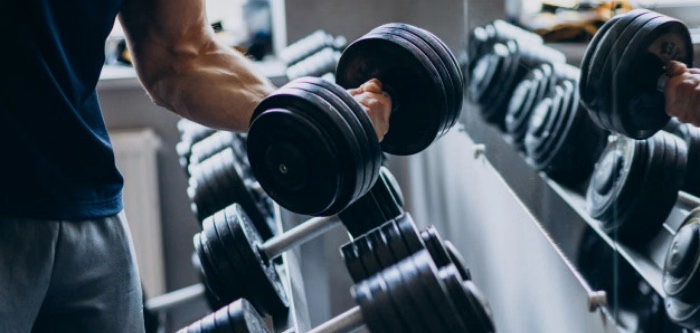

The fitness industry is constantly evolving, with new workout routines, diets, and wellness trends appearing almost every year. While some become overnight sensations and quickly fade away, others are backed by science and deliver real, lasting results. In 2026, people are becoming more focused on sustainable fitness rather than chasing unrealistic transformations or social media fads. Instead of searching for shortcuts, they are choosing habits that improve overall health, build strength, and fit into their daily lives.
One of the biggest shifts in recent years is the emphasis on consistency over intensity. Many people once believed that spending hours in the gym every day was the only path to success. However, research and experience have shown that regular, manageable workouts performed consistently produce far better long-term results than occasional extreme training sessions. A balanced routine that can be maintained for months or years is far more effective than an intense program that leads to burnout.
Strength training continues to dominate the fitness world, and for good reason. Lifting weights is no longer seen as something reserved for bodybuilders. People of all ages are incorporating resistance training into their routines to build muscle, strengthen bones, improve posture, and boost metabolism. Increasing muscle mass also helps the body burn more calories throughout the day, making strength training beneficial for both fitness and weight management. Recovery has become just as important as exercise itself. People are finally realizing that muscles grow and repair during rest, not during workouts. Recovery practices such as quality sleep, proper nutrition, stretching, foam rolling, mobility exercises, and rest days have become essential parts of successful fitness routines. Ignoring recovery often leads to fatigue, poor performance, and increased risk of injury.
One of the most effective fitness trends is focusing on movement quality instead of simply lifting heavier weights. Proper exercise technique improves muscle activation, reduces injury risk, and produces better long-term results. Many experienced trainers now encourage individuals to master form before increasing weight, emphasizing control and consistency over ego lifting.
Wearable fitness technology has also transformed the way people train. Smartwatches and fitness trackers allow users to monitor heart rate, calories burned, sleep quality, daily activity, and workout performance. Rather than guessing their progress, individuals can make informed decisions based on real-time data. These devices also motivate users by helping them set realistic goals and monitor improvements over time.
Functional fitness has gained tremendous popularity because it prepares the body for everyday activities rather than focusing solely on appearance. Exercises like squats, lunges, push-ups, carries, and rotational movements improve balance, coordination, flexibility, and strength that directly translate into daily life. Functional training benefits everyone, from athletes to older adults looking to maintain independence.
Nutrition has shifted away from restrictive dieting toward sustainable eating habits. Instead of eliminating entire food groups, more people are focusing on consuming sufficient protein, whole grains, fruits, vegetables, healthy fats, and staying hydrated. Flexible eating plans that allow occasional treats have proven easier to maintain than extremely restrictive diets, making long-term success more achievable.
Home workouts continue to remain popular even as gyms thrive. Advances in online coaching, workout apps, and affordable equipment have made it easier than ever to stay active without leaving home. Whether someone has access to a full gym or just a pair of dumbbells, effective workouts can be adapted to nearly any environment.
Artificial intelligence is also making its mark in the fitness industry. AI-powered workout apps now provide personalized training plans, track progress, recommend adjustments based on recovery, and even analyse exercise form through smartphone cameras. This technology makes professional-level guidance more accessible to people regardless of their fitness experience.
Mental health is becoming an essential part of fitness discussions. Exercise is increasingly recognized not only for physical benefits but also for reducing stress, improving mood, boosting confidence, and enhancing overall well-being. Activities such as walking, yoga, meditation, and outdoor exercise are being embraced because they support both physical and mental health simultaneously.
Short, effective workouts are replacing the outdated belief that longer is always better. Busy lifestyles have encouraged many people to adopt 30 to 45-minute sessions that combine strength, cardio, and mobility exercises. When performed with proper intensity and consistency, these shorter workouts can deliver excellent results while fitting into demanding schedules.
Group fitness is also experiencing renewed popularity. Whether through boot camps, cycling classes, CrossFit sessions, or community running clubs, exercising with others provides accountability and motivation. Many people find that the social aspect helps them remain committed to their fitness goals over the long term.
Mobility training has become another essential trend. Rather than focusing only on flexibility, mobility exercises improve joint function, posture, and movement efficiency. Better mobility not only enhances athletic performance but also reduces stiffness and helps prevent injuries, especially for individuals who spend long hours sitting at desks.
Despite the popularity of these trends, it's important to remember that no single workout or diet works for everyone. Factors such as age, fitness level, health conditions, lifestyle, and personal preferences all influence what approach is most effective. The best fitness plan is one that is enjoyable, sustainable, and aligned with individual goals rather than temporary trends circulating on social media.
The future of fitness is moving away from unrealistic promises and toward evidence-based practices that promote lifelong health. People are becoming more educated about exercise science, recovery, nutrition, and mental wellness, leading to smarter training decisions. Instead of chasing perfection, many are prioritizing progress, consistency, and balance.
Fitness trends will continue to evolve, but the fundamentals remain the same: regular exercise, proper nutrition, adequate recovery, and a positive mindset. By embracing trends that are supported by science rather than hype, individuals can build healthier habits that last far beyond the latest viral workout challenge. In the end, the fitness trends that truly work are not the flashiest since they are the ones that help people become stronger, healthier, and more consistent every single day.
Comments
Sign in to join the conversation
Sign inNo comments yet
Be the first to share your thoughts!