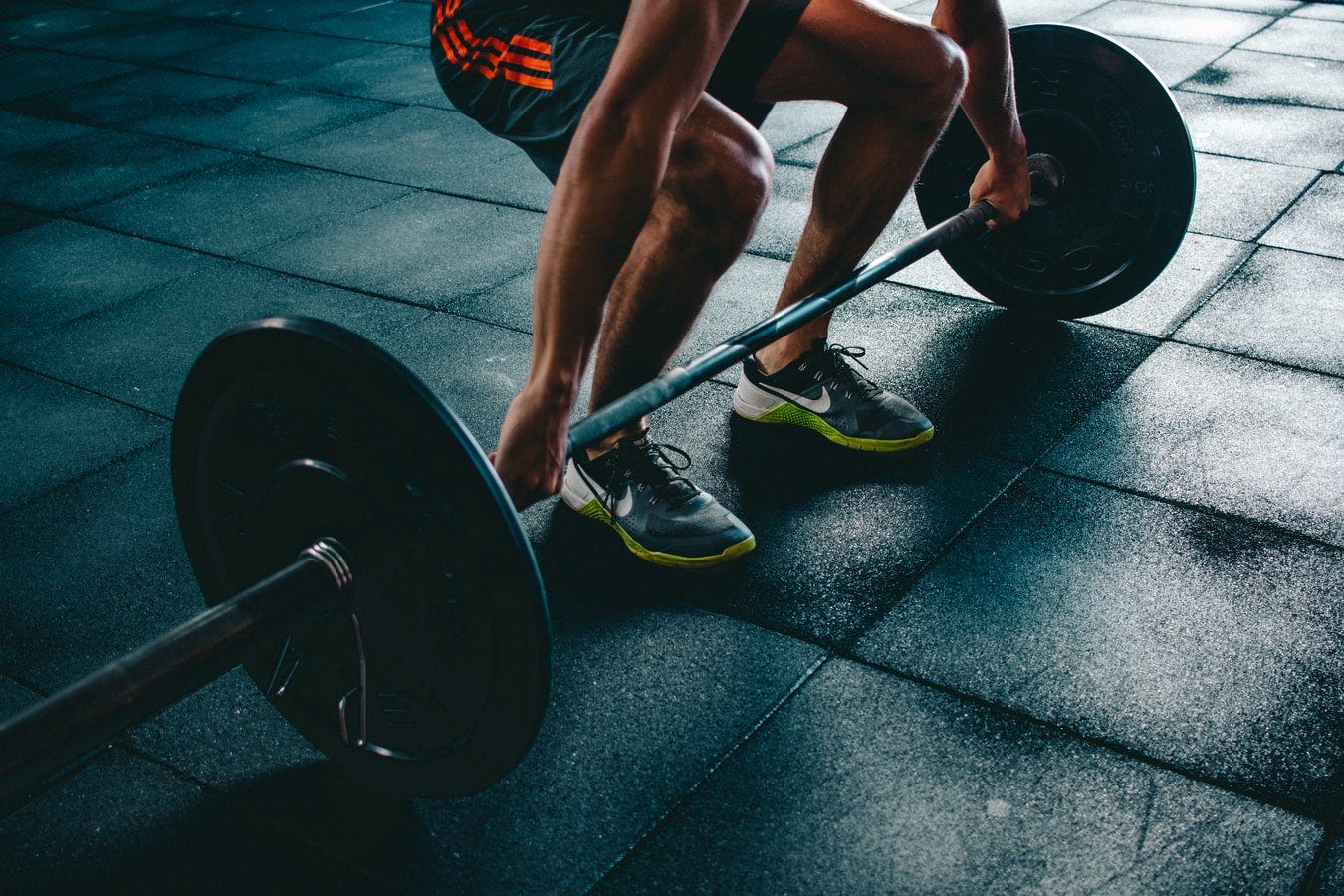

Starting a fitness journey is exciting, but staying consistent is where most people struggle. Many individuals begin with high motivation, ambitious workout plans, and strict diets, only to lose momentum after a few weeks. The truth is that long-term fitness success doesn't come from short bursts of motivation—it comes from building healthy habits that become a natural part of everyday life. Sustainable fitness is about making small, realistic changes that you can maintain for months and years rather than relying on temporary challenges or extreme routines.
One of the most effective fitness habits is setting realistic goals. Many people expect dramatic results in a short period, which often leads to disappointment and frustration. Instead of aiming to lose a large amount of weight in a month or build significant muscle within weeks, focus on smaller, achievable milestones. Goals such as exercising three to four times a week, drinking more water, or improving your strength gradually are easier to maintain and provide a steady sense of accomplishment. Reaching these smaller goals builds confidence and creates momentum that keeps you motivated.
Another habit that truly sticks is creating a consistent workout schedule. Rather than exercising only when you feel motivated, treat your workouts like important appointments that cannot be skipped. Choosing specific days and times for exercise helps turn fitness into a routine instead of a decision you have to make every day. Over time, your body and mind begin to expect physical activity at those scheduled times, making it much easier to stay committed even when motivation is low.
Finding a form of exercise you genuinely enjoy is equally important. Many people force themselves into workouts they dislike simply because they are popular or considered effective. While every exercise has benefits, consistency matters far more than perfection. Whether you enjoy weight training, running, cycling, swimming, yoga, dance workouts, or playing sports, choosing an activity that makes you look forward to moving increases the likelihood that you'll stick with it. Fitness should feel rewarding rather than like a punishment.
Building habits gradually is another key to long-term success. Trying to completely transform your lifestyle overnight often leads to burnout. Instead of spending hours in the gym every day, begin with 20 to 30-minute workouts and increase the intensity as your fitness improves. Small, manageable changes are easier to maintain and create lasting behavioral patterns. Over time, these small improvements accumulate into significant physical and mental transformations. Tracking your progress is a powerful habit that helps maintain motivation. Keeping a workout journal, using a fitness app, or simply noting improvements in strength, endurance, or flexibility provides visible evidence of your efforts. Progress isn't always reflected by the number on the scale. Being able to lift heavier weights, run longer distances, complete more repetitions, or feel more energetic throughout the day are all meaningful signs of improvement. Celebrating these victories reinforces positive habits and encourages continued effort.
Nutrition also plays a major role in maintaining fitness habits. Instead of following restrictive diets that eliminate entire food groups, focus on creating balanced meals rich in lean protein, whole grains, healthy fats, fruits, and vegetables. Preparing meals in advance can reduce the temptation to choose unhealthy convenience foods during busy days. Allowing yourself occasional treats without guilt helps create a healthy relationship with food and prevents the cycle of strict dieting followed by overeating. Sustainable nutrition is about consistency, not perfection. Getting enough sleep is one of the most overlooked fitness habits. During sleep, your body repairs muscles, restores energy, and regulates important hormones that influence appetite, recovery, and performance. Adults should aim for seven to nine hours of quality sleep each night. Poor sleep can increase fatigue, reduce workout performance, slow recovery, and make it harder to resist unhealthy food choices. Prioritizing sleep often leads to better results than adding extra hours of exercise.
Staying properly hydrated is another simple yet powerful habit. Water supports muscle function, regulates body temperature, improves endurance, and aids recovery after exercise. Even mild dehydration can reduce physical performance and increase feelings of fatigue. Carrying a reusable water bottle throughout the day makes it easier to develop the habit of drinking enough fluids consistently. An important mindset shift is learning to embrace consistency over perfection. Missing a workout or enjoying an unhealthy meal does not erase weeks of progress. Many people give up after one mistake because they believe they've failed. In reality, lasting fitness is built by returning to healthy habits after occasional setbacks. The goal is not to be perfect every day but to make good choices most of the time. One missed workout is simply a pause, not the end of your journey.
Perhaps the most effective habit of all is viewing fitness as a lifestyle rather than a temporary project. Instead of asking how quickly you can reach a goal, ask whether your current routine is something you can realistically maintain for years. Habits that become part of your daily life require less willpower because they eventually become automatic. Walking more, choosing nutritious foods, staying active, sleeping well, and exercising regularly all work together to create lasting health instead of temporary results.
In the end, fitness isn't about finding the perfect workout plan or following the latest trend. It's about building simple, repeatable habits that fit your schedule and support your long-term goals. By focusing on consistency, balance, patience, and gradual improvement, you create a foundation that lasts far beyond a single challenge or fitness program. The habits that truly stick are the ones that become part of who you are, allowing you to enjoy better health, increased confidence, and a stronger body for years to come.
Comments
Sign in to join the conversation
Sign inNo comments yet
Be the first to share your thoughts!