
Dune Awakening Is Looking Beyond Photorealism
Photorealism has been one of the biggest goals in modern game development.
Better lighting. More detailed characters. Larger textures. More realistic environments.
But Joel Bylos, Funcom's Chief Creative Officer, thinks the future of gaming may be moving in another direction.
In a recent interview, Bylos discussed everything from Dune Awakening's console ambitions and in game advertising to the industry's growing focus on lower powered hardware. His argument is surprisingly simple: games may not need to look more realistic every year if they can look distinctive and run almost everywhere.
And for Funcom, that could influence what comes after Dune Awakening.
🌵 Funcom Has a Bigger Problem Than Graphics
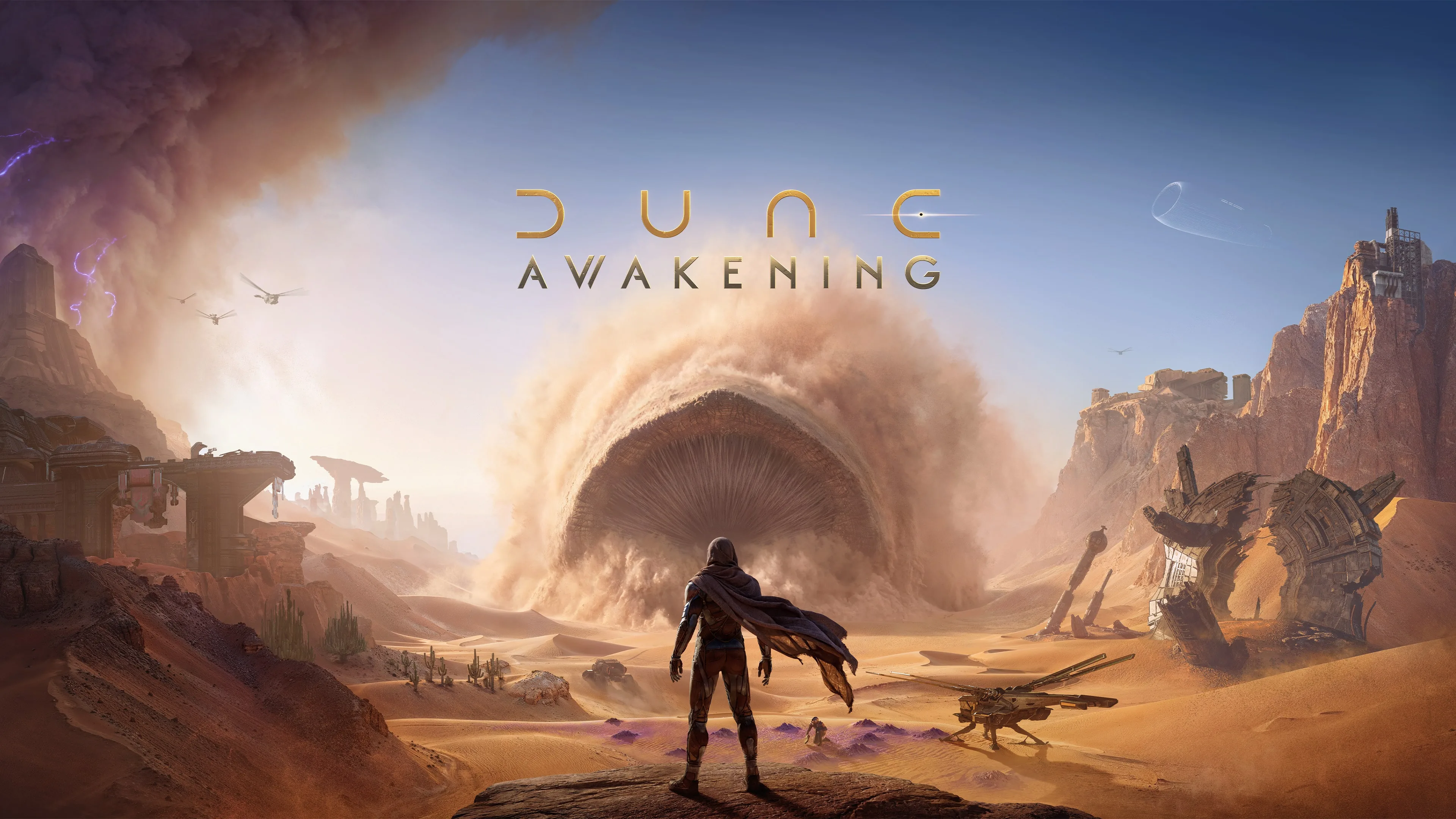
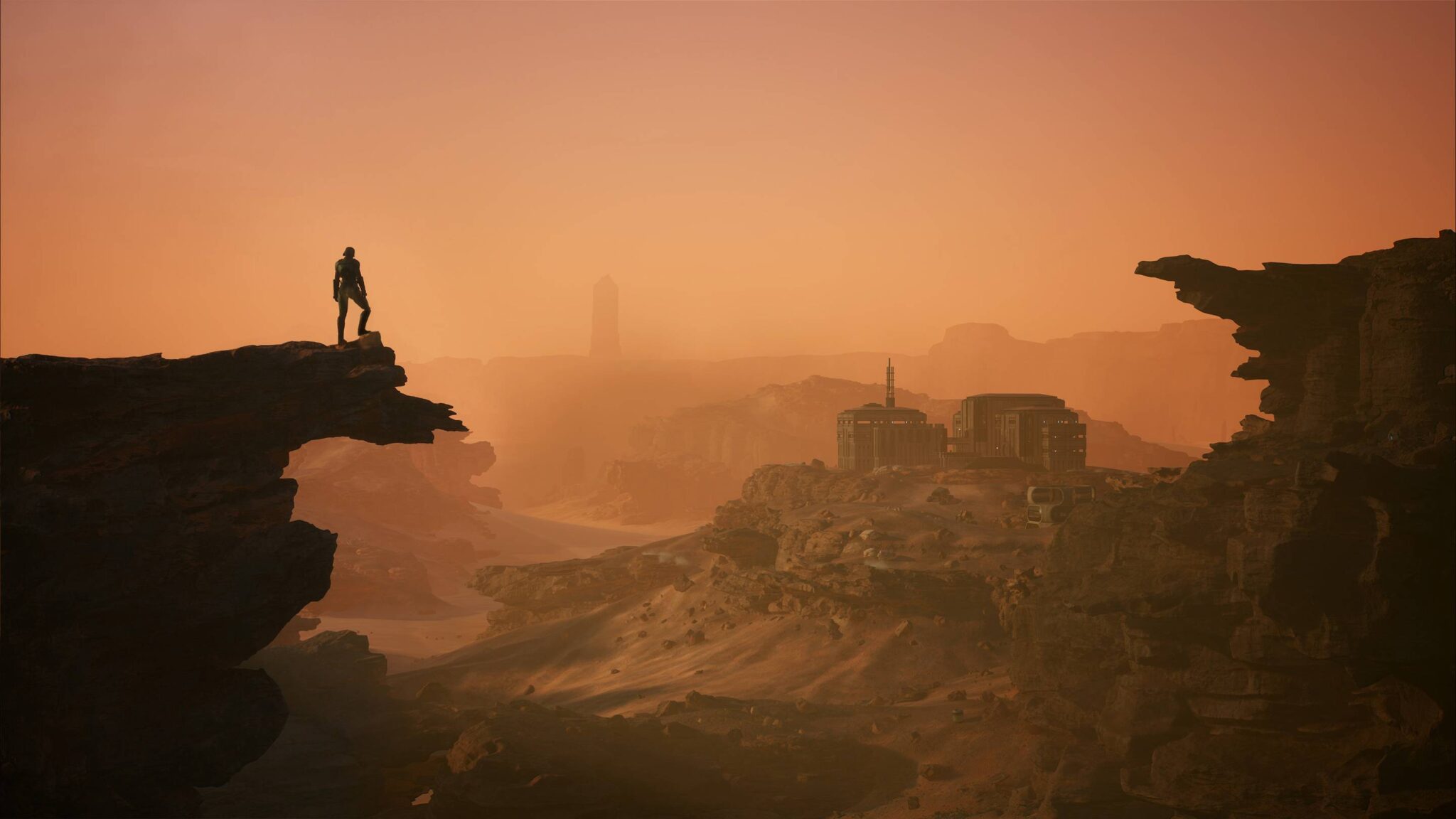
Dune Awakening is already an ambitious game.
It combines survival mechanics, open world exploration, combat, construction, vehicles, online multiplayer and the Dune universe into one experience.
Now Funcom has brought the game to consoles while also introducing a single player mode and additional difficulty options. Bylos explained that console development requires extensive optimization because the hardware is fixed and predictable.
That creates an interesting advantage.
A developer knows exactly what hardware it needs to target.
Instead of constantly chasing the newest PC components, the team can optimize around a known platform.
The bigger question is what happens to the industry when those platforms become old.
Bylos believes games will increasingly need to continue working on older and lower powered hardware rather than constantly raising the minimum requirements.
🧠 Why Bylos Thinks Style Could Beat Photorealism
The industry's obsession with photorealism creates a difficult problem.
Every generation demands more memory, more processing power and more expensive development pipelines.
But players do not necessarily care about technical realism as much as developers assume.
Bylos pointed toward younger players who grew up with games such as Roblox. His observation is that these players can prioritize gameplay and creativity over graphical fidelity.
That could change how studios think about visual design.
Instead of asking:
"How realistic can we make this?"
Developers may increasingly ask:
"How recognizable can we make this while keeping it efficient?"
Games such as World of Warcraft provide an obvious example. Its stylized art direction has allowed the game to remain visually recognizable for years while technology around it continues to change.
Bylos sees this kind of timeless visual identity as an important possibility for future Funcom projects.
The Future Could Be More Stylized
This does not mean realistic games are disappearing.
Dune Awakening itself is proof that high fidelity visuals can be an important part of a game's identity.
The difference is that Funcom may not want every future project to compete in a technological arms race.
A highly stylized game can potentially:
- Run on more hardware
- Require less memory
- Remain visually attractive for longer
- Reach players using handheld devices
- Reduce some of the pressure created by increasingly expensive hardware
The rise of Steam Deck style devices makes this argument even more relevant.
🎮 Steam Deck Could Be a Bigger Influence Than New Consoles
One of Bylos's most interesting observations concerns handheld gaming.
He expects more Steam Deck like devices to appear, creating an audience that wants major games to work on relatively low powered hardware.
That could create a strange reversal.
For years, developers have designed games around increasingly powerful hardware.
The future may instead reward developers who can deliver ambitious experiences while working within tighter hardware limits.
High End Hardware → Higher Visual Fidelity
Lower Powered Hardware → Better Optimization
Stylized Art Direction → Lower Memory Pressure
Broader Hardware Support → Larger Potential Audience
Bylos believes optimization toward lower powered platforms could become increasingly important as consoles age and hardware costs remain high.
💰 What About In Game Advertising?
The interview also touched on another controversial topic: advertising inside games.
Bylos says Funcom would not put this type of advertising into Dune Awakening.
But Funcom has actually experimented with the idea before.
The example he gave was Anarchy Online, Funcom's 2001 science fiction MMO. Because the game was set in a futuristic environment, advertising banners could be incorporated into the world without necessarily feeling completely out of place.
According to Bylos, the experiment generated meaningful revenue without having a major effect on the player experience.
That makes the current return of interest in in game advertising particularly interesting.
The industry is once again exploring ways to monetize games beyond traditional purchases, downloadable content and subscription systems.
But Dune Awakening currently follows a different approach.
The game uses a premium purchase model alongside paid downloadable content, while Funcom continues to observe how monetization models evolve across the industry.
⚙️ Dune Awakening Is Already Changing
The interview comes at an important point for Dune Awakening.
Funcom recently expanded the game with a single player mode, while also changing several systems based on player feedback.
Players can now experience Arrakis alone, and multiplayer has become more flexible with additional PvE options. Funcom has also reduced some of the game's more punishing progression systems.
The console launch also brings the game to a significantly broader audience.
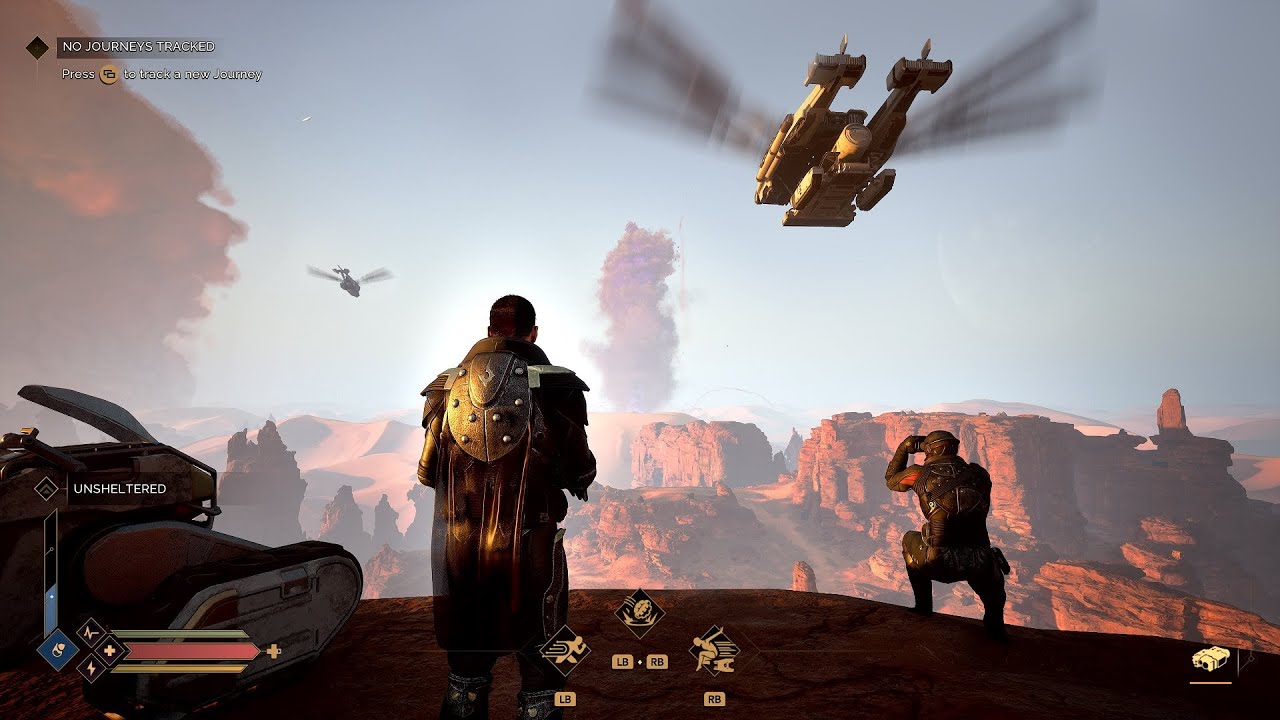
Recent coverage of the PS5 version noted that players can choose between a 60 FPS performance mode and a 30 FPS mode focused on higher visual fidelity.
That choice perfectly represents the tension Bylos is talking about.
How much visual quality should a game sacrifice for performance?
And how much performance should developers sacrifice for visual quality?
🔮 What This Means for Funcom's Next Game
Funcom is not immediately moving on from Dune Awakening.
According to Bylos, most of the studio remains focused on supporting Dune Awakening, while a small group is thinking about what could come next.
That means there is no announced next generation Funcom project following this philosophy yet.
But the direction is becoming clearer.
If hardware becomes increasingly expensive while handheld and older platforms continue to grow, developers may have to rethink what "next generation" actually means.
The answer may not be more polygons.
It could be better art direction.
It could be smarter optimization.
It could be games that sacrifice some technical spectacle while becoming accessible to a much wider range of hardware.
🌍 The Bigger Shift in Game Development
The interesting part of Bylos's argument is that it challenges one of gaming's most persistent assumptions.
For years, the visual progression has been easy to understand.
More powerful hardware arrives.
Games become more detailed.
Developers push higher resolutions, more advanced lighting and increasingly realistic characters.
But that cycle becomes harder to sustain when development costs and hardware requirements continue climbing.
A stylized game can take a different route.
Instead of trying to perfectly reproduce reality, developers can create an art style that becomes part of the game's identity.
That approach also gives studios more freedom to support hardware that would struggle with a purely photorealistic production.
🏜️ The Future of Dune Awakening

Dune Awakening is an interesting case because Funcom is currently doing both.
The game aims for high visual fidelity while simultaneously being pushed onto consoles and expanded with a single player experience.
That makes Bylos's comments less about abandoning graphical quality and more about questioning where the industry goes next.
The future Funcom game might not try to be the most technically impressive game on the market.
It could instead try to be the game that looks distinctive, plays well and runs on as many devices as possible.
And if the industry really does move toward Steam Deck style hardware, older consoles and more efficient game engines, that strategy could become increasingly relevant.
For now, Dune Awakening remains Funcom's flagship project.
But Bylos's comments suggest that the studio is already thinking beyond Arrakis.
The next big graphics race may not be about making games look more real. It may be about making them look unforgettable while requiring less hardware to run them.
🔗 Sources
-
Joel Bylos on style, in game advertising and Funcom's future
Covers Bylos's comments on in game advertising, lower powered devices, Steam Deck like hardware and the shift toward stylized games. -
Dune Awakening's PlayStation 5 launch
Covers the PS5 version, single player mode and Funcom's approach to making the survival experience more accessible.