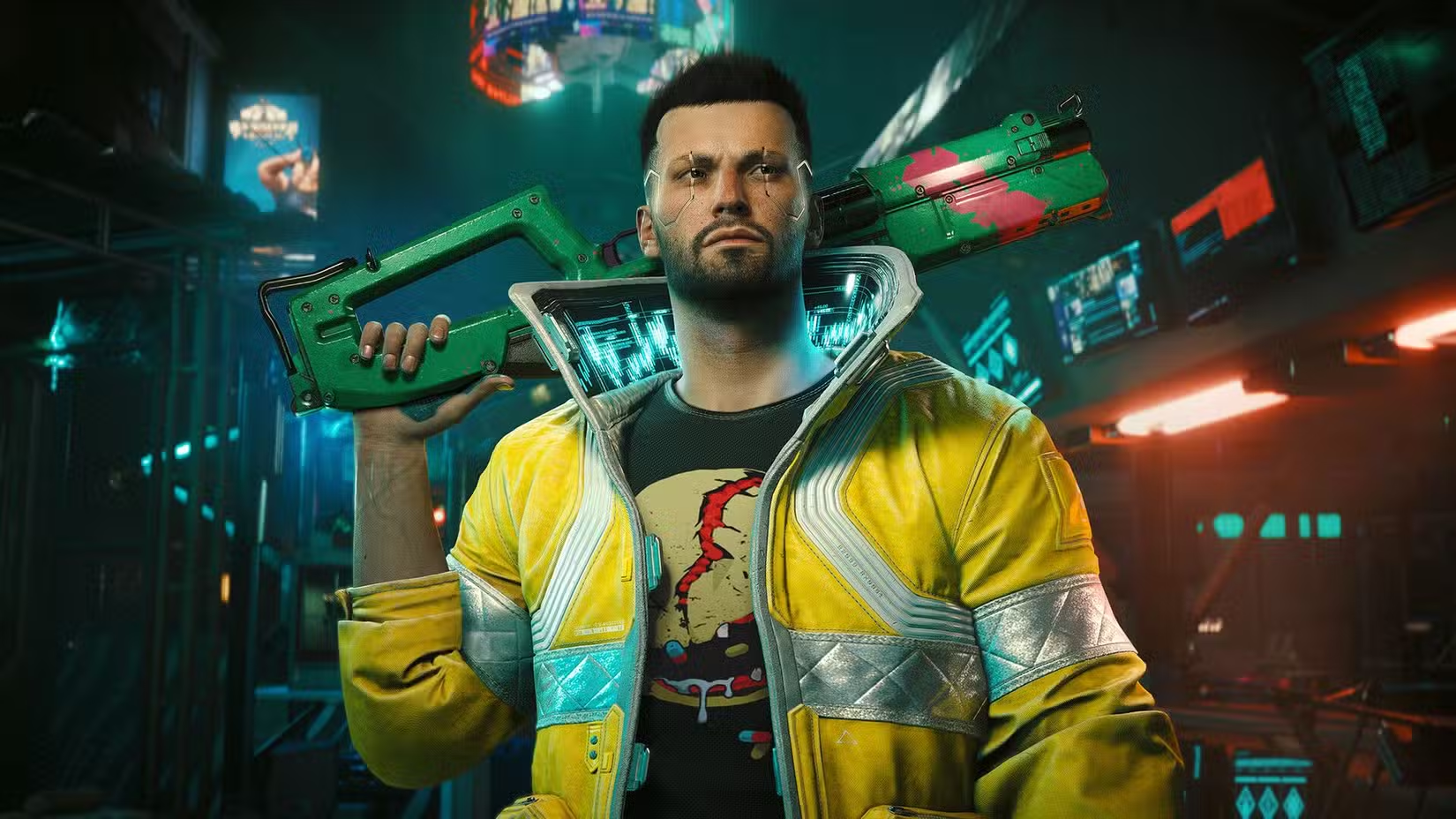

Cyberpunk Orion's 'Lifepath' Overhaul: What We Learned From Saturday's Deep Dive
Cyberpunk 2077 gave players three identities before they ever stepped into Night City.
Nomad.
Street Kid.
Corpo.
On paper, that choice was supposed to define V's relationship with the world. In practice, the differences became much smaller once the opening chapters were over.
That is something CD Projekt Red itself has acknowledged.
Narrative Director Philipp Weber previously said the studio wanted to improve lifepaths in the sequel because the original game did not fully deliver on the promise of making them meaningfully different.
That makes the idea of a much deeper Corporate lifepath particularly interesting.
But there is an important distinction between what CD Projekt Red has actually confirmed and what the latest discussion around Cyberpunk Orion is imagining.
There is no verified evidence of a Saturday broadcast revealing a complete Corporate lifepath overhaul or a new endgame economy system.
What we do know is that Cyberpunk 2, previously known as Project Orion, has moved into pre-production, and CD Projekt Red has already indicated that the sequel intends to push the Cyberpunk universe further.
So rather than treating the rumored Saturday deep dive as a confirmed gameplay reveal, the more interesting question is this:
What would happen if CD Projekt Red finally made your lifepath matter all the way to the end of the game?
And the Corporate path may be where that experiment becomes most visible.
────────────────────────────────────────
────────────────────────────────────────
The Lifepath Problem Cyberpunk 2077 Never Fully Solved
The biggest problem with Cyberpunk 2077's lifepaths was not that they were badly designed.
It was that they ended too quickly.
Choosing Corpo gave V a fascinating introduction to Night City's corporate machine. You immediately understood how Arasaka's world worked, who had power and how disposable employees could be.
Nomad provided a completely different perspective, introducing V as an outsider arriving from the Badlands.
Street Kid placed V directly inside Night City's criminal ecosystem.
The problem was what happened afterward.
The three characters gradually converged into essentially the same protagonist.
There were special dialogue options. There were occasional unique interactions. But the choice rarely changed the fundamental structure of the game.
CD Projekt Red's own developers have acknowledged that this was an area they wanted to improve.
That creates a very different possibility for Cyberpunk 2.
Instead of asking:
"Which background do you want?"
the sequel could effectively ask:
"Which part of Night City do you belong to?"
That is a much bigger design decision.
────────────────────────────────────────
Why the Corporate Path Is Especially Interesting
The Corpo background has something the other lifepaths do not.
It naturally connects the player to money.
Not just cash in a wallet, but contracts, information, influence, corporate relationships and access.
Imagine if that identity remained mechanically relevant throughout the entire game.
A Corporate V might have access to financial networks unavailable to a Street Kid.
They might recognize executives, understand corporate negotiations, exploit internal rivalries or gain access to restricted markets.
Instead of simply receiving a special dialogue option, the player could actually approach missions differently.
A deal could be negotiated before a gunfight.
A corporation could become a financial partner.
A rival executive could become an enemy.
An acquisition could change who controls a district.
And suddenly the economy of Night City would stop being background decoration.
It would become part of the role-playing system.
────────────────────────────────────────
────────────────────────────────────────
The Endgame Economy Could Become the Real Lifepath
This is where the Corporate path gets genuinely interesting.
Cyberpunk 2077 already has an economy.
You earn money through gigs.
You buy weapons.
You purchase cyberware.
You acquire vehicles.
You spend money on equipment and upgrades.
But the economy is largely a supporting system rather than the foundation of the role-playing experience.
A deeper lifepath system could change that.
Instead of simply becoming richer, the player could gain access to different economic ecosystems.
A Corporate character could potentially make money through contracts and investments.
A Street Kid might rely more heavily on fixers, underground deals and criminal contacts.
A Nomad could potentially benefit from transportation, smuggling or regional relationships.
The important part is not necessarily adding a stock market.
It is making where you came from influence how you make money.
That would make the player's identity relevant even after dozens of hours.
| Lifepath | Possible economic identity | Potential endgame impact |
|---|---|---|
| Corpo | Contracts, corporate relationships, information | Access to high-level deals |
| Street Kid | Fixers, gangs, underground markets | Better access to illicit opportunities |
| Nomad | Logistics, transport, regional networks | Greater influence outside the city |
| Shared systems | Weapons, cyberware, vehicles | Core progression remains available |
These are potential design directions, not confirmed features of Cyberpunk 2.
And that distinction matters.
────────────────────────────────────────
Night City Could Finally Feel Like an Economy Instead of a Shopping Menu
One of Cyberpunk 2077's biggest missed opportunities was the relationship between its fictional economy and the player's actual progression.
Night City is supposed to be a hyper-capitalist dystopia.
Corporations control enormous amounts of wealth.
Gangs control territory.
Fixers connect criminals to clients.
Manufacturers control technology.
Mercenaries like V operate somewhere between all of them.
Yet the player's financial progression mostly comes down to earning enough eddies to buy better equipment.
A more sophisticated sequel could turn those relationships into systems.
Imagine completing a mission for a corporation and receiving a long-term contract.
That contract could give you access to certain vendors.
Those vendors could offer different equipment.
That equipment could unlock different mission strategies.
Those missions could increase your reputation with another faction while damaging your relationship with a rival.
Now the economy is affecting the story.
The story is affecting the economy.
And the lifepath is affecting both.
That is the kind of interconnected RPG design Cyberpunk Orion could use to distinguish itself from its predecessor.
────────────────────────────────────────
────────────────────────────────────────
But There Is a Bigger Change Coming to the World
There is another reason the Corporate lifepath theory is interesting.
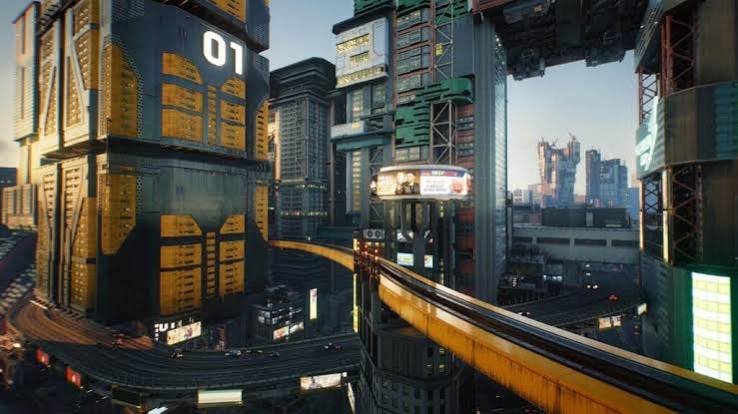
Cyberpunk 2 may not be restricted entirely to the version of Night City players already know.
Mike Pondsmith, creator of the original Cyberpunk tabletop universe, has previously said that the sequel will include another city while Night City remains part of the game. He described the new location as having a very different feel, comparing its atmosphere to "Chicago gone wrong."
That could have major implications for lifepaths.
If the sequel has multiple major urban environments, the player's background could potentially determine how they navigate each one.
A Corporate character who understands the political machinery of one city might be completely out of their depth somewhere else.
A Nomad could have advantages moving between regions.
A Street Kid might understand informal networks that corporations cannot penetrate.
Again, these are possibilities, not confirmed systems.
But they demonstrate why a deeper lifepath system could become much more important in the sequel than it was in Cyberpunk 2077.
────────────────────────────────────────
The Best Version of the Corpo Lifepath Would Not Just Give You More Money
There is an easy mistake CD Projekt Red could make.
Give Corpo players more money.
Give them cheaper corporate equipment.
Give them exclusive dialogue.
Call it a day.
That would technically make the lifepath more powerful, but it would not necessarily make it more interesting.
The better solution would be to make the Corporate identity create different problems.
Money should open doors.
It should not automatically solve everything.
A corporate connection could give you access to a restricted facility, but accepting the deal might anger another faction.
A corporate contract could provide enormous financial rewards while forcing you to betray an ally.
Information could be more valuable than weapons.
A player could manipulate a market without ever firing a shot.
That would fit Cyberpunk's themes far better than simply handing the player a bigger bank balance.
The Economy Should Create Choices
The most interesting RPG economies are not about accumulating the largest number.
They are about forcing players to decide what they are willing to sacrifice.
Would you rather take a huge corporate contract or protect a smaller independent business?
Would you sell information that could destabilize a faction?
Would you invest in a company that is secretly exploiting a district?
Would you use corporate resources to help someone who technically works for your enemy?
Those decisions could make the economy part of the narrative.
And that is where lifepaths finally become meaningful.
────────────────────────────────────────
────────────────────────────────────────
What We Actually Know About Cyberpunk 2 Right Now
The confirmed picture is much smaller than the rumor cycle might suggest.
CD Projekt Red announced Project Orion as the follow-up to Cyberpunk 2077 and established a North American development team in Boston, with experienced Cyberpunk developers leading the project.
In 2025, the project completed its conceptual phase and moved into pre-production under the name Cyberpunk 2.
CD Projekt Red has also said that it wants its games to offer complex, nonlinear experiences focused on deep storytelling and player choice.
Most importantly for this discussion, CD Projekt Red has already acknowledged the limitations of Cyberpunk 2077's original lifepath system.
That is the strongest foundation for expecting change.
What has not been officially established is a detailed Corporate economy, an endgame financial system, a Saturday deep-dive presentation revealing these mechanics, or a finalized set of lifepath-specific economic features.
Those remain speculation until CD Projekt Red shows them.
────────────────────────────────────────
Why the Corporate Lifepath Could Change the Entire RPG
The real potential here goes beyond Corpo players.
If CD Projekt Red successfully connects lifepaths to the economy, it could create a much more reactive Night City.
Your background would determine who trusts you.
Your relationships would determine what opportunities appear.
Your economic decisions would influence factions.
Those factions could alter missions.
And missions could change the city's economic landscape.
That is a much more ambitious system than simply choosing between three different opening cinematics.
It would also make replaying the game substantially more interesting.
Instead of replaying the same campaign with a different voice line here and there, players could experience completely different routes through the same city.
The Corporate playthrough could become a story about influence.
The Street Kid playthrough could focus on relationships.
The Nomad playthrough could emphasize mobility and independence.
The main story could remain recognizable while the player's route through it changes dramatically.
That is exactly the kind of role-playing depth the original lifepath system promised but did not consistently deliver.
────────────────────────────────────────
────────────────────────────────────────
Final Take
Cyberpunk Orion does not yet have a confirmed Saturday reveal showing a completely rebuilt Corporate lifepath or a new endgame economy.
But CD Projekt Red has given fans a legitimate reason to expect lifepaths to receive more attention.
The studio has acknowledged that the original system did not fully deliver on its promise, while Cyberpunk 2 has now progressed into pre-production.
That leaves a fascinating design question for the sequel.
What happens when your background does not stop mattering after the prologue?
If the Corporate path can influence who you work for, how you earn money, which factions trust you, what information you can access and which missions become available, then the economy of Night City could become part of the RPG rather than simply another progression system.
And that could be the real evolution CD Projekt Red needs.
Not a bigger bank account.
Not another dialogue option.
Not another three-minute lifepath introduction.
A Night City that remembers who you chose to become.