
Cronos: Lazarus Combat Breakdown: How Teleportation Turns Survival Horror into a Scramble
Cronos: The New Dawn made its name on tension.
Scarce ammo. Careful movement. Burn the bodies or regret it later.
Cronos: Lazarus throws almost all of that out.
This new expansion swaps slow, deliberate survival horror for something closer to a frantic, teleporting brawl, and the shift is deliberate, not accidental.
Here is exactly how the new combat loop works, and why it fundamentally changes what a Cronos encounter feels like.
The Trend: A Different Character, A Different Game
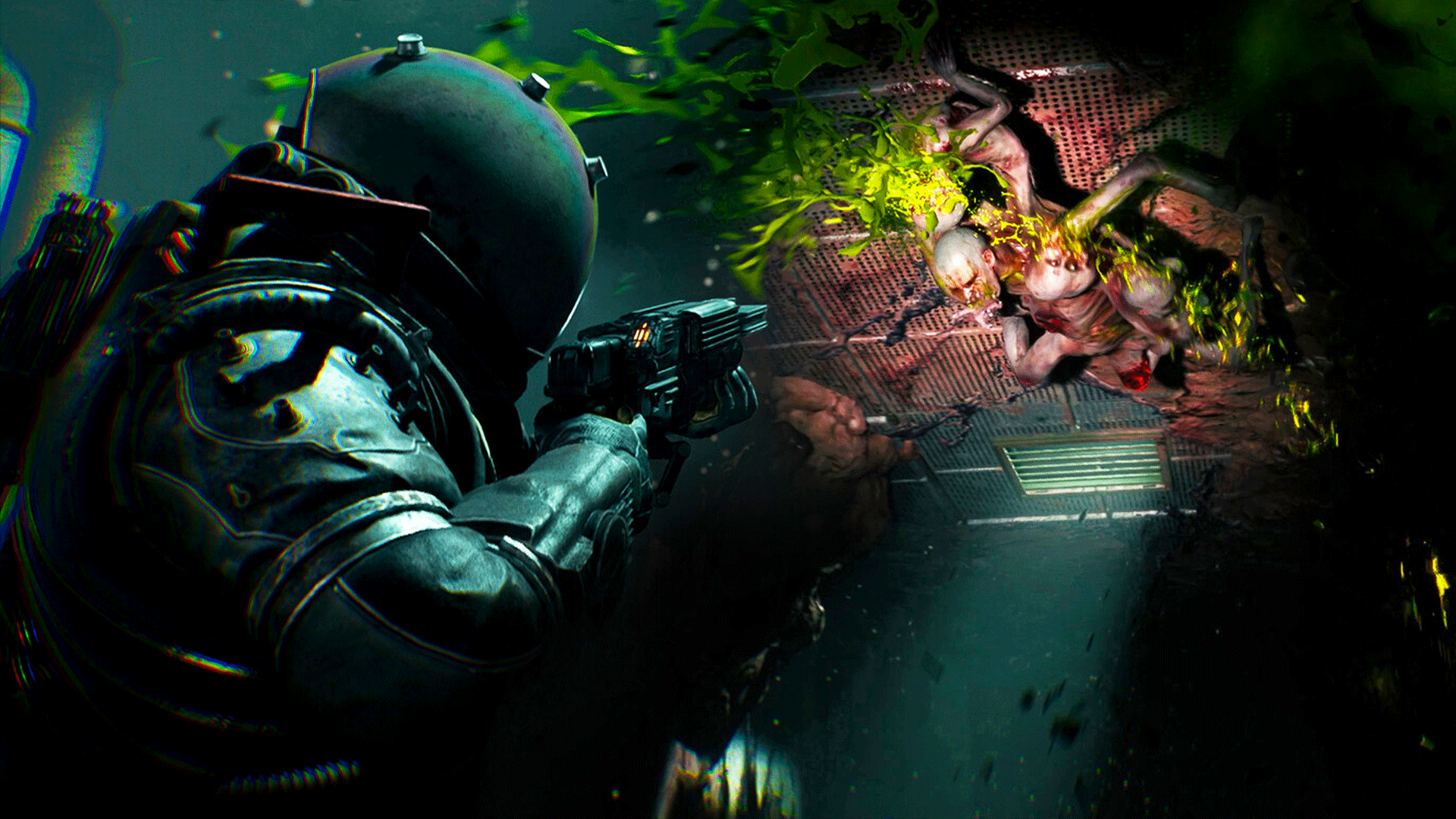
According to TechTimes' breakdown of the Gamescom reveal, Cronos: Lazarus is a paid expansion for Cronos: The New Dawn.
It is scheduled to arrive in fall 2026.
This time, players do not control the Traveler.
Quick facts on the expansion:
- Playable character: the Warden, a recognizable supporting figure from the base game
- Release window: fall 2026
- Format: paid expansion, not a full standalone sequel
- Core design shift: replacing resource scarcity with speed and aggression
That character swap is not cosmetic.
Bloober Team built an entirely different combat philosophy around this new protagonist.
What the Original Game Demanded From Players
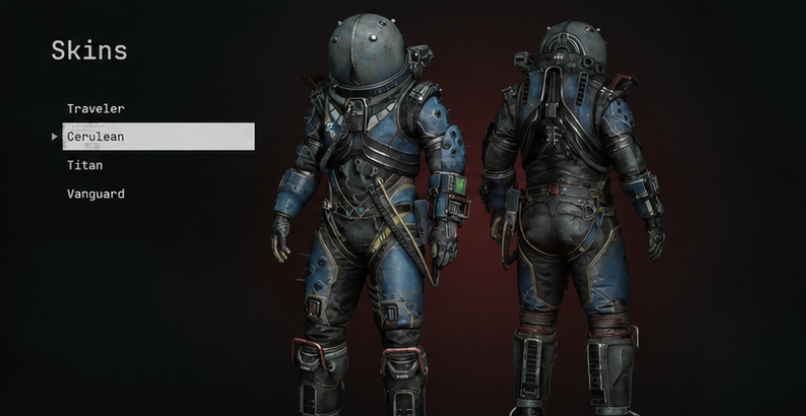
To understand what changed, it helps to remember what Cronos: The New Dawn actually asked of players.
According to Bloober Team's official game page, the core loop centered on one brutal rule.
Burn the bodies. Or regret it later.
The original Traveler's survival loop:
- Ammunition was scarce and had to be rationed carefully
- Downed enemies could be absorbed by other enemies through a mechanic called Merging
- Merged enemies became faster, stronger, and gained new abilities
- A flamethrower let players burn corpses to prevent that merging, using yet another limited resource
Every fight was a math problem.
Is it worth spending fuel to burn this body. Can I afford to let it merge. Do I have enough ammo left to handle what comes next.
That tension was the entire point, as shown clearly in Bloober Team's original gameplay trailer, which introduced the Merging mechanic to players for the first time.
What the Pathfinder Toolkit Actually Does
Lazarus deletes that math problem almost entirely.
According to the same TechTimes report, the Warden's abilities come from what Bloober Team calls the Pathfinder toolkit, built around three synergistic tools.
The three core Pathfinder abilities:
- Teleportation, an instant tool for closing distance or escaping danger
- Decoy, a temporary illusion that draws enemy attention away from the real target
- Gladius, a melee weapon built for fast, aggressive strikes
None of these existed in the original game's kit.
Why Teleportation Changes Everything
Distance used to matter in Cronos.
The Traveler had to read spacing carefully, since closing distance on a dangerous enemy came with real risk.
The Warden does not have that problem.
How teleportation reshapes basic encounter logic:
- Distance becomes something the player controls at will, not something they have to carefully manage
- Enemies can be approached, repositioned around, or abandoned almost instantly
- Positioning mistakes are no longer permanent, since a teleport can undo bad spacing immediately
- Combat pacing speeds up dramatically, since there is no slow, cautious approach phase
Note: Bloober Team has been direct about this being an intentional design choice, not a compromise. The original Traveler's power was deliberately constrained by resource scarcity, which built tension but also frustrated some players. Lazarus removes that friction on purpose, trading dread for speed.
The Decoy Into Teleport Combo
Here is where the actual signature combat loop takes shape.
According to Bloober Team's developer diary, cited in TechTimes' report, the Decoy and Teleportation abilities are designed to work together directly.
How the core combat sequence plays out:
- Deploy a Decoy to project a false target and pull enemy attention
- Teleport behind the now distracted enemy group
- Execute rapid melee strikes with the Gladius while enemies are still confused
- Reposition again if needed, using teleportation to escape or set up another strike
That sequence, Decoy into Teleport into attack, is described as the expansion's actual core loop.
It is not one tool among many. It is the primary way players are expected to approach most encounters.
How Enemies Had to Change to Keep Up
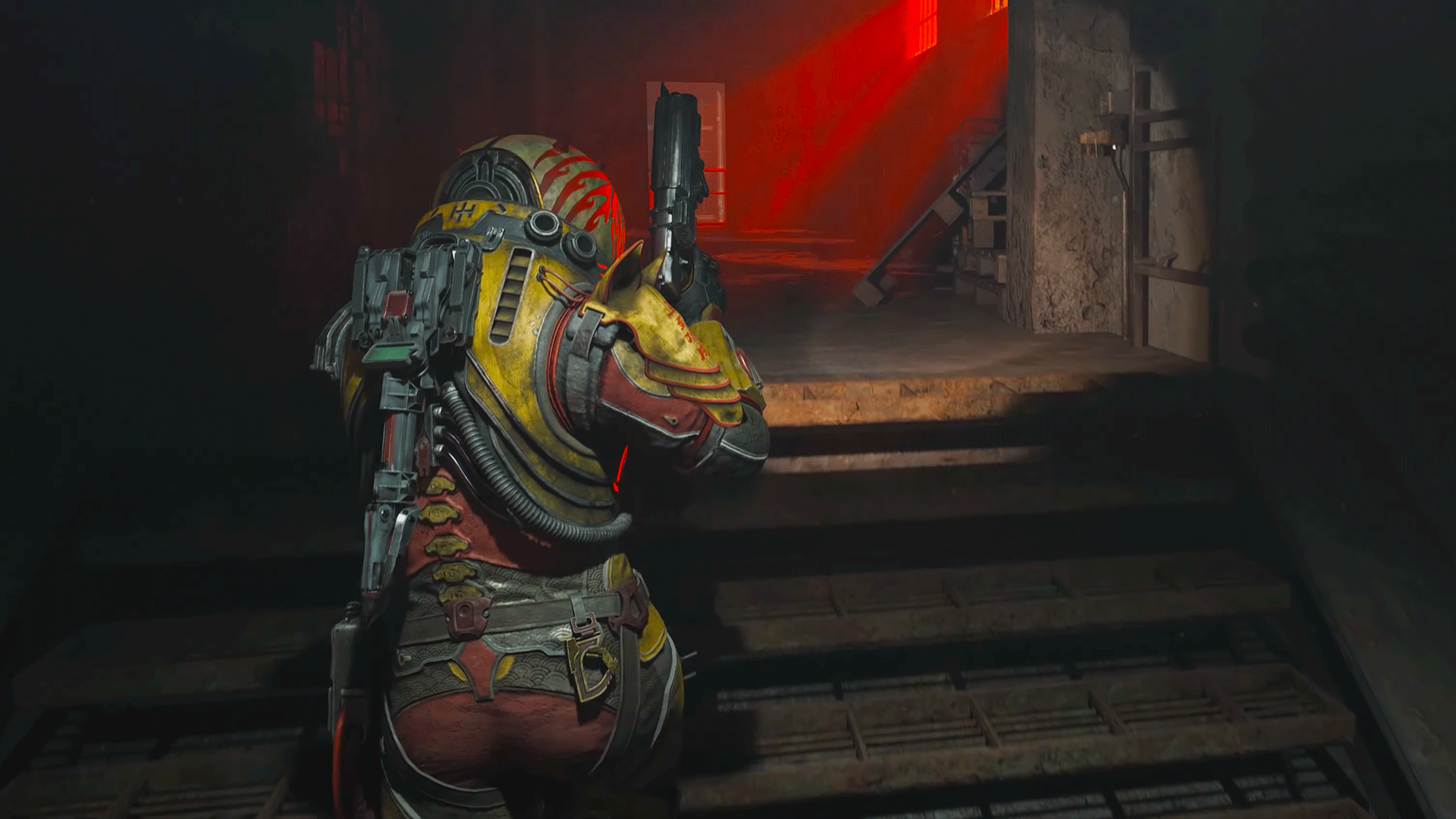
Giving a player this much mobility creates an obvious problem.
If the Warden can simply teleport away from any danger, what actually threatens them?
Bloober Team's answer was building a new enemy specifically designed to match that power level.
The new threat introduced alongside the Pathfinder kit:
- A Tracker enemy engineered specifically to counter the Warden's mobility
- Built with the explicit design goal of matching his speed and aggression
- Represents a shift from the original game's slower, more methodical threats
- Forces players to actually use their full toolkit, rather than just teleporting past every problem
That design decision matters a lot for balance.
A fast, teleporting protagonist facing only slow, lumbering enemies would feel trivial almost immediately. Building a genuine counter-threat keeps the new aggressive loop from becoming mindless.
Scarcity vs Speed: Two Very Different Kinds of Tension
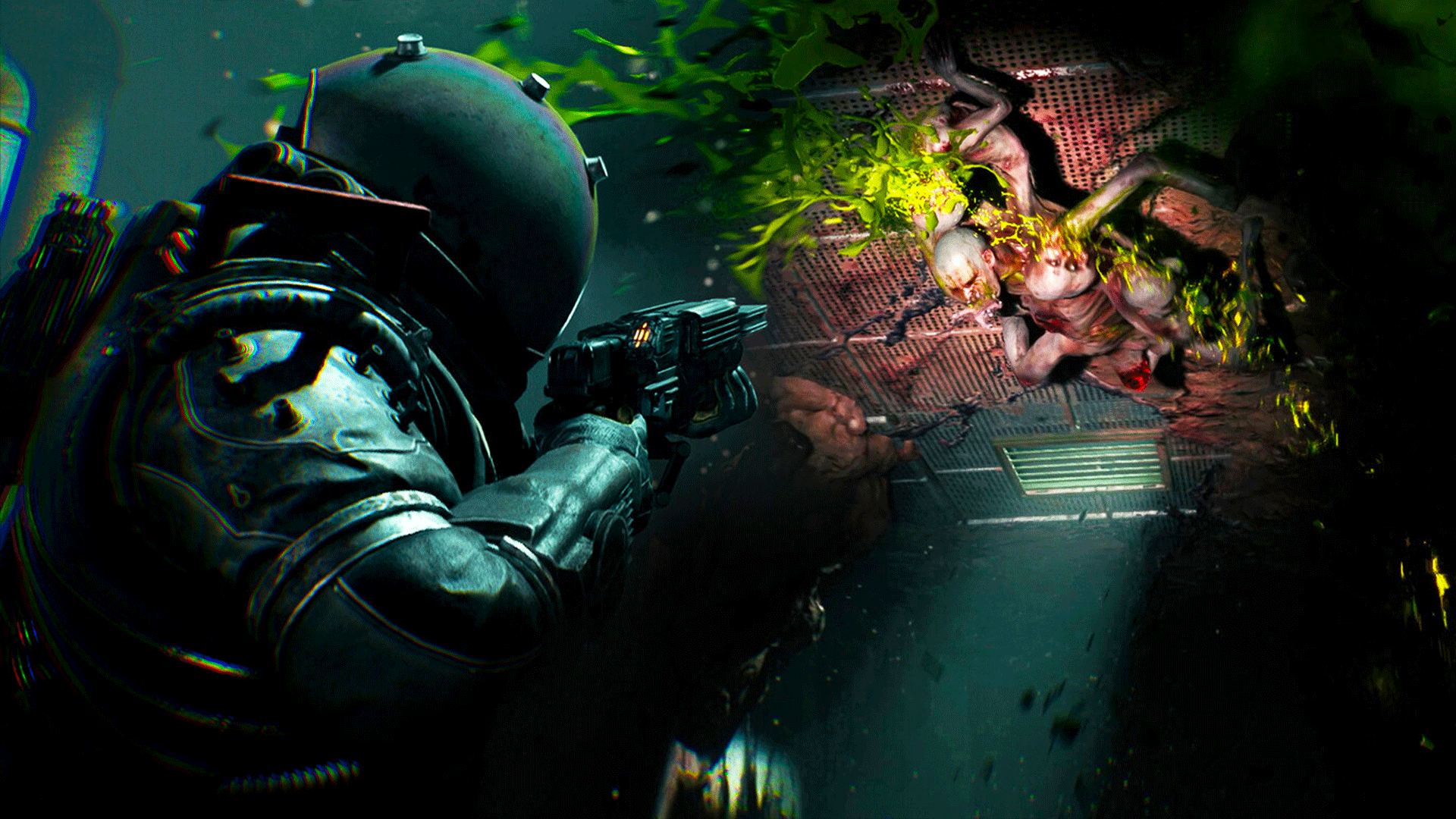
It is worth being direct about what Cronos: Lazarus actually trades away.
The original game's tension came from limitation. Not enough ammo. Not enough fuel. Every decision carried real weight because resources were finite.
What tension looks like in each version of the game:
- The New Dawn: tension from scarcity, careful resource math, and the constant threat of Merging
- Lazarus: tension from speed, reaction time, and staying ahead of a Tracker built to match the player's own power
Neither approach is inherently better.
They are simply different kinds of pressure, aimed at different kinds of players.
Someone who loved the original's slow dread might find Lazarus's pace exhausting. Someone who found the original frustratingly restrictive might find this expansion far more satisfying.
Why This Shift Makes Sense for an Expansion
Building an entire expansion around a different combat philosophy is a genuinely bold move.
It also makes structural sense, once you consider what expansions are usually for.
Reasons this pivot works well as expansion content specifically:
- It gives returning players a genuinely different experience, not just more of the same content
- It lets Bloober Team experiment with a design direction without abandoning the base game's identity
- Playing as a different character justifies a completely different power fantasy
- It broadens the audience, potentially appealing to players who bounced off the original's slower pacing
That last point is worth sitting with.
Survival horror is a genre with a real ceiling on mainstream appeal, precisely because scarcity and slowness frustrate some players by design. An aggressive, mobility-driven spin-off widens who might actually enjoy spending time in this world.
FAQ
What is Cronos: Lazarus? A paid expansion for Cronos: The New Dawn, releasing fall 2026, that shifts the game from resource-scarce survival horror to fast, aggressive combat.
Who do you play as in Lazarus? The Warden, a recognizable supporting character from the base game, rather than the original protagonist, the Traveler.
What are the Warden's core abilities? Teleportation for instant repositioning, Decoy for drawing enemy attention, and the Gladius melee weapon for fast, aggressive strikes.
Does the original Merging mechanic still apply in Lazarus? The expansion's reported design focus centers on teleportation and aggression rather than the original's resource-based Merging and burning mechanic.
Do enemies get tougher to match the Warden's new speed? Yes. A new enemy called the Tracker was built specifically to counter the Warden's mobility and keep encounters genuinely threatening.
Final Takeaway
Cronos: Lazarus is not a small content patch.
It is a genuine reinvention of what a Cronos encounter feels like.
The original game built dread through scarcity, forcing players to weigh every bullet and every drop of fuel against the risk of letting enemies merge into something worse.
Lazarus throws that entire framework out.
Teleportation removes the fear of bad positioning.
Decoy turns every group of enemies into a puzzle to manipulate, not just survive.
The Gladius rewards closing distance instead of maintaining it.
Whether that trade works depends entirely on what kind of tension a player actually wants from this world.
Bloober Team clearly bet that offering both options, inside the same universe, is stronger than forcing every player through one fixed pace.
Given how different these two combat philosophies genuinely are, that bet is either going to feel like the smartest expansion design of the year, or a confusing identity crisis for the franchise.
Fall 2026 will settle which one it actually is.