
Gaming has evolved dramatically over the past few decades. From pixelated arcade machines and cartridge-based consoles to high-end gaming PCs capable of rendering lifelike worlds, technology has consistently pushed the industry forward. Today, another major innovation is changing how people access and experience games—cloud gaming. Instead of relying on expensive hardware, cloud gaming allows players to stream games directly over the internet, much like watching a movie on a streaming platform.
As internet speeds improve and cloud infrastructure becomes more powerful, cloud gaming is becoming increasingly accessible to millions of players worldwide. Major technology companies and gaming platforms have invested heavily in this technology, believing it could transform the gaming landscape. But is cloud gaming truly the future of gaming, or is it simply another option among many? The answer lies in understanding both its strengths and its challenges.
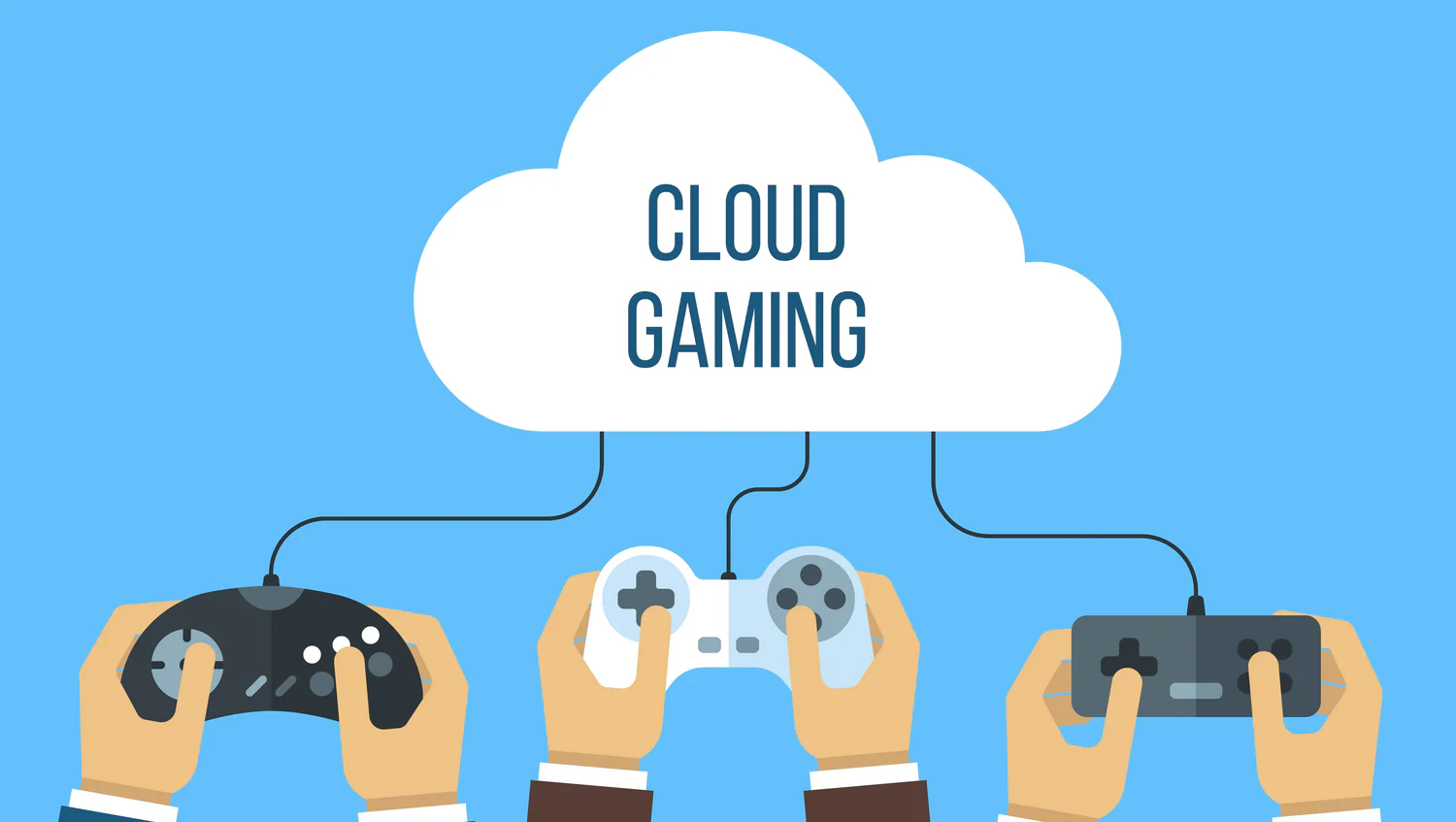
At its core, cloud gaming works by running games on powerful remote servers rather than on a player's local device. The game is processed in a data center, while the video output is streamed to the user's screen in real time. Inputs from a controller, keyboard, or touchscreen are instantly transmitted back to the server, creating an interactive gaming experience without requiring a high-performance gaming system at home.
One of the biggest advantages of cloud gaming is its accessibility. Traditionally, playing the latest AAA titles required purchasing expensive gaming consoles or powerful PCs equipped with modern graphics cards and processors. Cloud gaming changes this equation by allowing players to run demanding games on basic laptops, tablets, smartphones, smart TVs, or even low-end computers. As long as users have a stable internet connection, they can enjoy games that would otherwise require costly hardware upgrades.
Another significant benefit is cost efficiency. Gaming hardware has become increasingly expensive, especially with rising prices for graphics cards and gaming laptops. Cloud gaming reduces this barrier by shifting the computational workload to remote servers. Instead of spending hundreds or even thousands of dollars on new equipment every few years, gamers can subscribe to cloud gaming services for a monthly fee and access an extensive library of games. This subscription-based approach resembles how streaming services revolutionized the entertainment industry.
Instant access to games is another feature that appeals to modern gamers. Traditional gaming often involves lengthy downloads, software updates, and storage management. Many modern games exceed 100 GB in size, consuming valuable storage space and requiring hours to download. Cloud gaming eliminates these issues because games are already installed and updated on remote servers. Players can simply click and begin playing within seconds, making gaming more convenient than ever before.
Cloud gaming also supports cross-device gaming, allowing users to switch seamlessly between different devices without losing progress. A player can start a game on a desktop computer, continue it on a smartphone during travel, and later resume on a smart TV at home. This flexibility aligns perfectly with today's digital lifestyle, where users expect seamless experiences across multiple devices.
For developers and publishers, cloud gaming presents new business opportunities as well. Since games are executed on centralized servers, developers have greater control over updates, patches, and security. Piracy becomes more difficult because the game's core files remain on secure servers rather than being downloaded to users' devices. Developers can also release updates instantly without requiring players to install large patches manually, ensuring everyone plays the latest version.
The technology also has the potential to make gaming more inclusive and affordable. People who cannot afford high-end gaming hardware may now access premium gaming experiences using devices they already own. This democratization of gaming could significantly expand the global gaming audience, particularly in emerging markets where gaming hardware remains prohibitively expensive.
However, despite its impressive advantages, cloud gaming still faces several important challenges. The biggest limitation is its heavy dependence on a fast and stable internet connection. Unlike video streaming, gaming requires extremely low latency because every button press must be transmitted to the server and reflected on the screen almost instantly. Any delay, commonly known as input lag, can negatively affect gameplay, especially in competitive multiplayer games or fast-paced action titles.
Internet infrastructure also varies greatly across different regions. While some urban areas enjoy high-speed fiber broadband and advanced 5G networks, many rural or developing regions still struggle with slow or unreliable internet connections. Until global internet infrastructure becomes more consistent, cloud gaming may not deliver the same high-quality experience for everyone.
Another concern is high data consumption. Streaming games at 1080p or 4K resolution requires substantial bandwidth. Players with limited internet data plans may quickly exceed their monthly limits after just a few gaming sessions. This makes cloud gaming less practical in regions where unlimited broadband is unavailable or expensive.
Game ownership is another topic of debate. Traditional gaming allows players to purchase physical copies or permanently download digital games that remain accessible even after years. Cloud gaming often operates through subscription-based services, meaning users generally lose access to games if they cancel their subscription or if a title is removed from the platform's library. Many gamers still value permanent ownership, making them hesitant to rely entirely on cloud services.
Competitive gaming and esports also present unique challenges for cloud gaming. Professional players require ultra-responsive controls and minimal latency, where even milliseconds can determine the outcome of a match. Although cloud technology continues to improve, local gaming hardware still provides the lowest latency and most consistent performance, making it the preferred choice for professional esports players.
Privacy and server dependence also deserve consideration. Since cloud gaming relies on remote data centers, outages, maintenance, or service discontinuation can temporarily prevent players from accessing their games. Unlike locally installed titles, cloud-based games cannot be played if the service itself becomes unavailable, making users dependent on the platform provider.
Despite these obstacles, the future of cloud gaming remains highly promising. Advances in fiber-optic broadband, Wi-Fi technology, edge computing, artificial intelligence, and 5G networks are steadily reducing latency while increasing streaming quality. AI-powered optimization can predict network conditions, reduce lag, and improve image quality without requiring excessive bandwidth.
Rather than replacing traditional gaming entirely, cloud gaming is more likely to coexist with consoles, gaming PCs, and handheld devices. Many players will continue to prefer dedicated hardware for maximum performance, offline play, and game ownership. Others will embrace cloud gaming for its convenience, affordability, and flexibility. Just as video streaming services now exist alongside physical media rather than replacing them completely, cloud gaming is likely to become another major way people enjoy games.
Ultimately, cloud gaming represents one of the biggest technological shifts in the gaming industry. It lowers the barrier to entry, expands accessibility, simplifies game distribution, and allows players to enjoy high-quality gaming experiences on virtually any connected device. While internet infrastructure, latency, data usage, and ownership concerns remain important challenges, ongoing technological improvements continue to address these limitations.
Whether cloud gaming becomes the dominant way people play games or simply an equally important alternative, its influence on the gaming industry is undeniable. As technology continues to evolve and global connectivity becomes faster and more reliable, cloud gaming is well-positioned to shape the future of interactive entertainment, making premium gaming experiences accessible to players everywhere.
Comments
Sign in to join the conversation
Sign inNo comments yet
Be the first to share your thoughts!