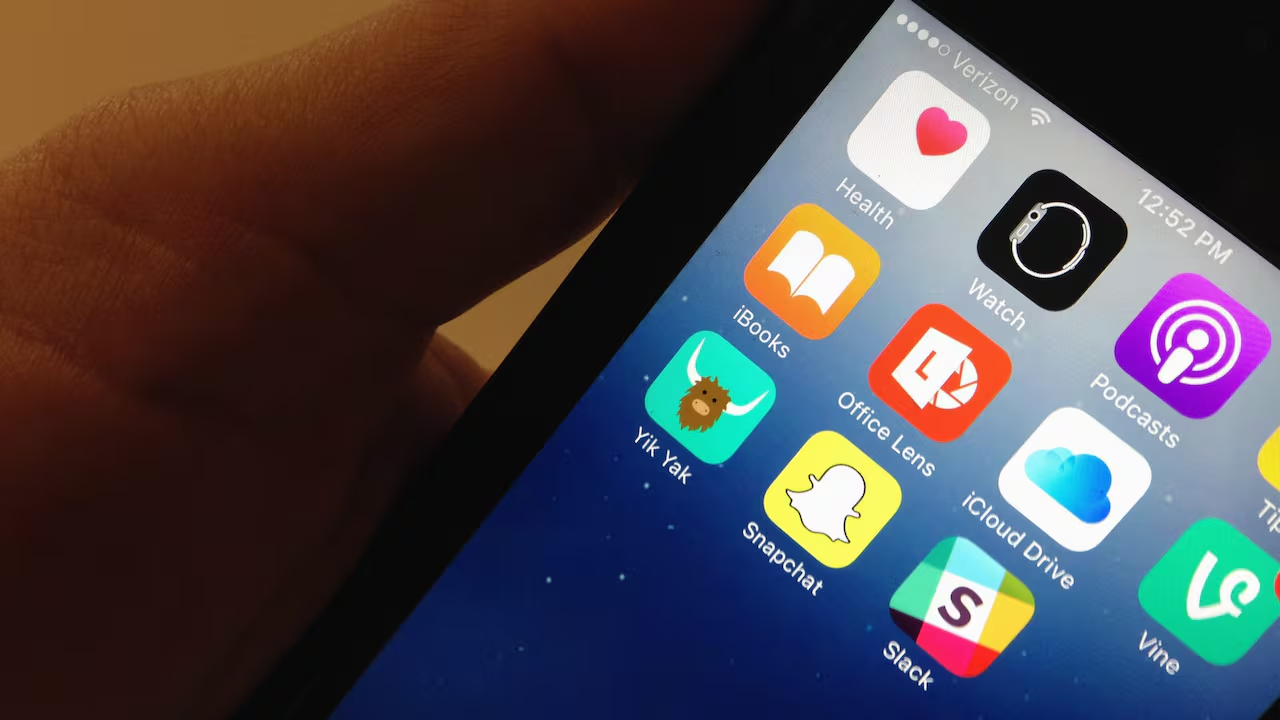

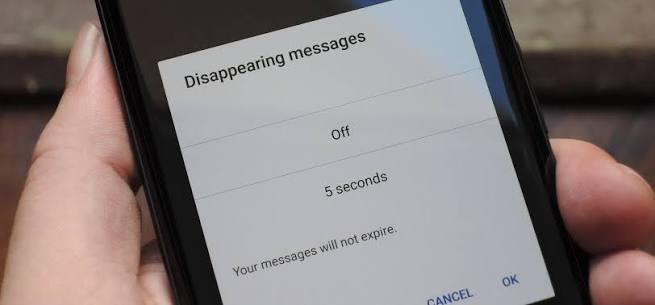
For years, disappearing messages created the illusion that content could simply vanish.
It can't.
A screenshot, screen recording, second phone or repost can turn a supposedly temporary post into something permanent and the growing controversy around the burnerverse has put that problem under a microscope.
Recent reporting has documented how anonymous networks have been used to circulate intimate images and rumors about college women, including material that was allegedly shared without the subjects' consent.
Now, privacy protections are becoming a much bigger part of the conversation.
What Is the Burnerverse?
The term "burnerverse" generally refers to loosely connected anonymous or pseudonymous social-media accounts, particularly communities built around burner accounts and campus or sports culture.
The attraction is obvious.
Users can post without attaching their everyday identity to every comment.
But anonymity can also create a serious moderation problem.
When users believe they are difficult to identify, conversations can move from jokes and rumors into harassment, doxxing and the distribution of private material.
Recent reporting has brought renewed attention to this ecosystem after documenting cases involving non-consensual intimate imagery, particularly among college communities.
The important distinction is that the problem isn't anonymity itself.
It's what happens when anonymity is combined with content that violates another person's privacy or consent.
Why Screen Recording Has Suddenly Become Such a Big Deal?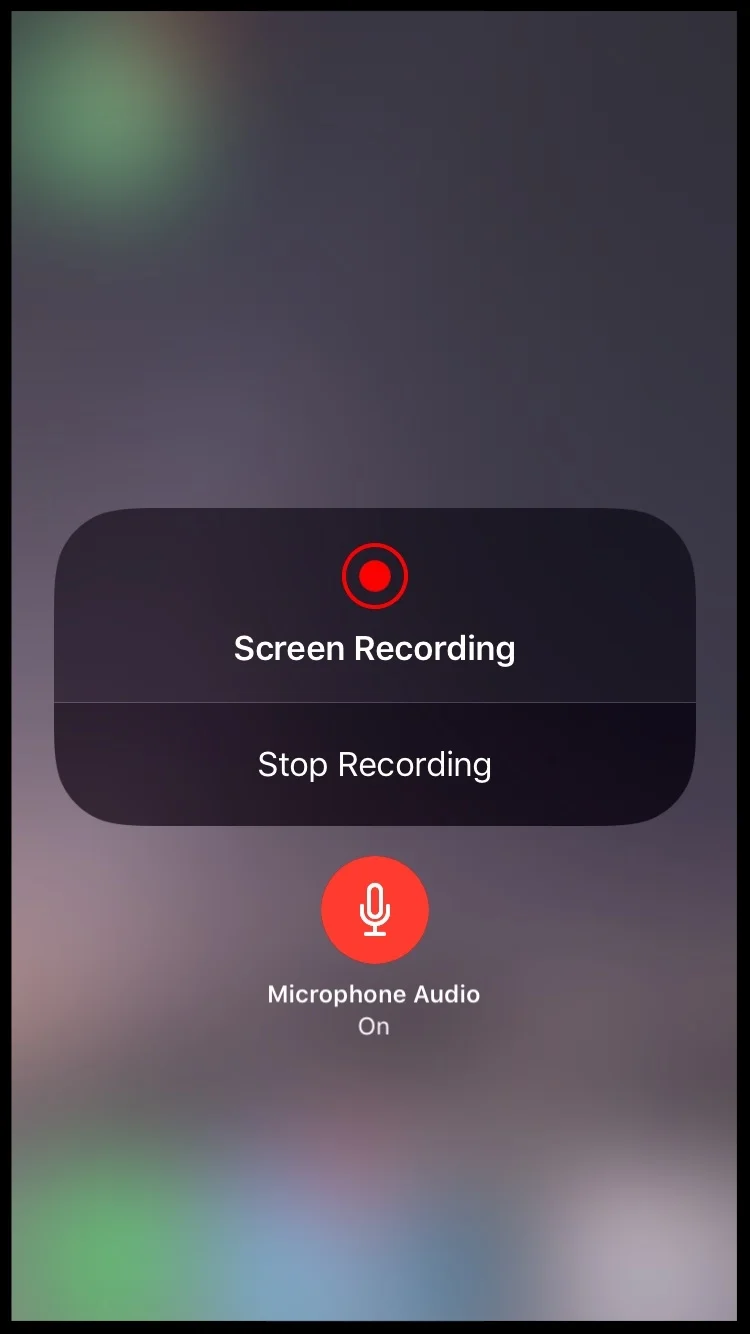
Screen recording sits directly at the intersection of privacy and usability.
For creators, recording a screen can be completely legitimate.
You might want to:
Save your own content.
Create a tutorial.
Document harassment.
Record a bug.
Produce commentary.
Archive something you posted yourself.
But the same technology can also be used to capture someone else's private content without permission.
That's why platforms have historically tried different approaches, including screenshot notifications, capture restrictions and content-reporting systems.
The Intimate Image Problem
The stakes become much higher when the content involves intimate imagery.
An intimate photograph might originally have been shared privately between two people.
That doesn't automatically give the recipient permission to redistribute it.
The same applies to screenshots of private conversations, videos or images that were never intended for public circulation.
This is why non-consensual intimate imagery (NCII) has become such an important category in platform safety policies.
The issue isn't simply whether an image exists.
It's whether the person depicted consented to the image being shared with the audience receiving it.
And once an image begins circulating across multiple platforms, removing every copy becomes considerably harder.
What Snapchat Is Doing About Privacy
Snapchat's privacy model has always had an important caveat:
Disappearing doesn't mean impossible to save.
Users can still capture content, including by using another device.
Snapchat's safety guidance explicitly warns users that other people can screenshot or otherwise capture Snaps.
That means the platform's privacy controls are better understood as risk-reduction tools, not an absolute guarantee that content cannot escape its original context.
At the same time, Snapchat provides dedicated reporting mechanisms for non-consensual intimate imagery.
That distinction matters.
The platform isn't simply dealing with screenshots.
It's dealing with what happens after private material is captured and distributed.
And Then There's YikYak
YikYak presents a different challenge because anonymity is central to its identity.
Anonymous campus-style conversation can encourage people to discuss experiences they might otherwise keep private.
But anonymity also makes moderation more complicated.
A post can spread rapidly while the original poster remains difficult for other users to identify.
That's especially problematic when the post contains personal information, sexual allegations or intimate imagery.
The result is a difficult balancing act:
How do you preserve anonymous expression without creating an easy distribution channel for privacy violations?
That's becoming one of the defining questions for anonymous social platforms.
Creators Are Changing How They Think About Privacy
The response isn't coming only from platforms.
Creators are changing their own behavior too.
Some are becoming more cautious about what appears in screenshots, while others are separating private communities from public-facing accounts.
The new mindset is simple:
If something appears on a screen, assume someone can eventually copy it.
That doesn't mean creators should stop posting.
It means they need to distinguish between content that is designed for public distribution and content that depends on privacy controls.
For creators dealing with sensitive material, that can mean:
Avoiding identifiable private information.
Using platform reporting tools quickly.
Keeping evidence of harassment without publicly redistributing harmful material.
Checking audience settings before posting.
Removing sensitive content when it no longer needs to remain online.
Being especially careful with content involving other people.
The New Privacy Rules Are About More Than Screenshots
It's tempting to reduce the entire debate to one question:
"Can I screen-record this?"
But that's not really the central issue.
The bigger question is:
"What am I allowed to do with what I capture?"
A screen recording of your own tutorial is fundamentally different from a recording of someone's private conversation.
A screenshot of a public announcement is different from a screenshot of an intimate image shared privately.
Technology can make both actions possible.
Consent and context determine why one can be ordinary and the other potentially abusive.
What Happens Next?
Expect platforms to keep experimenting with the balance between privacy and functionality.
That could involve stronger detection systems, more prominent reporting tools, restrictions around sensitive content and additional protections for people targeted by harassment.
But there is no technical solution that makes copying impossible.
Even if an app blocks a device's built-in recording function, someone can potentially use another camera.
That's why platform-level controls are only one layer of protection.
The other layers are consent, moderation, reporting and enforcement.
And as anonymous social networks continue to grow, those systems are likely to receive more scrutiny.
🎮 The Bottom Line
The burnerverse controversy isn't really just about screenshots.
It's about what happens when anonymous distribution meets permanent digital content.
For platforms such as Snapchat and YikYak, stronger privacy controls can help reduce abuse, but they can't solve the entire problem.
For creators, the practical lesson is even simpler:
Post with the assumption that anything displayed on a screen could eventually leave that screen.
The most important privacy protection isn't a single toggle.
It's understanding the difference between capturing content, sharing content and having permission to share it.
As platforms tighten their policies around intimate imagery, the creators who adapt fastest may be the ones who treat privacy as part of content creation—not an afterthought.
Have you noticed new screen-recording or privacy restrictions on Snapchat, YikYak or other social apps? What do you think platforms should change next? Let us know in the comments.