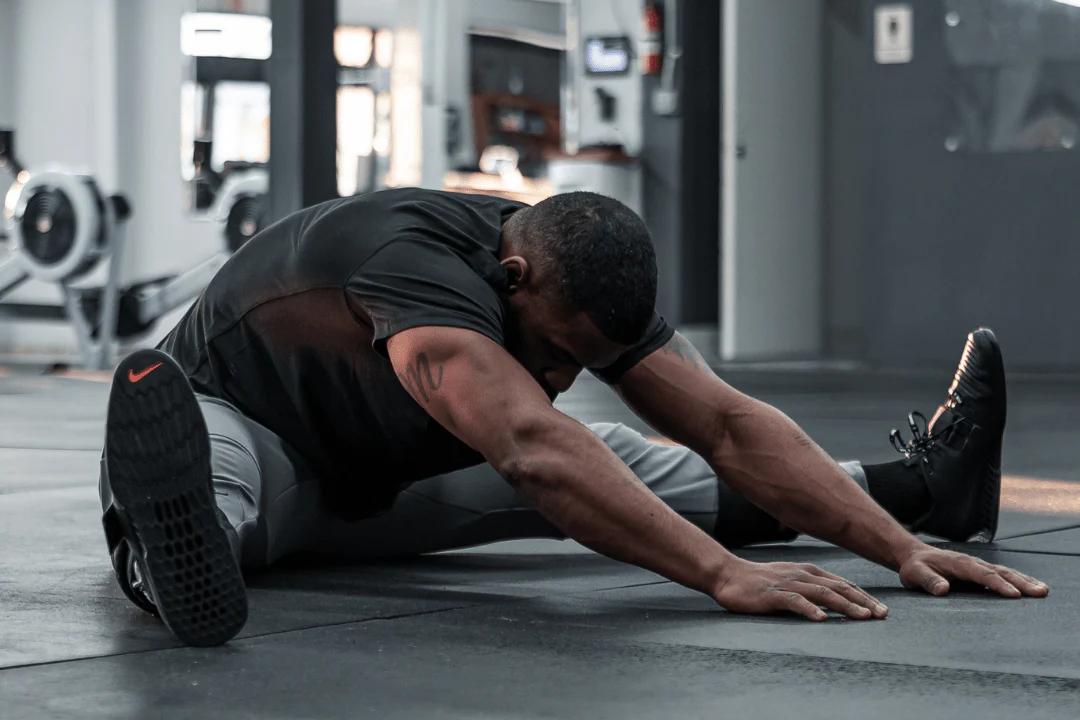

Every successful workout starts before the first exercise and continues even after the last repetition. While many people focus only on lifting heavier weights or running faster, they often overlook the importance of a proper warm-up and cool-down. These two simple yet essential parts of a workout can significantly improve performance, reduce the risk of injuries, enhance flexibility, and promote faster recovery. Whether you're a beginner or an experienced athlete, developing a consistent routine before and after exercise can help you get better results while keeping your body healthy.
A warm-up prepares your body for physical activity by gradually increasing your heart rate, boosting blood circulation, and raising your muscle temperature. As your muscles become warmer, they become more flexible and capable of producing greater force. At the same time, your joints receive more lubrication, making movement smoother and reducing stiffness. Warming up also activates your nervous system, allowing your brain and muscles to communicate more efficiently. This leads to better coordination, quicker reaction times, and improved overall athletic performance. Instead of shocking your body with sudden intense movement, a warm-up allows it to transition safely into exercise. An effective warm-up usually begins with light cardiovascular activity for two to three minutes. Simple exercises such as brisk walking, light jogging, cycling, jump rope, or jumping jacks are excellent choices because they gradually elevate the heart rate without causing fatigue. The goal is not to exhaust yourself but to prepare your body for more demanding activity.
After light cardio, dynamic stretching should become the focus. Unlike traditional stretches where you hold a position, dynamic stretches involve continuous movement that improves mobility while activating the muscles you'll use during your workout. Exercises like leg swings, arm circles, walking lunges, high knees, butt kicks, hip circles, and torso twists help increase your range of motion while preparing your body for exercise. Dynamic stretching is especially useful because it closely resembles the movements you'll perform during your workout, making your muscles more responsive and ready for action. The final stage of a warm-up should involve movement-specific exercises that mimic your actual workout. If you're planning to lift weights, performing a few bodyweight squats, glute bridges, push-ups, or light sets with an empty barbell can activate the exact muscle groups you'll train. Runners may benefit from short accelerations, skipping drills, or walking lunges, while athletes participating in sports can include side shuffles, quick direction changes, and short sprints. This final preparation helps improve muscle activation and reduces the likelihood of strains during more intense activity.
Just as warming up prepares the body for exercise, a proper cool-down helps the body safely transition back to its resting state. Many people finish a workout and immediately sit down or leave the gym, but suddenly stopping after intense exercise can leave blood pooling in the muscles and delay recovery. Cooling down allows your heart rate and breathing to return to normal gradually while maintaining healthy blood circulation throughout the body. A cool-down should begin with slow, gentle movement, such as walking or easy cycling, for two to three minutes. This gradual reduction in intensity helps prevent dizziness and supports the body's natural recovery process. It also assists in removing metabolic waste products from the muscles through continued circulation.
Following light movement, static stretching becomes the most important part of the cool-down. Since your muscles are already warm, they are more receptive to stretching, making this the ideal time to improve flexibility and reduce muscle tightness. Holding stretches for 20 to 30 seconds allows muscles to relax without bouncing or forcing movement. Stretching the hamstrings, quadriceps, calves, hip flexors, glutes, chest, shoulders, triceps, and back muscles helps restore muscle length and reduces post-workout stiffness. While stretching may not completely eliminate soreness, it contributes to maintaining mobility and improving overall recovery. Recovery doesn't stop once the cool-down is complete. Drinking plenty of water helps replace fluids lost through sweat and supports normal body functions. Consuming a balanced meal rich in protein and complex carbohydrates provides the nutrients needed for muscle repair and energy restoration. Many athletes also use foam rolling to reduce muscle tightness and improve mobility, while getting sufficient sleep remains one of the most effective ways to support muscle growth and overall recovery.
Unfortunately, many people make mistakes that reduce the benefits of warming up and cooling down. Some skip these routines entirely because they believe they save time, while others perform only a few quick stretches before immediately starting heavy exercise. Static stretching before intense activity may temporarily reduce muscle power, making dynamic movements the better option before workouts. Similarly, abruptly ending a workout without gradually reducing intensity can leave the body feeling stiff and slow recovery. Spending just five to ten minutes before and after exercise is a small investment that can greatly improve long-term performance and health. Consistency is more important than complexity. A simple routine performed before every workout is far more effective than an elaborate routine followed only occasionally. Whether your goal is building muscle, losing weight, improving endurance, or simply staying active, warming up and cooling down should become permanent parts of your fitness routine. They prepare your body to perform at its best, protect you from avoidable injuries, and help you recover more efficiently so you can continue training consistently.
In the long run, success in fitness is not determined solely by how hard you train but also by how well you prepare and recover. A proper warm-up gets your body ready to perform with confidence, while an effective cool-down allows it to repair, adapt, and grow stronger. By making these habits part of every workout, you'll not only improve your performance but also build a healthier, more resilient body that can support your fitness goals for years to come.
Comments
1Sign in to join the conversation
Sign in