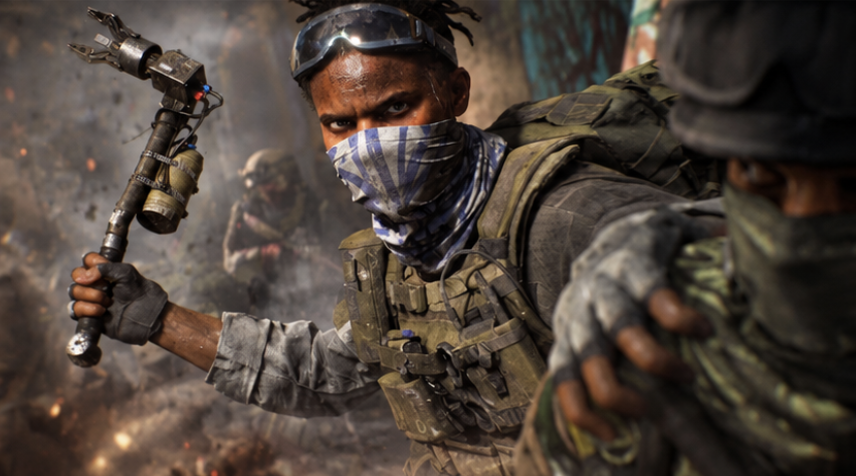

Battlefield 6's 64 Player Cap: Why DICE Walked Away from 128 Player Chaos
Battlefield 2042 promised bigger.
128 players. Massive maps. Chaos on a scale the franchise had never attempted before.
It did not work the way DICE hoped.
Battlefield 6 quietly reversed course, and the reasoning behind that decision reveals exactly what the studio learned from 2042's rocky reception.
Here is the full breakdown of why 64 players won out, and what it means for destruction fidelity going forward.
The Trend: Smaller Lobbies, Bigger Priorities
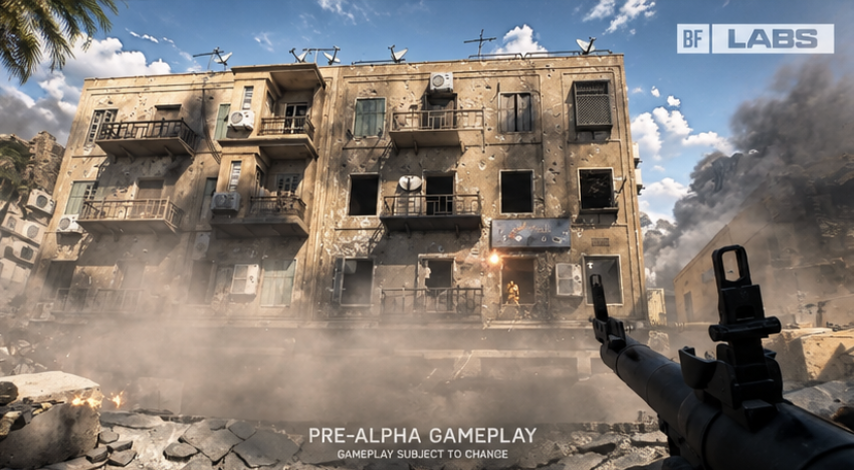
According to PlayStation's official Battlefield 6 FAQ page, the game supports up to 64 players in its primary multiplayer modes.
That is exactly half of Battlefield 2042's headline player count.
Quick facts on the shift:
- Battlefield 2042 launched with support for up to 128 players
- Battlefield 6 caps primary multiplayer modes at 64 players
- The decision was made and confirmed well ahead of the game's official beta
- DICE paired this change with a broader return to franchise fundamentals
That halving was not a technical limitation.
It was a deliberate design choice, and Battlefield Studios has been fairly open about why.
What Went Wrong With 128 Players
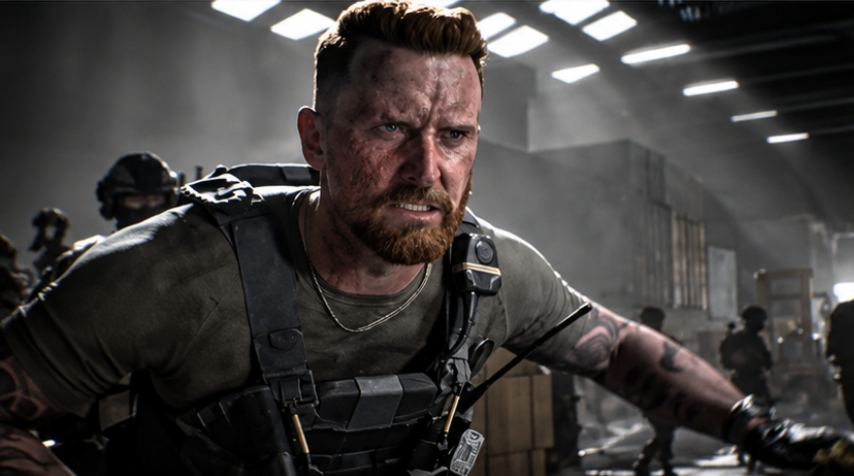
To understand this reversal, it helps to look back at what 2042 actually struggled with.
According to PC Gamer's reporting on the design shift, Battlefield Studios has openly acknowledged lessons learned from past entries and used them to shape what players actually wanted this time.
Common complaints tied to 2042's larger scale:
- Maps often felt too large and empty for meaningful firefights
- Underpowered vehicles struggled to matter across such vast spaces
- Chaotic, unpredictable destruction events led to unintentional, frustrating deaths
- The overall experience felt less focused than earlier entries in the series
That last point is the one DICE seems most focused on fixing.
More players and bigger maps sounded impressive on paper. In practice, it diluted the tight, readable combat the franchise built its reputation on.
Ditching Levolution for Tactical Destruction
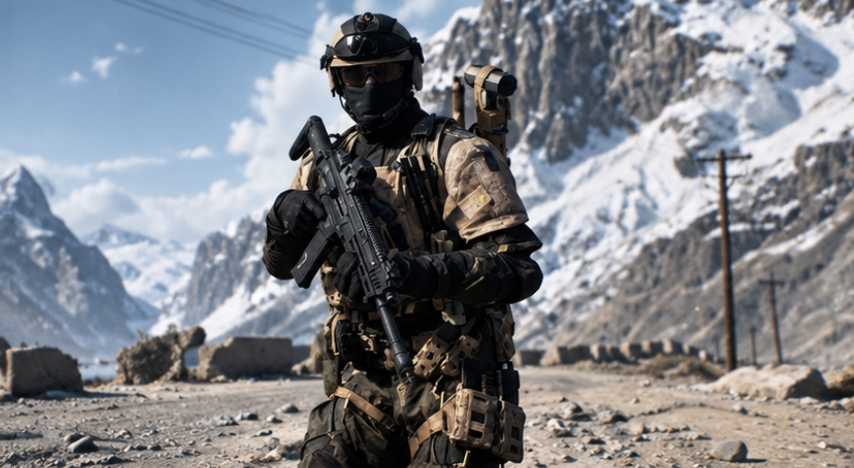
Player count was not the only major change.
According to the same PC Gamer report, Battlefield 6 has also moved away from Levolution, the scripted, map-changing destruction events that defined Battlefield 4.
Why DICE moved away from Levolution specifically:
- Levolution events added variety, but were largely undirected once triggered
- That unpredictability frequently led to unintentional deaths players found frustrating
- All-out, map-wide annihilation ended up feeling more chaotic than fun
- The studio wanted destruction that players could read and react to tactically
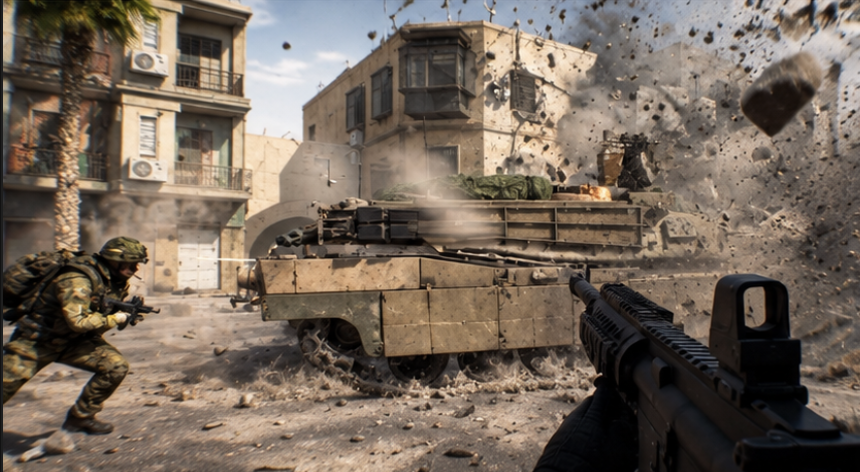
Note: This does not mean destruction disappeared from Battlefield 6. Buildings can still come apart the way they did in Battlefield 4, and heavily contested points can end up largely leveled by mid-match. The difference is containment. Wreckage now stays concentrated in specific pockets of a map, rather than spiraling into unpredictable, map-wide collapse.
That containment is the real heart of the "tactical destruction" philosophy.
Chaos that players can anticipate and use strategically, rather than chaos that simply happens to them.
How Player Count and Destruction Design Connect
These two decisions, the player cap and the destruction philosophy, are not separate stories.
They are the same design philosophy applied twice.
Why smaller lobbies make destruction feel more meaningful:
- Fewer players means more space per player, letting destruction actually matter tactically
- Smaller, denser maps make destroyed cover genuinely change how a fight plays out
- Readable destruction requires players to actually notice and react to it, which is harder in overcrowded 128 player chaos
- A more contained battlefield lets DICE tune destruction fidelity without it feeling random or unfair
Put simply, 128 players spread across massive maps made destruction feel like background noise.
64 players in tighter spaces makes every collapsed wall or destroyed cover point something players genuinely have to account for.
The Beta Numbers That Validated the Approach
Whatever DICE was betting on, players showed up to test it.
According to Notebookcheck's coverage of the open beta launch, Battlefield 6's open beta hit an all-time franchise peak of over 500,000 concurrent players on Steam within moments of launching on August 9, 2025.
How that beta performance stacked up:
- Battlefield 6's beta peak surpassed Battlefield 2042's full launch peak of 107,376 players
- It also surpassed 2042's own beta peak of just 156,665 players back in 2021
- Weekend queues reportedly reached as many as 250,000 players waiting to get in
- Research firm Oppenheimer estimated over 5 million players took part across all platforms during the beta period
Those numbers do not prove the 64 player decision alone drove demand.
But they confirm the broader back to basics approach, smaller lobbies, tighter maps, contained destruction, resonated strongly with a community still wary after 2042's rocky launch.
Why Fans Were Ready for This Change
Community sentiment heading into Battlefield 6 was cautious, not enthusiastic, and for good reason.
According to Notebookcheck's earlier pre release coverage, lingering disappointment from 2042 shaped expectations well before Battlefield 6 ever launched.
What fans were specifically worried about:
- Technical issues that plagued 2042 at launch, including missing features like a server browser and scoreboard
- Concerns about aggressive monetization, especially with rumors of a Battlefield Pro subscription service
- A general desire for a complete, polished release rather than another live service title stuffed with microtransactions
- Hope that DICE had genuinely learned from 2042 rather than repeating the same mistakes
Early reaction to destruction gameplay leaks reportedly gave some former developers "Bad Company 2 vibes," a direct callback to one of the franchise's most beloved entries.
That comparison alone signals what DICE was actually chasing with this reversal.
Not bigger. Better remembered.
What This Means Going Forward
Battlefield 6 has now moved well past launch, continuing into ongoing seasonal content.
According to reporting on the game's player base trends, Season 4 content has continued building on the franchise fundamentals this design shift established, including the return of classic, heavily requested legacy maps.
What the 64 player, tactical destruction approach signals for the franchise's future:
- DICE appears committed to this scale going forward, rather than treating it as a temporary correction
- Legacy map returns suggest a broader strategy of leaning into what long time fans already loved
- Destruction fidelity remains a core selling point, just reshaped around readability instead of chaos
- The franchise seems focused on rebuilding trust incrementally, rather than chasing bigger headline numbers again
That focus on trust over spectacle is really the throughline connecting every decision covered here.
FAQ
How many players can join a Battlefield 6 match? Up to 64 players in primary multiplayer modes, half of Battlefield 2042's 128 player format.
Why did DICE reduce the player count from 2042? Feedback pointed to overly large, empty maps and underpowered vehicles at 128 players, prompting a return to tighter, more focused combat.
Does Battlefield 6 still have destruction mechanics? Yes. Buildings can still be destroyed similarly to Battlefield 4, though destruction is now more contained to specific map areas rather than sprawling, unpredictable Levolution events.
What is tactical destruction, exactly? A design approach where destruction stays readable and strategically meaningful, rather than triggering unpredictable, map-wide chaos players cannot anticipate or react to.
How did the Battlefield 6 beta perform? It hit over 500,000 concurrent Steam players at peak, surpassing every previous Battlefield beta and full launch player count on record.
Final Takeaway
DICE did not shrink Battlefield 6's player count because bigger failed technically.
It shrank the count because bigger stopped feeling like Battlefield.
2042 chased scale.
Players wanted focus.
The 64 player cap, paired with tighter, more contained destruction, is DICE's direct answer to years of feedback about what actually made earlier entries memorable.
Massive lobbies looked impressive in a trailer.
They rarely translated into fights players actually remembered afterward.
By going smaller and more deliberate, Battlefield Studios bet that readable chaos beats random chaos every time.
Half a million concurrent beta players within moments of launch suggests that bet paid off.
Whether that trust holds up across future seasons is the real test still ahead, but the foundation DICE built here looks far sturdier than anything 2042 managed to stand on.
For a franchise that spent years chasing bigger numbers, betting on smaller and sturdier might turn out to be the smartest course correction Battlefield Studios has made in a decade.