Was Assassin's Creed Origins' Egypt the best open world in the series?

discords.ai
July 15, 2026
Getting lost in history in Assassin's Creed Origins
By Andy Kelly
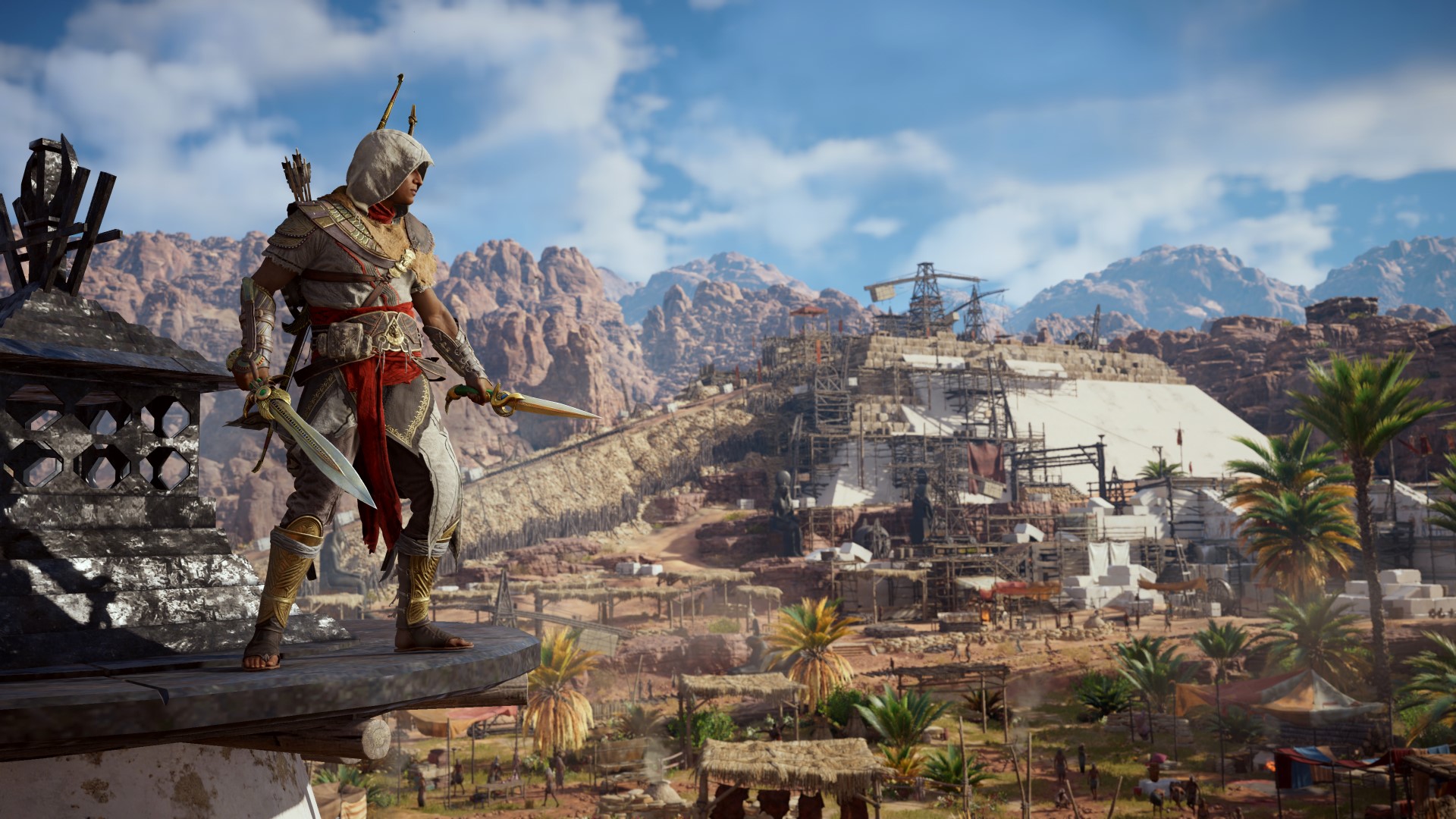
In Assassin’s Creed we usually visit civilisations at their peak, whether it’s Renaissance Italy or London at the height of the Industrial Revolution. Ubisoft could have done this for Origins too, taking us to the golden age of Ancient Egypt. But instead we visit this period of history in its twilight years. The pharaonic line is coming to an end and the Greeks have dramatically transformed the landscape, culture and religious practices of this part of the world.
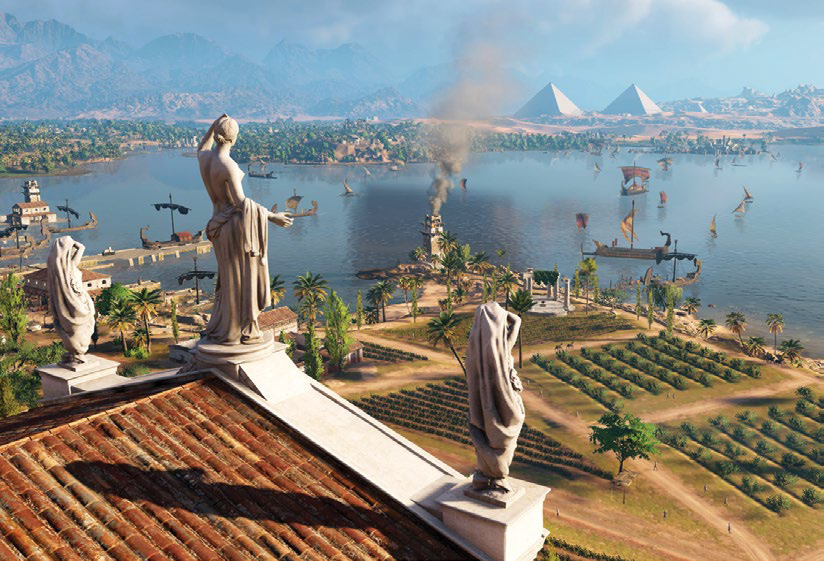
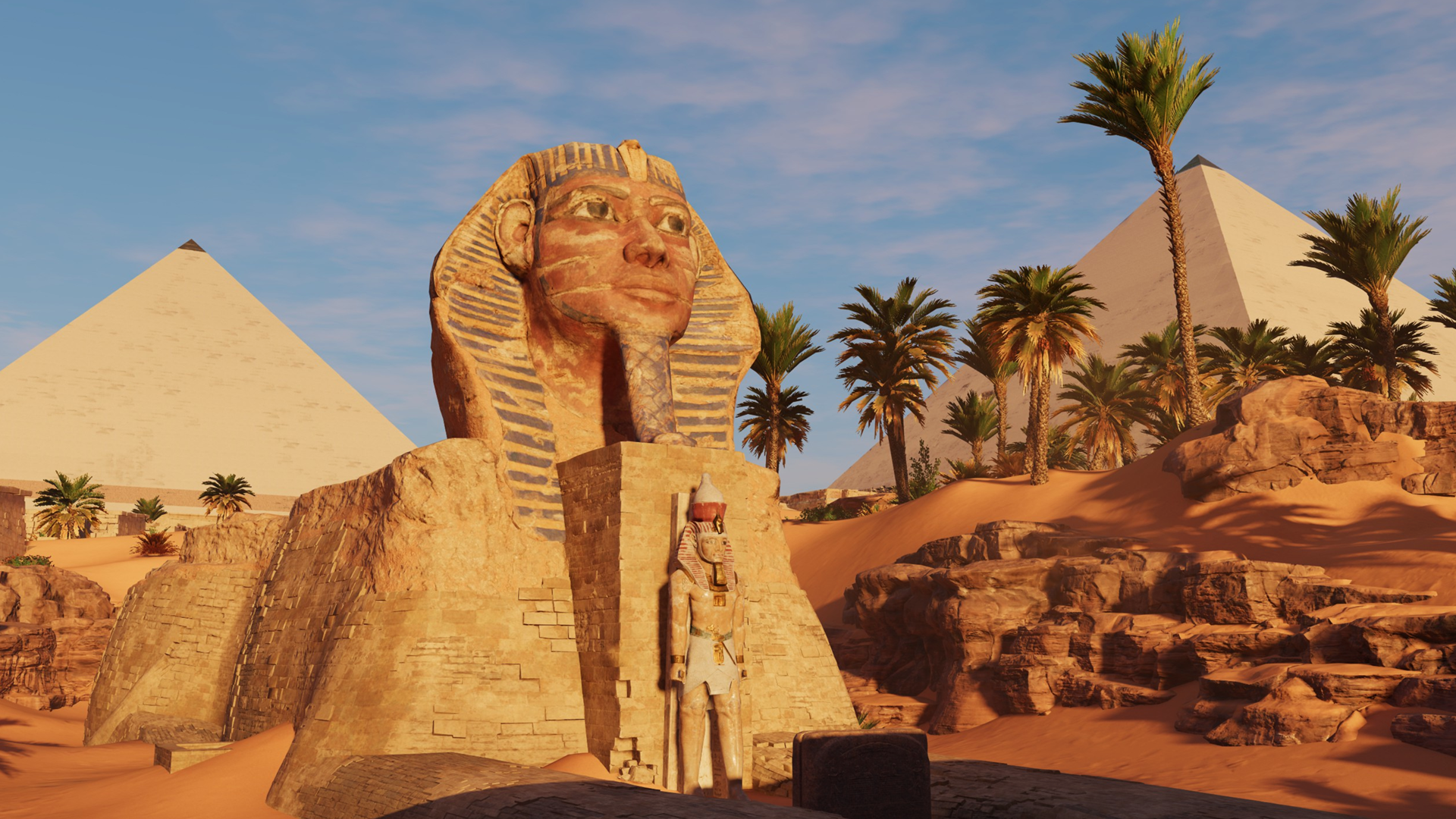
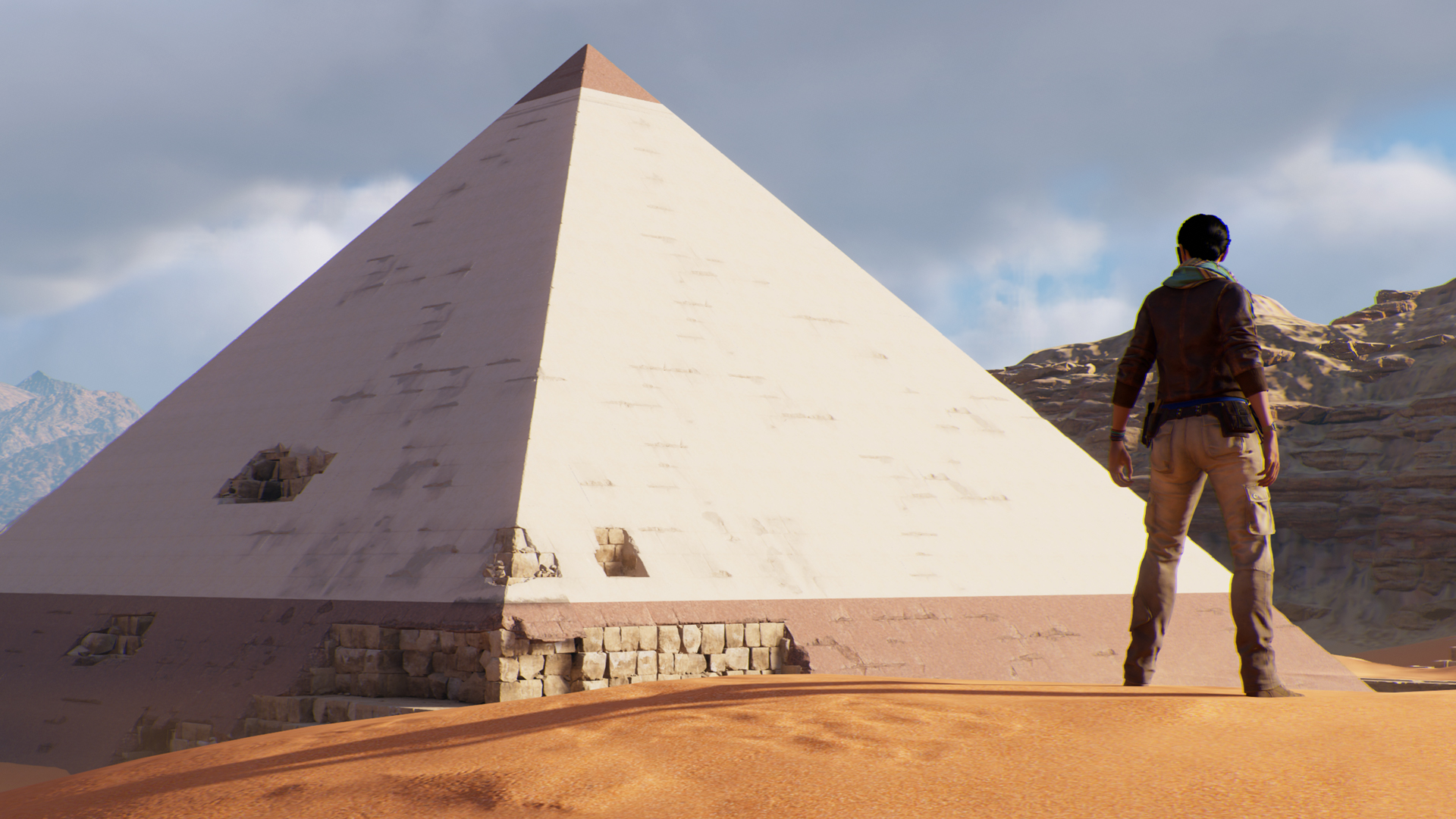
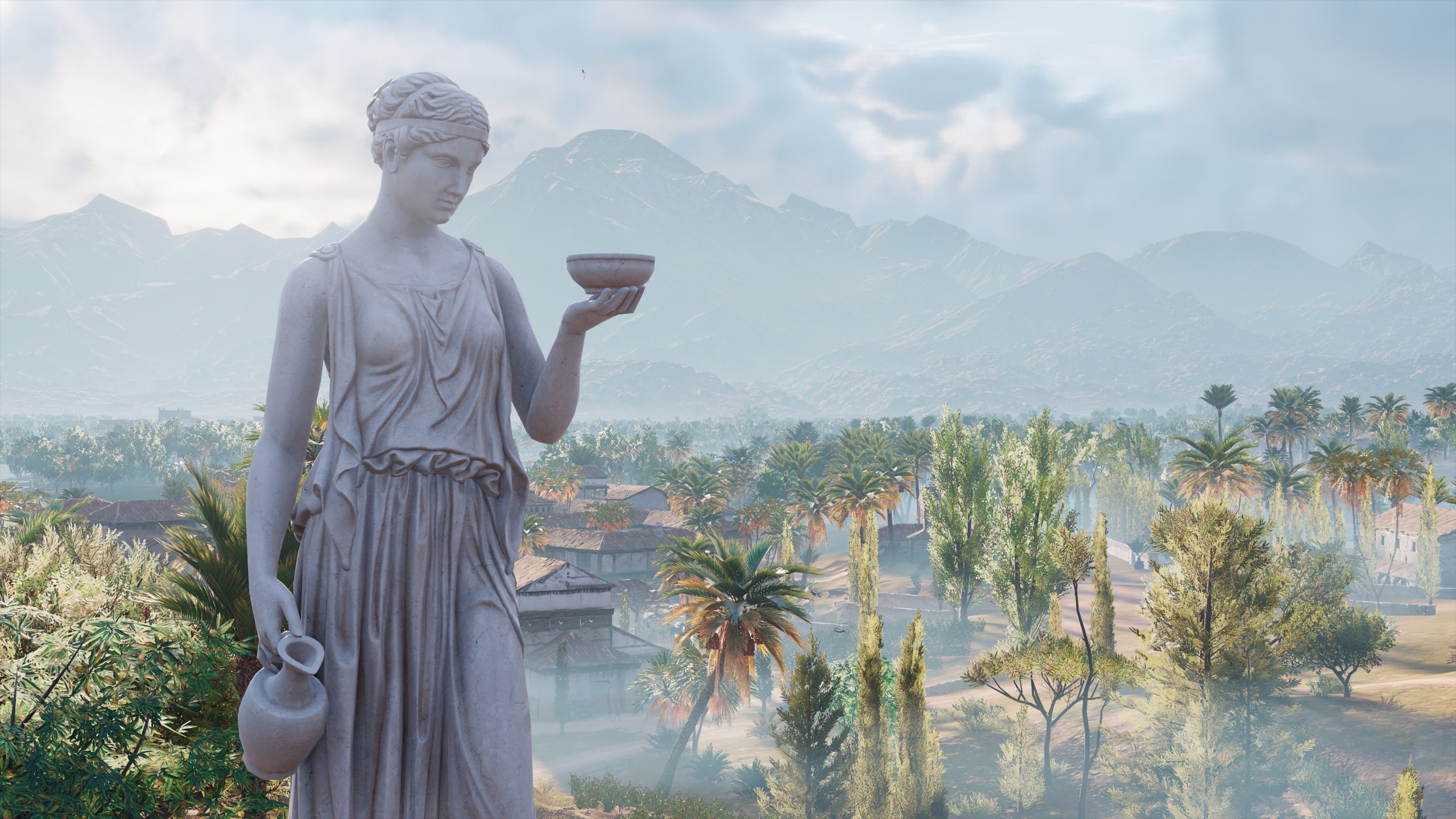
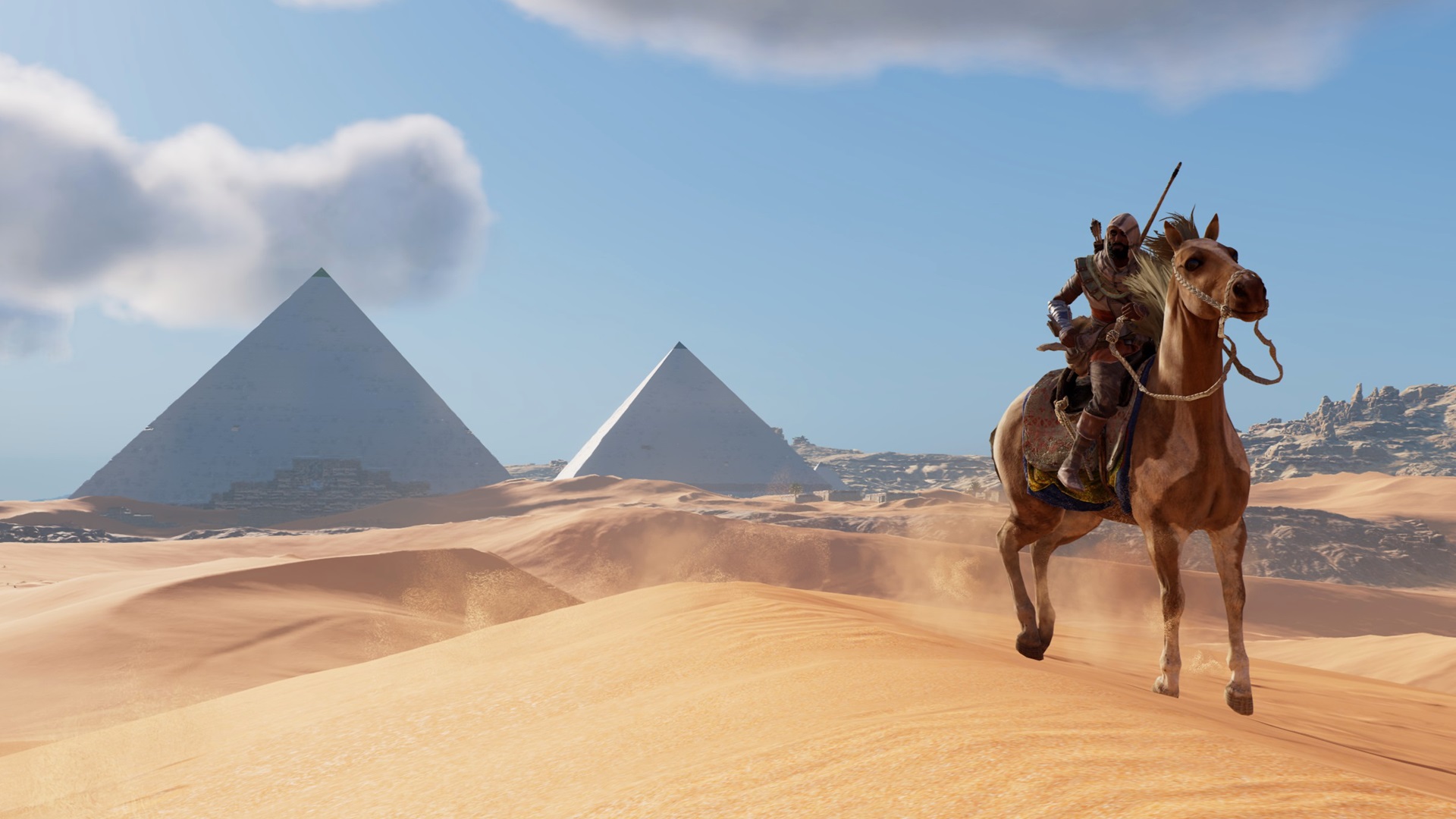
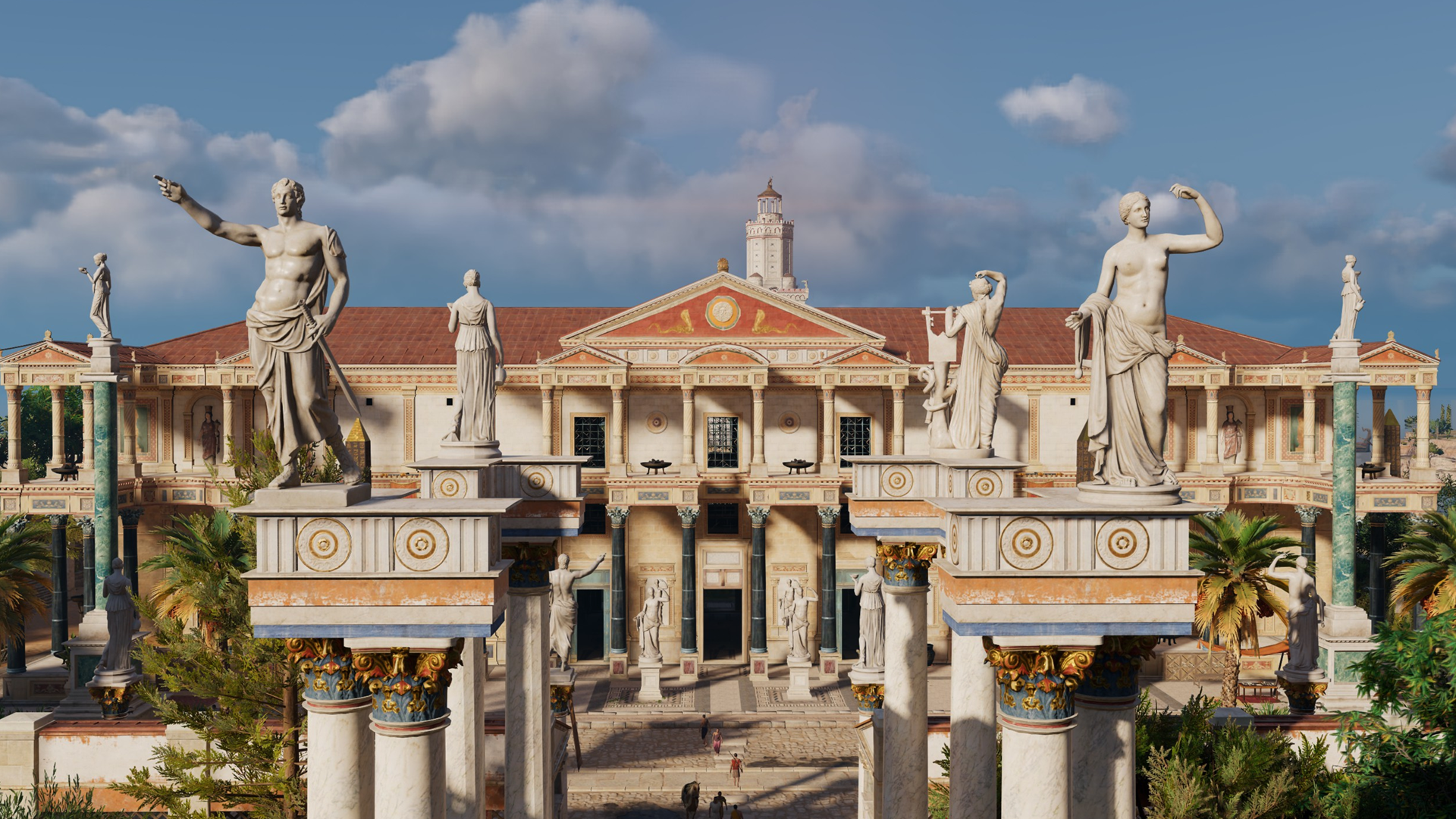
This makes for a fascinating architectural contrast. In the largest cities you see statues of Egyptian gods crumbling and forgotten, outnumbered by pristine, polished marble statues of Greek legends. And even monuments, like the pyramids of Giza and the Great Sphinx, are already falling apart. There’s a tragedy to seeing this grand civilisation fade away as foreign invaders erect gleaming temples and acropolises across the desert.
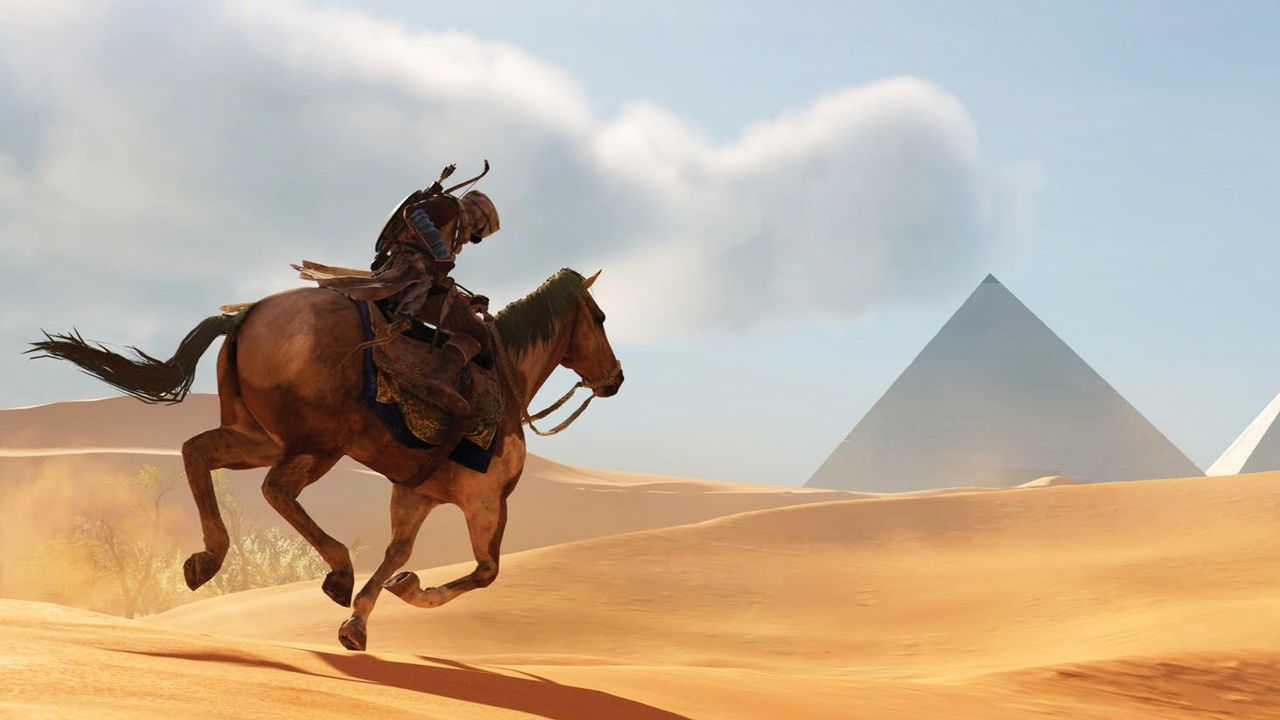
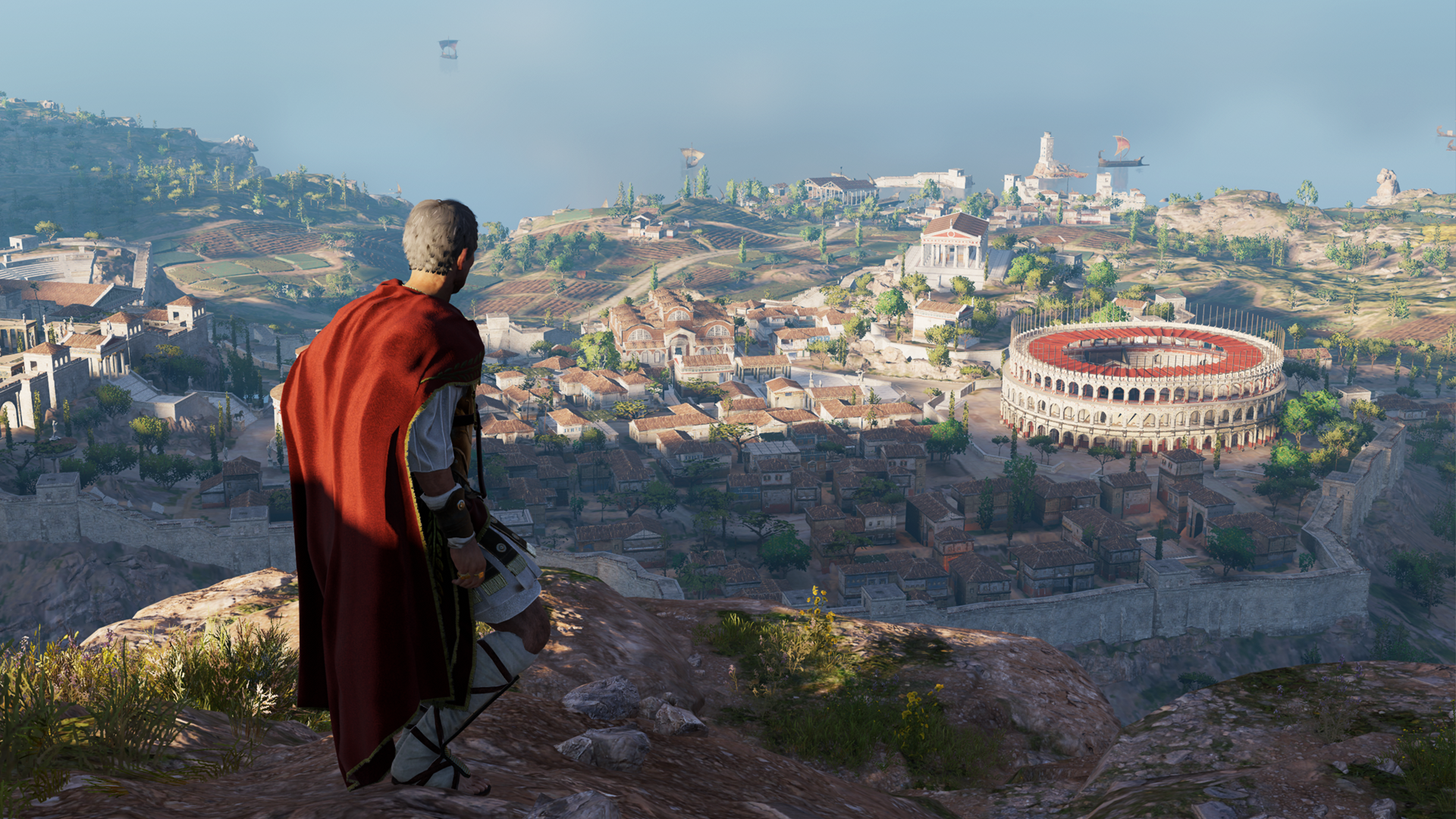
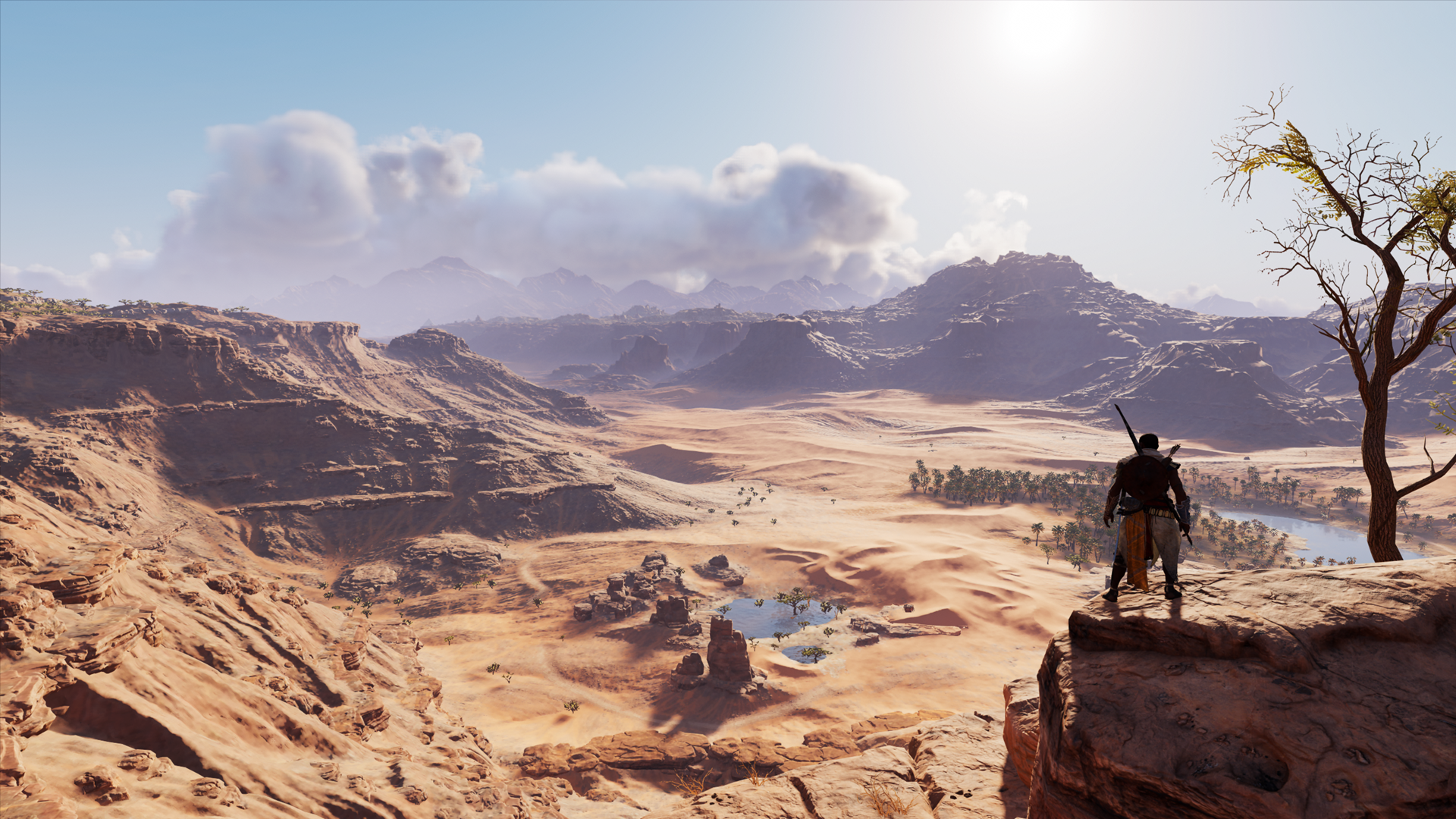
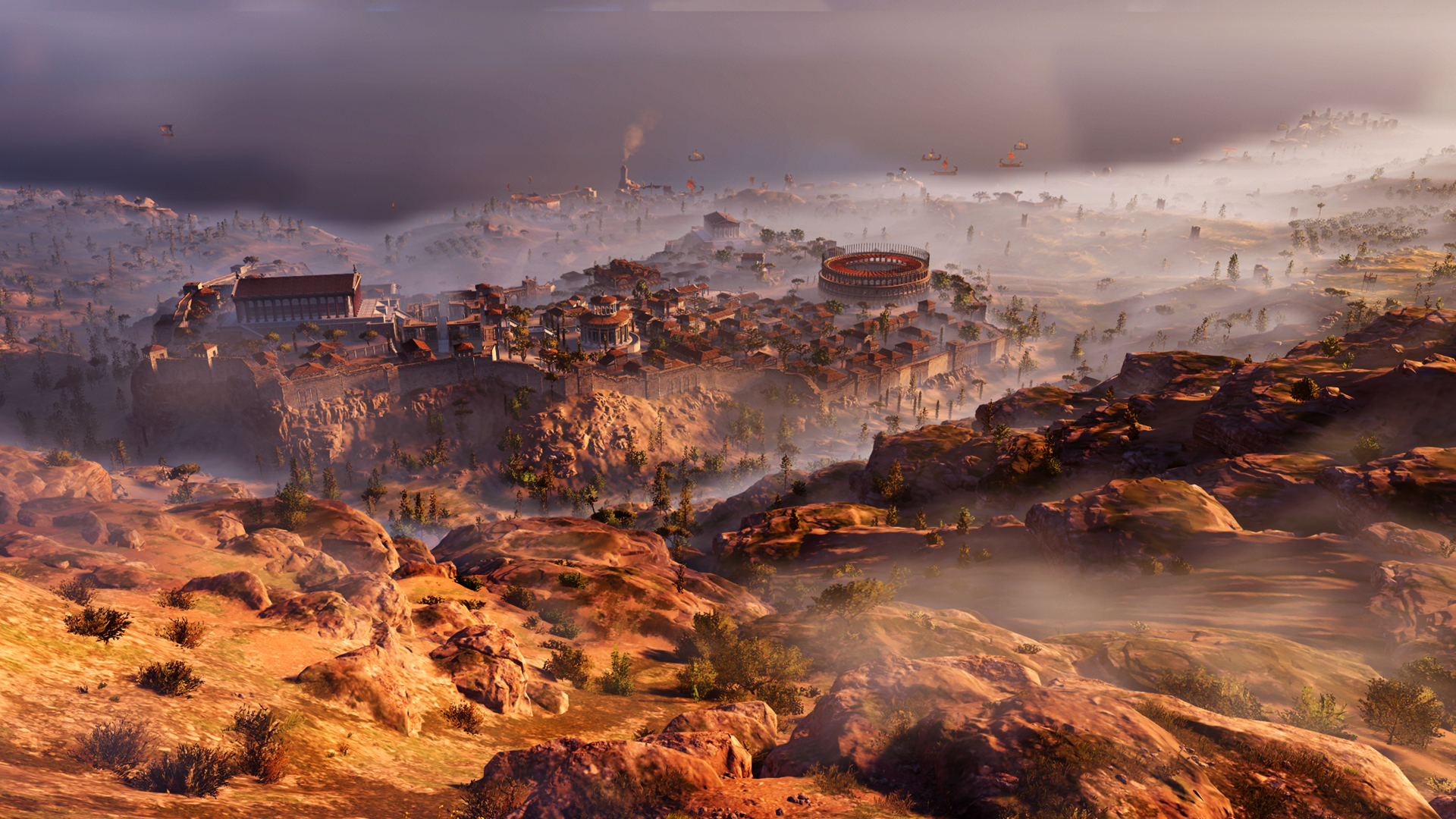
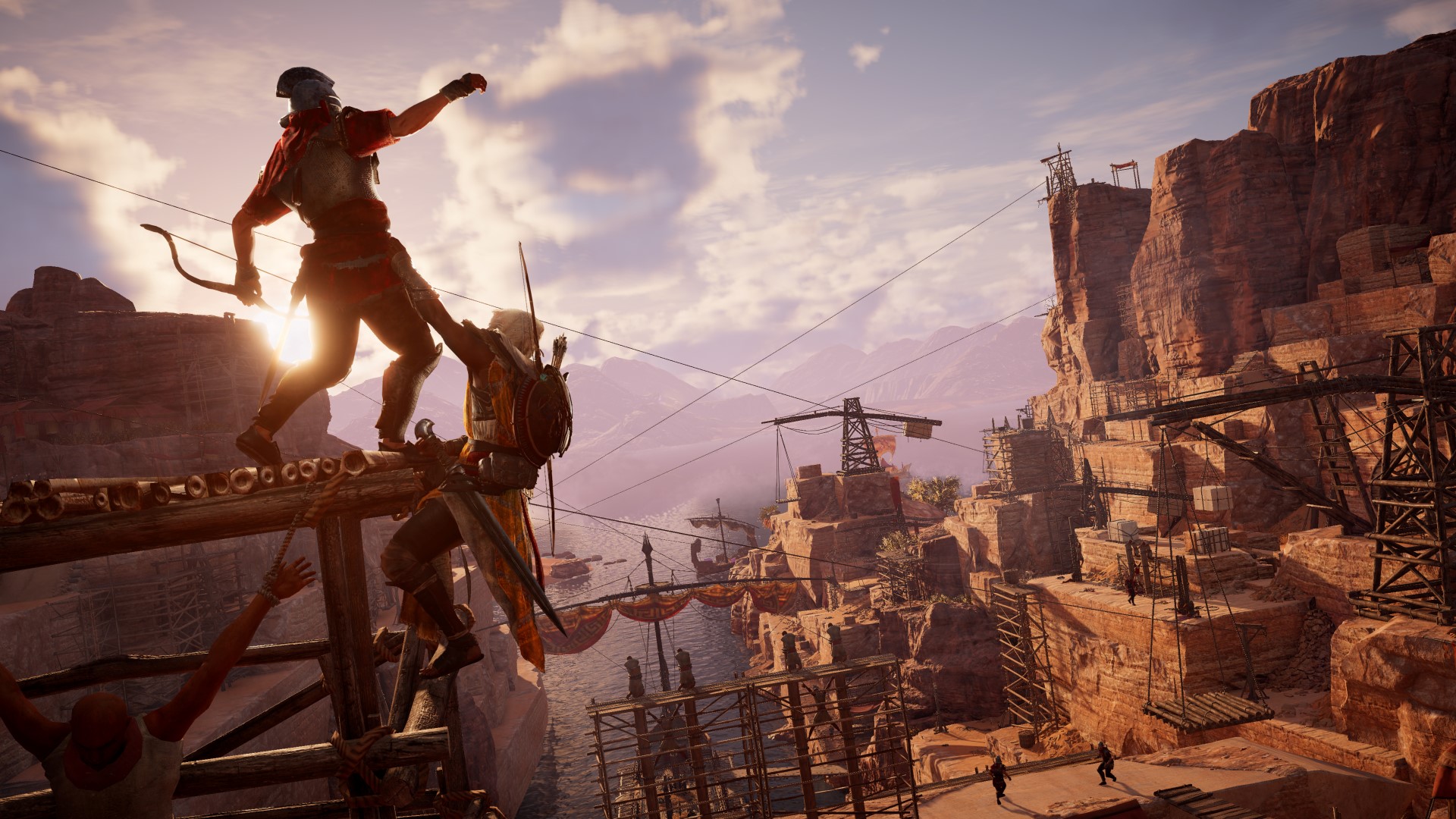
It might be the best open world Ubisoft has ever created. While riding through the barren Green Mountains region on horseback, idly exploring with no specific goal in mind, I crested a hill and saw a sprawling Roman city resting in a misty valley below. It stopped me in my tracks. The scale is breathtaking, making even the vast cities of previous Assassin’s Creed games seem small in comparison.
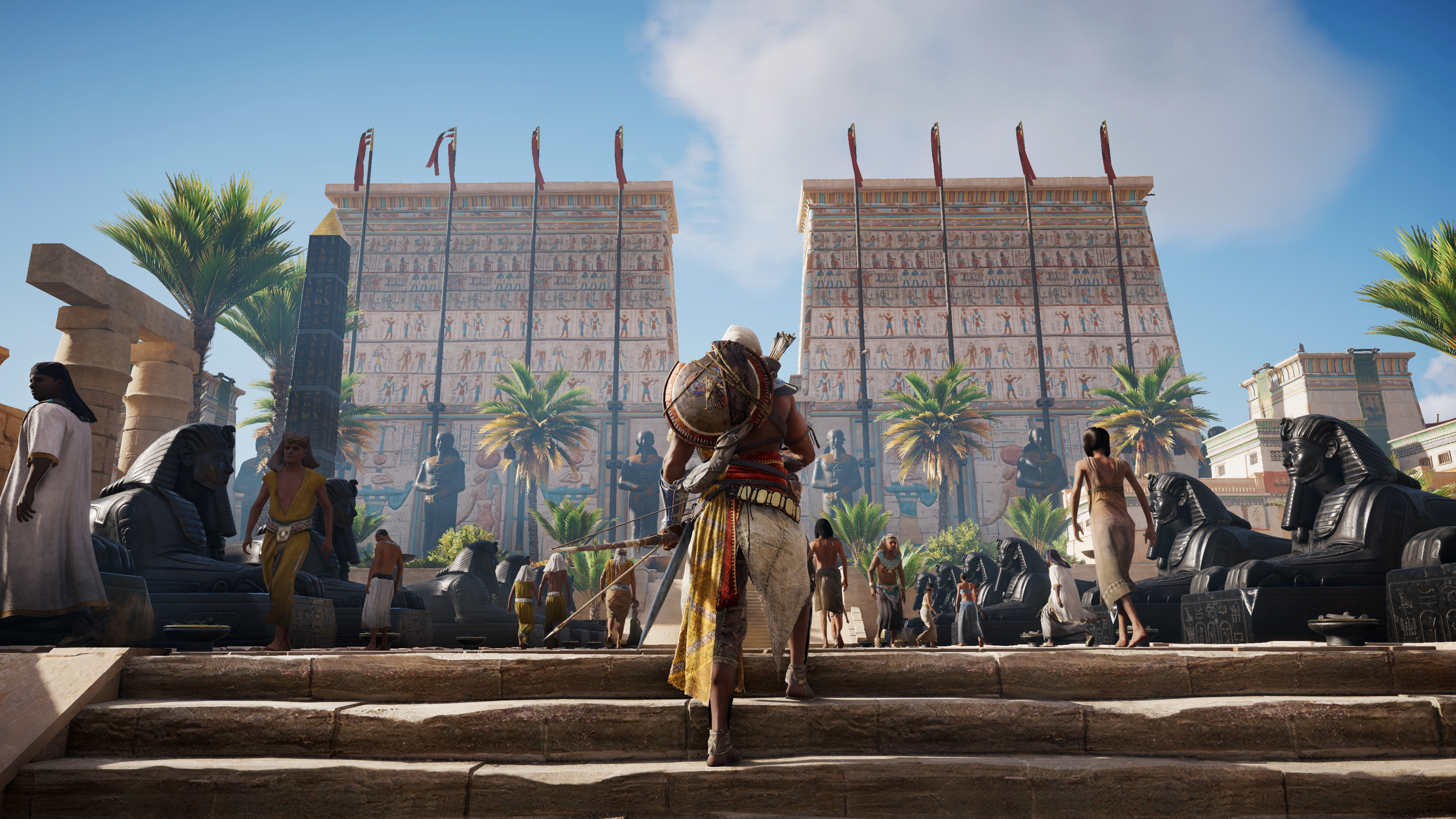
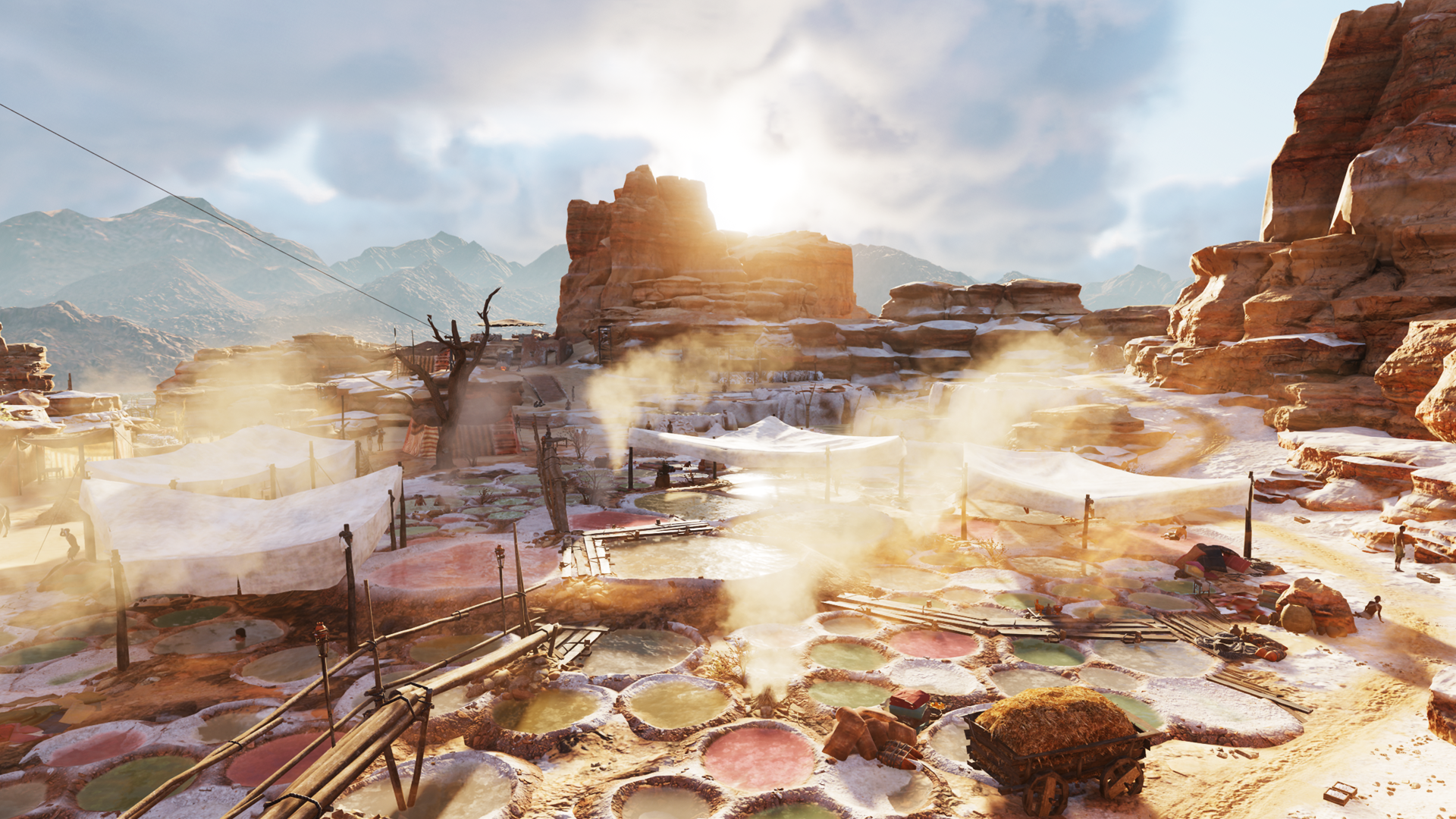
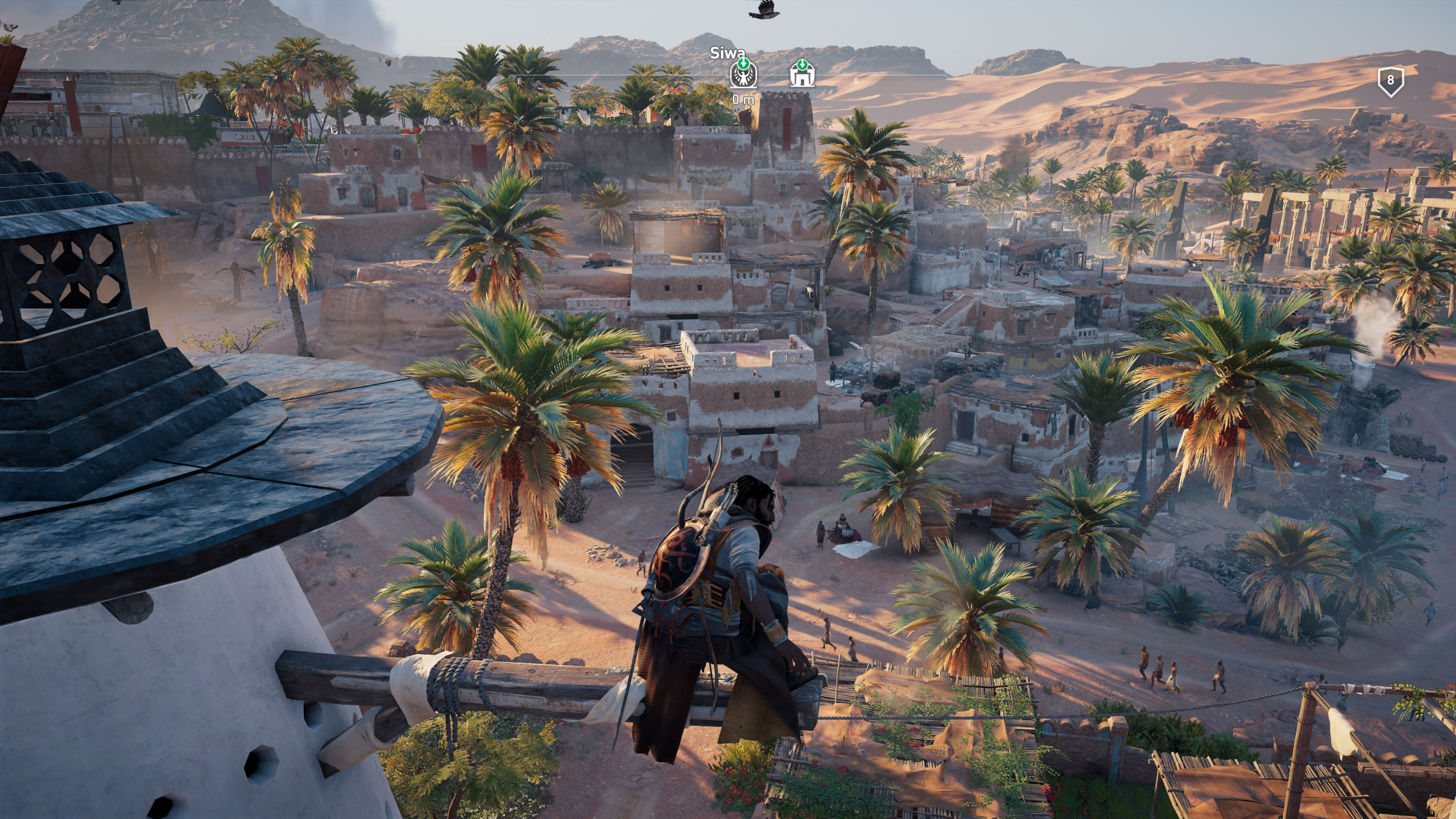
Size isn’t everything when it comes to open worlds, of course. Just look at something like Just Cause, which is enormous but consists of little more than large swathes of dull, featureless countryside and a few unconvincing cities. Origins keeps things interesting by splitting its world up into distinct regions, from the oasis town of Siwa and the rocky canyons of the Black Desert, to the ruin-littered sands of Giza and the cultural epicentre that is Alexandria.
Crocodile tears
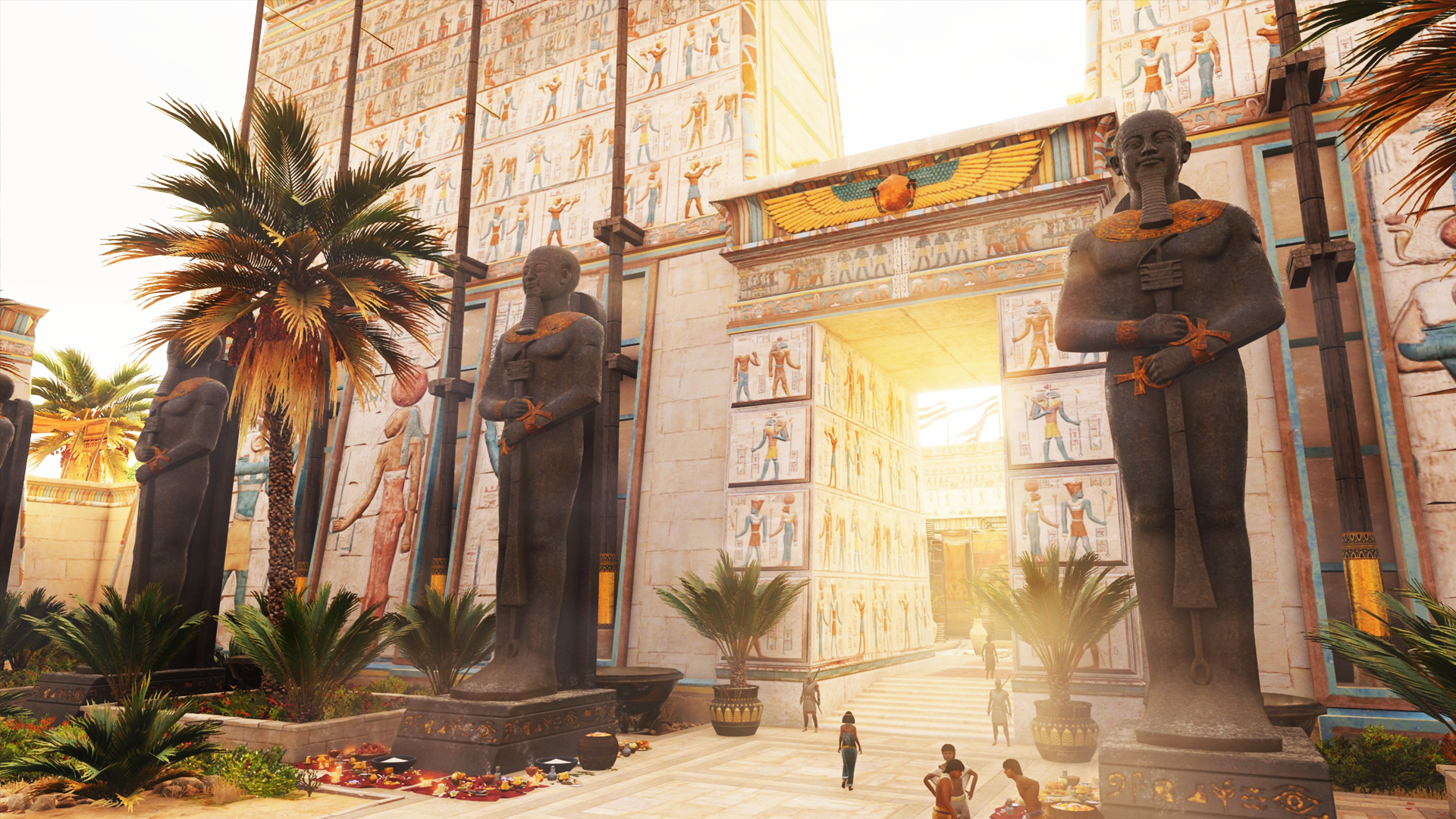
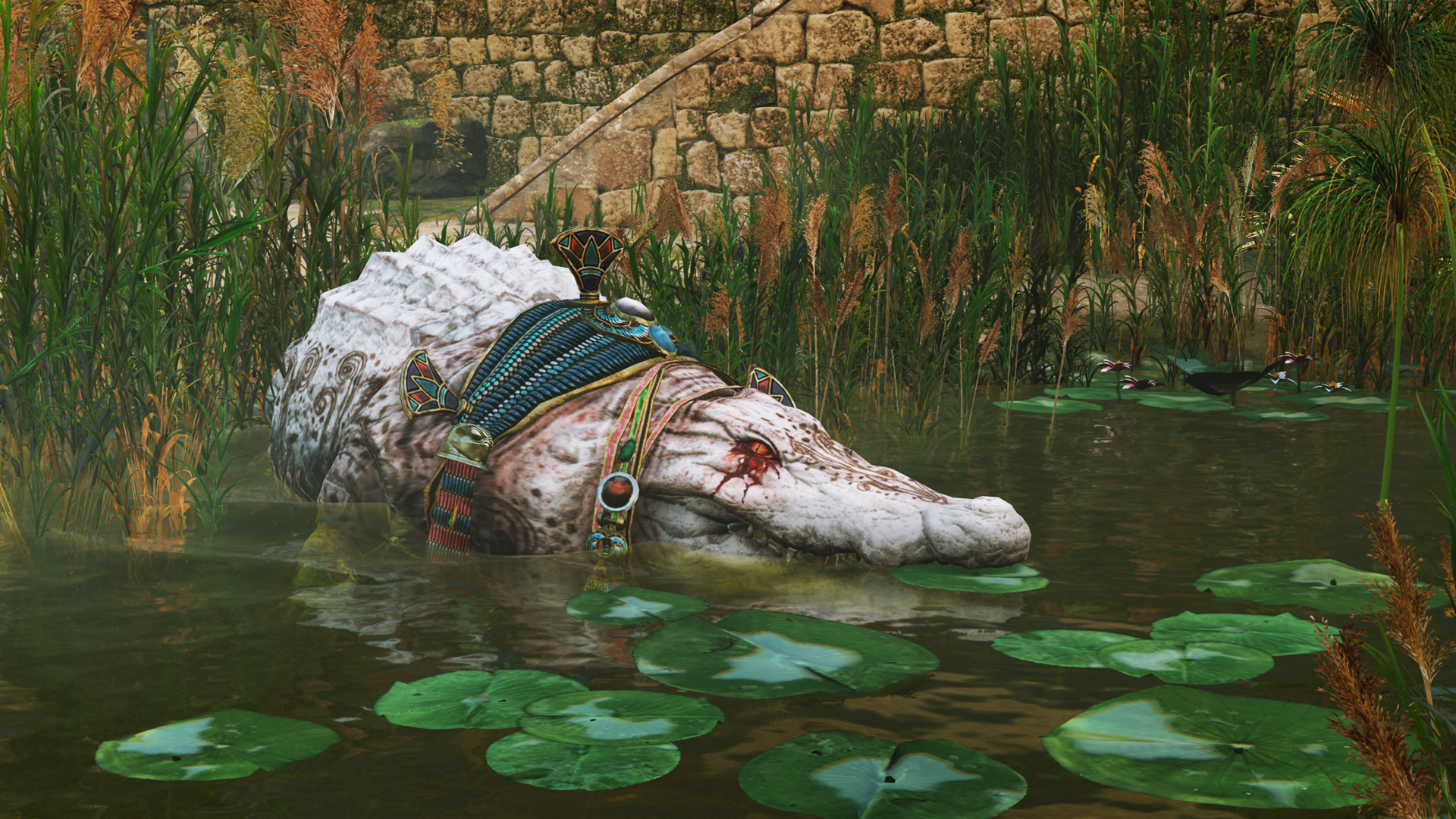
Faiyum is one of the prettiest and most interesting locations in the game. Founded to worship Sobek, who takes the form of a crocodile, this city is built around a network of canals and dominated by a beautiful, ornate temple dedicated to the god.
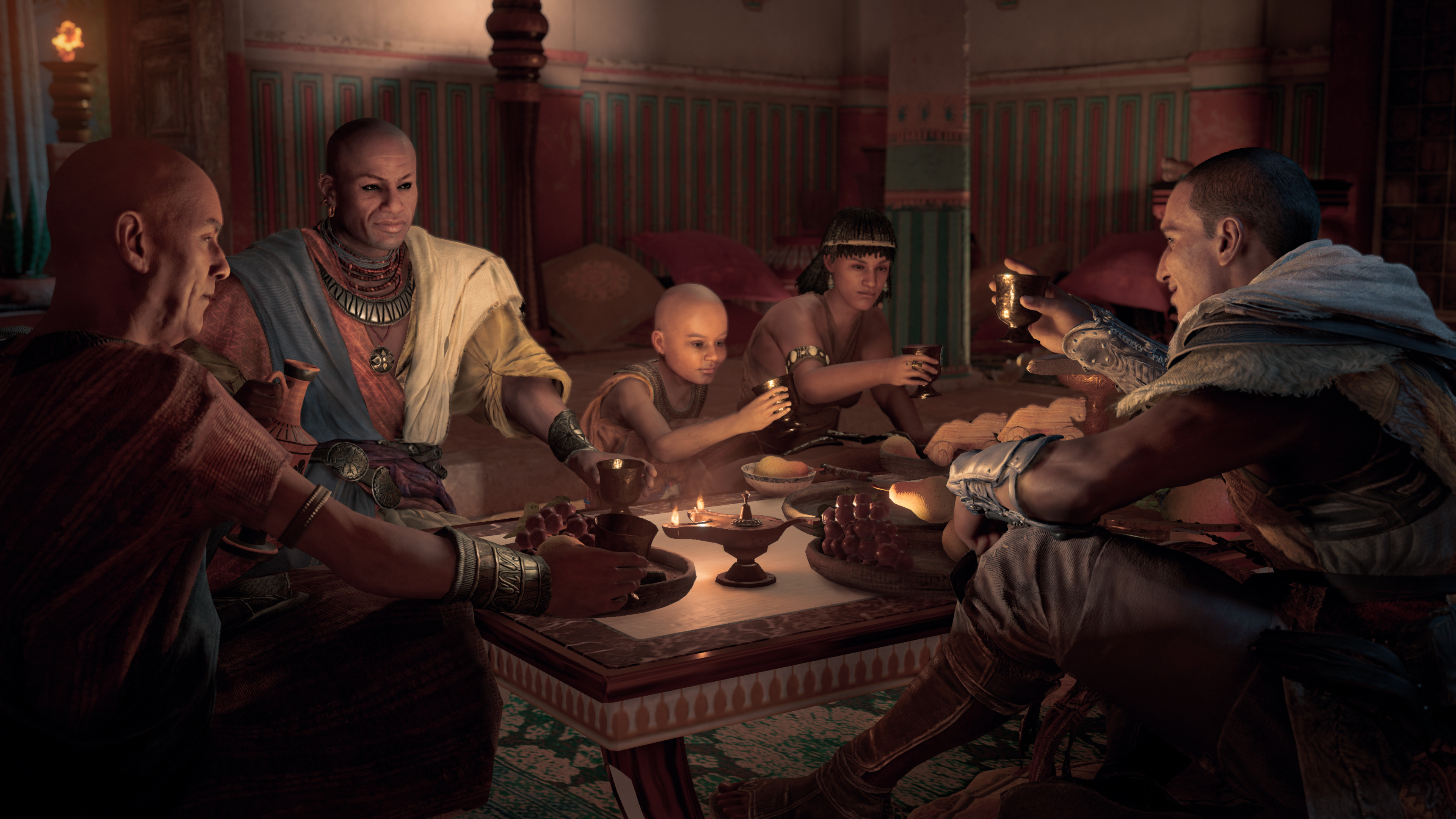
Inside, the priests worship a giant crocodile adorned with gold and jewels who they believe is the embodiment of Sobek, and one quest involves hero Bayek trying to find out why the sacred creature has mysteriously started weeping blood.
It took me a hefty 27 hours to finish Origins and there are still areas on the map cloaked in black, indicating that I haven’t travelled there yet. It’s obscenely huge, although the length is artificially extended somewhat by forcing you to reach a certain level before attempting the next story quest.
Exploring Egypt isn’t as thrilling as sailing the Caribbean in Black Flag, which remains my favourite entry in the series. But it’s a much richer, more convincing world overall, and a precious chance to step into history and experience it firsthand.
Read the full article
This post was imported from an external source. Click to read the complete article on the original website.
Comments
Sign in to join the conversation
Sign inNo comments yet
Be the first to share your thoughts!
Related Articles

Grand Theft Auto 6 leaker who was given an indefinite sentence in 2023 because he wouldn't stop hacking is now out of hospital and awaiting retrial
July 16, 2026

Arc Raiders is fixing a bug that would sign players up to be shipped off to the apocalyptic wasteland without telling them
July 16, 2026

'It's not like natural intelligence is always all that great either': Linus Torvalds addresses anti-AI sentiment in Linux development
July 16, 2026
Liked this article? Explore more on our blog.
Browse All Articles