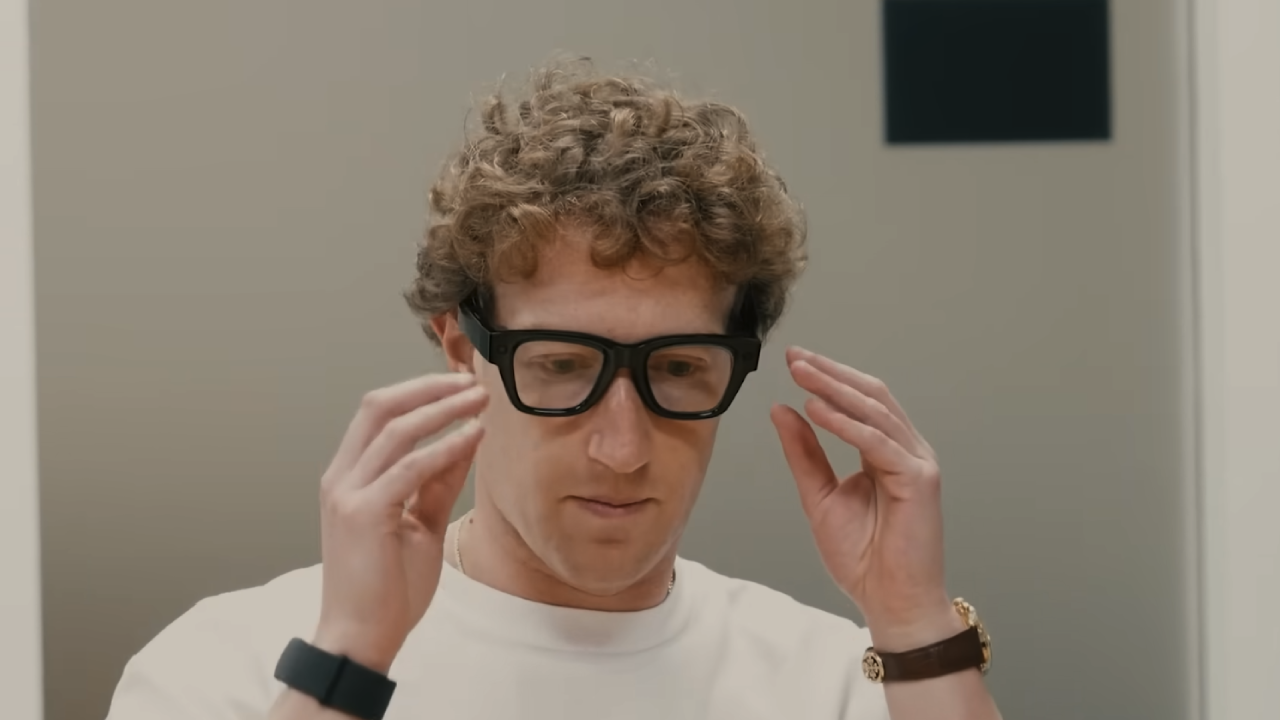
Reports suggest Meta was working on another facial recognition feature that was quietly pushed out to millions of users before being just as quietly deleted
discords.ai
June 11, 2026
Welcome to the future, where there's always a camera lens within arm's reach. I'll park my wider-ranging rant about surveillance culture for the time being and attempt to just focus on the news story that's most recently made me consider stepping on to the soap box: the facial recognition system that was at one point in Meta's smart glasses app.
Last week, Wired reported it had found code that suggested Meta had quietly embedded face-recognition technology into its smart glasses app. Now Wired reports that, since it published its original story, the code in question has been removed from the Meta AI app. That's good news, right? Well, I'm not sure I feel especially great about it.
The code Wired identified was referred to internally as 'NameTag,' and reportedly added over multiple updates in 2026. It was reported that once activated, the system could identify the faces of those captured by the smart glasses' lens and that it would then alert the user when it recognised someone. The original story broke mere weeks after a Meta spokesperson told the publication, "If we were to release such a feature, we would take a very thoughtful approach before rolling anything out."
50px;">
Wired found this particularly troubling as code for the system had been quietly pushed out to an app downloaded millions of times. Couple this with reports that Niantic Spatial may be using images of the world captured by Pokemon Go players to build its highly-accurate geospatial model for use by delivery robots and potentially defense applications, and the whole episode leaves me feeling queasy. At the very least, it's a good time to re-assess what data you're handing over to big tech when you use their wares, and what that data may be used for once it's out of your hands.
(Image credit: Francesco Carta fotografo via Getty Images)
What's particularly frustrating about the 'NameTag' system is that it's not really a new idea for Meta. For my sins, I used Facebook pretty religiously as a teenager—snapping photos of parties, uploading them to the site, and then tagging people I hoped would actually be my friends in real life one day. Beginning in 2010, the site would automatically recognise faces and ask users to match the face to a Facebook friend. As a teen, I valued the utility of the feature over the controversy that dogged it right up until its sunsetting in 2021.
What I didn't know at the time was that the company formerly known as Facebook had accumulated about a billion faceprints by that point. This data was deleted, but the company still had to face the music in court on the grounds that it had allegedly collected biometric data from users in an unlawful manner.